
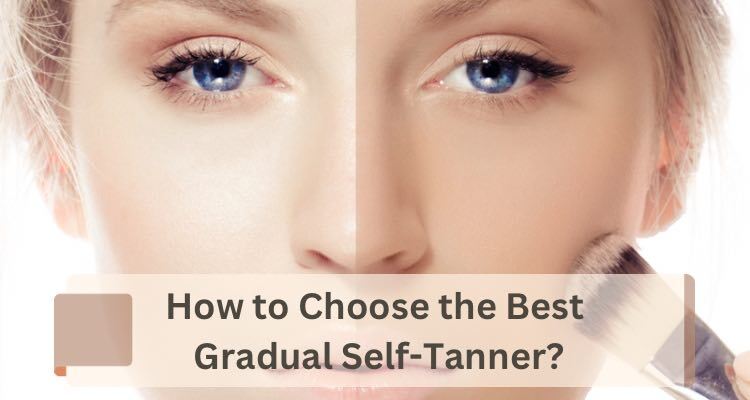
Achieving a natural, sun-kissed glow without the risks of sun exposure has never been easier, thanks to self-tanners. However, for those who want a subtle, buildable tan that develops gradually, a gradual self-tanner is the ideal option. Unlike traditional self-tanners that deliver immediate results, gradual self-tanners allow you to control the depth of your tan over time, minimizing the chances of streaks, uneven color, or overly dark spots. This guide will help you understand how to choose the best gradual self-tanner for your skin type and needs, ensuring a flawless, long-lasting glow.
What is a Gradual Self Tanner?
Gradual self-tanners are moisturizing lotions, creams, or mousses that contain lower concentrations of dihydroxyacetone (DHA), the active ingredient responsible for darkening the skin. Because the DHA is present in smaller amounts, the tan develops slowly over several applications, allowing for a more controlled and subtle tan. These products also tend to be more forgiving in terms of application, which makes them perfect for beginners or those looking for a light, natural-looking tan.
What to Consider When Choosing a Gradual Self-Tanner
1. Skin Type: Tailoring the Tanner to Your Skin's Needs
Dry Skin
If you have dry skin, it’s essential to choose a gradual self-tanner with moisturizing properties to prevent dryness and flakiness, which can lead to patchy or uneven color.
What to Look For: Opt for gradual tanners with hydrating ingredients such as aloe vera, shea butter, coconut oil, or hyaluronic acid. These ingredients not only moisturize but also help smooth the skin, making the tan develop evenly.
Oily or Acne-Prone Skin
For those with oily or acne-prone skin, a lightweight, non-comedogenic gradual self-tanner is essential to avoid clogging pores and causing breakouts.
What to Look For: Look for oil-free or non-comedogenic formulas that are lightweight and absorb quickly into the skin. Gel or mousse-based self-tanners are often a good choice for oily skin, as they tend to dry faster and leave a matte finish.
Sensitive Skin
Sensitive skin requires special care when selecting any skincare product, including self-tanners. The key is to avoid harsh chemicals or fragrances that could irritate the skin.
What to Look For: Choose gradual self-tanners labeled "hypoallergenic" or "for sensitive skin." Look for formulas free from artificial fragrances, dyes, and harsh chemicals. Gradual tanners with natural ingredients, such as green tea extract or chamomile, can soothe and protect sensitive skin.
2. Desired Tan Depth: Light, Medium, or Dark
Light or Subtle Tan
If you prefer a light, barely-there glow, opt for gradual tanners with lower DHA concentrations. These products offer a subtle build-up and are perfect for fair skin tones.
What to Look For: Choose products that promise a "natural" or "sun-kissed" effect rather than a deep tan. These tanners typically require several applications to achieve a light, golden finish.
Medium Tan
For a medium tan that gives a noticeable yet natural color, choose a gradual tanner that contains a slightly higher DHA concentration. These are ideal for medium or olive skin tones.
What to Look For: Gradual self-tanners that are marketed as "buildable" or "medium" will help you achieve a more pronounced tan after 3-4 applications. Be sure to monitor your progress after each application to avoid going too dark.
Dark Tan
If you’re looking for a deeper tan, you’ll want to find a gradual tanner with a higher DHA percentage that allows for a more intense build-up of color. These are great for deeper skin tones or those wanting a bronzed look.
What to Look For: Products that specify a "dark" or "deep bronze" tan are typically formulated with a higher DHA content. Gradual tanners in mousse or foam form often provide deeper tans due to their stronger formulation.
3. Formula: Lotion, Mousse, Gel, or Spray
Lotion
Lotions are the most hydrating option and are great for people with dry skin. They typically have a creamy texture and take a little longer to absorb into the skin, which allows for easy blending and even coverage.
Best For: Dry or normal skin types who want extra hydration.
Mousse
Mousses are lightweight and tend to dry more quickly than lotions, making them ideal for people on the go. They provide a streak-free application and are easy to layer for a darker tan.
Best For: Oily skin or anyone who prefers a quick-drying, non-sticky formula.
Gel
Gels are often cooling and refreshing on the skin and provide a lightweight application. They’re great for people with oily skin as they absorb quickly without leaving a residue.
Best For: Oily or acne-prone skin, or those who prefer a lightweight, non-greasy texture.
Spray
Sprays allow for a fast, mess-free application, especially for hard-to-reach areas like the back. However, they can sometimes lead to uneven coverage if not applied carefully.
Best For: People looking for a quick, even application, especially for hard-to-reach areas.
4. Ingredients: What to Avoid and What to Embrace
Ingredients to Embrace
- Aloe Vera: Soothes and hydrates the skin, making it perfect for use after sun exposure or for sensitive skin.
- Vitamin E: A powerful antioxidant that protects the skin from free radicals while also providing moisture.
- Coconut Oil or Shea Butter: Both are natural moisturizers that help keep skin soft and supple.
- Natural DHA: If you prefer a more natural product, look for gradual tanners that use plant-derived DHA rather than synthetic options.
Ingredients to Avoid
- Alcohol: Alcohol can dry out the skin, leading to uneven fading and patchy results.
- Artificial Fragrances: These can irritate sensitive skin and cause allergic reactions.
- Parabens and Sulfates: These harsh preservatives and chemicals can cause irritation or disrupt the skin’s natural balance.
How to Apply Gradual Self Tanner for Best Results
Step 1: Exfoliate and Moisturize
Exfoliating your skin before applying a gradual self-tanner is essential to ensure an even application. Focus on areas like the knees, elbows, and ankles, which tend to absorb more tanner.
Step 2: Apply in Circular Motions
Using your hands or a tanning mitt, apply the self-tanner in circular motions. This ensures even coverage and helps prevent streaks. Be careful around tricky areas like the knees, elbows, and wrists, where self-tanner can accumulate and darken.
Step 3: Wash Your Hands After Application
After applying the self-tanner, make sure to wash your hands thoroughly to prevent the product from staining your palms.
Step 4: Build Gradually
Since gradual self-tanners are designed to build up over time, apply the product daily or every other day until you achieve your desired color. Once you’ve reached the perfect shade, you can maintain your tan by applying it 2-3 times a week.
Step 5: Moisturize Regularly
Keeping your skin hydrated is key to ensuring your tan fades evenly. Moisturize your skin daily to prevent patchiness and prolong the life of your tan.
Conclusion
Choosing the best gradual self-tanner depends on your skin type, the depth of tan you want, and the formula that best suits your lifestyle. Whether you prefer a lotion for its moisturizing benefits or a mousse for its quick-drying properties, there’s a perfect gradual tanner out there for you. By following proper application techniques and selecting products with nourishing ingredients, you can enjoy a flawless, natural-looking tan that builds over time without the risks of UV exposure.
Final Thoughts
A gradual self-tanner offers a safe and controlled way to achieve a beautiful tan that suits your skin tone and preferences. By taking the time to understand the product’s ingredients, selecting the right formula for your skin, and applying it correctly, you can ensure a seamless, streak-free tan that enhances your natural glow.




Share Your Opinion, Please