

Coconut shampoo has gained popularity for its nourishing properties and ability to hydrate and strengthen hair. Known for its rich concentration of fatty acids and natural proteins, coconut oil is an ideal ingredient for a variety of hair types. But not all coconut shampoos are the same. The key is to find the right formula tailored to your hair’s specific needs—whether it's oily, dry, curly, or fine.
Choosing the right coconut shampoo can transform your hair care routine, ensuring your hair is moisturized, manageable, and healthy. This guide will help you understand which coconut shampoo works best for your hair type and how to choose one that brings out the best in your hair’s texture and condition.
1. Why Coconut Shampoo is Good for Your Hair
The Benefits of Coconut Oil in Hair Care
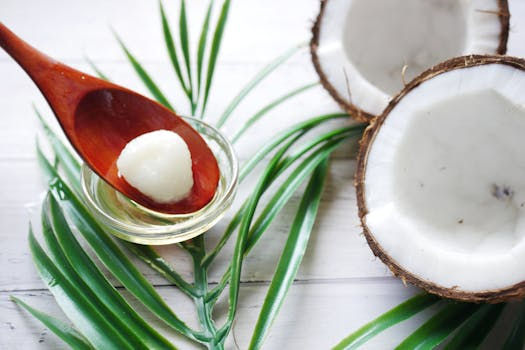
Coconut oil is rich in lauric acid, which has a low molecular weight, allowing it to penetrate the hair shaft deeply. This makes it a powerful ingredient for strengthening and moisturizing hair. Coconut oil can also help reduce protein loss, a common cause of brittle and weak hair. Its antifungal and antibacterial properties keep the scalp healthy, ensuring an ideal environment for hair growth.
How Coconut Shampoo Nourishes Different Hair Types
While coconut oil is beneficial for all hair types, different hair textures and conditions can react uniquely to it. Coconut shampoo can help hydrate dry strands, control oil production in oily hair, enhance curls, and provide volume to fine hair. Choosing the right formula for your specific hair type is key to maximizing these benefits.
2. Coconut Shampoo for Oily Hair
Key Ingredients that Control Oil
For oily hair, look for coconut shampoos that also contain ingredients like tea tree oil, peppermint, or citrus extracts. These ingredients help clarify the scalp, remove excess oil, and keep it clean without over-drying the hair. A gentle coconut-based formula can nourish your hair without weighing it down.
How to Use Coconut Shampoo to Manage Oily Scalp
To prevent your scalp from becoming too oily, focus on cleansing the roots where oil buildup is most common. Massage the shampoo into your scalp for a few minutes to allow the ingredients to work effectively. Rinse thoroughly to avoid residue, which can make your hair feel greasy.
3. Coconut Shampoo for Dry Hair
Hydrating Properties for Moisture-Rich Hair
Coconut oil’s hydrating properties make it ideal for dry hair types. It provides deep nourishment by locking in moisture and preventing water loss. A coconut shampoo designed for dry hair will often be enriched with additional oils like argan oil or shea butter to give extra moisture without stripping your hair of its natural oils.
How Coconut Oil Helps Repair Damaged Hair
Coconut oil not only hydrates but also helps repair damage. The fatty acids in coconut oil work to strengthen the hair shaft, reducing breakage and split ends. If you have dry, damaged hair, using coconut shampoo regularly can help repair it from within, leaving your hair feeling softer and healthier.
4. Coconut Shampoo for Curly Hair
Enhancing Curl Definition and Reducing Frizz
Coconut oil’s natural moisturizing properties make it perfect for curly hair, which often struggles with dryness. The oil works to smooth the hair cuticle, which reduces frizz and enhances the natural shape of your curls. Look for coconut shampoos that are sulfate-free to prevent stripping your curls of moisture.
Why Coconut Shampoo Works Well for Textured Hair
Curly and textured hair often requires more hydration, and coconut oil provides exactly that. It coats each curl in moisture without making the hair feel heavy. The right coconut shampoo can leave your curls bouncy, soft, and full of life.
5. Coconut Shampoo for Fine Hair
Lightweight Formulas that Add Volume
For fine hair, it’s important to choose a lightweight coconut shampoo that won’t flatten your strands. Look for volumizing coconut shampoos that contain lightweight ingredients like aloe vera or protein to help lift your roots and give your hair more body without sacrificing hydration.
Avoiding Product Build-Up in Fine Hair
Fine hair is more prone to product buildup, which can make it look greasy or limp. Make sure to use a coconut shampoo with a clarifying formula that rinses clean, leaving no residue behind. This will ensure that your hair stays light, voluminous, and fresh.
6. How to Choose the Right Coconut Shampoo
Whether your hair is oily, dry, curly, or fine, understanding its unique needs will guide you in choosing the right coconut shampoo. Oily hair benefits from clarifying agents, while dry hair requires extra hydration. Curly hair needs frizz control, and fine hair needs volume. Matching the shampoo’s formulation to your hair type is key to achieving the best results.
Reading Labels and Ingredients to Make an Informed Decision
Always read the ingredients list carefully. Avoid shampoos that contain sulfates, especially if you have curly or dry hair, as sulfates can strip moisture from the hair. Instead, opt for natural ingredients like coconut oil, aloe vera, or essential oils that work to nourish and protect your hair type.
7. Application Tips for Maximum Results
Best Practices for Using Coconut Shampoo on Different Hair Types
- Oily Hair: Focus the shampoo on your scalp, where oil buildup is most prevalent, and rinse thoroughly.
- Dry Hair: Apply the shampoo generously throughout your hair to ensure hydration, and follow up with a moisturizing conditioner.
- Curly Hair: Massage the shampoo into your scalp without disrupting the curl pattern, and use a diffuser to dry for best results.
- Fine Hair: Use a small amount of shampoo and focus on the roots to avoid weighing down your strands.
How Often Should You Use Coconut Shampoo?
For oily hair, you can use coconut shampoo every other day, while those with dry or curly hair may only need to use it 2-3 times a week to avoid over-washing. Fine hair types can benefit from using coconut shampoo regularly, as long as the formula is lightweight and clarifying.
Conclusion
Choosing the right coconut shampoo for your hair type can make a significant difference in the health and appearance of your hair. Whether your hair is oily, dry, curly, or fine, there is a coconut shampoo designed to meet your specific needs. By understanding your hair type, selecting the right ingredients, and applying the product properly, you can enjoy the nourishing benefits of coconut shampoo and achieve healthier, more manageable hair.




Share Your Opinion, Please