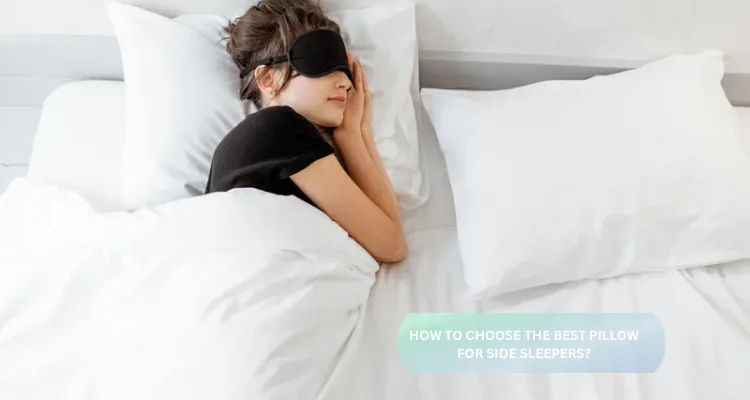
Fill the shoulder gap, align the neck, wake up without stiffness.
The best pillow for side sleepers is not just soft. It must be tall enough to fill the space between your shoulder and head, supportive enough to keep your neck level, and comfortable enough to hold its shape all night. Side sleepers usually need a medium-firm to firm pillow with enough loft to prevent the head from dipping toward the mattress or tilting upward.
Quick Picks:
|
What Makes a Pillow Good for Side Sleepers?
- Proper loft comes first. Side sleepers need more pillow height than back or stomach sleepers because the pillow has to fill the gap between the outside shoulder and the side of the head.
- Neck alignment matters. The right pillow keeps your neck in a neutral line with your chest, upper back, and spine. If your pillow is too low, your head drops. If it is too high, your neck bends upward.
- Medium-firm support is usually best. A pillow that is too soft may collapse under the head, while a pillow that is too hard can create pressure around the ear, jaw, and shoulder.
- Adjustable fill is a major advantage. Adjustable pillows let you add or remove fill until the height matches your shoulder width, mattress firmness, and body size.
- Shape retention is essential. Side sleepers put more pressure on a pillow than back sleepers, so the pillow should resist flattening during the night.
- Breathability helps hot sleepers. Latex, shredded foam, down alternative, cotton covers, and cooling covers can help reduce heat buildup around the head and neck.
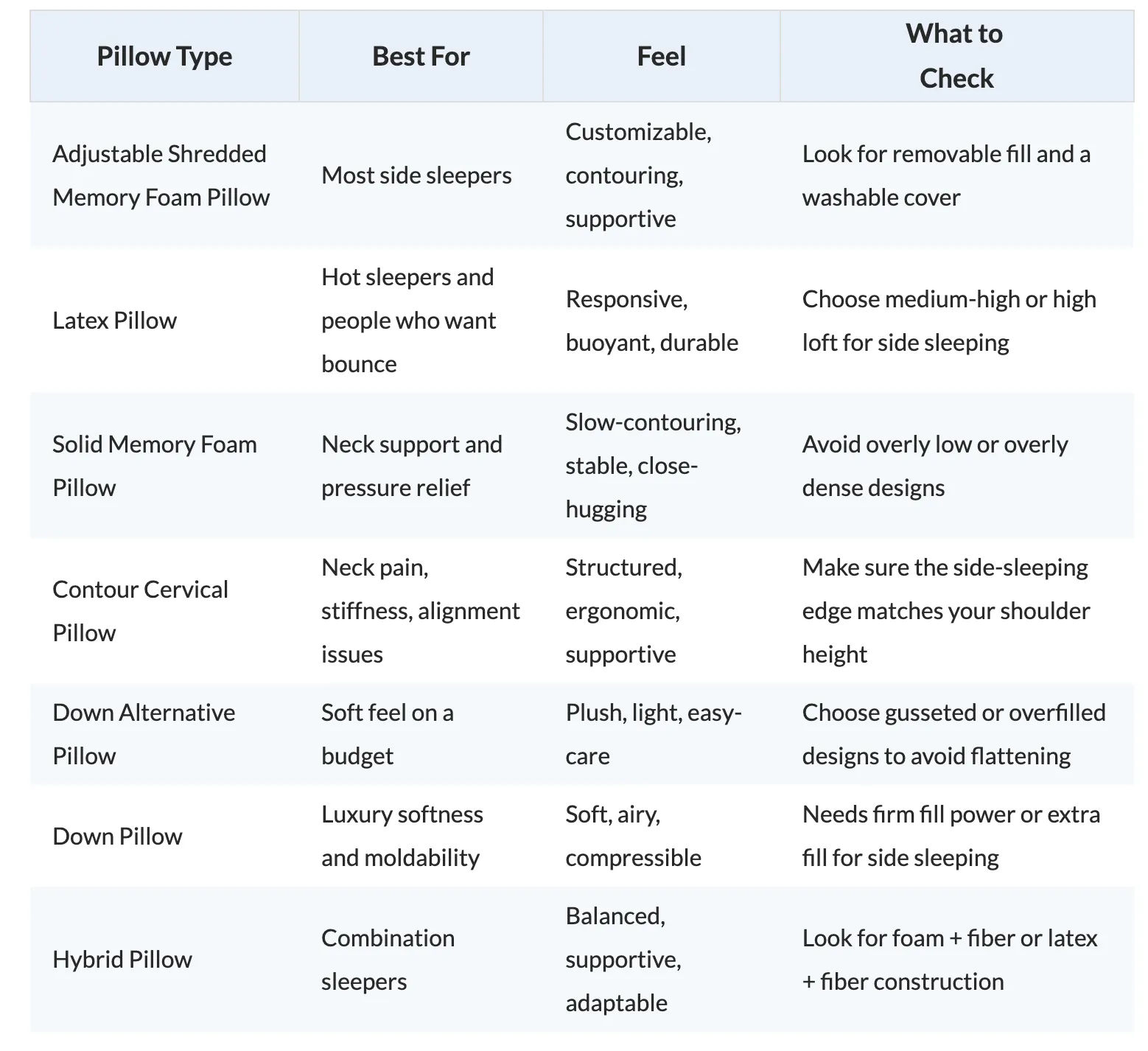
Best Pillow Types for Side Sleepers
Side Sleeper Pillow Buying Checklist
✔️ Choose This:
| ✘ Avoid This:
|
Fit tip: When lying on your side, your nose, chin, and sternum should point straight ahead. If your head tilts toward the mattress, the pillow is too low. If your head tilts toward the ceiling, the pillow is too high.
Our Favourite Pillows for Side Sleepers:
1. Best Overall: Eli & Elm Side Sleeper Pillow
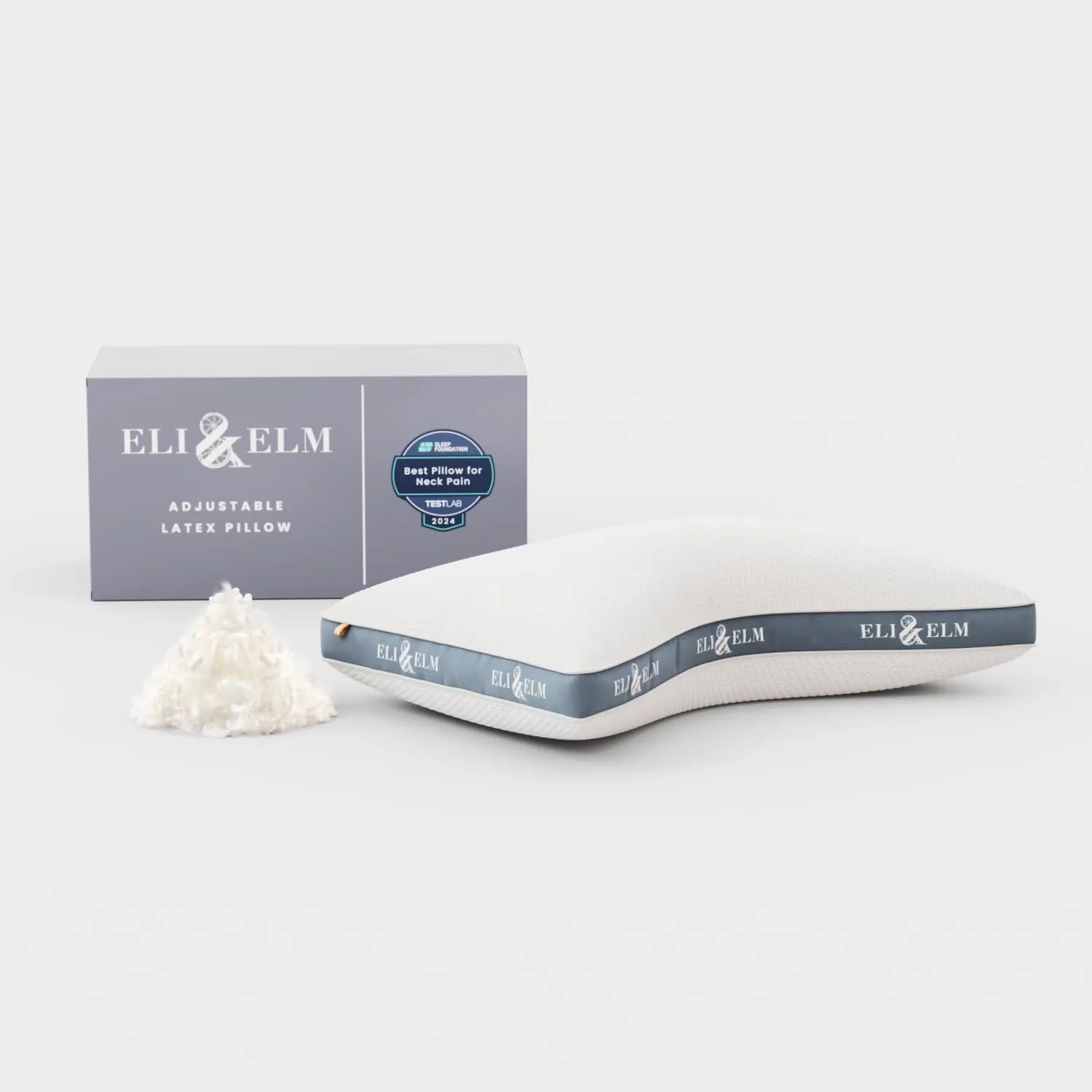 |
Why this works:
🅘 Neck pain is almost always an alignment problem, not a softness problem. |
2. Best Cutout: Avana Contoured Bed Wedge Support Pillow
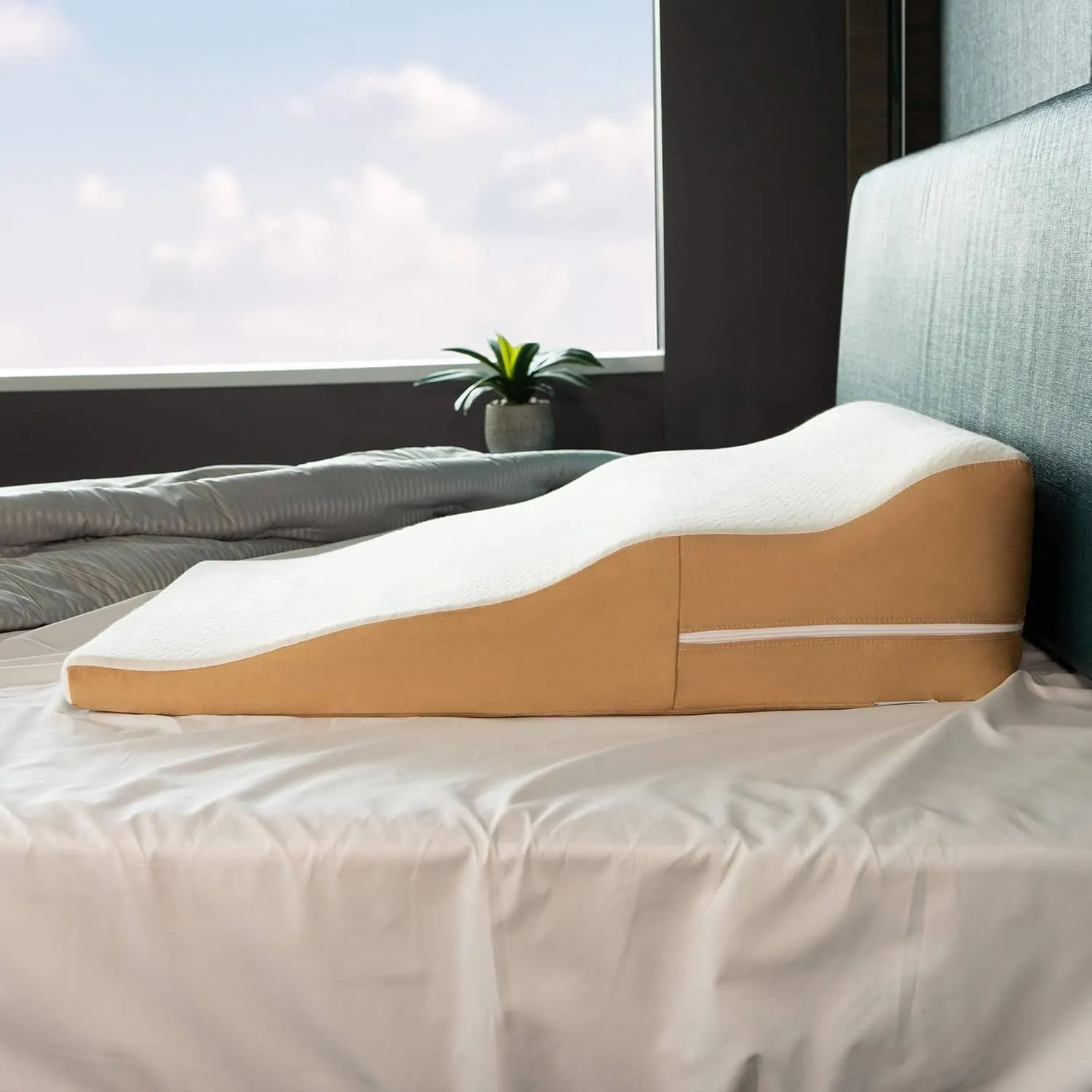 |
Cutout design reduces shoulder pressure and supports side sleeping alignment. Why this works:
|
3. Best Firm Latex: Coop Adjustable Talalay Latex Pillow
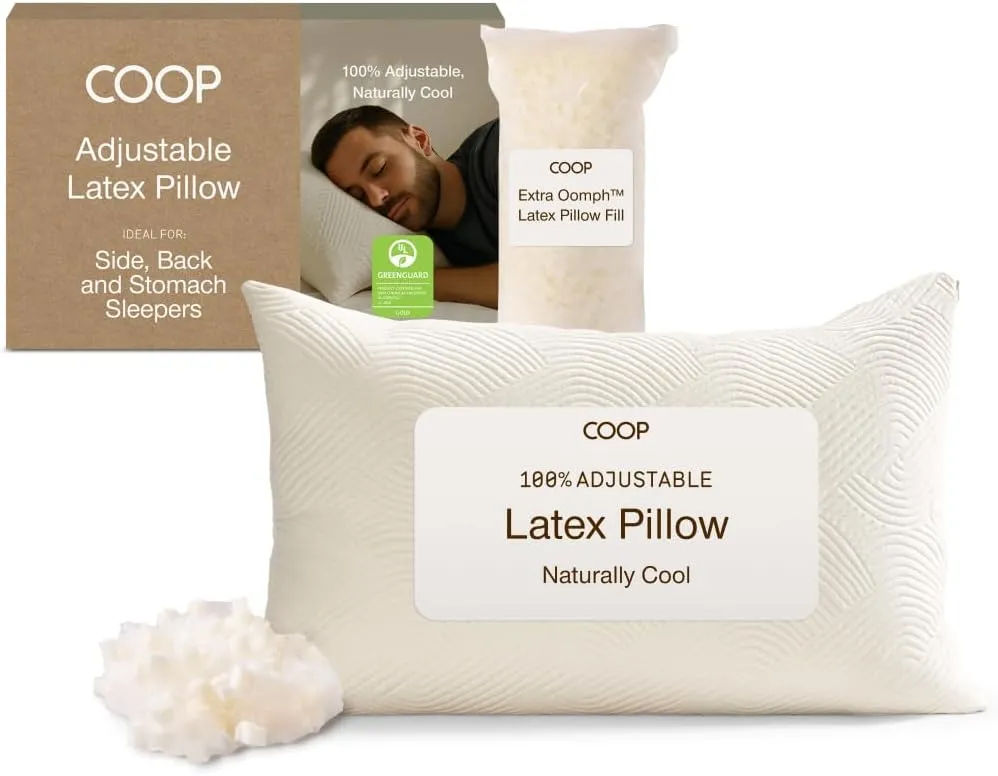 |
Responsive latex pillow that holds its shape and prevents head sink. Why this works:
🅘 If your pillow “feels good at first but flattens,” this fixes it. |
4. Best Cooling Technology: Tempur-Pedic TEMPUR-Cloud Dual Cooling Pillow
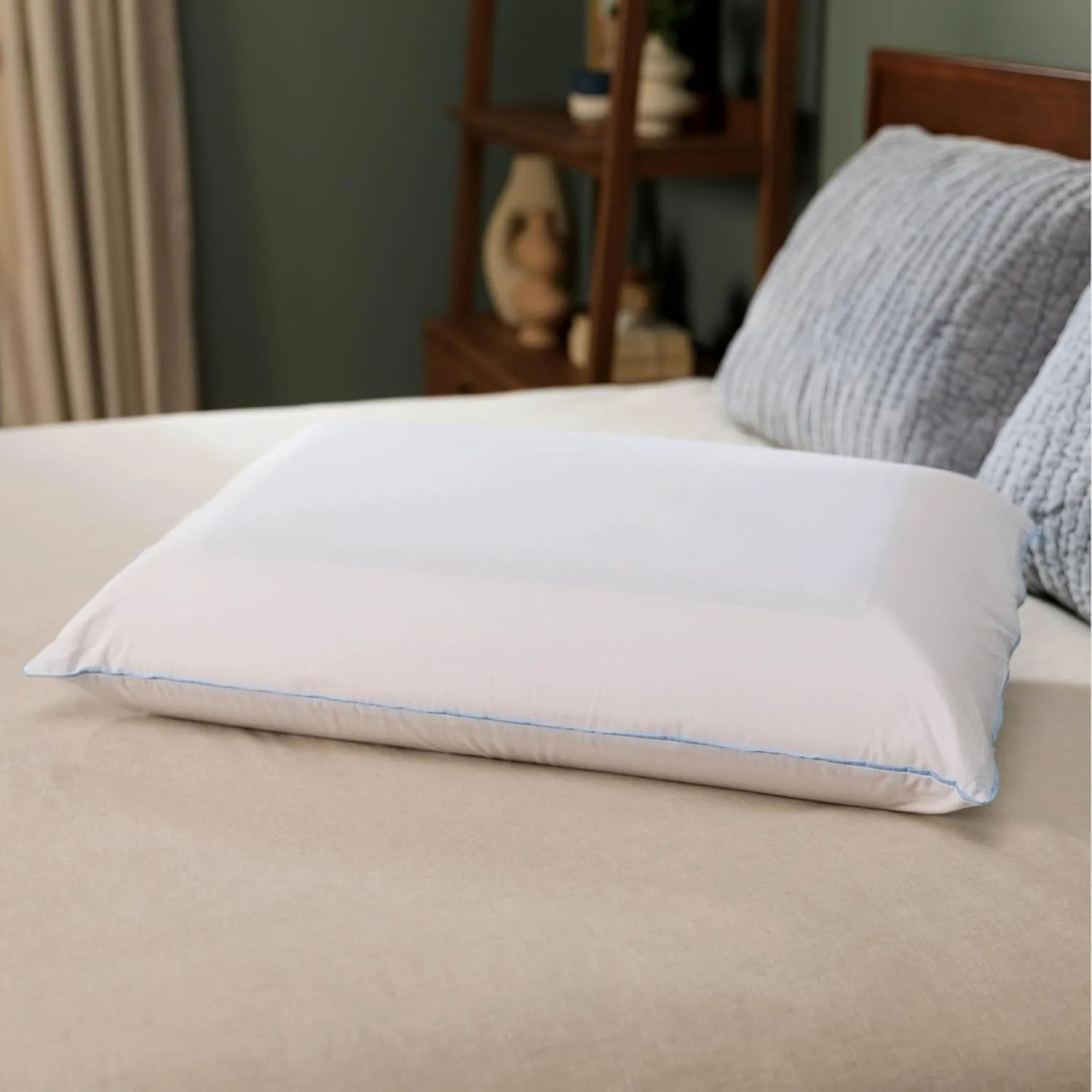 |
Premium memory foam pillow with dual-sided cooling gel layers for consistent cool-to-touch feel. Why this works:
⬌ Tradeoff: still memory foam underneath → not as breathable as latex, but much cooler than standard foam |
5. Best Adjustable Shredded Fill: EverSnug Adjustable Layer Pillow Set
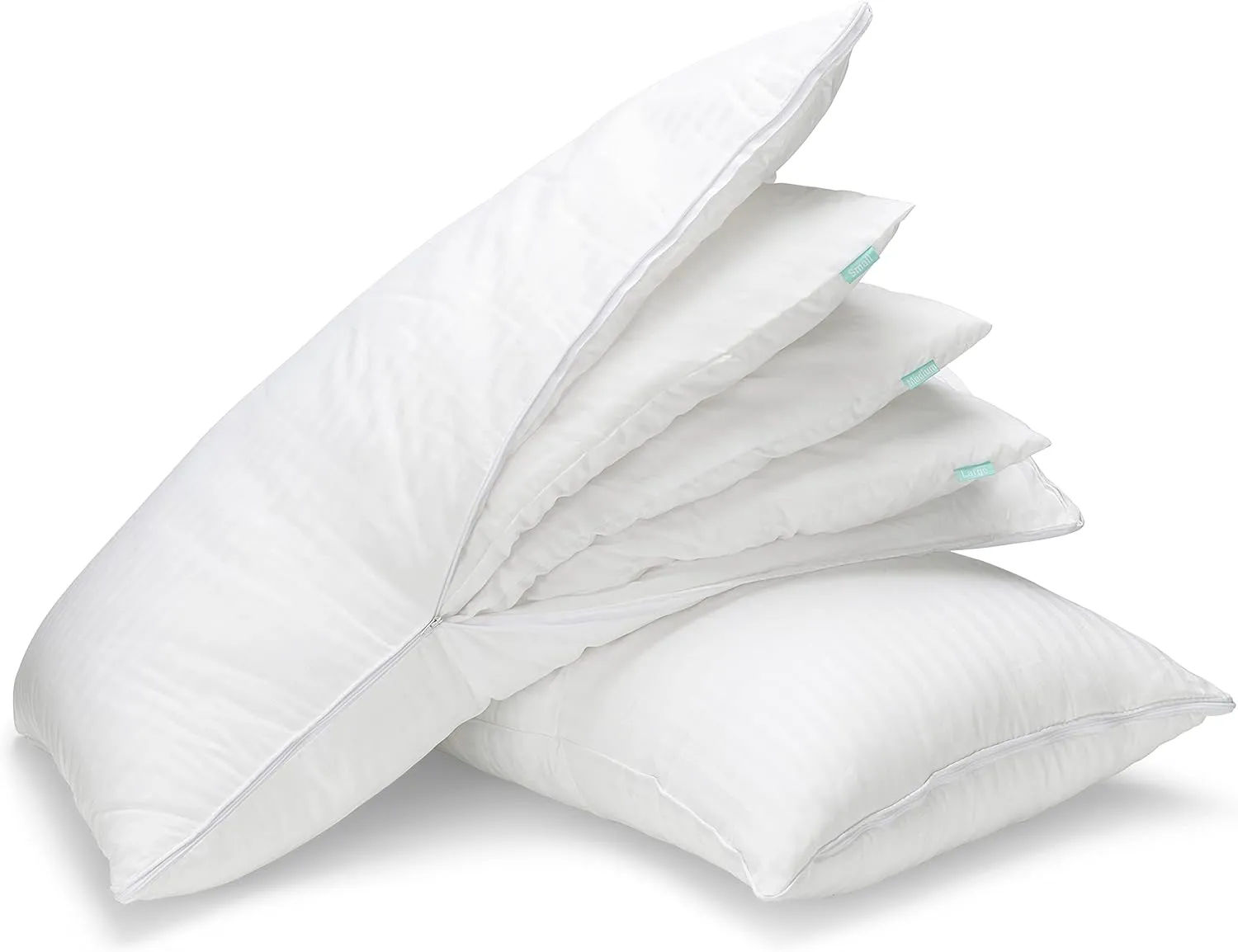 |
Customizable pillow with removable layers for dialing in ideal loft. Why this works:
🅘 This is the safest “no-regret” option. |
6. Best Balance Feel: Tempur-Pedic TEMPUR-Cloud Pillow
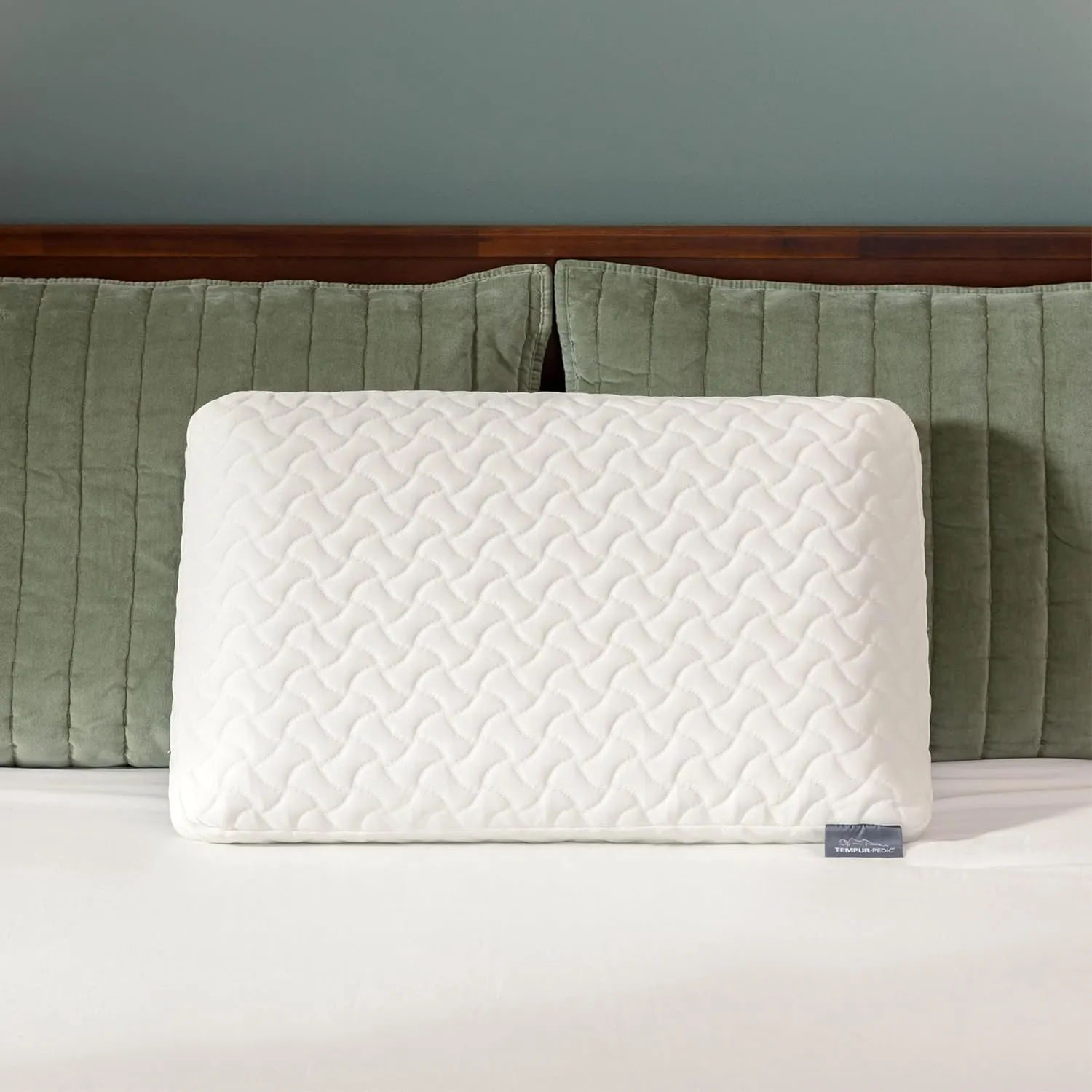 |
Soft, contouring memory foam pillow that combines plush feel with structured support. Why this works:
🅘 Reality: this leans softer than true hybrids, but delivers that “hotel soft + supportive core” feel |
7. Best Medium Loft Adjustable: Zephyr 2.0 3-in-1 Pillow
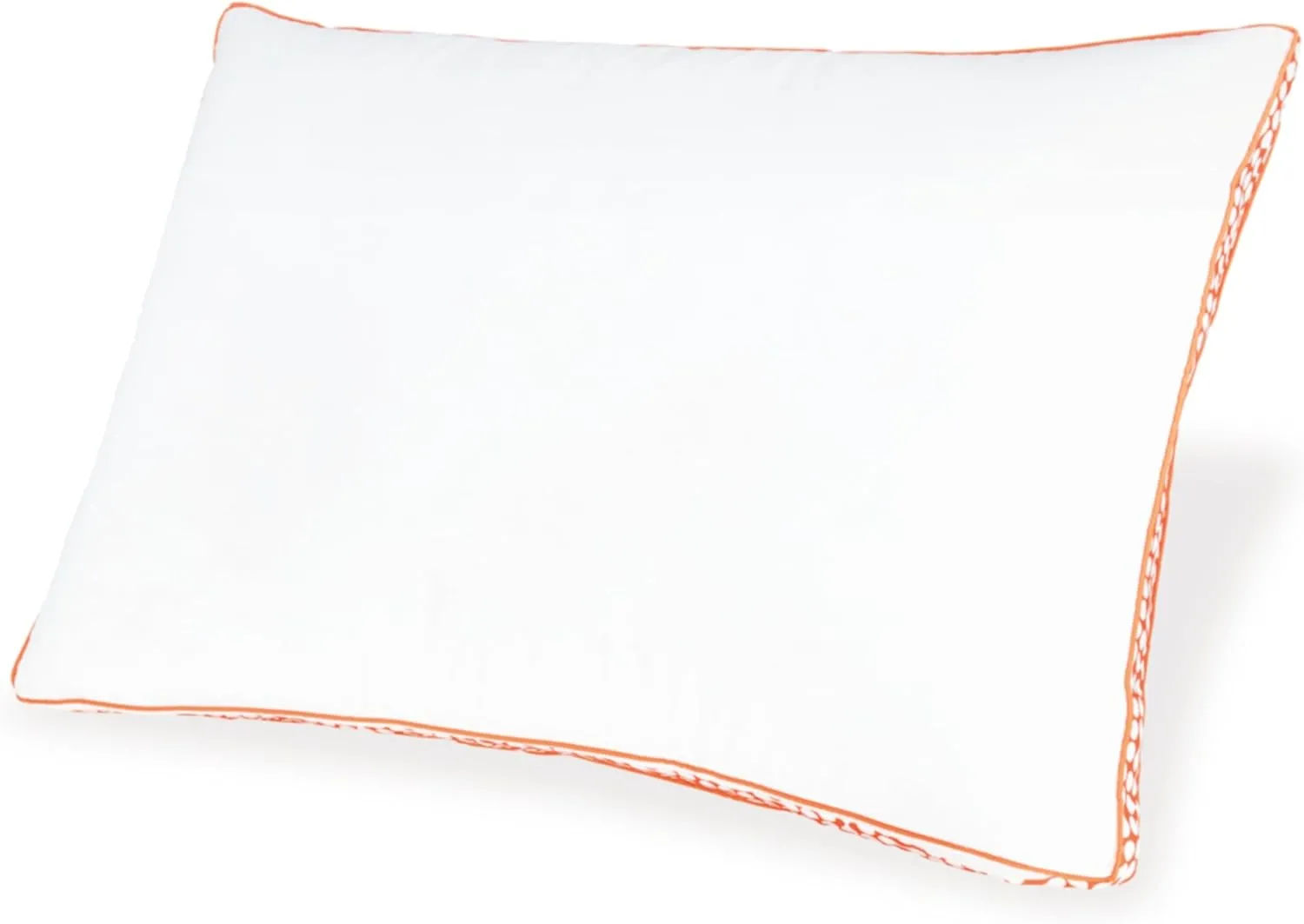 |
Convertible pillow with adjustable height configurations for combo sleepers. Why this works:
|
8. Best natural pick: Avocado Green Pillow (Latex + Kapok)
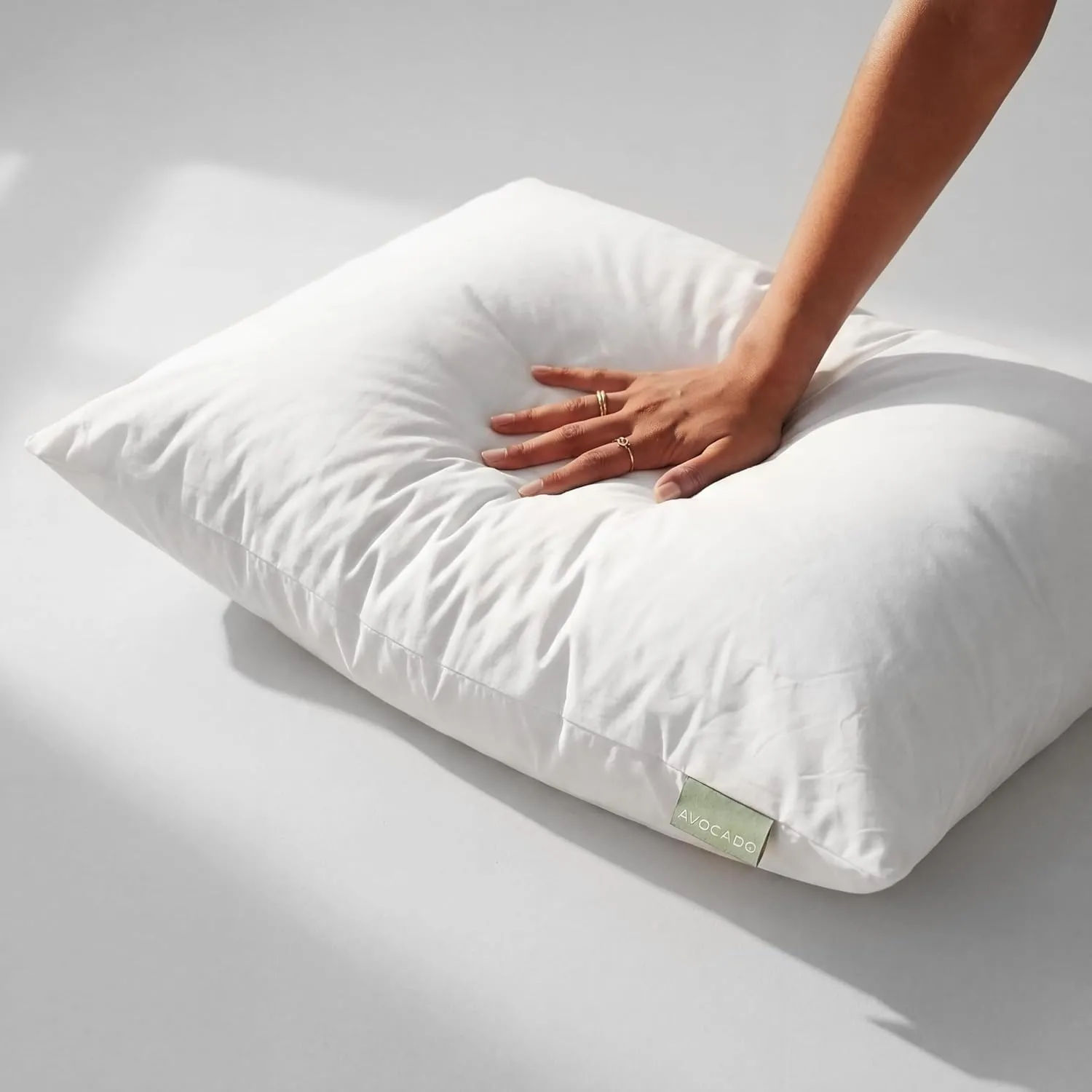 |
Organic pillow with breathable latex and kapok fibers for natural support and airflow. Why this works:
|
How to Choose Pillow Material:
When choosing a pillow material, it helps to think in terms of support, feel, and what kind of sleeper it suits. Shredded memory foam is a high-support option with an adjustable, contouring feel, making it one of the best all-around choices for side sleepers. Solid memory foam also offers high support, but with a more stable, close-contouring feel that’s especially good for neck support and reducing pillow shifting. Latex provides high support as well, but feels more responsive and springy, with better breathability—ideal if you tend to sleep hot or want something durable.
Other materials offer a softer or more budget-friendly experience:
- Down alternative has medium support with a soft, plush feel, and is a good pick if you want something washable and allergy-friendly
- Down ranges from low to medium support, with a soft, luxurious, and highly compressible feel for those who like moldable pillows
- Kapok blends sit in the middle, offering a fluffy, airy, plant-based option for those who prefer natural fills with some softness
- Polyester fiberfill is low to medium support, light and affordable, making it practical for guest rooms or short-term use
Overall, higher-support materials like memory foam and latex tend to work better for side sleepers, while softer fills are more about comfort preference than structured support.
Side Sleeper Pillow Red Flags
- The pillow is too flat. A flat pillow lets your head drop toward the mattress and can strain the side of the neck.
- The pillow is too tall. Extra-high loft can push the head upward, especially for people with narrow shoulders or soft mattresses.
- It collapses overnight. If the pillow feels supportive at bedtime but flat by morning, it is not supportive enough for side sleeping.
- It creates ear or jaw pressure. Side sleepers need support, but the surface should still have enough pressure relief to avoid soreness.
- It traps heat. Dense foam without ventilation or a breathable cover may feel warm around the head and neck.
- It has no return policy. Pillow fit is personal. A side sleeper pillow should ideally come with a trial period or simple return option.
Best Pillow Setup for Side Sleepers
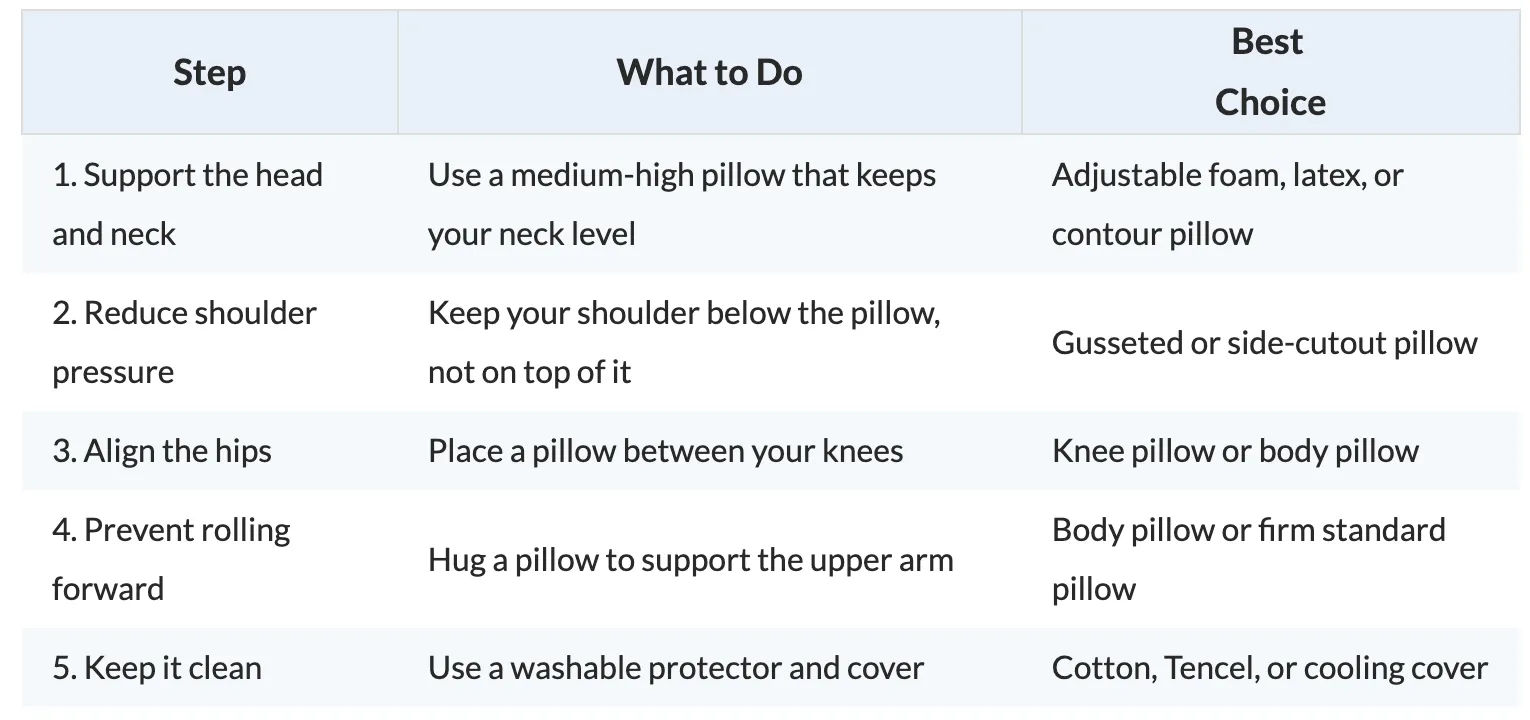
Sleep-smart tip: Side sleepers often need more than one pillow. The main pillow supports the neck, while a knee pillow or body pillow helps keep the hips, shoulders, and spine from twisting.
How to Test a Side Sleeper Pillow at Home
When evaluating your pillow, there are a few simple checks to keep in mind. Start with the neck line test—your neck should look straight from shoulder to ear, which suggests the pillow height is likely correct. Then consider the morning pain test: if you wake up without new neck, jaw, ear, or shoulder soreness, the pillow is providing balanced support.
Key things to look for include:
- The pillow keeps its height after several hours (compression test), meaning the fill is supportive enough
- You’re not constantly flipping the pillow to find a cooler side (heat test), which suggests good breathability
- You can stay comfortably on your side without twisting forward (position test), showing your setup supports proper alignment
Taken together, these signs help confirm whether your pillow is actually supporting you through the night rather than just feeling comfortable at first.
| Fit tip: Test a pillow for several nights, not just a few minutes. A pillow can feel comfortable at first, but still fail if it loses height or pushes your neck out of alignment during deeper sleep. |
FAQs
What pillow height is best for side sleepers?
Most side sleepers need a medium-high to high-loft pillow. The exact height depends on shoulder width, body size, and mattress firmness. Broad shoulders and firm mattresses usually require more loft, while narrow shoulders and soft mattresses usually need less.
Should side sleepers use a firm or soft pillow?
Side sleepers usually do best with a medium-firm to firm pillow. The pillow should be supportive enough to hold the head level, but not so hard that it causes pressure around the ear, jaw, or shoulder.
Are memory foam pillows good for side sleepers?
Yes. Memory foam can be a strong choice for side sleepers because it contours around the head and neck while maintaining support. Shredded memory foam is especially useful because the loft can often be adjusted.
Are latex pillows better than memory foam for side sleepers?
Latex is better for sleepers who want bounce, airflow, and durability. Memory foam is better for sleepers who want deeper contouring and a slower, more cushioned feel. Both can work well if the loft and firmness are correct.
Do side sleepers need a contour pillow?
Not always. A contour pillow can help if you have neck stiffness or struggle to keep your head aligned, but a well-fitted adjustable or gusseted pillow can also work very well.
Why do I wake up with neck pain as a side sleeper?
Common causes include a pillow that is too low, too high, too soft, too firm, or flattened out. Neck pain can also come from shoulder pressure, a mattress that does not support your body, or twisting forward while sleeping.
Should side sleepers use a pillow between the knees?
Yes, many side sleepers benefit from a knee pillow or body pillow. It can reduce hip rotation and help keep the lower spine more neutral during sleep.
How often should side sleepers replace their pillow?
Replace your pillow when it loses support, becomes lumpy, stays flat after compression, or causes new neck or shoulder discomfort. Lower-quality fiber pillows may need replacement sooner than latex or high-density foam.
Bottom LineThe best pillow for side sleepers is supportive, medium-firm, properly lofted, pressure-relieving, and breathable. It should fill the space between your shoulder and head while keeping your neck aligned with the rest of your spine. For most people, an adjustable shredded foam pillow is the safest first choice because you can customize the height. For hot sleepers, latex or ventilated foam may be better. For neck pain, a contour or cervical pillow may provide more targeted support. |