Did you know that over 80 million men and women in the U.S. experience some form of hair loss? Learning how to choose an effective hair growth product—one that suits your unique needs—could save you years of stress and thinning. Below, we’ll reveal evidence-based solutions, dermatologist-endorsed tips, and emerging therapies you’ll want to know as we head into 2025.
Key Takeaways:
Hair growth is a gradual process influenced by genetics, lifestyle, and treatment methods. For personalized guidance or severe hair loss concerns, book a consultation with a board-certified dermatologist or trichologist. Share your progress or questions in the comments below to foster a community of support and knowledge. |
Jump Ahead to:
- Understanding Hair Growth
- Key Factors in Choosing a Hair Growth Product
- Emerging & Advanced Therapies
- How to Choose the Best Hair Growth Product Based on Age & Hair Needs
- Top Dermatologist-Recommended Hair Growth Products
- Application Techniques & Best Practices
- Common Mistakes to Avoid
- Frequently Asked Questions (FAQs)
- Conclusion & Call-to-Action
- References & Resources
Understanding Hair Growth
The Hair Growth Cycle
Hair grows in three primary stages:
- Anagen (Growth Phase): Lasts 2–7 years and determines hair length.
- Catagen (Transition Phase): A short 2–3-week period where the hair follicle begins to shrink.
- Telogen (Resting Phase): Lasts around 2–4 months before the hair sheds and a new cycle starts.
When the anagen phase shortens or when excessive hairs enter the telogen phase, thinning and noticeable hair loss can occur.
Common Causes of Hair Loss
- Genetics: Hereditary hair loss (androgenic alopecia) is common in both men and women.
- Hormonal Changes: Thyroid imbalances, postpartum hair shedding, menopause.
- Nutritional Deficiencies: Low iron, zinc, or vitamin D can weaken follicles.
- Scalp Conditions: Dandruff, seborrheic dermatitis, psoriasis.
- Lifestyle Factors: High stress, harsh styling practices, and poor diet can accelerate hair shedding.
| Derm Tip: If you notice sudden, patchy, or excessive hair loss, consult a board-certified dermatologist or trichologist to rule out underlying medical conditions (e.g., alopecia areata or severe nutritional deficiencies). |
Key Factors in Choosing a Hair Growth Product
Proven Active Ingredients
- Minoxidil: FDA-approved, available over-the-counter in strengths up to 5%. Increases blood flow to hair follicles and prolongs the anagen phase.
- Finasteride (Prescription Only): Blocks DHT (which can shrink hair follicles). Commonly prescribed for men but sometimes used off-label for women.
- Saw Palmetto: May offer mild DHT-blocking effects.
- Biotin: Helps strengthen keratin infrastructure, especially if you have a confirmed biotin deficiency.
- Collagen Peptides: May support scalp health and hair strength, although more research is needed.
Scalp-Friendly Formulations
- Gentle Cleansing Agents: Avoid harsh sulfates (like SLS) that irritate the scalp.
- Anti-inflammatory Ingredients: Aloe vera, tea tree oil, or salicylic acid to soothe inflammation.
- pH-Balanced: Maintains the scalp’s natural barrier, critical for healthy follicle function.
Nutrient Support
- Vitamins & Minerals: Products enriched with zinc, iron, vitamin D, or B-complex vitamins.
- Proteins & Peptides: Reinforce the hair shaft, improving resilience to breakage.
Non-Comedogenic or Non-Irritating
Why It Matters: Heavy oils or pore-clogging substances can build up on the scalp, leading to follicle blockage and reduced hair growth. If you have an oily scalp or fine hair, opt for lightweight serums that won’t weigh down your roots.
Emerging & Advanced Therapies
Looking to the future, several therapies and innovations are gaining traction:
- Platelet-Rich Plasma (PRP) Therapy: Concentrated platelets injected into the scalp to stimulate follicle growth.
- Low-Level Laser Therapy (LLLT): Handheld or in-office devices using light energy to boost circulation and reduce inflammation.
- Exosomes & Stem Cell Research: Early-stage research exploring how growth factors can revive dormant follicles.
- Microneedling: Often combined with topical solutions (like minoxidil) to enhance absorption and stimulate collagen in the scalp.
How to Choose the Best Hair Growth Product Based on Age & Hair Needs
Much like skin, hair also evolves with each decade. Here’s a breakdown of what to consider:
20s and 30s
- Focus: Early prevention. Genetics and stress are common culprits.
- Key Ingredients: Mild minoxidil formulas, biotin supplements, scalp-friendly cleansers.
- Pro Tip: Cultivate good habits early—gentle styling, stress management, and balanced nutrition can stave off premature thinning.
40s and 50s
- Focus: Address hormonal shifts. Perimenopause and menopause can trigger dryness and shedding.
- Key Ingredients: DHT blockers (finasteride for men, saw palmetto for some women), nutrient-rich supplements (iron, vitamin D), collagen peptides.
- Pro Tip: Consider a multi-targeted approach—topical treatments plus supportive supplements and possibly prescription therapies if hair loss is significant.
60s and Beyond
- Focus: Maintain scalp health and combat advanced thinning.
- Key Ingredients: Prescription solutions (under medical supervision), hydrating oils or serums, anti-inflammatory botanicals.
- Pro Tip: Thinning hair may also be more fragile, so seek out gentle formulas and scalp treatments that increase circulation and reduce inflammation.
| Note: While in many hair loss cases, the hair regrows once the underlying condition is resolved, using the right hair growth supplement or topical treatment can help accelerate the process. |
Disclaimer: This article is for informational purposes only and does not replace professional medical advice—always consult a licensed healthcare provider for personalized diagnosis and treatment. It also contains affiliate links, meaning we may earn a small commission at no extra cost to you if you make a purchase through these links.
Best Dermatologist-Recommended Hair Growth Products
Below are U.S.-market favorites often cited by dermatologists and hair care professionals. Always patch-test before full application.
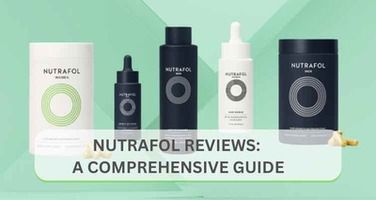
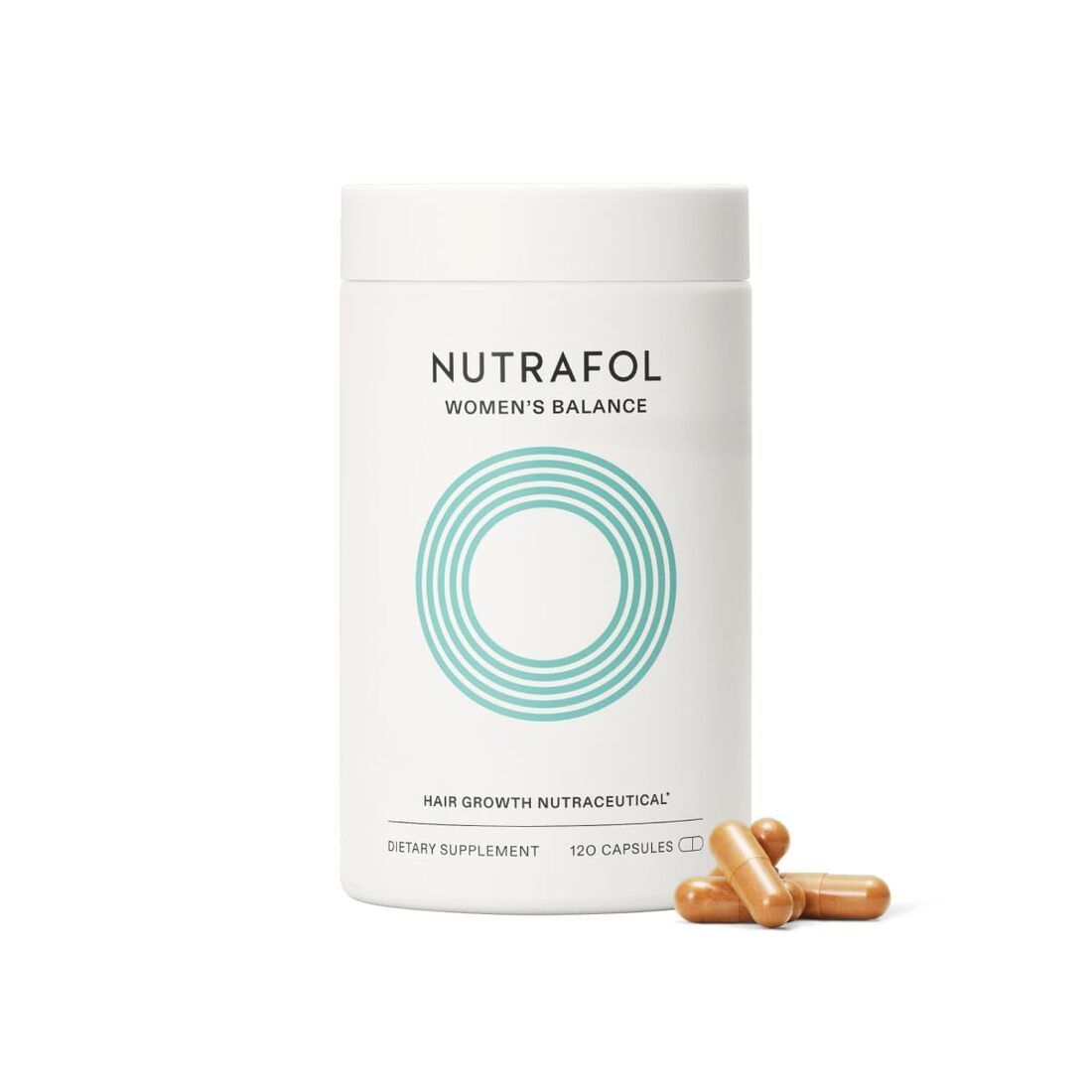
- Nutrafol Supplements
 |
|
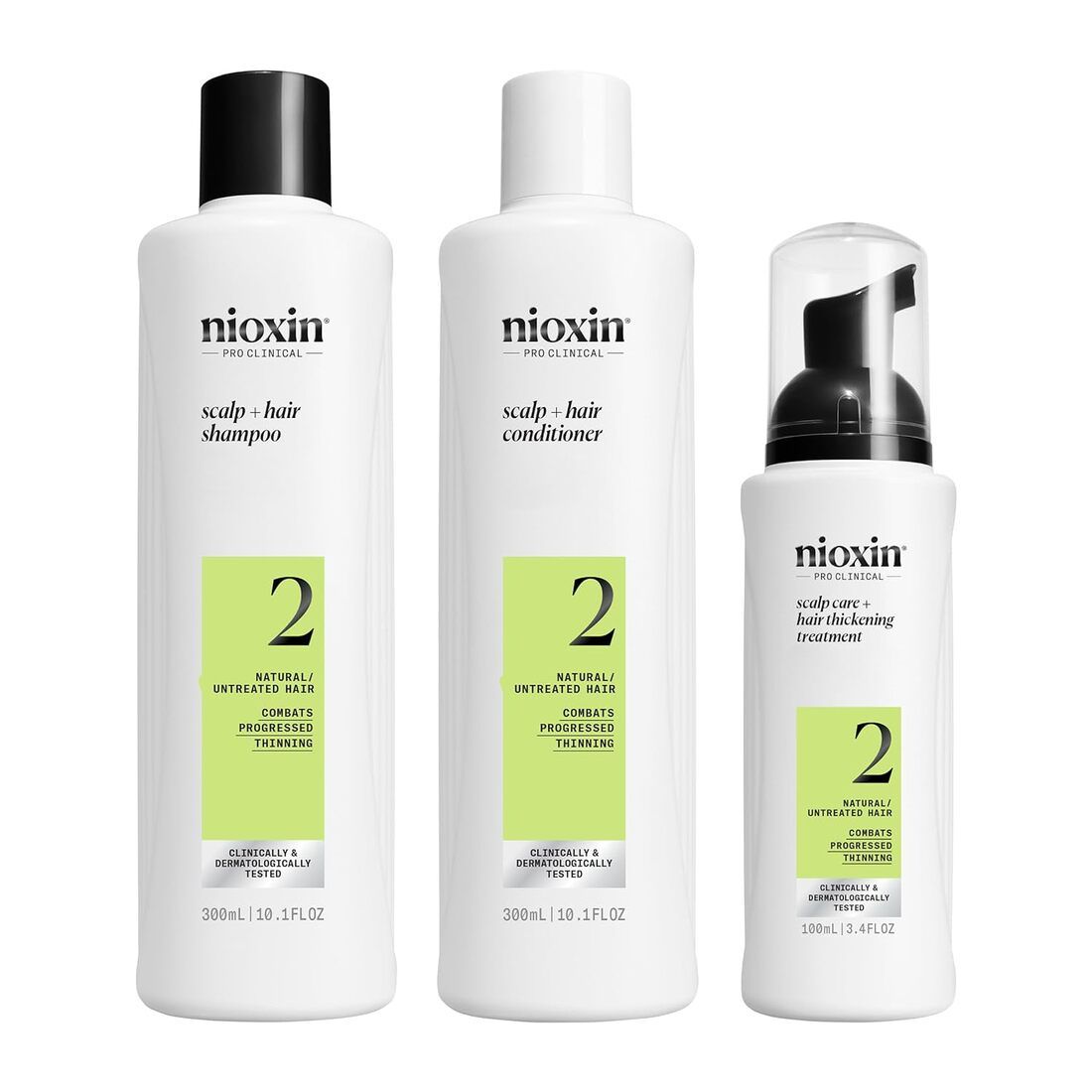
- Nioxin Hair System Kits
 |
|
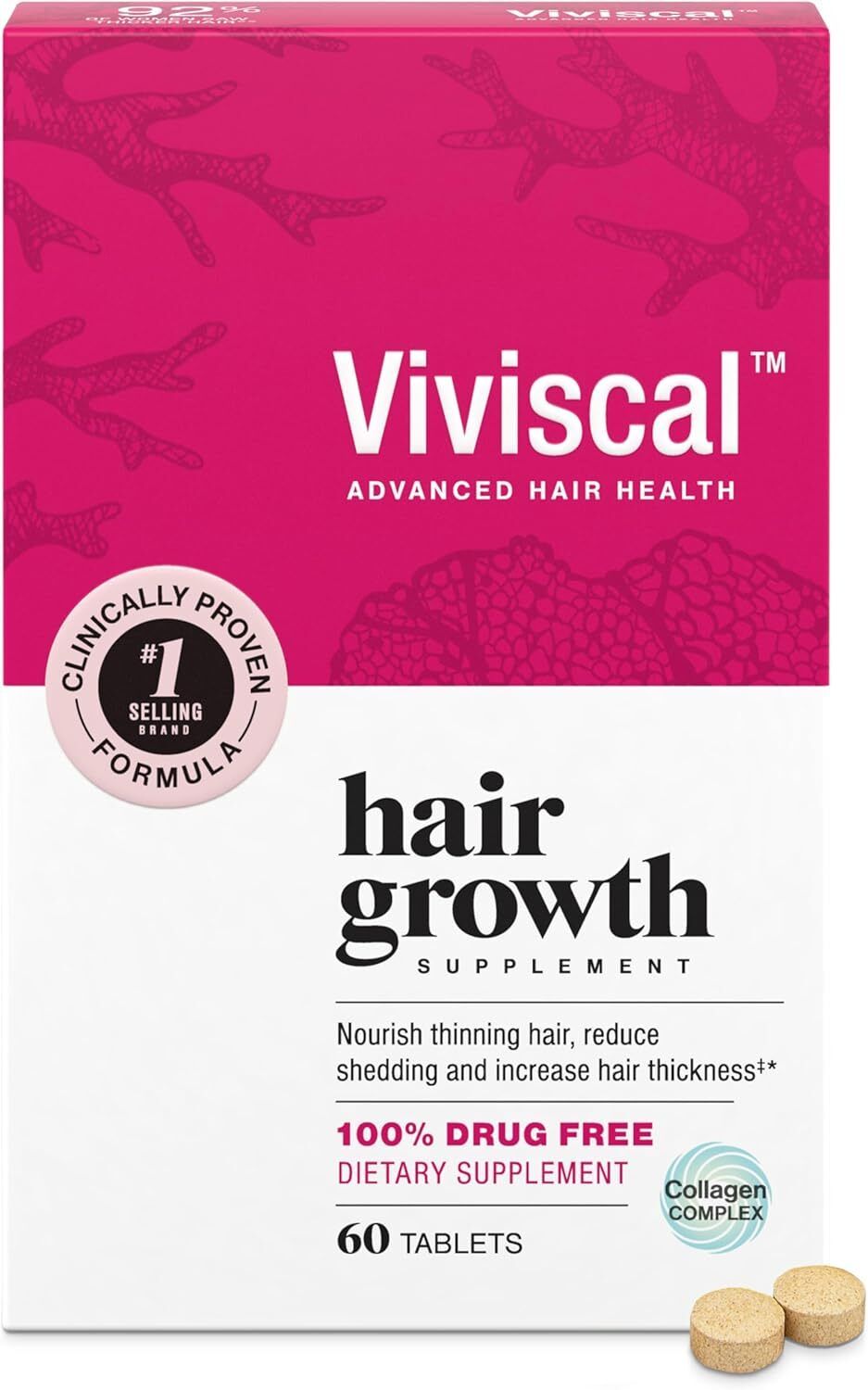
- Viviscal Extra Strength Supplements
 |
|
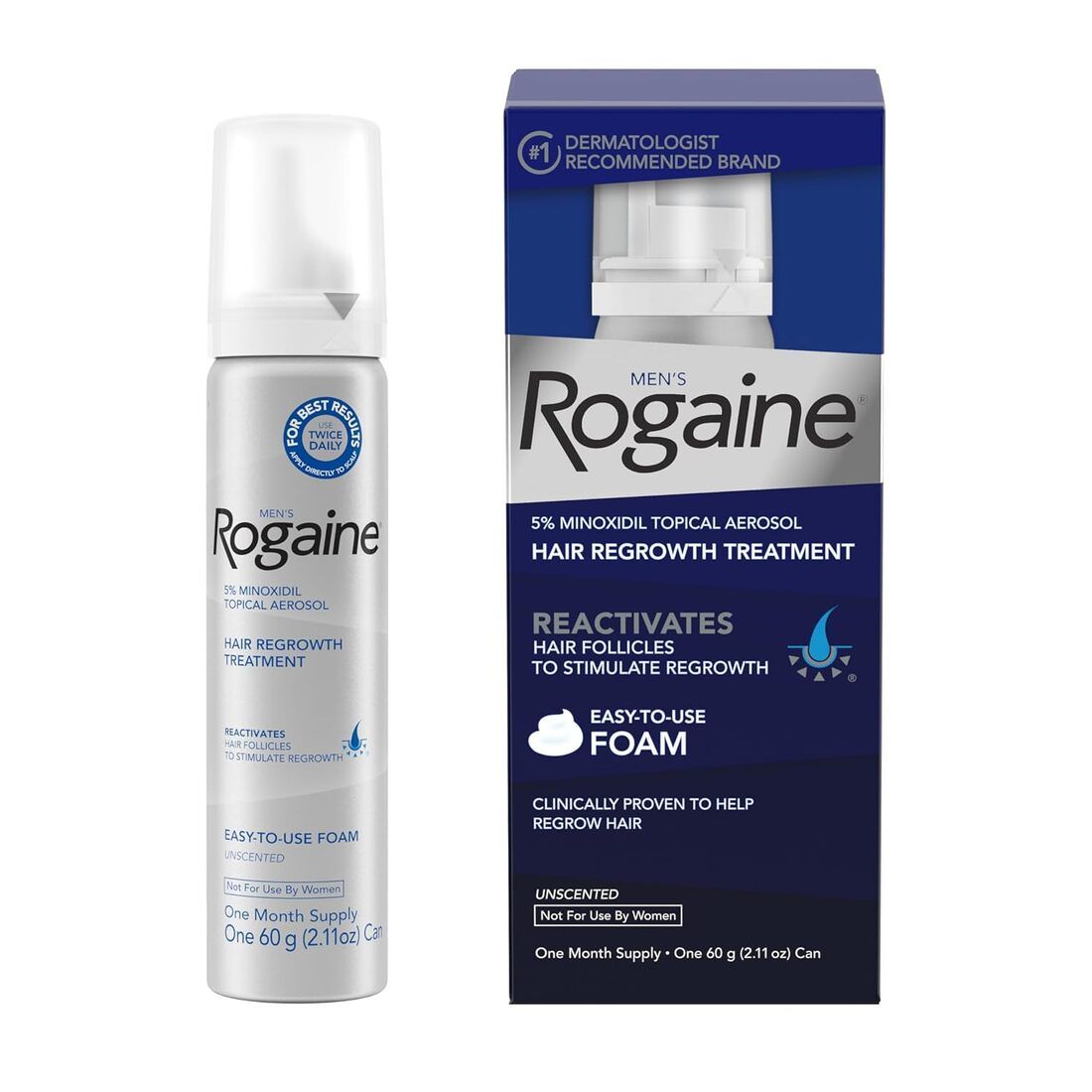
- Rogaine (Minoxidil Foam or Solution)
 |
|
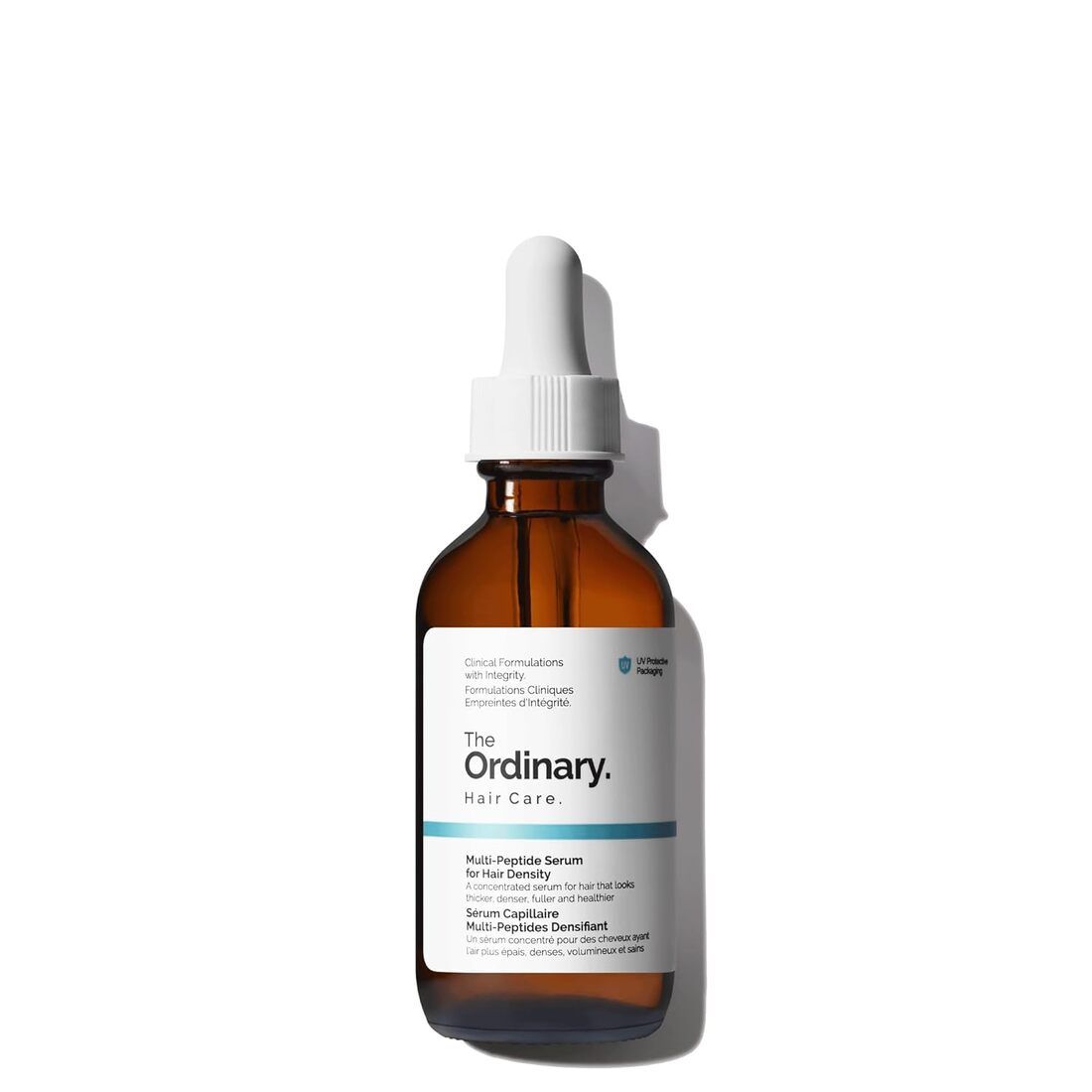
- The Ordinary Multi-Peptide Serum for Hair Density
 |
|
Related: 9 Best Hair Growth Products in 2025
Below is a quick comparison table showcasing popular, dermatologist-cited products. Always patch-test before full application.
| Product Name | Key Ingredient(s) | Pros | Ideal For | Price Range |
|---|---|---|---|---|
| Rogaine (Minoxidil Foam or Solution) | Minoxidil (2% or 5%) | Only FDA-approved OTC for hair regrowth | Early signs of thinning & consistent daily use | $$ (Moderate) |
| Nutrafol Supplements | Botanicals, vitamins, DHT blockers | Targets multiple root causes (stress, hormones) | Holistic users & those wanting an inside-out approach | $$$ (Higher) |
| Nioxin Hair System Kits | Botanicals, vitamins, mild DHT blockers | Scalp-cleansing approach, multiple steps | Early thinning plus scalp buildup issues | $$ (Moderate) |
| Viviscal Extra Strength | Marine-based proteins (AminoMar), vitamins | Supported by clinical studies for some | Reducing hair shedding & strengthening hair shafts | $$ (Moderate) |
| The Ordinary Multi-Peptide Serum | Peptide complexes, caffeine | Lightweight, non-greasy formula | Mild thinning or preventive measure | $ (Budget) |
Note: Pricing symbols are approximate. Product availability and price points may vary over time and location.
Application Techniques & Best Practices
- Cleanse the Scalp First: Use a gentle, sulfate-free shampoo to remove dirt and excess oil. A clean scalp increases product penetration.
- Section Your Hair: Divide hair into manageable sections. Apply product directly to the scalp, massaging gently to boost circulation.
- Consistency Is Key: Most products (like minoxidil) require daily or twice-daily use for best results. Supplements typically need at least 3–6 months for visible changes.
- Combine with a Balanced Lifestyle: Adequate protein intake, stress management techniques (e.g., yoga, meditation), and scalp massages can enhance any hair-growth regimen.
Low-level laser therapy or microneedling can be adjunctive therapies—consult a professional for guidance.
Common Mistakes to Avoid
- Expecting Immediate Results: Hair grows only about 0.5 inches per month. Assess efficacy over 3–6 months before switching.
- Using Too Much or Too Little Product: Overuse can irritate the scalp; underuse lowers effectiveness. Follow label instructions.
- Skipping the Scalp: Applying products to the hair strands alone won’t help. Target the root area where follicles live.
- Neglecting Underlying Health Issues: Severe or sudden hair loss can signal medical conditions (thyroid disorders, autoimmune diseases). Always check with a specialist if symptoms persist.
- Overusing Styling Tools: Frequent high-heat styling (curling irons, flat irons) can weaken hair further. Opt for gentler methods.
Frequently Asked Questions (FAQs)
Q1. What Natural Ingredients Can Promote Hair Growth?
Many people swear by rosemary oil, coconut oil, or onion juice (rich in sulfur). While anecdotal evidence is plentiful, scientific backing varies. Always do a patch test to avoid irritation, and consult a dermatologist for targeted therapies.
Q2. Are Prescription Medications Worth Considering?
Yes. If over-the-counter options fall short, a dermatologist may suggest finasteride (oral medication for men) or spironolactone (for certain women). They can offer stronger results but may require ongoing medical oversight.
Q3. Can Supplements Alone Restore Hair?
Quality supplements (e.g., biotin, zinc, vitamin D) can support hair health but typically work best alongside topical treatments and lifestyle improvements. Severe hair loss often demands a multifaceted strategy.
Q4. Should I Use Hair Growth Products During Pregnancy?
Due to hormonal shifts, many physicians advise caution with certain actives like minoxidil. Consult a board-certified dermatologist or OB-GYN for safe, personalized advice.
Q5. How Long Until I See Results from Hair Growth Products?
Results vary, but most notice initial improvements around 3 months, with fuller changes taking 6–12 months. Patience and consistency are crucial.
Q6. Do I Need to Use These Products Indefinitely?
Often, yes. Discontinuation can lead to renewed hair loss, especially if an underlying condition remains unresolved. Speak with a dermatologist for a long-term management plan.
Q7. Can I Use Multiple Hair Growth Products Simultaneously?
It’s possible, but be cautious. Some ingredients may overlap or cause irritation. When in doubt, consult a professional.
Q8. Are Hair Growth Products Safe for Color-Treated Hair?
Most are, but confirm that the product is “safe for color-treated hair.” Harsh or stripping ingredients may fade color prematurely. Gentle, pH-balanced formulas are best.
References & Resources:
- American Academy of Dermatology (AAD) – Hair Loss & Treatment Guidelines
- Journal of the American Academy of Dermatology – Various peer-reviewed studies on minoxidil and scalp health
- Clinics in Dermatology – Research on hair loss causes, supplements, and topical treatments
- Brand-Specific Clinical Trials:
- Rogaine
- Nutrafol
- Viviscal
Disclaimer: The statements in this article are for informational purposes only and have not been evaluated by the Food and Drug Administration. This article is not intended to diagnose, treat, cure, or prevent any disease. Consult a healthcare practitioner before starting any supplement regimen, especially if pregnant, nursing, or have underlying medical conditions.
✔️ Expert Review and Fact-Checking
This article has been reviewed by a dermatologists, a trichologoist, or a hair expert from the Expert Hair Transplant Clinic in Istanbul, Türkiye.