Cool touch, less sweat, better sleep—without blasting the AC all night.
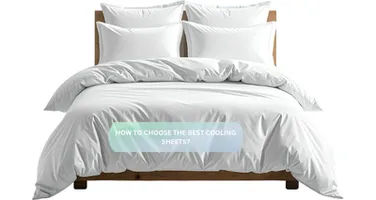
A good summer blanket should not feel cold for five seconds and then trap heat for eight hours. The best cooling blankets use breathable fibers, moisture-wicking yarns, lightweight construction, and sometimes phase-change cooling technology to help your body release heat while you sleep.
Quick Decision Guide
|
What Makes a Cooling Blanket “Summer-Safe”?
- Breathable fabric first. Choose cotton, linen, Tencel lyocell, bamboo-derived viscose, or lightweight wool over dense fleece, microfiber, or heavy polyester.
- Moisture-wicking matters. Hot sleepers need a blanket that pulls sweat away from skin and lets it evaporate instead of holding dampness.
- Low GSM or lightweight fill. For summer, look for thin blankets, open weaves, waffle textures, gauze cotton, or light comforters instead of thick quilted layers.
- Cooling technology can help. Phase-change materials such as Outlast, or mineral-based systems like 37.5, are designed to absorb, store, and release heat for more stable sleep temperature.
- Check certifications. OEKO-TEX STANDARD 100 means the textile has been tested for harmful substances. GOTS is stronger for finished organic textiles. CertiPUR-US matters if the blanket contains foam.
- Avoid vague “bamboo” claims. In the U.S., most soft “bamboo” bedding is usually rayon or viscose made from bamboo, not raw bamboo fiber. Look for accurate labeling.
Best Cooling Blankets
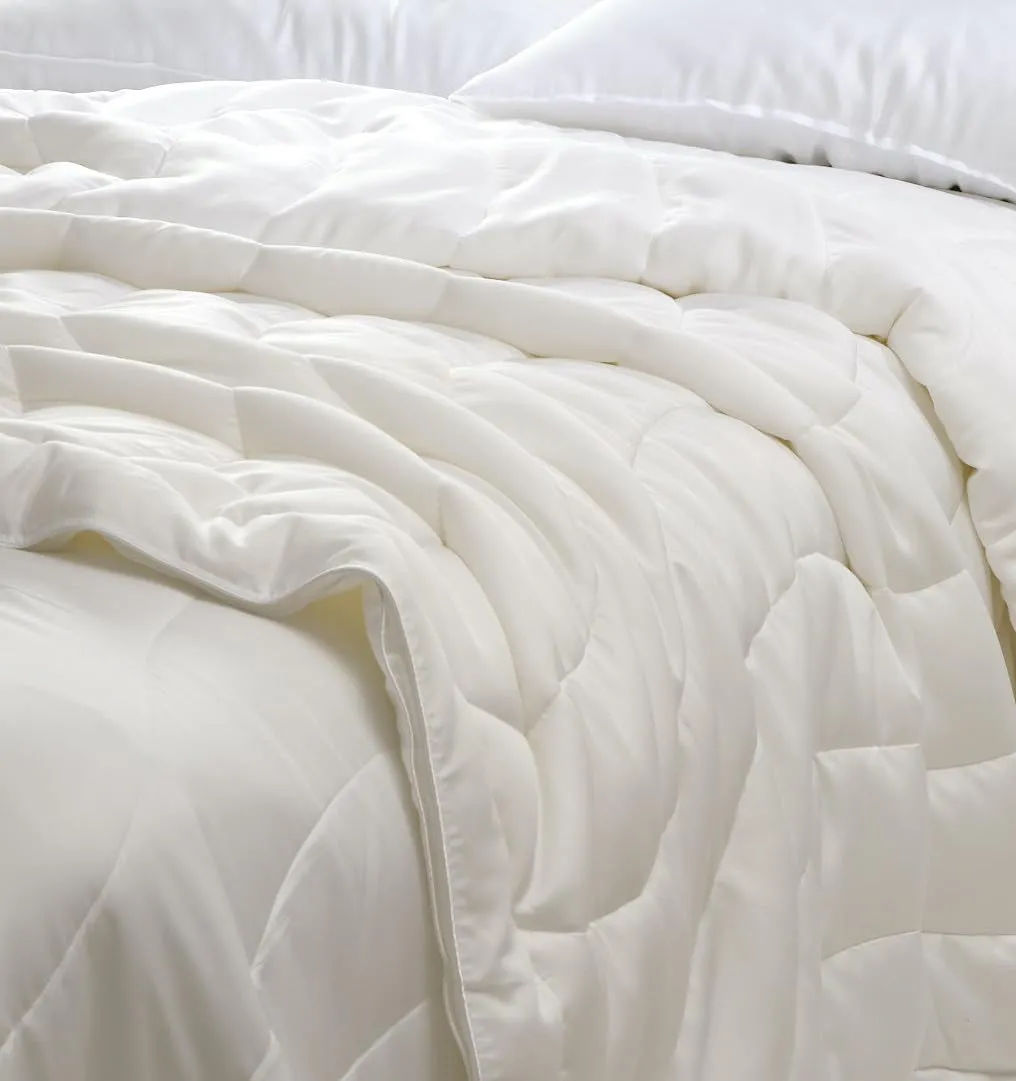
1. Best Overall: Buffy Breeze Comforter
 |
Why this works:
|
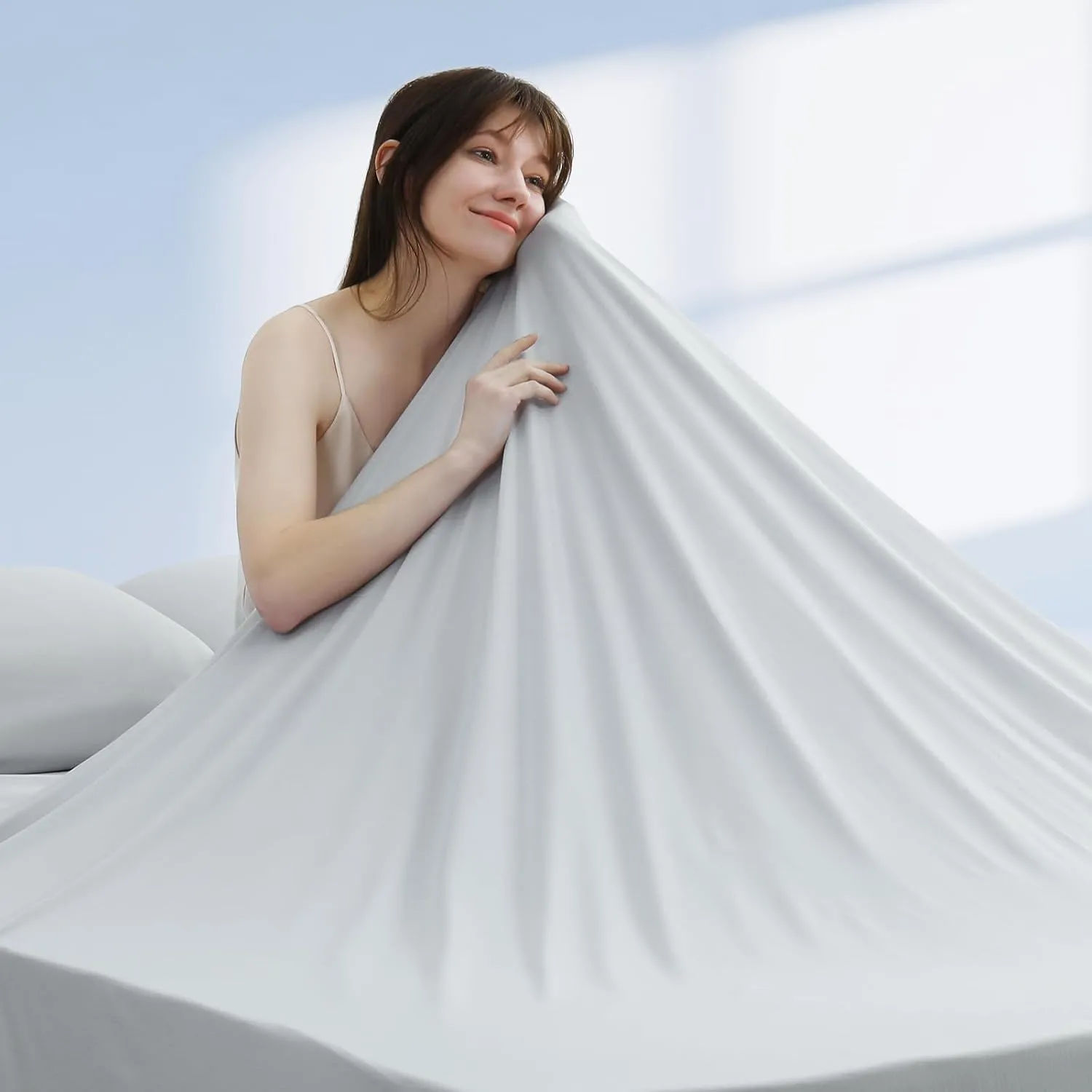
2. Elegear Arc-Chill Cooling Blanket
 |
Why this works:
|
3. Elegear Cooling Blanket Throw
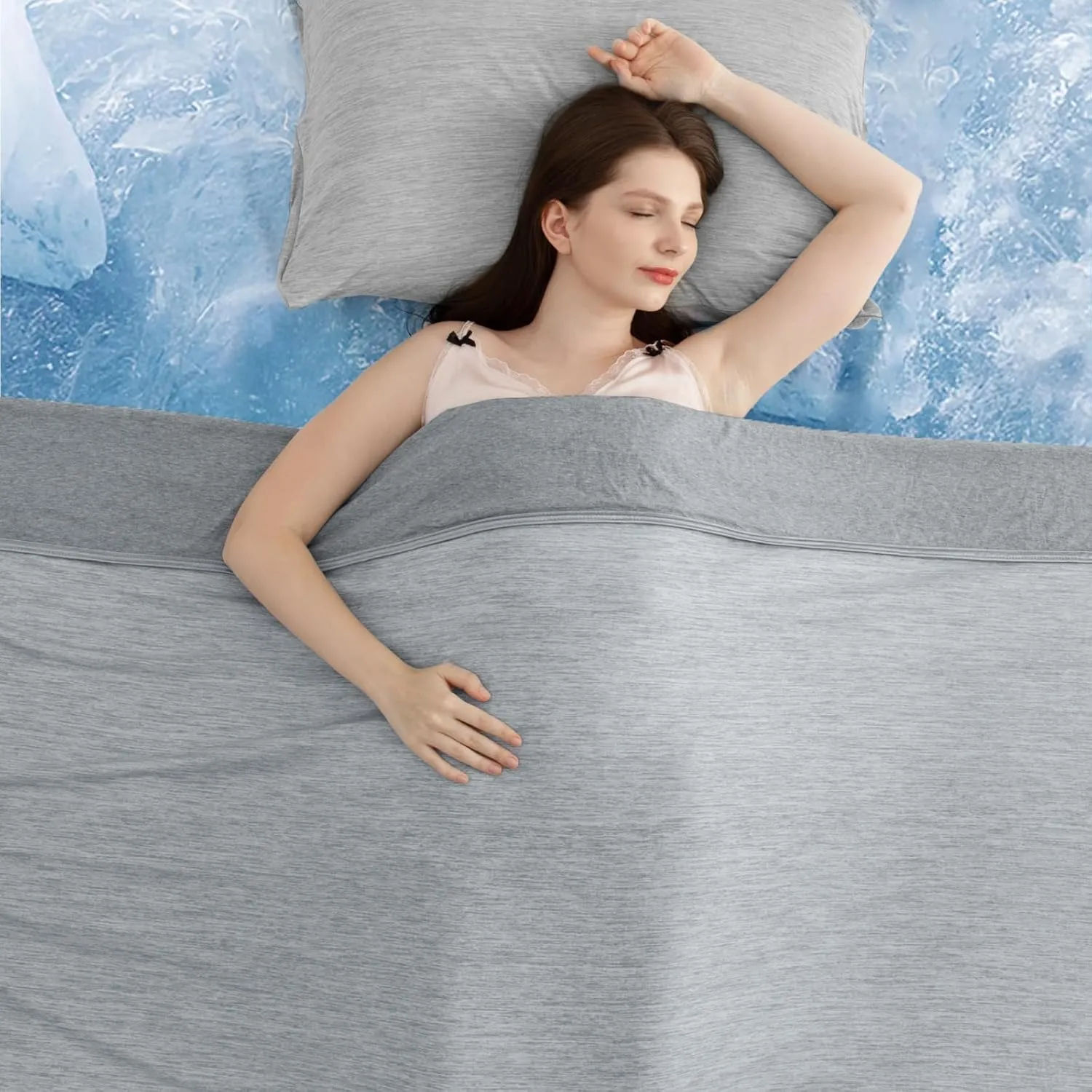 |
Why this works:
👉 Reality: budget “cooling” = decent airflow + lighter fabric, not magic cooling |
4. Bedsure Cooling Cotton Waffle Blanket
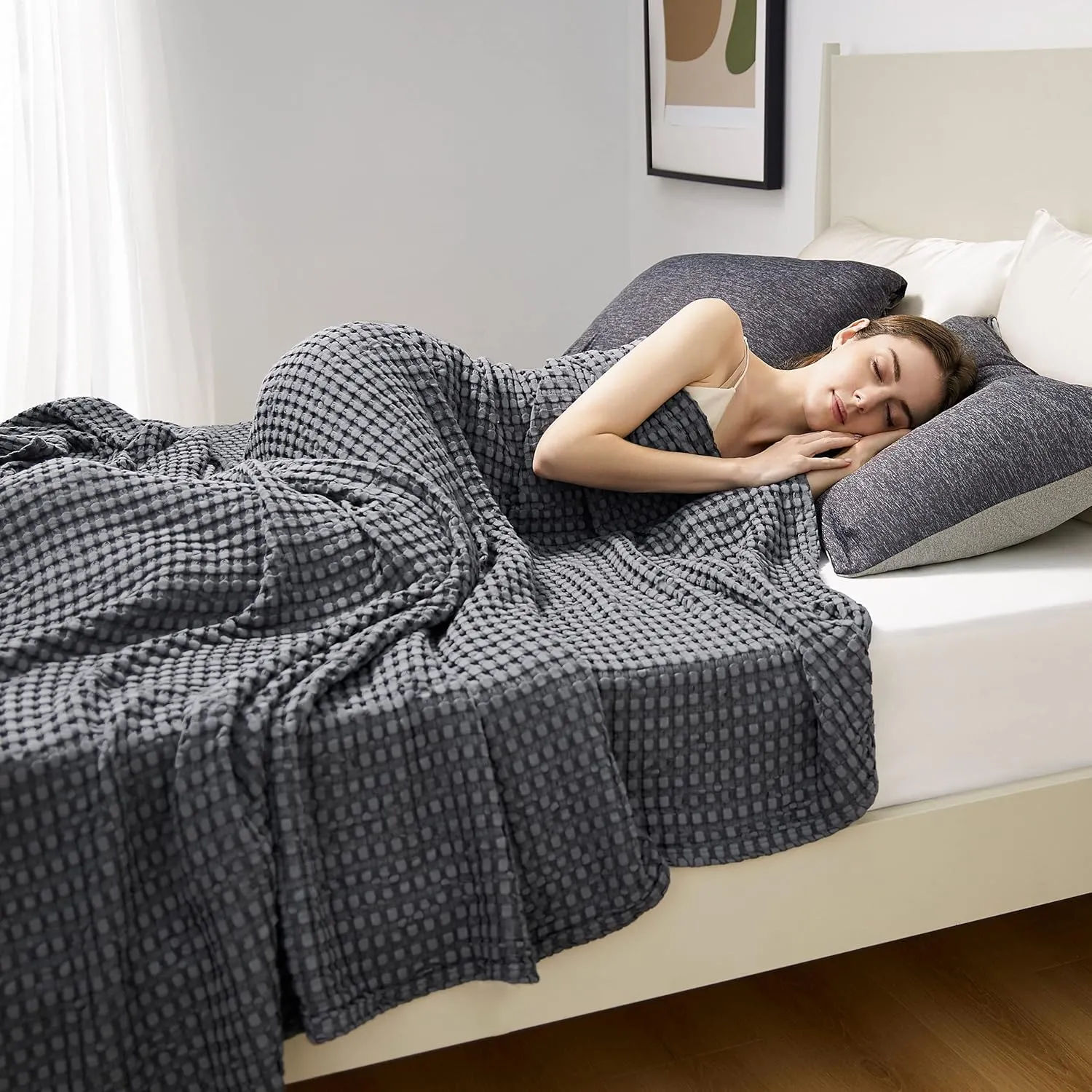 |
Why this is better:
👉 This is the baseline recommendation if you don’t want to overthink it. |
5. C&F Home Bamboo Cotton Waffle Throw Blanket
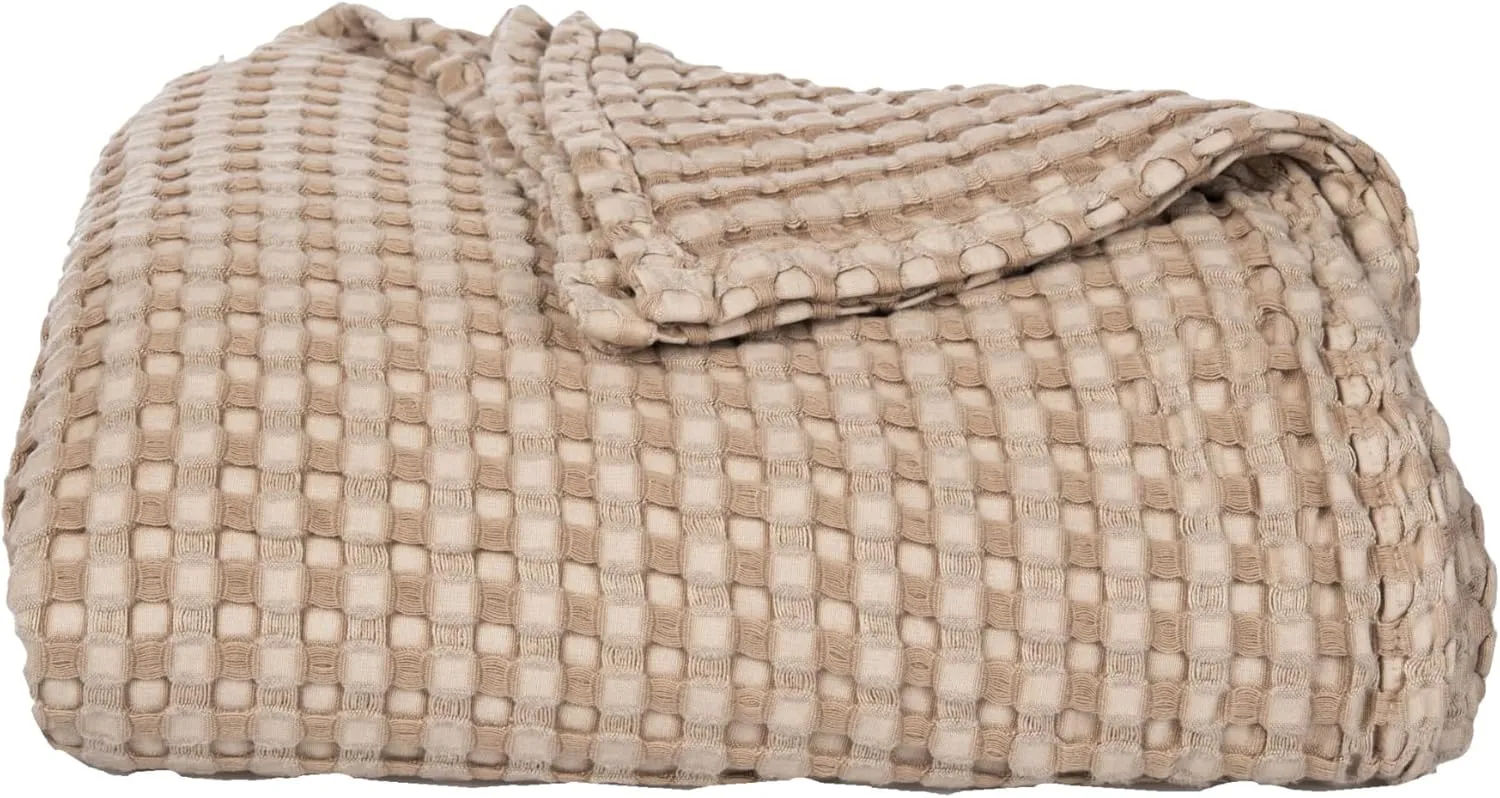 |
Why this works:
👉 Think: comfortable, not cold |
6. Bedsure 100% Cotton Blanket
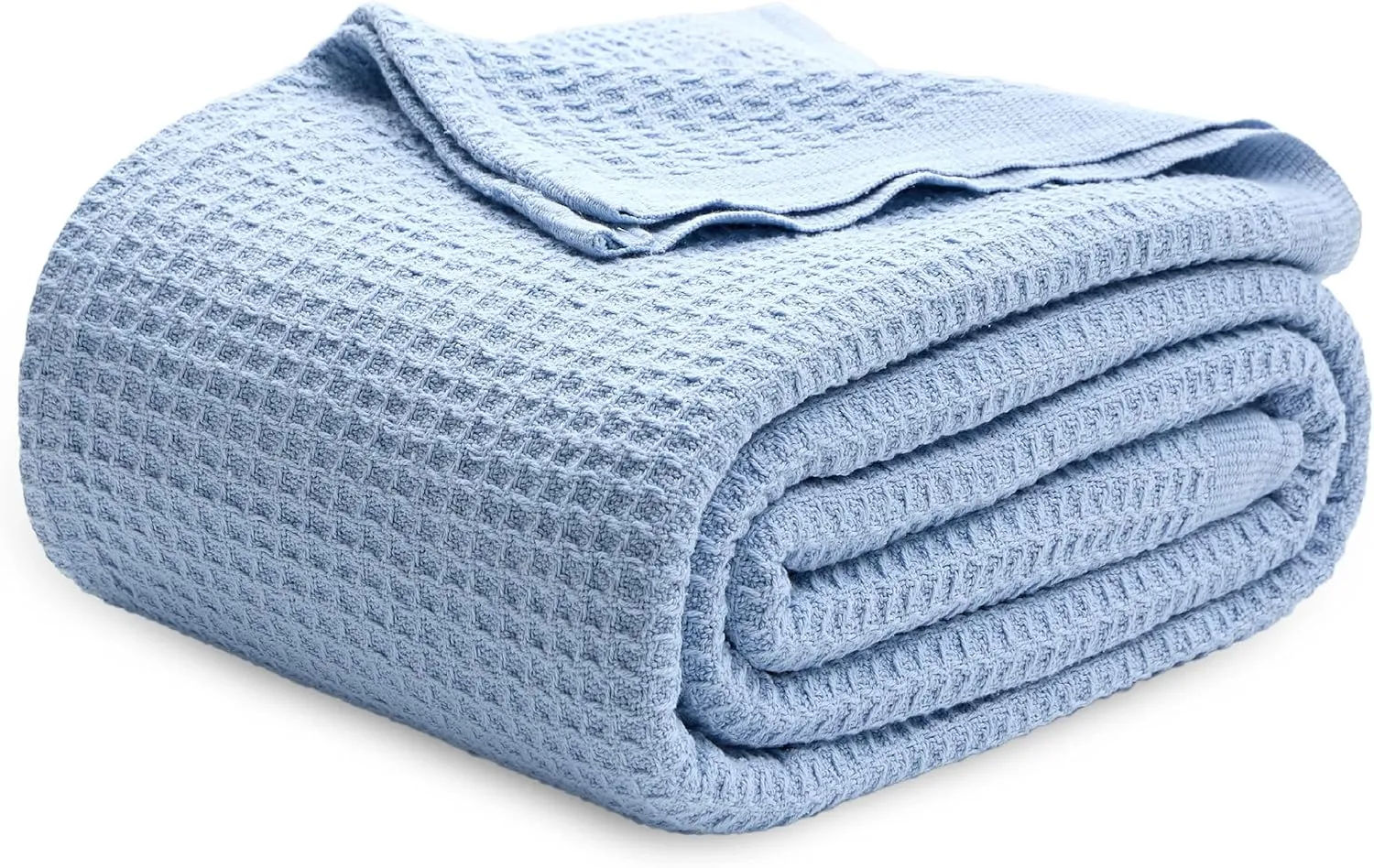 |
Why this works:
|
7. REST Evercool Cooling Comforter
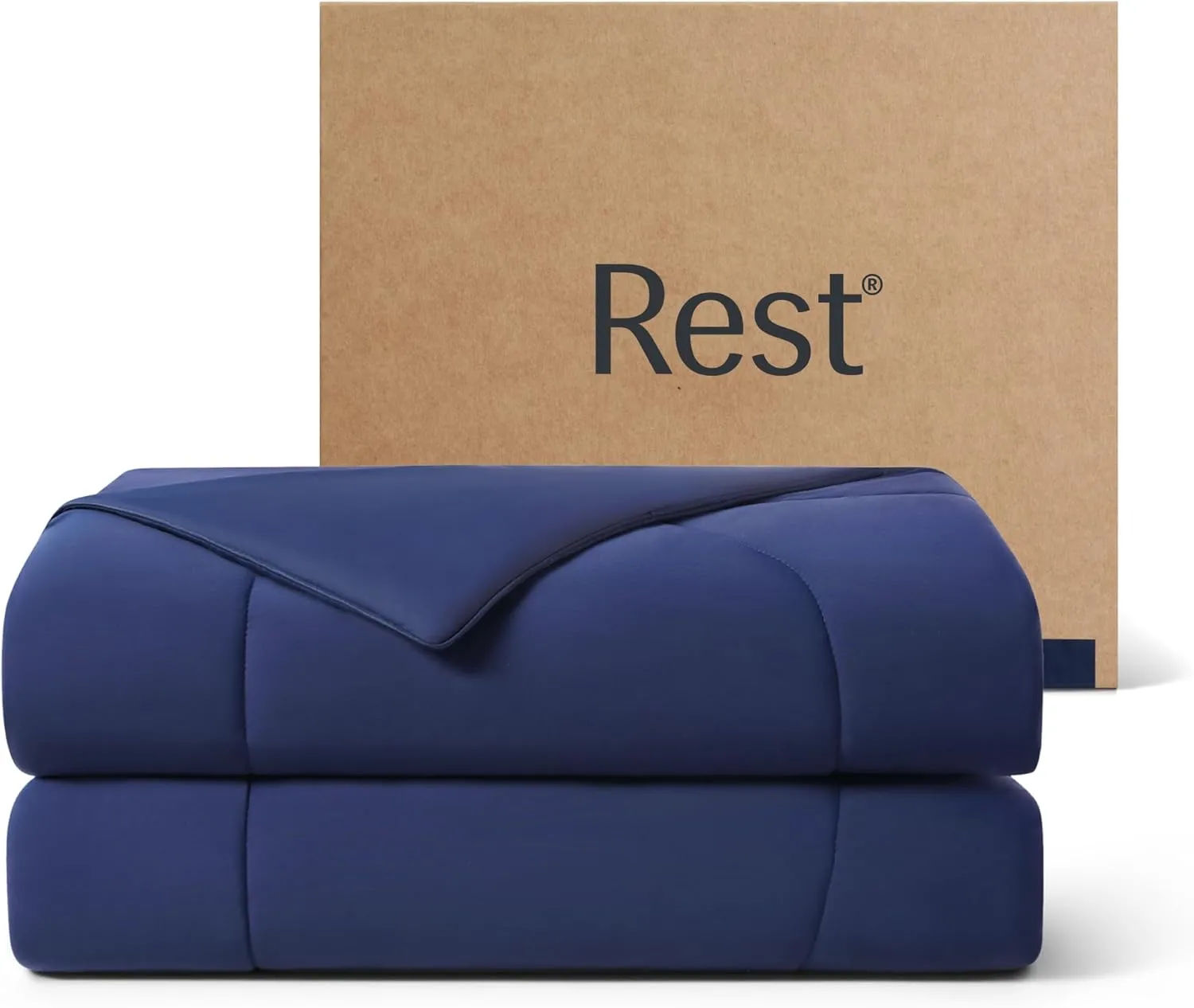 |
Why this works:
|
Summer Cooling Blanket Buying Checklist
✅ What to choose (cooling-friendly features)
- Fabric:
Tencel (lyocell), linen, cotton, bamboo viscose, lightweight wool
→ These materials are known for breathability and moisture-wicking, which is what actually keeps you cool - Weight:
Lightweight, breathable, low-bulk
→ Less insulation = less heat trapped around your body - Weave:
Waffle, gauze, percale, or other open weaves
→ Air can circulate instead of getting trapped - Moisture control:
Wicking or quick-dry fabrics
→ Prevents that sticky, sweaty feeling during the night - Care:
Machine-washable, low shrinkage
→ Easier upkeep = you’ll actually keep it clean and fresh in summer - Certifications:
OEKO-TEX, GOTS, CertiPUR-US (when relevant)
→ Confirms low chemical exposure + safer materials, especially for sensitive skin - Return policy:
30-night trial or easy returns
→ Cooling comfort is personal—this gives you a safety net
❌ What to avoid (heat-trapping or misleading features)
- Fabric:
Heavy fleece, microfiber, plush polyester
→ These trap heat and don’t breathe well, even if labeled “cooling” - Weight:
Thick, dense, or heavily filled blankets
→ More mass = more heat retention - Weave:
Dense sateen (especially if you sleep very hot)
→ Smooth feel, but tends to hold heat more than percale or waffle - Moisture control:
Fabrics that feel damp, clingy, or slow to dry
→ Leads to overheating and discomfort overnight - Care:
Dry-clean-only summer bedding
→ Impractical—you’ll avoid washing it, which makes it worse over time - Certifications:
Vague “eco,” “green,” or “non-toxic” claims without proof
→ Often just marketing with no real standard behind it - Return policy:
Final sale on expensive bedding
→ Risky—cooling performance is subjective and not always as advertised
Pro tip: If you remember just one thing: |
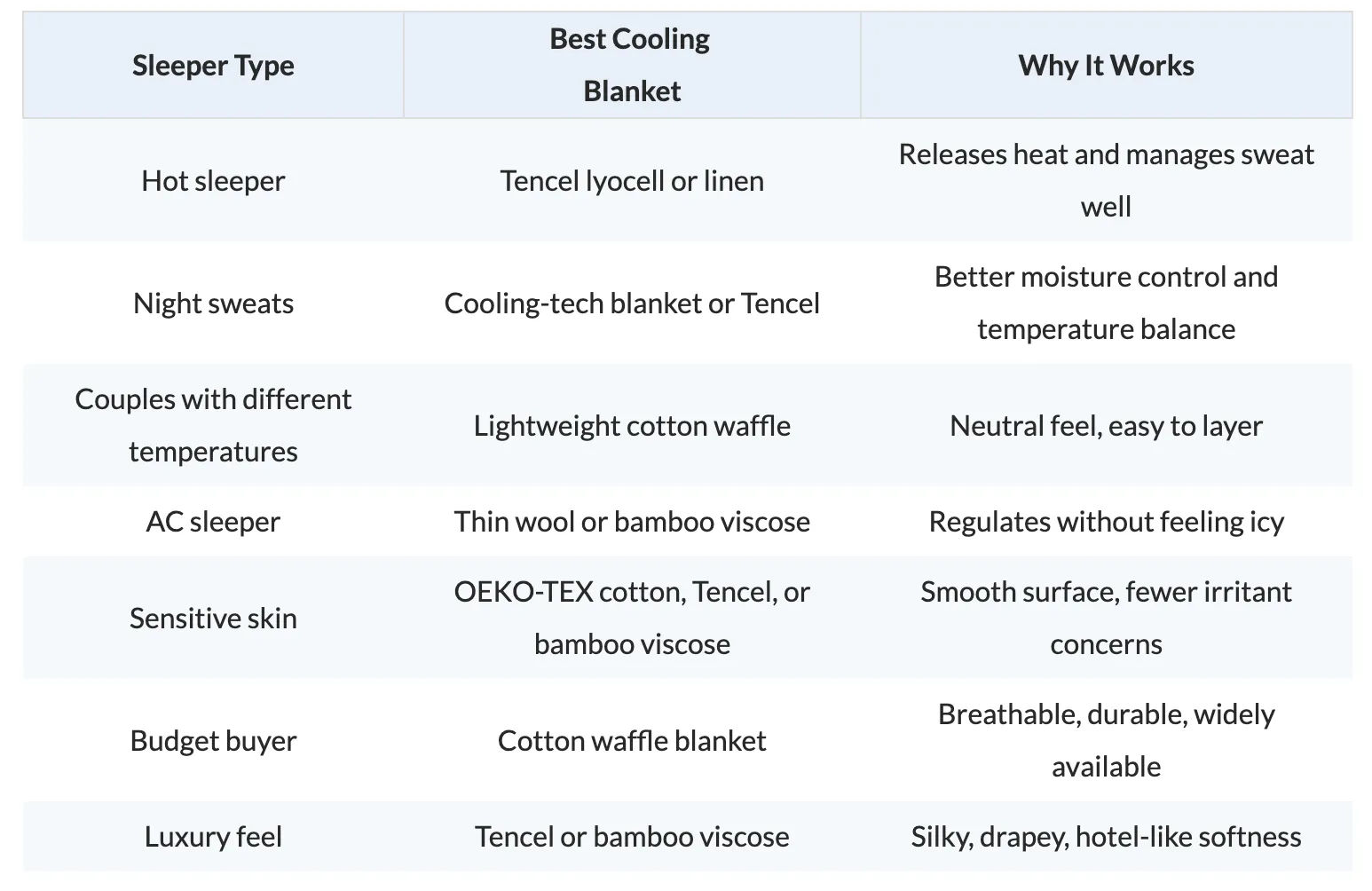
How to Choose by Sleep Style
Cooling Blanket Red Flags
- “Bamboo blanket” with no fiber label. Accurate labels should say rayon, viscose, or lyocell made from bamboo.
- Very heavy weighted blankets. Some cooling weighted blankets exist, but added weight can trap heat. For summer, choose glass beads, breathable covers, and a lower weight.
- Plush, sherpa, mink, or microfiber textures. These often feel cozy in winter but too insulating for summer.
- No care instructions. A summer blanket should handle sweat, body oils, and frequent washing.
- Too much fill. A cooling comforter can still sleep warm if it has thick polyester fill or tight quilting.
Cooling Blanket vs Cooling Comforter
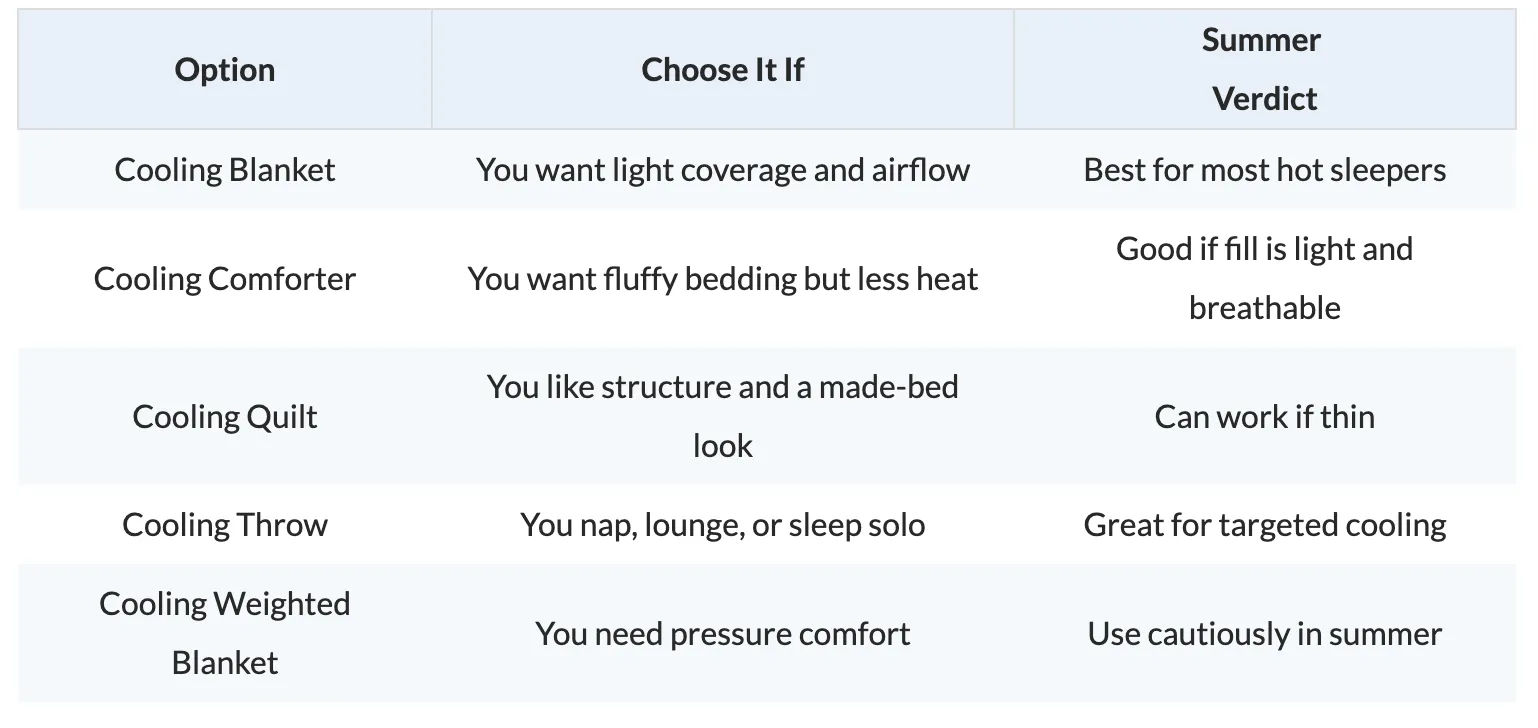 For most people, the best summer setup is a cooling blanket over breathable sheets, not a thick comforter. A blanket gives you coverage without sealing in as much heat.
Best Cooling Blanket Setup for Summer
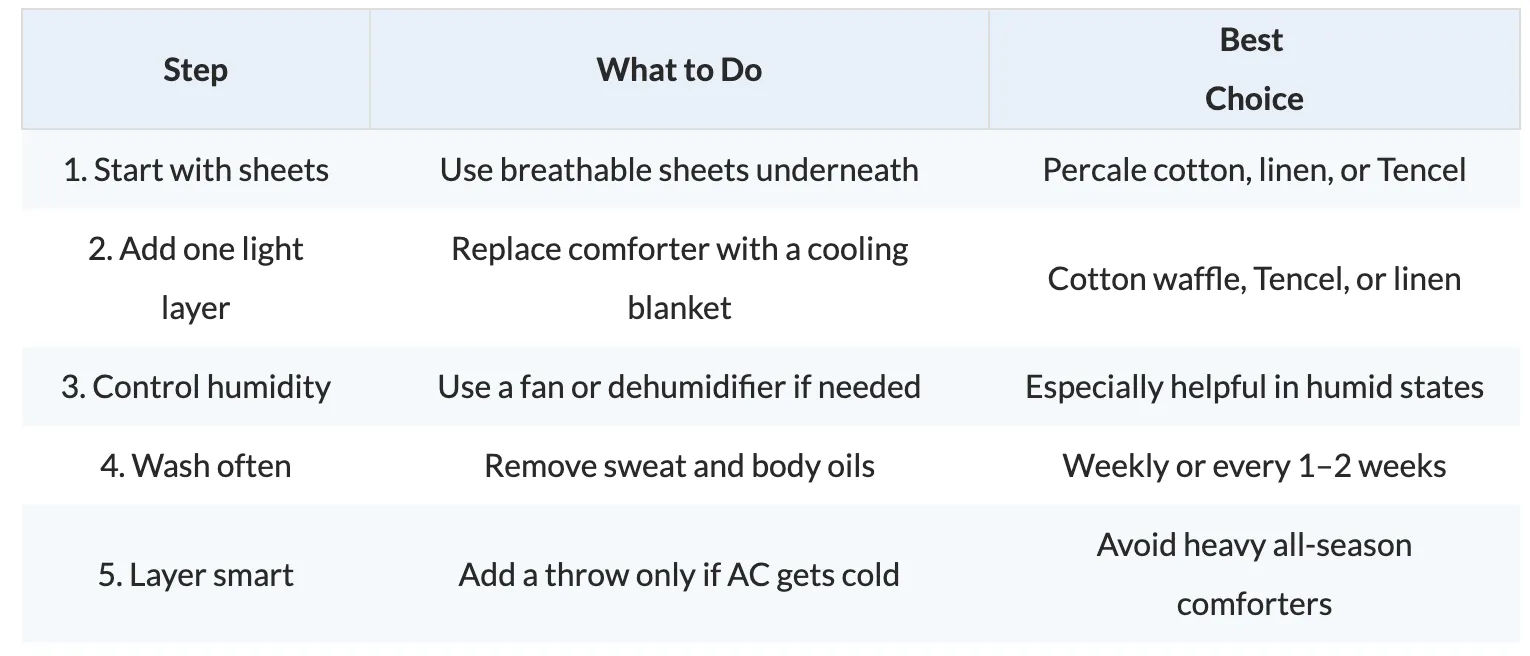
Sleep-smart tip: A cooling blanket works best when the whole sleep system is breathable. If your mattress protector, sheets, or pajamas trap heat, even the best blanket will underperform.
FAQs
What is the best cooling blanket material for summer?
The best overall materials are Tencel lyocell, linen, cotton waffle, and bamboo-derived viscose. Tencel and linen are usually best for hot, humid sleepers, while cotton waffle is the best simple, affordable summer option.
Are bamboo cooling blankets actually bamboo?
Usually, no. Most are viscose or rayon made from bamboo pulp. That does not mean they are bad, but the label should be accurate.
Are cooling blankets worth it?
Yes, if you sleep hot, sweat at night, live in a warm climate, or want to reduce comforter weight in summer. They are most effective when paired with breathable sheets, light pajamas, and a cool room.
Do cooling blankets stay cold all night?
Most do not stay “cold” all night. The best ones help regulate heat by improving airflow, wicking moisture, or absorbing and releasing body heat. A blanket that feels icy at first may still sleep warm if the fabric is dense or non-breathable.
Is cotton or bamboo better for cooling?
Cotton waffle is more breathable and crisp. Bamboo viscose is softer, smoother, and more drapey. For sweaty sleepers, Tencel or linen may outperform both because they manage moisture especially well.
What should hot sleepers avoid?
Avoid plush fleece, sherpa, thick microfiber, heavy polyester fill, dense quilts, and oversized weighted blankets unless they are specifically designed for cooling.
What certification matters most?
For general textile safety, look for OEKO-TEX STANDARD 100. For organic cotton, look for GOTS certification. If the blanket contains foam, check for CertiPUR-US certified foam.