As skin matures, its requirements shift—and a well-formulated concealer becomes indispensable for achieving a smooth, youthful-looking complexion. Unlike heavy foundations, concealers address specific concerns like dark under-eye circles, age spots, and fine lines, offering targeted coverage. The secret is selecting a product that caters to mature skin's unique needs, including increased dryness, loss of elasticity, and sensitivity. This comprehensive guide will walk you through choosing the best concealer for mature skin, whether in your 40s, 50s, 60s, or 70s—ensuring you can confidently face each decade looking fresh and radiant.
Mature Skin and Its Needs
What Happens to Skin as We Age?
The aging process can start as early as your mid-30s or 40s but becomes more pronounced in the following decades. Here's a quick look at some of the key changes:
- Collagen Decrease: Slowing collagen production reduces the skin's firmness and elasticity.
- Dryness: Mature skin loses moisture more efficiently, becoming thinner and more prone to dehydration.
- Fine Lines & Wrinkles: These become more noticeable, especially around the eyes and mouth.
- Pigmentation Issues: Dark spots, under-eye circles, and uneven skin tone can become more prominent.
These changes deepen further as we reach our 50s, 60s, and beyond. The right concealer can brighten and smooth trouble spots without caking or emphasizing fine lines.
Why Concealers Are Essential for Mature Skin
Foundations even out the entire face, but concealers allow for targeted coverage where you need it most—like under the eyes or on individual age spots. Modern concealers often include nourishing and anti-aging ingredients that help address mature skin challenges rather than just covering them. When chosen carefully, a concealer can:
- Brighten Tired Eyes – Combat dark circles that make you look older or fatigued.
- Minimize Fine Lines – Smooth and plump problem areas instead of settling into creases.
- Even Out Hyperpigmentation – Camouflage age spots and discolorations.
- Provide a Youthful Glow – Hydrating or light-reflecting formulas can impart a subtle radiance.
Key Features to Look For in a Concealer for Mature Skin
- Hydrating Ingredients
Why It's Important: Mature skin is prone to dryness, especially around the delicate eye area. Look for concealers with moisturizing agents that help keep skin plump and smooth all day.- Hyaluronic Acid: Retains large amounts of moisture for lasting hydration.
- Ceramides: Strengthen the skin barrier to lock in moisture.
- Glycerin: Attracts water from the environment into the skin.
- Anti-Aging Benefits
Why It's Important: Concealers infused with anti-aging properties can help reduce fine lines, firm the skin, and brighten dull areas.- Peptides: Stimulate collagen for a firmer, smoother appearance.
- Vitamin C: Brightens and helps fade hyperpigmentation.
- Retinol (low concentrations): Encourages cell turnover but should be used cautiously on sensitive skin.
- Buildable Coverage
Why It's Important: Heavy coverage can accentuate wrinkles and create a cakey look. A buildable concealer lets you start sheer and layer on more where you need it without creasing.- What to Avoid:
- Overly Thick Formulas: They tend to settle in fine lines.
- Drying, Matte Formulas: These can emphasize texture and dryness.
- What to Avoid:
- Brightening vs. Color-Correcting
Why It's Important: Different concealers serve different purposes. Some correct discoloration (like peach-toned concealers for blue under-eye circles), while others brighten with light-reflecting particles.- Peach/Salmon Tones: Great for neutralizing dark circles.
- Green Tones: Ideal for minimizing redness or broken capillaries, often used before a flesh-toned concealer.
- Longevity & Crease-Resistance
Why It's Important: Long-wearing, crease-resistant formulas stay in place all day, preserving a youthful look.
Pro Tip: Serum-like concealers move with your skin rather than settling into lines.
How to Choose a Concealer Based on Age
Over 40: Start Early with Subtle Anti-Aging & Radiance
In your 40s, you may begin noticing fine lines, early signs of collagen loss, and subtle changes in skin texture. Opt for a lightweight, hydrating concealer that contains ingredients like peptides or antioxidants to support collagen. A radiant finish can help counteract dullness or early wrinkles around the eyes.
Best Concealers for Over 40
Colorescience Total Eye 3-in-1 Anti-Aging Renewal Therapy for Wrinkles & Dark Circle
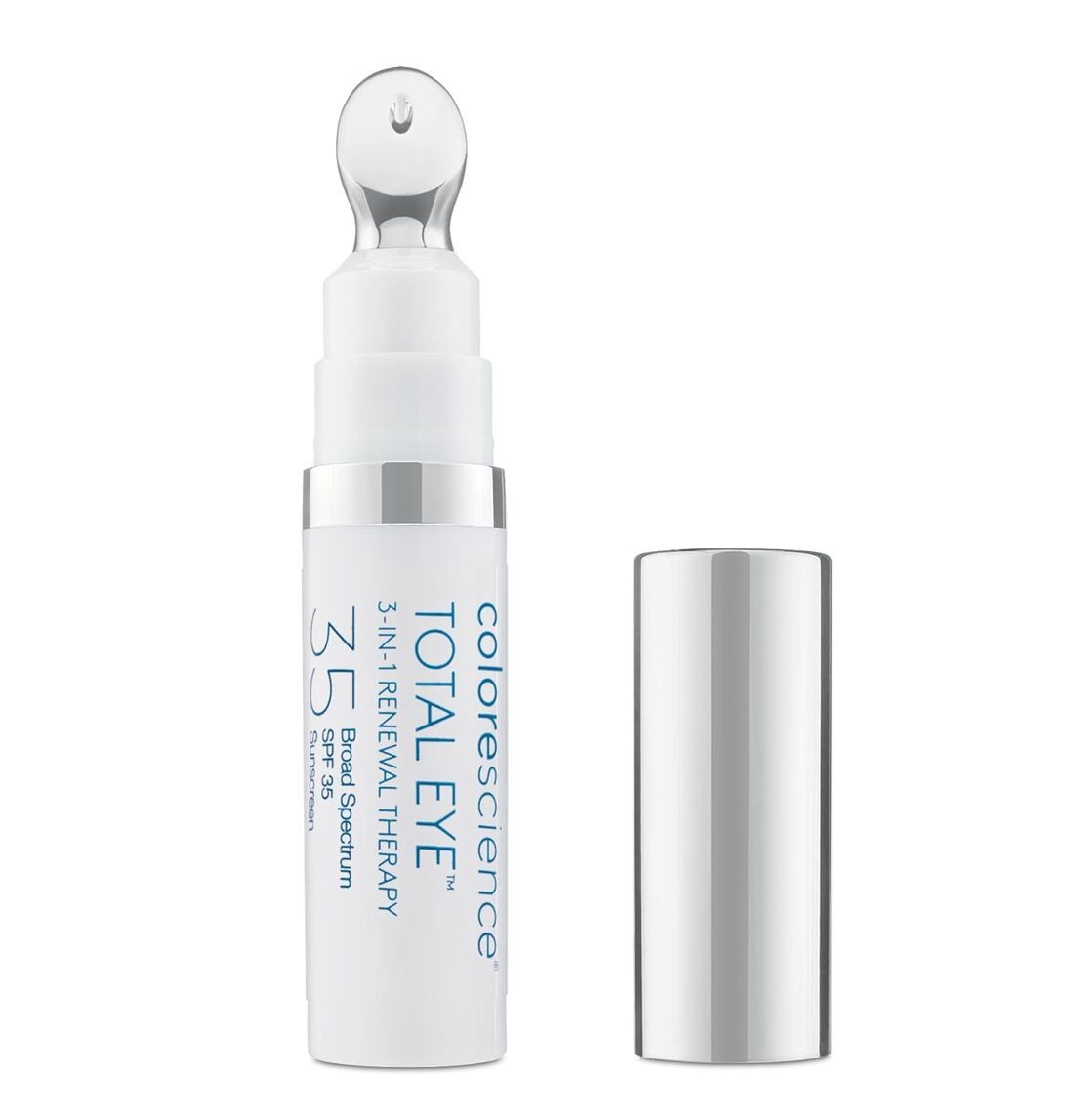 | -Brightens and Conceals: Instantly reduces the appearance of dark circles, puffiness, and fine lines with a subtle tint. -Anti-Aging Benefits: Infused with peptides, hyaluronic acid, and botanical extracts to promote smoother, firmer skin over time. -SPF 35 Protection: Provides mineral-based broad-spectrum sun protection to safeguard the delicate under-eye area from UV damage. |
- Laura Mercier Concealer
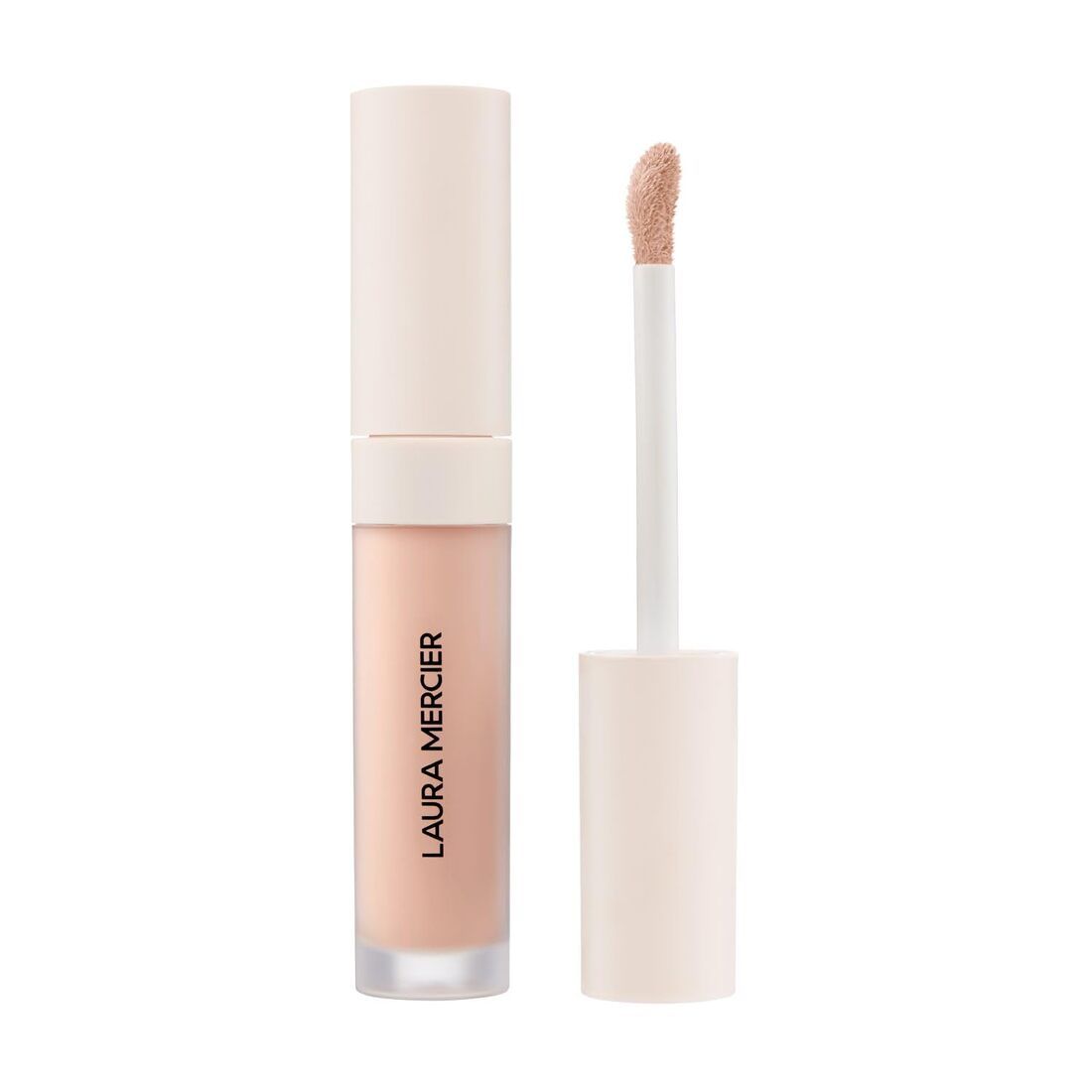 | -Provides a natural finish without drying out the skin, making it ideal for mature skin. -Crease-Resistant: Designed to stay smooth without settling into fine lines or wrinkles. -Brightens Under-Eyes: Contains light-reflecting pigments to diffuse imperfections and brighten dark circles. -Offers up to 12 hours of wear, staying put throughout the day. |
Over 50: Focus on Hydration and Soft Coverage
Once you enter your 50s, dryness can become more pronounced, and collagen loss may be more visible. A creamy formula that glides smoothly and provides medium coverage is ideal. Seek brightening agents to combat any under-eye dullness.
Best Concealers for Over 50
- IT Cosmetics Bye Bye Under Eye Full Coverage Anti-Aging Waterproof Concealer
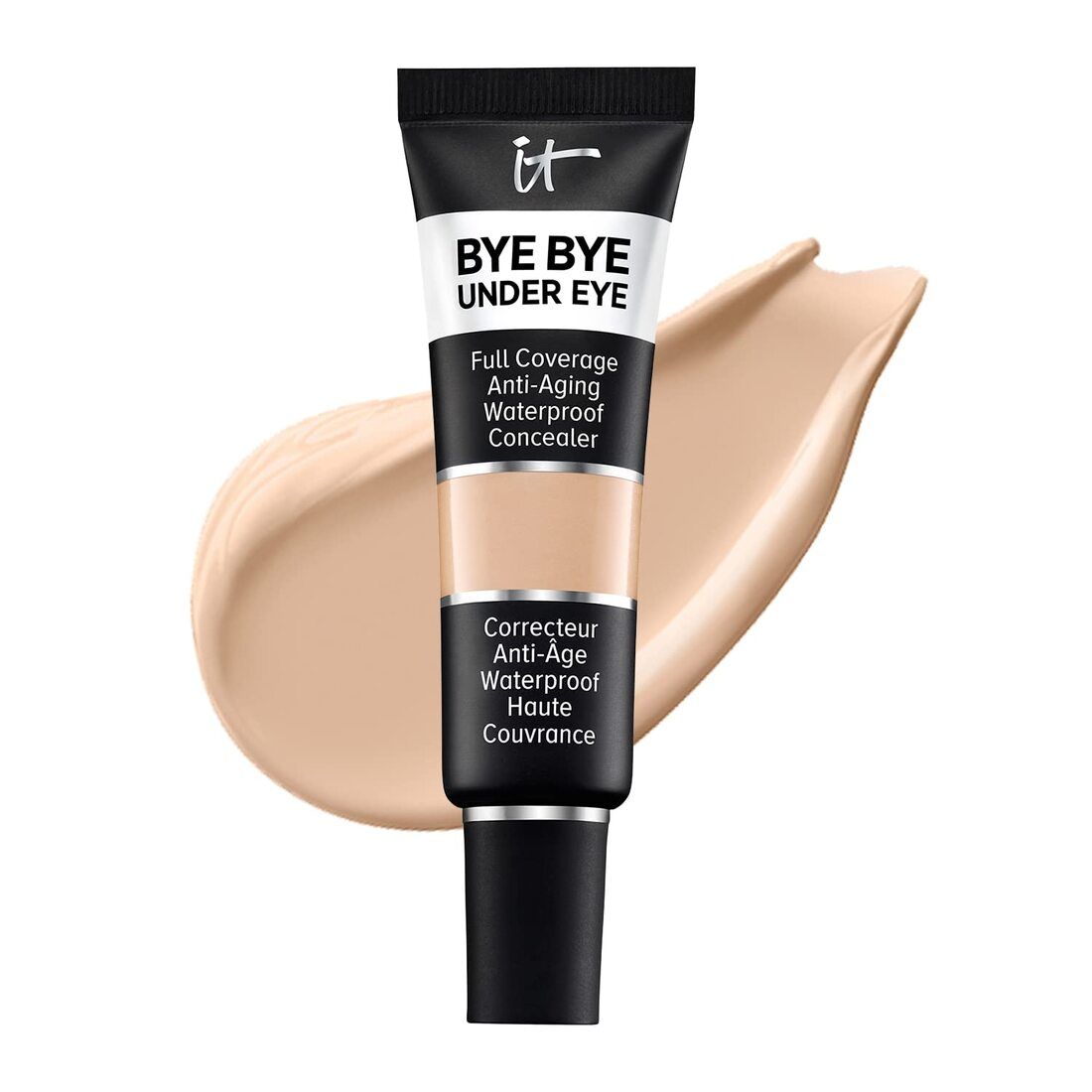 | -It is rich in peptides and antioxidants to reduce the look of crow's feet. -It offers high coverage without looking heavy. -It has a moisturizing formula specifically designed for mature skin. |
- NARS Radiant Creamy Concealer
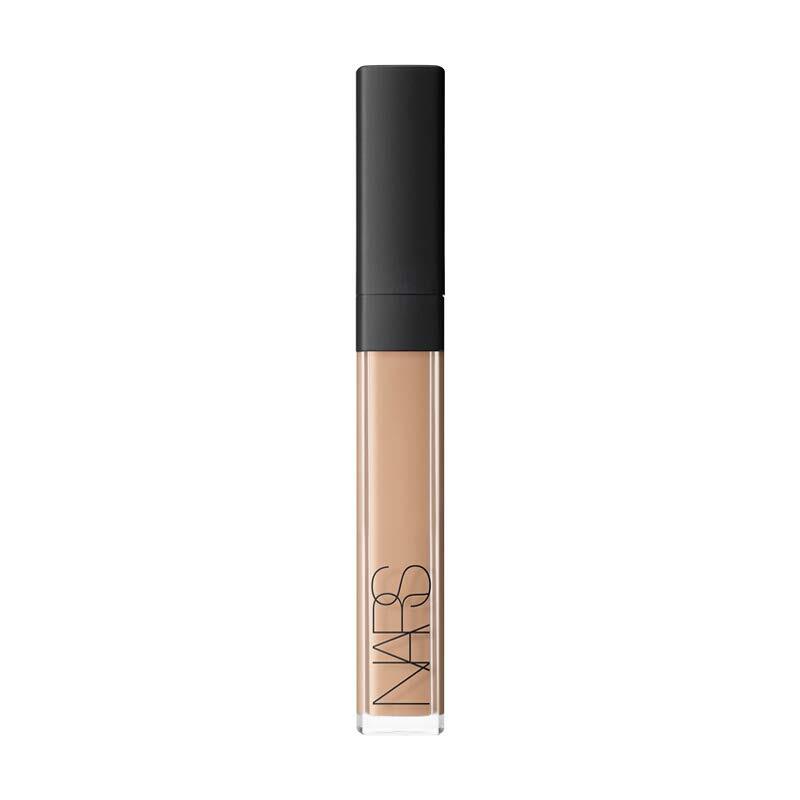 | -It is Known for its creamy, blendable texture. -Radiant finish that brightens under-eye darkness. -Buildable coverage that avoids creasing. |
Over 60: Prioritize Soothing Ingredients and Firmer Coverage
Your skin can be thinner and more reactive by your 60s. Use concealers with calming elements like chamomile, aloe vera, or ceramides to reduce redness and sensitivity. You may need more coverage to conceal pronounced under-eye circles or age spots.
Best Concealers for Over 60
- BareMinerals Correcting Concealer
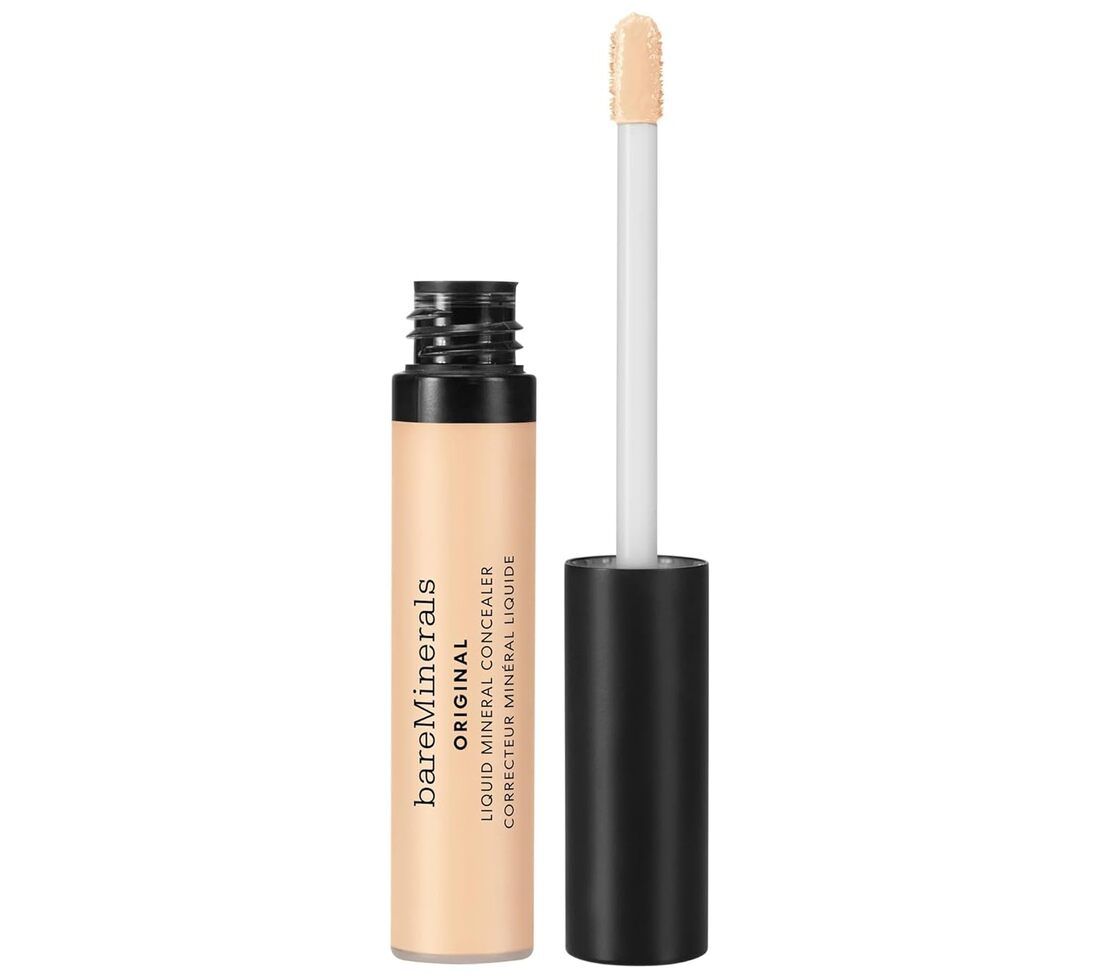 | - Mineral-based formula with built-in SPF for additional sun protection. - Creamy consistency suitable for drier or thinner skin. - Provides a medium coverage that looks natural. |
- Maybelline Instant Age Rewind Eraser
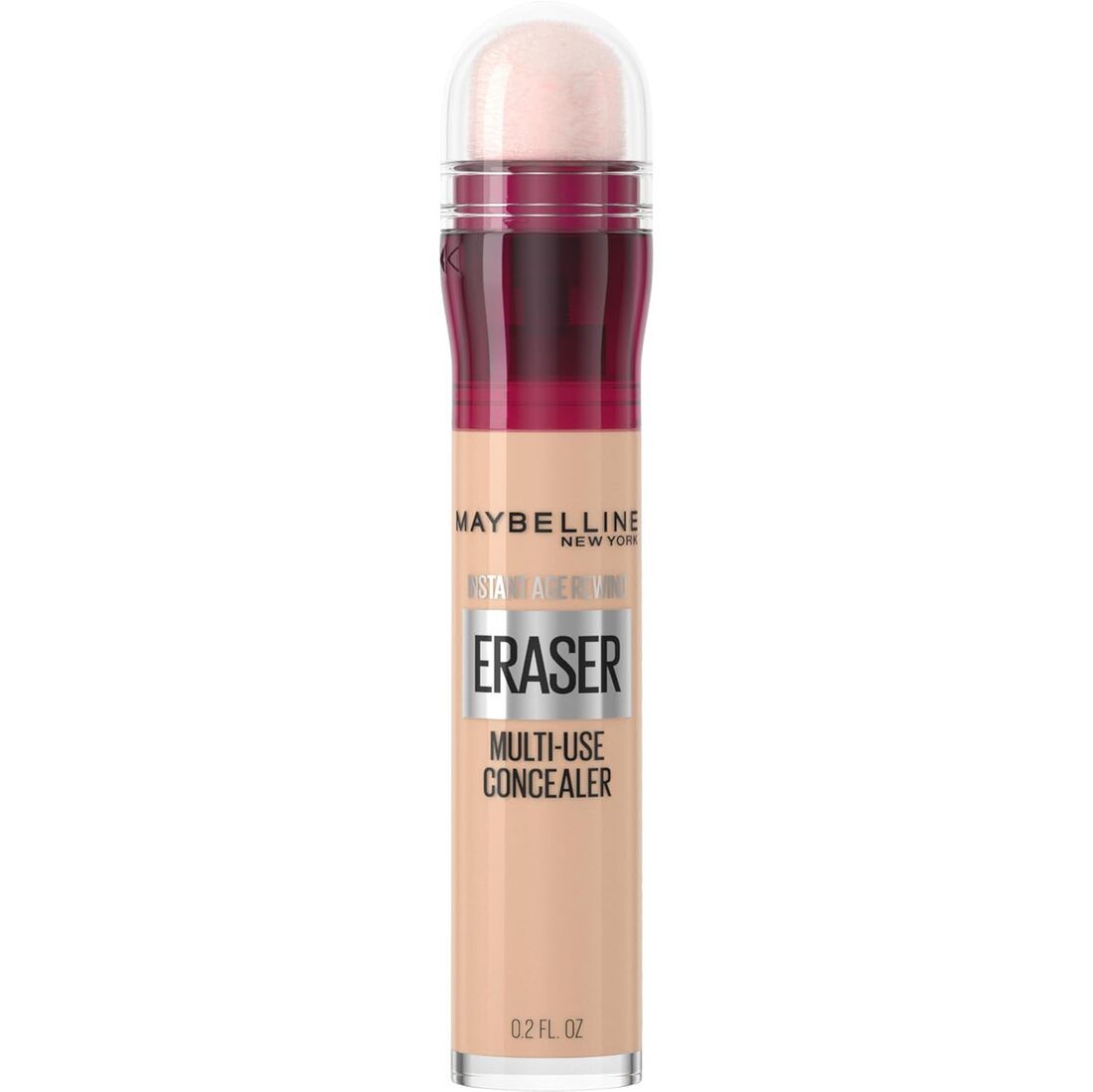 | Formulated with goji berry and Haloxyl™ to address puffiness. The sponge-tip applicator makes blending effortless. A lightweight texture that resists settling into fine lines. |
Over 70: Emphasize Comfort, Protection, and Gentle Application
Once you reach your 70s and beyond, your skin is incredibly fragile and prone to dryness. Concealers with nourishing oils or ceramides will help maintain the skin barrier. Aim for smooth application, light coverage, and a gentle, luminous finish.
Best Concealers for Over 70
- Clinique Even Better All-Over Concealer + Eraser
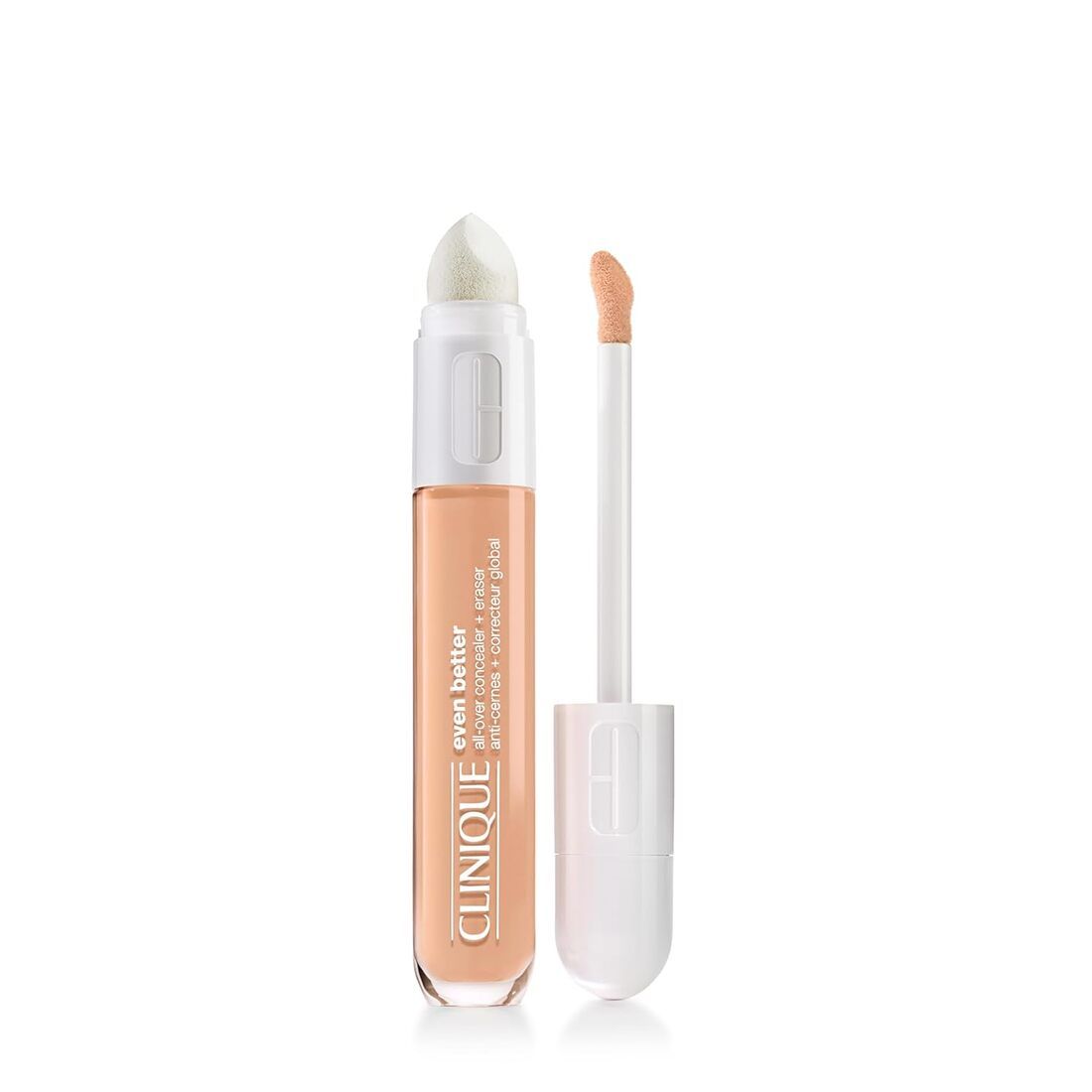 | - Allergy-tested and fragrance-free. - Built-in applicator for easy, seamless blending. - Moderate coverage to camouflage age spots and discoloration. |
- L’Oréal Paris Age Perfect Radiant Concealer
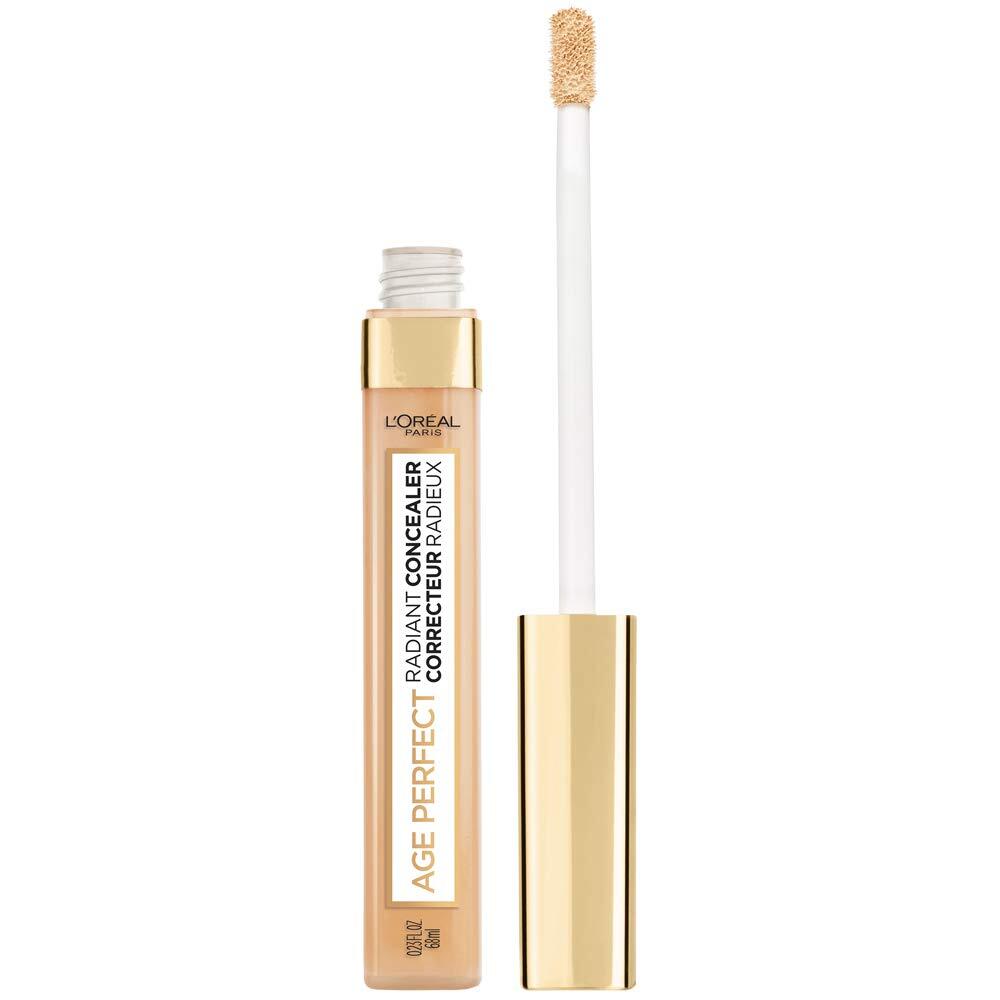 | - Specifically crafted for mature skin with hydrating serum components. - Radiant finish blurs imperfections and softens the look of texture. - Lightweight formula suitable for sensitive skin types. |
How to Apply Concealer for Mature Skin
- Prep the Skin
- Cleanse & Moisturize: Start with a gentle cleanser and follow with a hydrating eye cream or face moisturizer. Let it fully absorb.
- Optional Primer: A primer formulated for mature skin can fill in fine lines, prolong concealer wear, and create an even canvas.
- Use the Right Tools
- Fingers for Warmth: The ring finger's gentle pressure and warmth help the product melt into the skin.
- Brush or Sponge: A small synthetic brush or a damp sponge can offer more precision and an airbrushed finish.
- Apply Strategically
- Less is more: Apply a minimal amount to under-eye circles, age spots, or areas of redness, building coverage where needed.
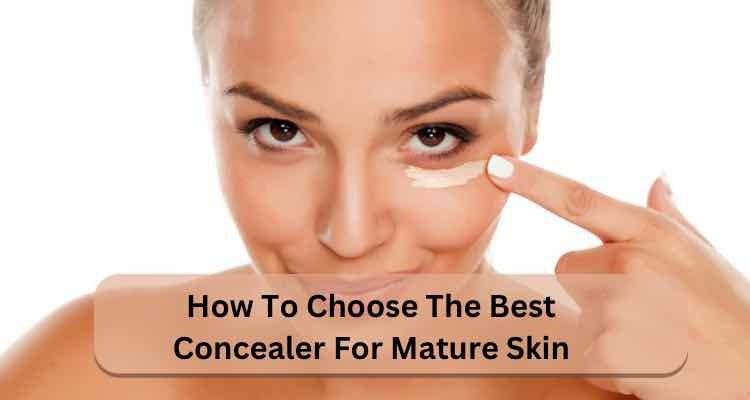
- Focus on the Inner Corner: For under-eye darkness, concentrate on the inner corner and blend outward for a bright, lifted look.
- Set with a Lightweight Powder (Optional)
Why It's Important: A finely milled translucent powder can lock your concealer in place without emphasizing wrinkles.
Tip: Use a small, fluffy brush to dust powder over concealed areas lightly. Tap off excess product before applying to avoid a cakey finish.
Common Mistakes to Avoid
- Choosing a Shade Too Light – Going more than one shade lighter can create a grayish cast under the eyes, especially on mature skin.
- Applying Too Much Product – Overdoing it can make lines more visible and create a cakey look.
- Skipping Moisturizer or Eye Cream – Dehydrated skin exaggerates texture. Always hydrate before concealing.
- Insufficient Blending – Unblended edges draw attention to wrinkles and uneven texture. Take extra time to diffuse the product seamlessly.
- Forgetting SPF – The under-eye area is delicate and susceptible to sun damage. If your concealer lacks SPF, apply a separate sunscreen or choose a concealer with built-in UV protection.
Conclusion
Choosing the right concealer for mature skin hinges on hydration, anti-aging benefits, and a formula that respects the skin's natural texture. By selecting a product tailored to your age bracket—from your 40s to your 70s—you can address dryness, reduce the look of fine lines, and brighten common trouble spots such as under-eye circles and age spots. A well-chosen concealer can effortlessly blend into your daily routine, delivering a refreshed, youthful complexion without feeling heavy or cakey.
Final Thoughts
The perfect concealer for mature skin doesn't just cover imperfections; it nourishes and supports aging skin for a smoother, radiant look. By prioritizing hydrating, buildable formulas, you'll preserve a bright, healthy complexion—no matter your age. With proper skin prep and a careful approach to application, your concealer will work in harmony with your skin to enhance your natural beauty and confidence daily.
FAQs
1. What type of concealer is best for aging skin?
A hydrating, lightweight, and buildable concealer works best. Formulas containing peptides, hyaluronic acid, and moisturizing oils are ideal for mature skin, as they help reduce the appearance of fine lines without settling into wrinkles.
2. Should concealer be darker or lighter than your foundation?
Your concealer should typically be about half a shade to one shade lighter than your foundation—just enough to brighten under the eyes or highlight key areas without creating a stark contrast.
3. Do you put concealer on before or after foundation on mature skin?
Most makeup artists recommend applying foundation first and then using concealer to spot the correct areas that need extra coverage. This ensures you don't end up with too many layers of product, which can look heavy on mature skin.
4. How do I know my shade of concealer?
The best way is to swatch a small amount on your jawline or inner wrist and see how it looks in natural light. A shade that seamlessly blends with your skin (or is slightly lighter if you're concealing under the eyes) is your match.
5. How do I match my perfect concealer?
Consider your skin's undertones (cool, warm, or neutral) and your primary areas of concern (dark circles, age spots, etc.). If you have bluish under-eye circles, choose a peach or salmon-based corrector first, then apply a concealer that closely matches or is slightly lighter than your skin tone.
6. Should the foundation be lighter or darker than your skin?
Your foundation should match your skin tone as closely as possible. If it's too light or dark, it can create an unnatural appearance and make imperfections stand out rather than blend in.
7. How can I find the perfect concealer?
Look for brands known for offering a wide shade range and hydrating formulas. Test the product on your face (not just your hand) and observe it in natural light. If possible, get samples to try at home.
8. How do I know what undertones I have?
Check the veins on your wrist: if they appear more blue or purple, you may have cool undertones; if they look greenish, you may have warm undertones; and if you can't determine, you might be neutral.
9. How do you know if you are cool or warm-toned?
Beyond the vein test, consider how gold vs. silver jewelry looks on your skin. If silver flatters you more, you're likely cool-toned; if gold is more complementary, you're warm-toned. Jewelry with neutral undertones can be worn comfortably.
10. Is there an app to determine skin undertones?
Several beauty brands offer apps or online tools that use selfies and AI technology to help identify your undertone. While imperfect, they can provide a solid starting point if you can't visit a store in person.
11. Why does pink blush look orange on me?
Certain pinks with yellow or peach bases can shift to an orange hue on your skin if you have warm or olive undertones. Opt for cool-toned pinks or neutral mauves to achieve a truer pink flush.
12. How do you choose a color corrector?
Identify the issue you want to correct first. Opt for a peach or salmon corrector for dark under-eye circles with a bluish hue. For redness, go for green. Apply a thin layer before your concealer to balance out discoloration effectively.
13. How can you tell the difference between concealer and foundation?
The concealer is thicker and designed for targeted coverage of small areas (like under the eyes or blemishes), while the foundation is thinner and meant to even out the entire face. Concealer formulas also often contain more pigment for spot-correcting.
14. How do you find the correct foundation shade?
Test three shades along your jawline and check them in natural light. The shade that "disappears" into your neck and face is correct. If you're between shades, consider mixing two for a custom match.
15. How do I correct my foundation shade?
If your foundation is too dark, mix in a lighter shade or add a neutral or white mixer drop. Add a darker shade or a warm mixer if it's too light. Adjust gradually until you achieve the perfect match.
16. How to choose a concealer?
Consider your primary need—brightening under-eyes, covering redness, or hiding dark spots—and look for a formula suited to your skin type (dry, combination, or oily). Make sure it aligns with your undertones and complements your foundation.
17. Is there an app to find the right shade of foundation?
Many beauty brands now offer AI-powered shade-matching apps. These apps allow you to upload a selfie or answer questions about your skin tone and undertones, and they recommend suitable foundation shades. While useful, always verify in person when possible.
18. How do I match my skin tone to my foundation?
Beyond using an app or store shade-matching device, test the product on your jawline and blend it into your neck in natural daylight. The correct match will blend seamlessly with no noticeable lines of demarcation.
19. Which brand of foundation is best?
There is no one-size-fits-all foundation. Popular and reputable brands include Estée Lauder, NARS, Fenty Beauty, and Giorgio Armani. Ultimately, the "best" foundation suits your skin type, undertone, desired coverage level, and finish preference.