Medical & Affiliate Disclaimer: The information provided is for general informational purposes and does not constitute professional advice. Read full disclaimer.
×

The information provided in this article is for general informational purposes only and does not constitute professional, medical, or legal advice. The statements made in this article have not been evaluated by any regulatory authority. While efforts have been made to ensure the accuracy of the information presented, no warranty or guarantee, expressed or implied, is provided regarding the completeness, accuracy, reliability, or suitability of the information. Readers are advised to consult with a qualified healthcare provider or dermatologist for specific advice regarding skincare products and personal health conditions, especially if pregnant, nursing, or having underlying medical conditions. The mention of specific brands or products does not imply endorsement, nor should it be considered a recommendation. Please review product labels, ingredients, and safety instructions before using any skincare products, and always follow regulatory guidelines in your country. The article does not intend to defame or harm any brand or product, and no liability is assumed by the author or publisher for any damages or adverse effects that may arise from the use of information contained herein. This post may also contain affiliate links. If you use these links to buy something, we may earn a small commission at no additional cost to you.

Hats After a Hair Transplant: Encouraged or Not?


Hats After a Hair Transplant: Encouraged or Not?

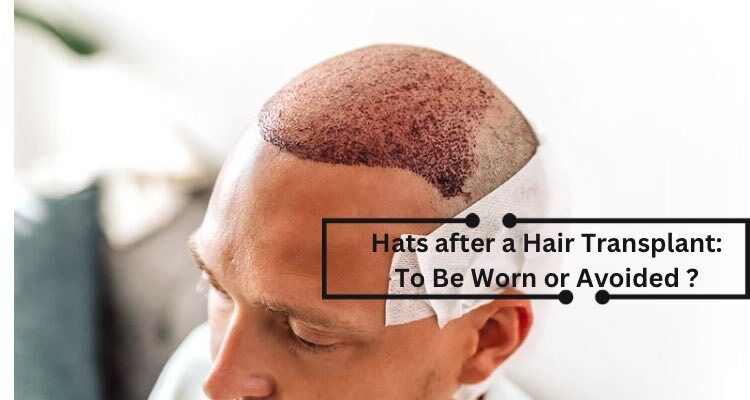
Undergoing a hair transplant can be a significant step towards restoring one's confidence and appearance. However, hair transplant post-surgery care is crucial to ensure the success of the procedure and the health of the newly transplanted hair grafts. One common question many patients have is whether wearing hats after a hair transplant is essential or optional. This article delves into when it is considered safe and maybe beneficial to start wearing a hat after your surgery. 


Key Takeaways: Tips from our doctors
  • Delay wearing a hat: It is not advised to wear any kind of hat or head covering (hard hat, helmet, visor, hijab...)  for the first ten days post-surgery. To protect your scalp from the sun during that time, use an umbrella. 
  • Wear a loose-fitting hat: When you start wearing a hat (ten days post-op) to protect yourself from the sun, and rain or to simply hide post-surgery scabs, opt for a bucket hat or a fisherman’s hat. Avoid anything too tight or abrasive.
  • Remove your hat frequently (but gently): Unless you have to cover your head for work or social reasons, it is always best to let it breathe whenever you have the chance. Don't keep your head covered for long hours non-stop. This leads to sweating which can then cause the formation of post-hair transplant folliculitis.


When can you start covering your head after a hair transplant? 

After a hair transplant, it's generally advised to avoid covering your head for at least a week to 10 days, as per our doctors' recommendation. This precaution allows the transplanted grafts to settle and heal properly without any disruption or pressure. After this initial period, you can start wearing a loose-fitting hat or cap, ensuring it is light and does not put any stress on the grafts. Always adhere to the specific guidelines provided by your surgeon to ensure the best results and minimize the risk of complications. 


When is it beneficial to wear a hat?

Protection from Sun and Environmental Factors:

  • Sun Protection

Newly transplanted hair grafts are particularly sensitive to direct sunlight. Exposure to UV rays can damage the grafts and hinder the healing process. Wearing a hat provides a physical barrier that protects the scalp from harmful UV radiation.

  • Dust and Pollution

Environmental factors like dust, dirt, and pollution can irritate the transplanted area and affect healing. A hat can shield the scalp from these elements, reducing the risk of infection and other complications.


Doctor’s Advice

  • Specific Instructions

Surgeons usually provide specific guidelines on post-transplant care, including whether and when to wear a hat. It is generally advised to wait a few days post-surgery before wearing a hat to avoid any pressure on the newly transplanted grafts.

  • Type of Hat

If wearing a hat is recommended, choosing the right type is essential. A loose-fitting, breathable hat is ideal to prevent any friction or pressure on the scalp. Caps with adjustable straps or wide-brimmed hats are often suggested as they provide ample protection without being too tight.

  • Long-Term Use

After the initial recovery period, continuing to wear a hat can be beneficial for protecting the scalp from the sun and other environmental factors. However, care should be taken to ensure the hat is not too tight, as excessive pressure can still affect the grafts.


Final Thoughts

While wearing a hat immediately after a hair transplant is not recommended, starting ten days post-op it can provide significant benefits in terms of protection and comfort. The key is to follow the specific instructions provided by your surgeon to ensure optimal healing and the best possible outcome for your hair transplant. 

Wearing a hat can be a practical and confidence-boosting choice during the recovery period, helping to protect your investment in a new, fuller head of hair.

Would you like more detailed guidance on the best types of hats to wear after a hair transplant or other aspects of post-transplant care?

Share your Feeling

  • 0
    SHOW OFF
  • 0
    I DO NOT LIKE
  • 0
    FINGERS CROSSED
  • 0
    I LIKED
  • 0
    APPLAUSE
  • 0
    I LOVED
  • 0
    SUSPICIOUS
  • 0
    UNBELIEVABLE
0 Comment(s)

Share Your Opinion, Please


Go to Profile Contact Member
Show Phone Number

Related Posts


How to Conceal Your Hair Transplant: Using Hats for Privacy and Confidence
A Complete Guide on How to Wash Your Hair After Hair Transplant
Hair Loss Consultation: is it time to see a doctor?
Things to Consider Before Going Back to Work After Hair Transplant
What Causes Hair Transplant Infection and How to Prevent it?