Acne can feel like an unwelcome guest that overstays its welcome, often showing up at the worst times. You're far from alone if you've tried endless creams, cleansers, or prescriptions with mixed results. Millions of people struggle with breakouts every day, trying to find that one solution that truly helps. Enter red light therapy: a non-invasive, science-backed treatment quietly revolutionizing skincare. It's not an overnight fix or a magic wand, but it's earning a reputation for being gentle yet effective at targeting acne.
Below, we'll explore how red light therapy works, how it pairs with blue light, and what you need to know before trying it at home. Ready to take a closer look? Let's dive in.
What Is Red Light Therapy?
Imagine using light, not a glaring spotlight, but a soft, warm glow, to heal your skin. That’s essentially what red light therapy (aka photobiomodulation) does. It harnesses low-level wavelengths of red light, historically developed by NASA to help plant growth in space and speed up wound healing, to energize your skin cells. Its applications have since expanded to skincare, helping reduce wrinkles, calm inflammation, and combat acne.
Why Is It So Popular for Acne?
- Non-Invasive & Gentle: Red light therapy doesn't involve needles, harsh chemicals, or painful procedures. It’s a soothing approach that won't usually irritate sensitive skin.
- Reduces Inflammation: Acne often involves redness, swelling, and irritation. The red wavelengths help calm all that “fiery” response, promoting healthier-looking skin.
- Speeds Up Healing: Red light therapy energizes your cells, helping them repair and rebuild faster, which can soften acne scars over time.
How Red Light Therapy Battles Acne
Let's keep the science simple but useful. Red light therapy typically involves wavelengths around 620–630 nanometers. When these red wavelengths penetrate your skin, here's what happens:
- Boosts Cell Energy
The light stimulates your mitochondria (the “power plants” in your cells), producing more ATP (energy). With this extra fuel, skin cells repair damage more efficiently and calm inflammation. - Reduces Redness & Swelling
Think of it as your skin's “chill pill.” You’ll see less redness and puffiness associated with breakouts by easing the immune response in the area. - Aids Collagen Production
Over time, red light therapy can encourage collagen production. Collagen is the structural protein that keeps your skin firm and smooth, potentially helping to minimize the appearance of both new and old acne scars.
The Role of Blue Light
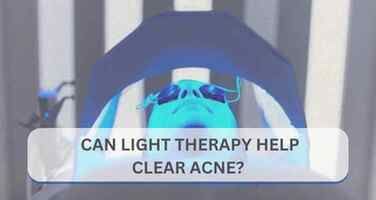
Blue light therapy (often around 465–470 nm) focuses on killing the bacteria (P. acnes) that flourish in clogged pores. If red light is the “healer,” blue light is the “fighter,” attacking the source of active breakouts. Many at-home devices combine red and blue light to both prevent new breakouts and help existing blemishes heal faster.
- Red Light = Calms and Repairs
- Blue Light = Targets Acne-Causing Bacteria
Using a device that includes both wavelengths can be a one-two punch against acne, giving you comprehensive coverage.
Why Bother With Red Light Therapy?
If you're still on the fence, here's what makes red light therapy worth considering:
- Great for Mild to Moderate Breakouts: Studies showed that it significantly improves inflamed, painful blemishes. It may not be a standalone solution for severe cystic acne (that typically needs professional care), but for day-to-day breakouts, it's a promising option.
- Minimal Side Effects: Red light therapy is generally gentle, unlike harsh topical treatments that can cause peeling or dryness. It won't sting, burn, or leave your skin feeling like sandpaper.
- Convenient & Accessible: At-home LED devices let you treat your skin while reading, watching TV, or listening to music. Place the device at the recommended distance and let the light work its magic.
- Long-Term Benefits: In addition to reducing active breakouts, consistent use can help fade mild acne scars and improve skin texture, giving you smoother, more even skin in the long run.
For example, a friend who started using a red light mask noticed calmer, less irritated skin after a week, and within a month, her breakouts were smaller and less frequent. It’s these small but consistent wins that make red light therapy a compelling addition to your routine.
Getting Started: Step-by-Step
One of the best things about red light therapy is its simplicity. Here’s a quick routine for at-home use:
- Cleanse Gently:
Wash your face with a mild, non-irritating cleanser and pat dry. This removes surface oils and allows the light to penetrate more effectively. - Set Up Your Device:
Position it at the recommended distance (check the manufacturer's guidelines). Masks usually fit snugly on your face, while panels and handhelds may require you to sit or lie comfortably. - Time Your Session:
Most devices recommend 10–15 minutes per session, anywhere from 3–5 times a week. Always follow the specific instructions for your product. - Moisturize & Protect:
After your session, apply a gentle moisturizer. If you’re heading outdoors, remember sunscreen, since healthy skin is more susceptible to sun damage. - Stay Consistent:
Results aren’t instantaneous. Give yourself a few weeks—sometimes up to a couple of months—of regular use to start seeing meaningful improvements.
Picking the Right Device
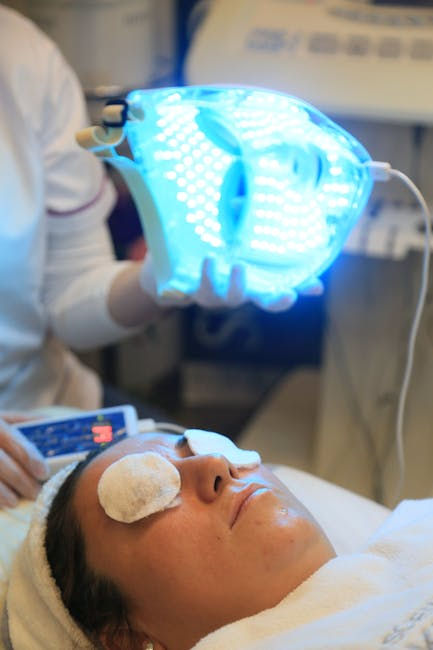 The market is flooded with options, so keep these pointers in mind:
- Wavelength Accuracy: Look for devices clearly stating 620–630 nm for red light and 465–470 nm for blue light. These ranges are backed by research for acne improvement.
- Safety & Certification: Opt for devices with FDA clearance or reputable certifications. You want quality assurance that the product has been tested for effectiveness and safety.
- Form Factor:
- Masks: Ideal for full-face treatment. Great if you want hands-free sessions.
- Panels: Can be used for your face and other body areas. Good for multitasking if you sit near it.
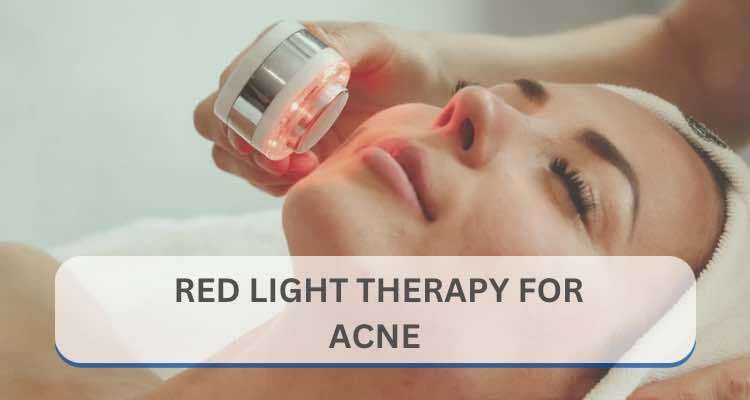
- Handheld Wands: Excellent for spot treatments or targeting smaller areas of concern.
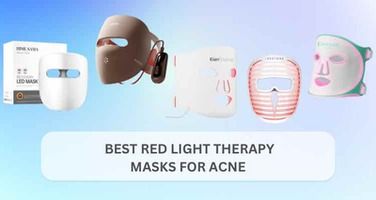
For a deeper dive into specific models, check out our roundup of the best red light therapy devices for acne. We've sifted through the noise to highlight the top picks for varying needs and budgets.
Possible Side Effects & Precautions
While red light therapy is generally safe, a few considerations can help you avoid hiccups:
- Mild Dryness or Irritation: Rare, but reduce session time or frequency if you notice discomfort.
- Eye Protection: Some LED devices are very bright. Protective goggles or built-in eye shields can help prevent eye strain.
- Severe Acne: If you have severe or persistent acne (like cystic acne) or other skin conditions, consult a dermatologist before starting home treatments.
FAQ:
Quick Answers to Common Questions
Q: How soon will I see results?
A: Many people notice reduced redness within a couple of weeks, but significant changes—like fewer breakouts and softer scars—can take at least 4–8 weeks of consistent use.
Q: Is it safe for all skin types?
A: Generally, yes. Red light therapy is noninvasive and suitable for most skin types. However, if you have extremely sensitive skin or underlying medical conditions, consult a healthcare professional first.
Q: Can I combine red light therapy with my current skincare routine?
A: Absolutely. In fact, it often complements other acne treatments. However, if you’re using strong prescription medications, especially those that cause photosensitivity, it’s best to double-check with your dermatologist.
Q: How often should I use it?
A: Most devices suggest around 10–15 minutes per session, 3–5 times a week. But always follow the specific instructions on your device for optimal results.
Wrapping It Up: Is Red Light Therapy Right for You?
Red light therapy isn't a futuristic gimmick—it's a practical tool for tackling mild to moderate acne. While it won't eliminate every pimple overnight, consistent use can calm inflammation, promote healing, and gradually improve skin tone and texture. When paired with blue light therapy, you get the added bonus of fighting the bacteria behind your breakouts.
Red light therapy could be the missing piece if you’re ready for something new or want to level up your current acne-fighting routine. To find the device that best suits your lifestyle, check out our curated list of the top red light therapy products for acne. Here's to clearer, happier skin on your terms!
Disclaimer: This article is for informational purposes only and does not replace professional medical advice. Consult a licensed dermatologist for personalized guidance for severe acne or underlying health concerns.