
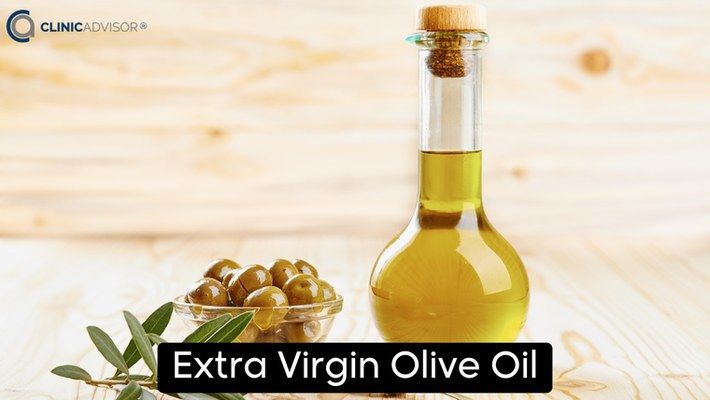
Extra virgin olive oil (EVOO) is a culinary and cultural icon, renowned for its rich flavor, health benefits, and its central role in the Mediterranean diet.
In this comprehensive article, we will get to know what EVOO is, how it differs from other types of olive oil, its benefits and drawbacks, the production process, nutritional facts, and its use in cooking.
What is Extra Virgin Olive Oil?
Extra virgin olive oil is the highest quality olive oil category. It is made from pure, cold-pressed olives, without the use of heat or chemicals, which ensures the oil retains its natural flavor, aroma, vitamins, and properties. The term “extra virgin” refers to the superior quality of the oil, which must meet specific high standards of production and purity.
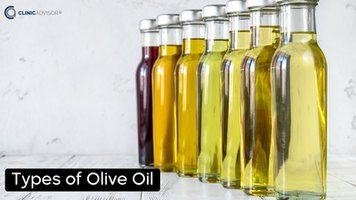
Differences Between EVOO, Virgin Olive Oil, and Other Types
There are different types of olive oil available in the market with extra virgin olive oil being the best. But not all of them come with the same benefits, flavor, and quality. Here are the main differences between EVOO, virgin olive oil, and refined olive oil in terms of pressing, heat processing, and flavor:
Production and Pressing:
Extra virgin olive oil is produced from the first pressing of olives, solely through using mechanical means. The pressing is often done within 24 hours of harvesting. This process ensures minimal oxidation and degradation. On the other hand, virgin olive oil, while also mechanically pressed, may come from the second pressing or from olives of slightly lower quality.
Other olive oils, such as refined olive oil, are often produced using heat or chemical processes, which can alter the oil’s flavor and strip it of its health benefits.
Heat Processing:
In terms of heat processing, extra virgin olive oil is considered the best and most natural since it's not exposed to heat during extraction, preserving its chemical integrity and flavor profile. However, other types of olive oil such as refined olive oil are exposed to heat processing which can degrade the quality and reduce its health benefits.
Flavor and Quality:
EVOO has a superior flavor, often characterized by fruitiness, bitterness, and pungency. It must pass both laboratory tests and sensory evaluations to ensure the highest quality.
Whereas virgin olive oil, although it's a good quality, has a milder flavor and may have slight imperfections. However, refined olive oils lack the distinct flavors of EVOO and are often bland.
Benefits of Extra Virgin Olive Oil
EVOO is rich in monounsaturated fats, antioxidants (like polyphenols), and vitamins E and K. These contribute to its health benefits, including heart health, anti-inflammatory properties, and potential cancer prevention.
- Heart Health: EVOO is known for its heart-healthy properties. It can help lower bad cholesterol levels and maintain good cholesterol, reducing the risk of heart disease.
- Anti-Inflammatory Effects: The polyphenols in EVOO have anti-inflammatory properties, which can help reduce the risk of chronic diseases.
- Antioxidant Properties: EVOO contains antioxidants that can neutralize harmful free radicals, potentially reducing cancer risk.
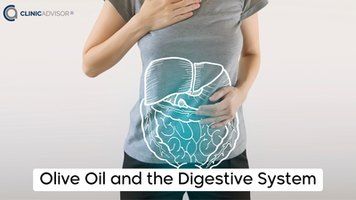
- Digestive Health: Regular consumption of EVOO can aid in maintaining a healthy digestive system.
- Mitigating Type 2 Diabetes:studies have shown that EVOO helps regulate blood sugar levels and improve insulin sensitivity, which are crucial factors in managing and preventing type 2 diabetes.
- Anti-Aging Properties: The antioxidants in EVOO, particularly polyphenols, combat oxidative stress in the body, a key factor in aging. These antioxidants can protect skin cells, potentially reducing signs of aging and improving skin health.
- Supports Weight Management: Contrary to the misconception that fats are detrimental to weight management, the healthy monosaturated fats in EVOO can actually aid in weight control. EVOO can increase feelings of fullness and has been linked to healthier body weight and fat distribution.
- Improves Bone Density: Some studies suggest that the consumption of EVOO can have a positive impact on bone health. Its polyphenols may help to improve bone density, reducing the risk of osteoporosis and fractures, particularly in older adults.
- May Reduce Cancer Risk: The antioxidants in EVOO, particularly polyphenols, have been studied for their potential role in cancer prevention. These compounds may help reduce oxidative DNA damage, a precursor to cancer, and can inhibit the growth of cancer cells.
Drawbacks of Extra Virgin Olive Oil
Over-consumption of extra virgin olive oil could increase your daily calorie intake leading to weight gain. Therefore, the key to a healthy consumption of EVOO is moderation. In addition, the high cost at which EVOO is sold can be another drawback limiting people's ability to consume it on a regular basis.
How is Extra Virgin Olive Oil Made?
The production of extra virgin olive oil goes through the following steps:
- Harvesting: Olives are first harvested at the optimal time, often by hand, to ensure better quality.
- Cold Pressing: The harvested olives are then mechanically pressed without heat to extract the oil. This cold-pressing process retains the natural flavors and health benefits.
- Filtration and Bottling: The oil is filtered and then stored in dark bottles to protect it from light and oxidation.
Nutritional Facts of EVOO
EVOO is high in monounsaturated fats (healthy fats) and contains no cholesterol. It is also a source of vitamins E and K and contains beneficial polyphenols and antioxidants. A tablespoon of EVOO contains approximately 120 calories.
Cooking with Extra Virgin Olive Oil
Contrary to the misleading information circulating the web, extra virgin olive oil is suitable for cooking on certain heat levels. It can be used for sautéing and roasting, it’s best used at medium to low heat to prevent burning. Its smoke point (around 375°F or 190°C) is generally above the temperature required for these cooking methods. It can also be used for baking and frying but at medium heat to avoid burning.
Extra virgin olive oil is also an ideal choice for salad dressings and marinades, where its flavor can be fully appreciated.
Takeaways,
Extra virgin olive oil is a valuable culinary asset, valued for its taste, nutritional benefits, and cultural significance. While it commands a higher price and requires careful handling, its health benefits and rich flavor profile make it a worthwhile investment for any kitchen.



Share Your Opinion, Please