
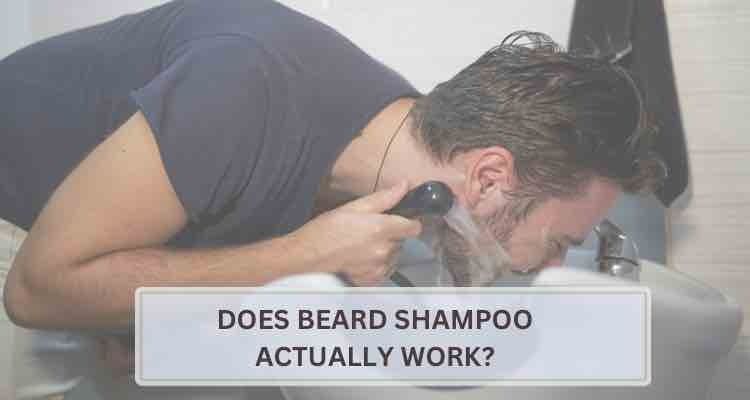
As the grooming industry evolves, the question “Does beard shampoo actually work?” remains hotly debated among beard enthusiasts, dermatologists, and self-care aficionados. While some maintain that regular hair shampoo is enough, many experts argue that specialized beard shampoo provides unique benefits to facial hair and the skin beneath. Below, we unpack the science, consult dermatologist insights, and offer practical tips on how beard shampoo can elevate your beard game well into 2025 and beyond.
Related: 5 Best Shampoos and Conditioners for Beard
Beard Hair vs. Scalp Hair: What is the Difference?
Coarser Texture, Distinct Growth Patterns
Beard hair typically grows thicker and curlier than scalp hair, partially because facial follicles respond differently to hormonal triggers such as testosterone and dihydrotestosterone (DHT). This difference often results in dryness, tangling, or split ends if not cared for correctly.
Dermatologist Insight: “Facial hair and scalp hair have different structural needs, so a product formulated for the scalp may not deliver the same benefits for a beard,” notes a dermatologist, at Expert Hair Transplant clinic.
Fewer Oil Glands on the Face
Your face generally has fewer sebaceous (oil) glands than your scalp. Standard hair shampoos are designed to eliminate excess oil from scalp hair, but these formulas can deplete the limited natural oils on the face. This can lead to beard itching, flaky skin, and a dull appearance.
Sensitive Facial Skin
Facial skin is more delicate and sensitive than scalp skin. A harsh shampoo can disrupt your skin’s acid mantle (its protective barrier), leading to redness, irritation, and even breakouts. Beard shampoos typically feature gentler surfactants and soothing botanicals to help keep your face calm and balanced.
The Role of Beard Shampoo: How It Works
Targeted Cleansing
Unlike regular shampoo, beard shampoo is formulated to cleanse coarser facial hair without stripping away essential sebum. In a 2023 review published in the Journal of Cosmetic Dermatology, researchers found that pH-balanced, sulfate-free cleansers helped reduce dryness and dandruff in facial hair regions by over 40%.
Skin Health Comes First
A quality beard shampoo supports healthy facial skin by clearing away trapped dirt, sweat, and dead skin cells. This preventative care wards off irritation, itchiness, and acne—common concerns when sweat and oil become trapped beneath dense facial hair.
Improved Manageability
Well-moisturized beard hair is easier to comb, trim, and style. Many beard shampoos incorporate hydrating ingredients such as shea butter or aloe vera, which help keep hair cuticles smoother and less prone to frizz.
Key Ingredients That Make a Difference
- Gentle Surfactants: Look for sulfate-free or coconut-based cleansers (e.g., sodium cocoyl glutamate) to effectively remove impurities without stripping vital oils.
- Natural Oils and Butters: Ingredients like jojoba oil, argan oil, and shea butter mimic your natural sebum, replenishing moisture and adding shine.
- Aloe vera and chamomile extract: Soothing botanicals reduce inflammation and calm sensitive skin, which is essential for preventing beard itching or redness.
- Tea Tree Oil or Salicylic Acid: Ideal for men prone to ingrown hairs or acne, as these ingredients provide gentle exfoliation and antimicrobial effects.
- pH-Balanced Formulas: Maintaining a pH range close to that of facial skin (around 4.7–5.7) helps preserve the skin’s protective acid mantle.
Frequently Cited Benefits of Beard Shampoo
- Reduces Beard Itch and Dandruff: Hydrates the skin and dissolves flaky residues.
- Enhances Beard Appearance: Coarse, frizzy hairs become softer and more manageable.
- Prevents Ingrown Hairs: Regular cleansing lifts hair follicles and clears clogged pores.
- Supports Overall Skin Health: Gentle, natural ingredients help avoid dryness, rashes, or acne.
Expert Recommendations:
5 Best Beard Shampoos in the U.S. Market (2025)
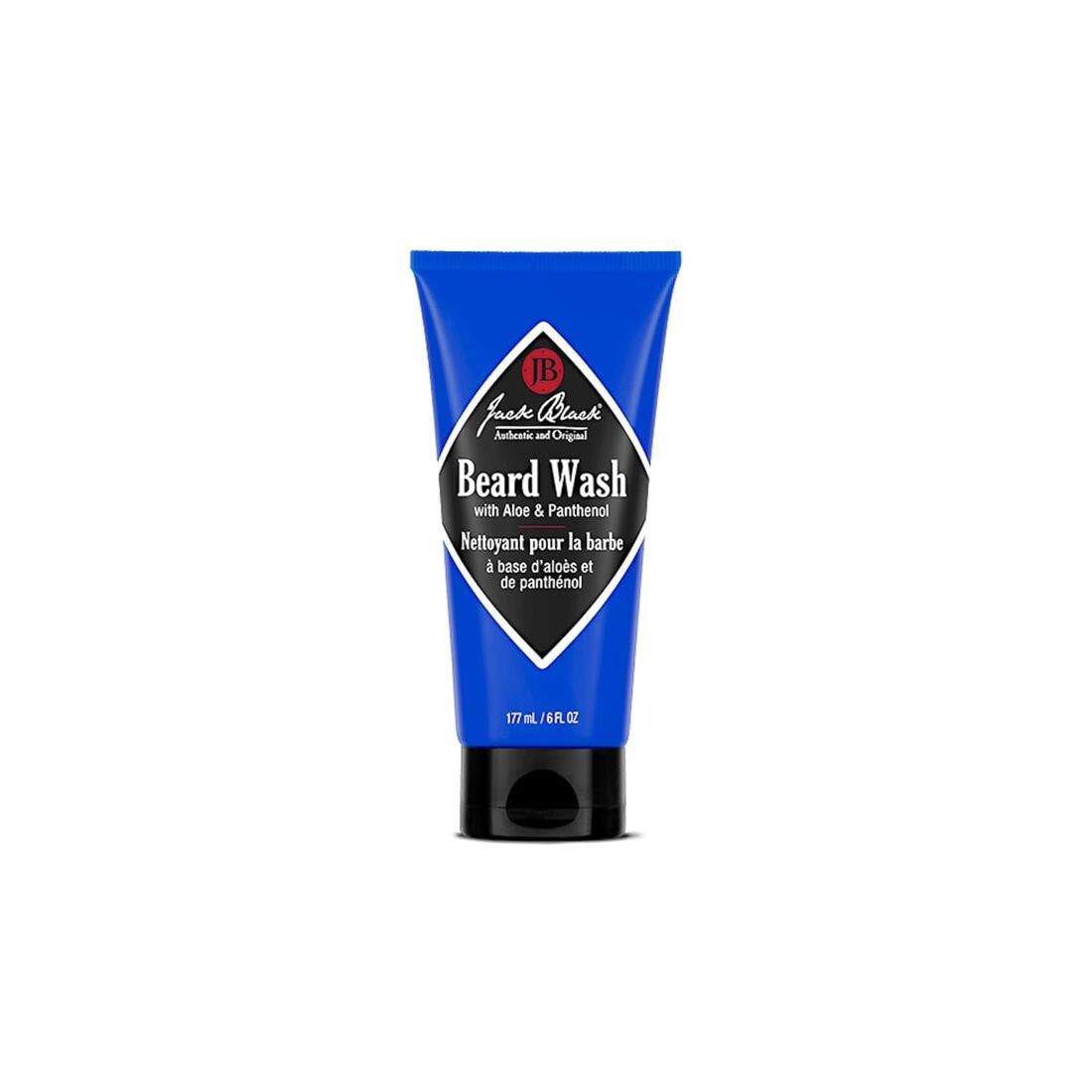
1. Jack Black Beard Wash
 |
|
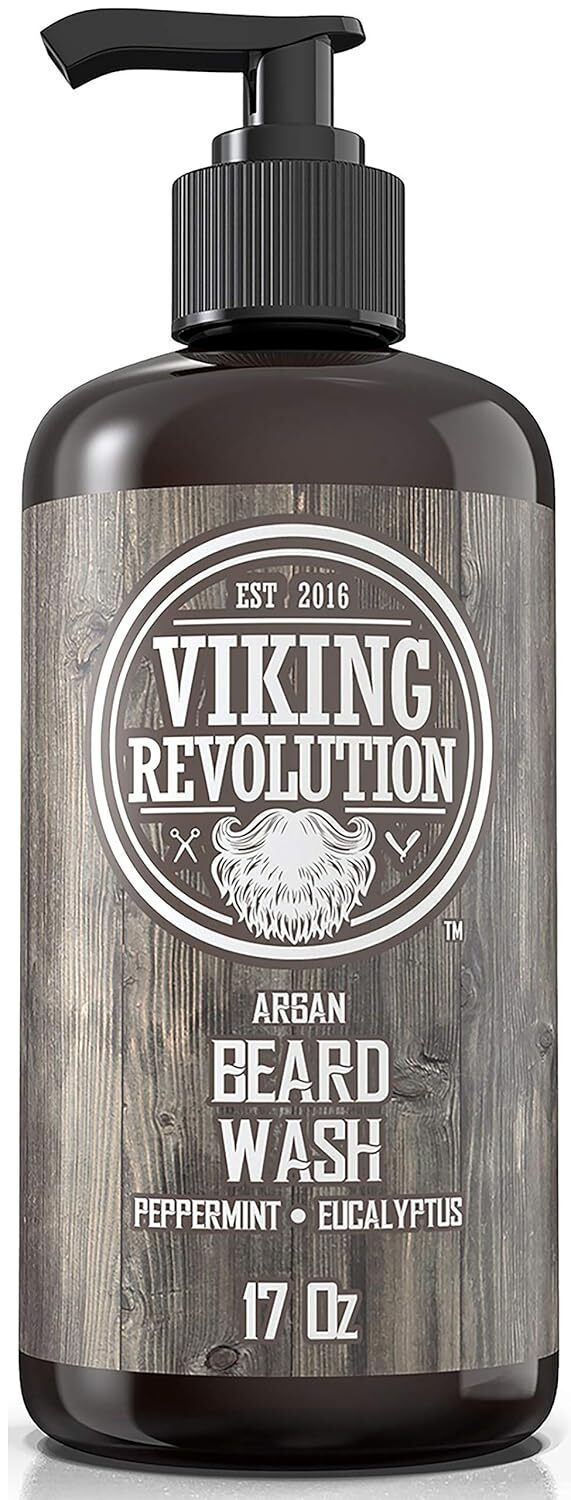
2. Viking Revolution Beard Wash
 |
|
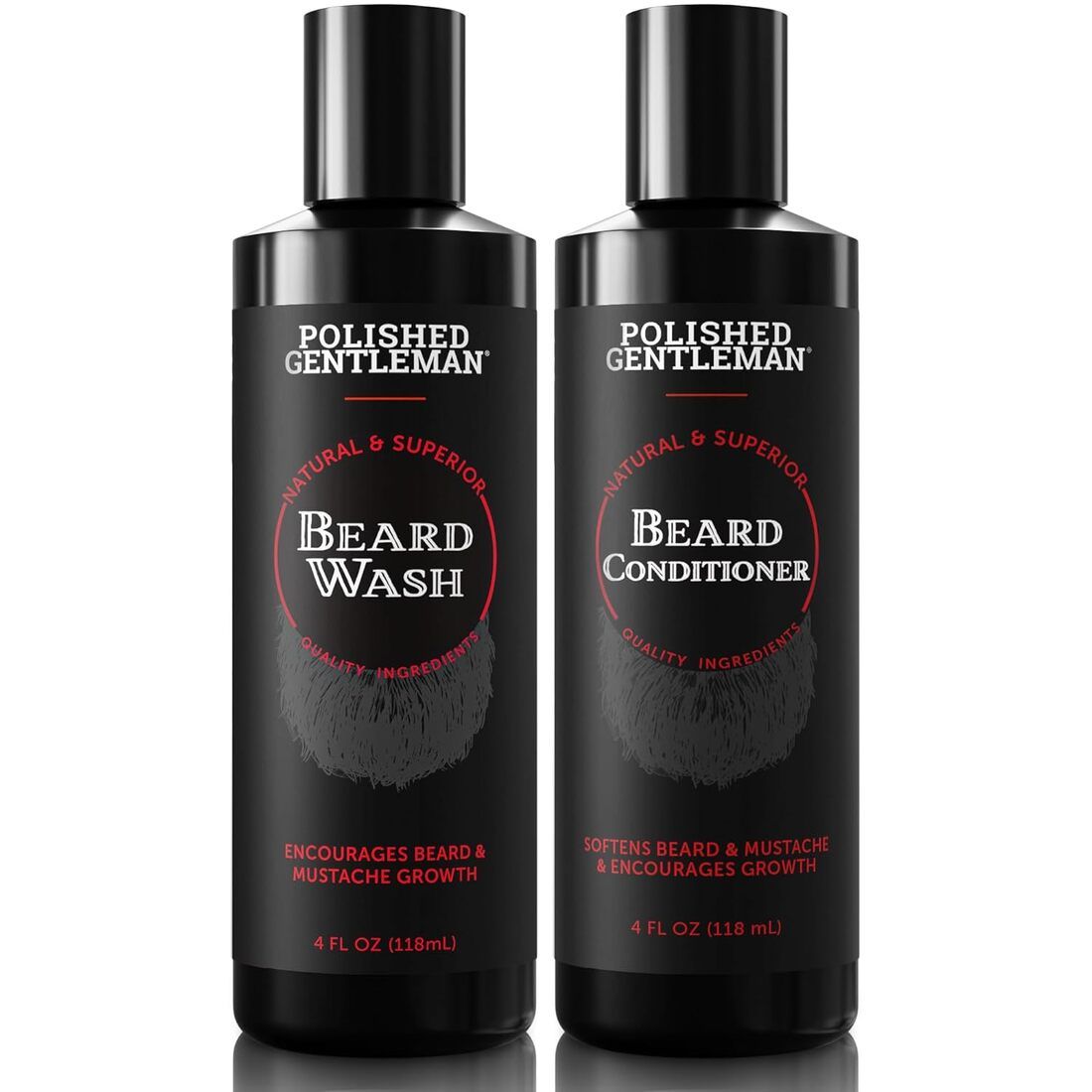
3. Polished Gentleman Beard Shampoo
 |
|
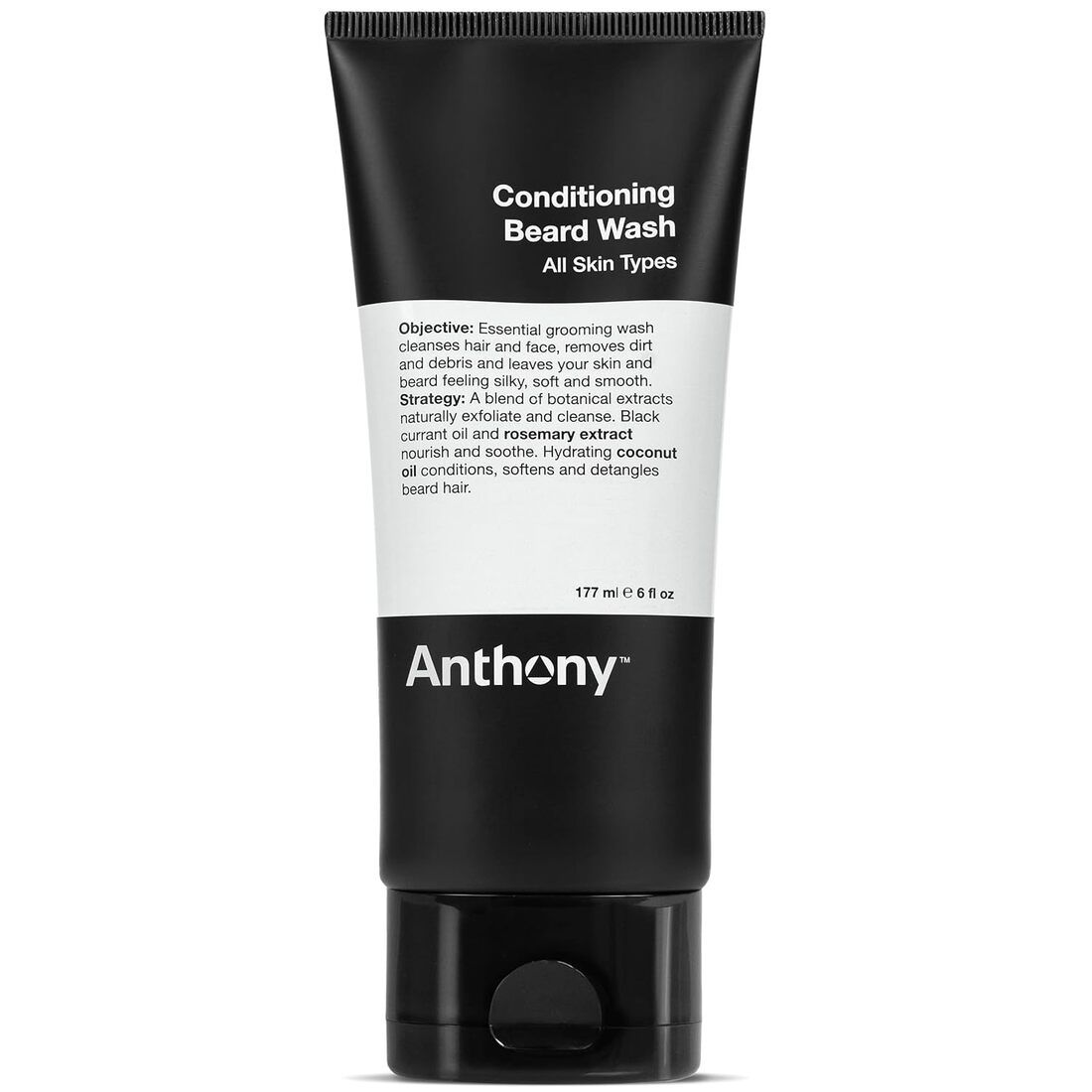
4. Anthony Conditioning Beard Wash
 |
|
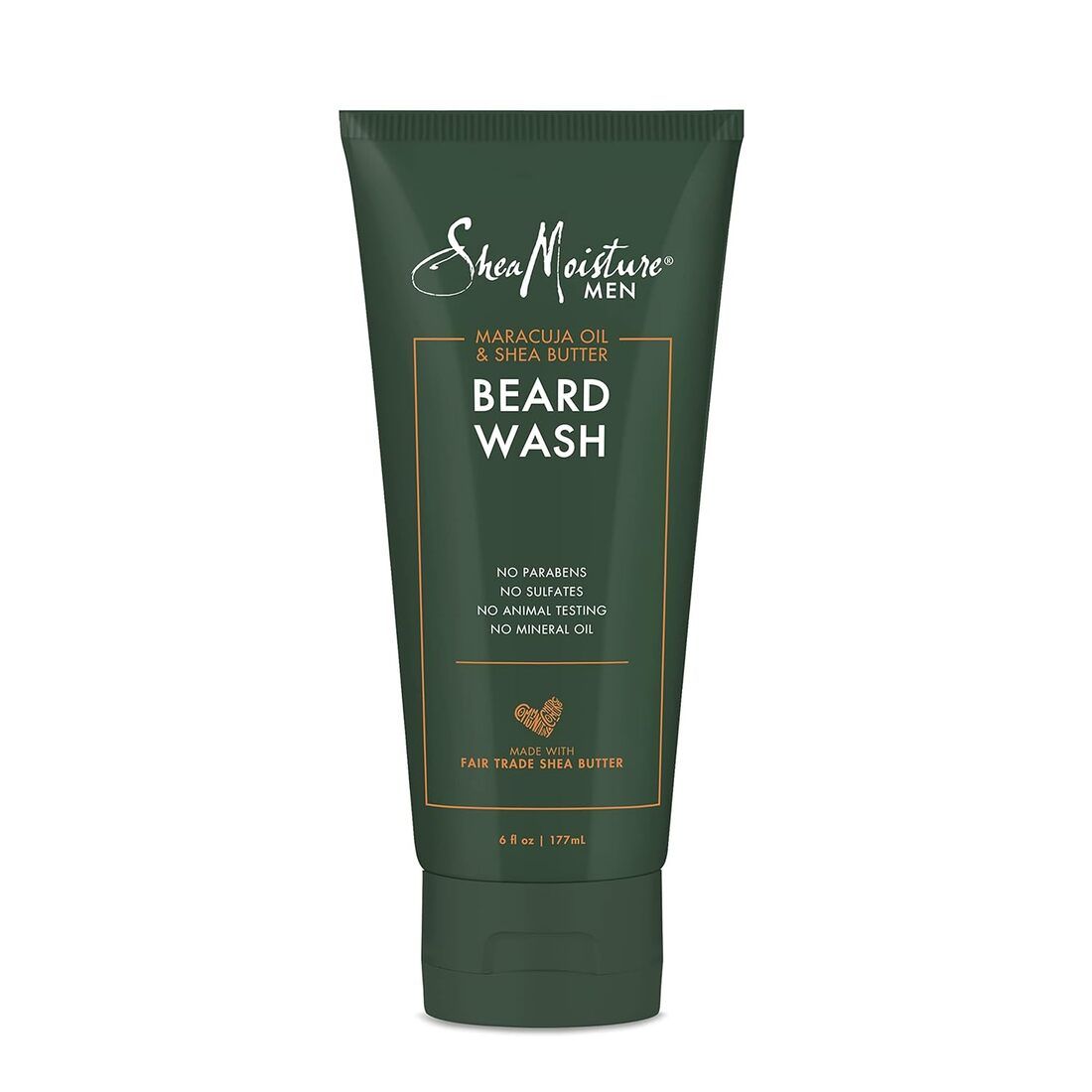
5. SheaMoisture Beard Wash
 |
|
How to Use Beard Shampoo Effectively
- Pre-Rinse: Start by rinsing your beard with warm water to open pores and loosen debris.
- Apply a Nickel-Sized Amount: A nickel-sized dollop usually suffices depending on beard length. Work the lather into your palms, then massage into your beard.
- Massage Gently: Use fingertips (or a soft beard brush) to ensure the shampoo reaches both hair and skin, especially around the chin and jawline.
- Rinse Thoroughly: Residue can lead to dryness or irritation. Rinse until the water runs clear.
- Follow with Conditioner or Oil: A dedicated beard conditioner or oil helps lock in moisture and reduce frizz.
- Pat Dry: Gently pat (not rub) your beard with a soft towel to avoid split ends or skin irritation.
Additional Tips for a Healthier Beard
- Frequency: Most men find 2–3 washes per week sufficient. If you sweat heavily or work out daily, you may need to adjust accordingly.
- Diet Matters: According to a 2023 American Academy of Dermatology briefing, a balanced diet high in protein, vitamins, and minerals helps promote robust hair growth.
- Stay Hydrated: Ample water intake keeps skin supple and less prone to dryness.
- Sunscreen: If parts of your face are exposed, protect them with SPF to prevent sun damage.
- Consult a Professional: Chronic itching, severe dandruff, or patchy loss may indicate an underlying issue requiring dermatological attention.
Does Beard Shampoo Actually Work? The Verdict
Based on multiple dermatological insights and scientific studies, beard shampoo isn’t just another marketing gimmick—it legitimately helps maintain a cleaner, healthier, and more attractive beard. The unique blend of milder surfactants, natural moisturizers, and pH-balanced formulas meets the specialized needs of facial hair, which differs greatly from scalp hair. Whether you're battling dryness or itching or simply aiming for a fuller, neater look, investing in a good beard shampoo can deliver noticeable results.
Q&A:
Common Beard Shampoo and Beard Care Questions
Q: What is the best beard shampoo on the market today?
A: The “best” beard shampoo can differ based on your beard’s texture and personal skin concerns. However, top contenders often share common denominators: sulfate-free formulas, pH-balanced ingredients, and natural moisturizers like jojoba or argan oil. In dermatologist surveys, Jack Black and Viking Revolution frequently top the list for gentle cleansers and soothing properties that prevent dryness and itch.
Q: Why should I use a dedicated beard shampoo and conditioner rather than standard hair products?
A: Facial hair is typically coarser, and the skin beneath has fewer oil glands than the scalp. Beard-specific products offer a milder cleanse while replenishing natural oils that standard hair shampoos often strip away. Pairing a beard shampoo with a compatible conditioner is crucial for locking in moisture, preventing split ends, and minimizing beard dandruff while maintaining healthier, balanced facial skin.
Q: What do Reddit users say about beard shampoo?
A: On subreddits like r/beards or r/malegrooming, you’ll find that most Redditors recommend switching to a dedicated beard shampoo if you’re facing dryness, itchiness, or breakouts. Common tips include choosing fragrance-free formulas for sensitive skin, looking for natural oils to combat beard dandruff, and sticking with a 2–3 times weekly wash schedule to avoid over-drying.
Q: Is there a difference between “beard wash” and “beard shampoo”?
A: In many cases, the terms “beard wash” and “beard shampoo” are used interchangeably by grooming brands. Both aim to cleanse facial hair and the underlying skin gently. What truly matters is the ingredient list—gentle surfactants, natural oils, and a balanced pH range. Some “washes” may be slightly milder or marketed toward sensitive skin, while “shampoos” can target specific issues like ingrown hairs or dandruff.
Q: Which brand offers the best beard shampoo and conditioner combo?
A: The ideal duo will thoroughly cleanse without stripping essential oils and then replenish moisture to reduce dryness and frizz. Brands like Beardbrand (Beard Wash + Softener) and Honest Amish (Soap + Conditioner Bar) stand out for their balanced, skin-friendly formulations. Dermatologists often highlight these combinations because they incorporate nourishing botanicals—like aloe, argan oil, or shea butter—ensuring your beard and skin stay in prime condition.
Q: Do beard shampoos genuinely do anything for facial hair and the skin underneath?
A: Absolutely. By using milder surfactants and nourishing oils, beard shampoos help remove dirt and excess buildup without stripping the limited natural oils on your face. They’re formulated specifically for coarser facial hair and the more delicate skin beneath, reducing dryness, itch, and flakiness that standard hair shampoos can sometimes exacerbate.
Q: Does anything actually help beard growth?
A: While genetics dictate much of your beard’s thickness and growth rate, certain factors can give nature a helping hand. According to dermatologists, maintaining a diet rich in protein, vitamins, and minerals (like zinc and iron) can encourage healthier hair. Staying hydrated, managing stress, and getting adequate sleep also play roles. Some men explore topical growth serums containing minoxidil, although results vary, and it’s best to consult a professional for personalized advice.
Q: Does beard conditioner really work?
A: A dedicated beard conditioner replenishes moisture, smoothing hair cuticles, and minimizing tangles. It also soothes the skin underneath, reducing itch and flakiness. This can mean the difference between an unmanageable, scraggly look and a soft, well-groomed appearance for thicker or coarser beards.
Q: When should you start using beard shampoo?
A: Once your facial hair grows past light stubble and starts feeling coarse or itchy, it’s time to consider a beard shampoo. Typically, this happens around 1–2 cm or a few weeks into your beard-growing journey. Adopting a gentle, pH-balanced cleanser can help prevent dryness, breakouts, and beard dandruff as your hair fills in.
Q: Is it okay to wash a beard with just water?
A: A water-only rinse can remove some surface debris and sweat, but it won’t effectively clear out excess oils, dead skin cells, or product buildup. Over time, these can clog pores and lead to unwanted issues like itchiness or ingrown hairs. For a thorough cleanse—especially if you use styling products or live in a polluted environment—a beard shampoo remains the gold standard for maintaining a healthy, well-groomed beard.
References & Further Reading
- American Academy of Dermatology
- Journal of Cosmetic Dermatology
- International Journal of Trichology
Disclaimer: This article is for informational purposes only and does not replace professional medical advice. Always consult a qualified dermatologist or healthcare provider for personalized recommendations regarding beard care and skin conditions.


Share Your Opinion, Please