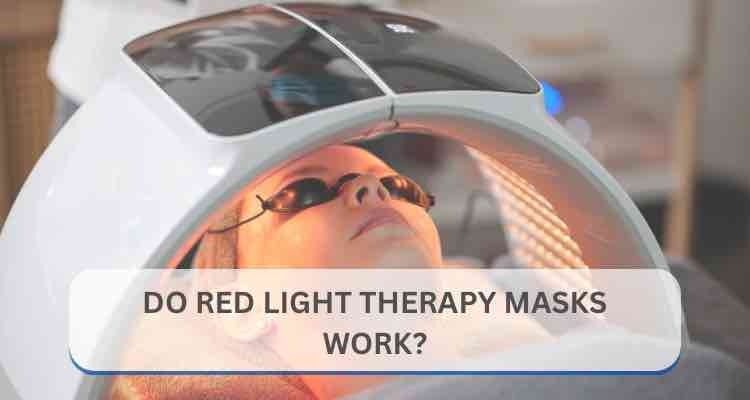
In 2026, red light therapy masks have evolved from a niche beauty gadget into a cornerstone of modern skincare. Celebrities endorse them, skincare experts recommend them, and scientific studies back their benefits—from wrinkle reduction and acne control to skin rejuvenation. But do they work? This definitive guide dives into the science, reviews cutting-edge clinical evidence, and provides actionable advice to help you decide if these masks deserve a place in your skincare routine.
The Science Behind Red Light Therapy
Red light therapy—also known as photobiomodulation (PBM) or low-level light therapy (LLLT)—uses low-intensity red and near-infrared light to trigger positive biological changes in the skin.
Cellular Mechanisms: How It Really Works
- Light Absorption and Penetration: Red light (600-700 nm) and near-infrared light (700-1200 nm) penetrate the skin, reaching the epidermis, dermis, and subcutaneous layers. Some wavelengths can penetrate up to 8-10 millimeters deep.
- Mitochondrial Activation: Within each cell, mitochondria absorb the light through a key enzyme, cytochrome c oxidase. This boosts the production of adenosine triphosphate (ATP)—the energy that fuels essential cellular repair and regeneration, including protein synthesis like collagen and elastin.
- Reactive Oxygen Species (ROS) Regulation: The therapy helps balance ROS levels. While excessive ROS can damage cells, a controlled amount acts as a signal for repair and rejuvenation, reducing inflammation and oxidative stress.
- Downstream Cellular Effects: With higher ATP levels and balanced ROS, skin cells accelerate repair, boost collagen production, and reduce inflammation, jump—starting their cells' natural repair system.
| Key Takeaway: Red light therapy leverages your cells' natural processes to improve skin health from the inside out. |
Red Light Therapy Masks: Technology and Innovation
Red light therapy masks bring laboratory-proven technology into your home. Equipped with arrays of light-emitting diodes (LEDs), these devices emit specific wavelengths that target key areas of the face.
- Wavelength Specificity: Most masks emit red light at 630-660 nm for collagen synthesis and near-infrared at 830 nm for deeper tissue repair. Premium models may include blue light (around 415 nm) for acne treatment.
- Power Density and Coverage: At-home masks typically offer a safe range of 10-30 mW/cm², ensuring even light distribution across the face.
Imagine a futuristic spa experience at home, where your skin receives a targeted, gentle boost to kick cellular repair into high gear.
Clinical Evidence and Comparative Analysis
Anti-Aging and Skin Rejuvenation
2014 Study (Photomedicine and Laser Surgery): Participants experienced a 31% reduction in fine lines and a 25% improvement in skin roughness after 12 weeks of red light therapy at 660 nm.
2020 Trial (Journal of Cosmetic and Laser Therapy): A combination of red light (635 nm) and near-infrared (830 nm) resulted in smoother, plumper skin with a 36% reduction in wrinkle depth after 8 weeks.
Acne and Inflammation Control
2018 Study (Journal of the American Academy of Dermatology): A regimen combining red (630 nm) and blue (415 nm) light reduced acne lesions by 70% and significantly decreased inflammatory markers.
Board-certified dermatologist Dr. Dina Began notes that lasers can be "incredibly effective tools in winning the battle against the appearance of aging skin," highlighting their versatility in treating conditions such as acne, rosacea, fine lines, and wrinkles.”
Wound Healing, Scarring, and Beyond
Early NASA-funded research and a 2021 study on human skin grafts showed that 660 nm light can improve recovery speed by 40%, reducing scar visibility.
How They Stack Up Against Other Treatments
Unlike invasive procedures such as fillers or lasers, red light therapy offers a non-invasive, low-risk option for gradual skin improvement. Compared to topical treatments, the deep cellular stimulation provided by these masks often yields more sustained results.
Impact on Skin Health: Detailed Benefits
- Wrinkle Reduction & Firmness: Increased collagen and elastin synthesis smooths fine lines and firms sagging skin.
- Even Skin Tone: Enhanced cell turnover fades hyperpigmentation and sunspots.
- Acne and Inflammation Relief: Red light soothes inflamed skin while blue light combats bacteria.
- Hydration and Barrier Function: Improved skin barrier function locks in moisture for a dewy glow.
- Overall Texture Improvement: Reduced inflammation and increased cell repair lead to smoother, softer skin.
Key Takeaway: Regular use (3–5 sessions per week over 4–12 weeks) results in noticeable, cumulative improvements in skin health. |
Safety, Precautions, and Expert Opinions
Red light therapy stands out for its safety profile. Unlike UV light, it does not damage DNA or cause burns.
- Minimal Side Effects: Temporary redness or mild irritation may occur in sensitive skin but generally subside quickly.
- FDA Clearance: Most at-home masks are classified as Class II medical devices, ensuring strict safety and efficacy.
- Expert Insights:
Dr. Ellen Marmur: “Red light therapy is one of the safest tools in my skincare toolkit—effective for daily use without the harsh side effects of more invasive treatments.”
Dr. Michael Hamblin: “We're only beginning to understand red light's potential; its applications could soon extend well beyond skin health.”
Maximizing Results: Best Practices for Use
- Session Length and Frequency: Aim for 10–20 minutes per session, 3–5 times per week.
- Skin Preparation: Use on clean, makeup-free skin for optimal light penetration.
- Optimal Timing: Evening sessions align with your body's natural repair cycle.
- Complementary Skincare: Follow up with a hydrating serum and sunscreen (if used during the day).
- Track Your Progress: Document changes with before-and-after photos to monitor improvements.
| Quick Tip: Consistency is key for gradual yet visible transformation. |
Choosing the Best Mask for 2026
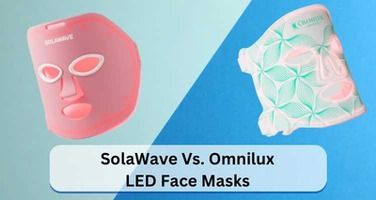
- FDA Clearance: Opt for FDA-approved products, such as the Omnilux Contour Face.
- Wavelength & Multi-Modal Options: Look for masks that emit red light at 630–660 nm and near-infrared at 830 nm, with bonus blue light (around 415 nm) for acne treatment.
- Power Density: A power density of around 20–30 mW/cm² is optimal for home use.
- Ergonomic Design: Lightweight, adjustable designs that ensure even coverage are ideal.
- User Feedback: Check reviews for durability and visible results.
Future Trends in Red Light Therapy
As research continues, the future of red light therapy looks even more promising:
- Smart Masks with AI Integration: Emerging models will adjust light intensity based on real-time skin feedback.
- Broader Therapeutic Applications: Ongoing trials explore benefits for cognitive enhancement, depression, and Alzheimer's.
- Combination Therapies: Look for masks integrating red light with microcurrent or radiofrequency technology to maximize anti-aging effects.
Frequently Asked Questions (FAQ)
Q1: How long before I see results?
Noticeable improvements occur after 4–12 weeks of consistent use (3–5 sessions per week).
Q2: Can I use red light therapy masks with my skincare routine?
Yes. Use them on clean, bare skin for best results and follow up with serums and sunscreen.
Q3: Are there any risks or side effects?
Red light therapy is very safe with minimal side effects such as temporary redness or mild irritation in sensitive skin.
Q4: How do these masks compare to professional treatments?
While professional devices may offer higher intensities, at-home masks provide cumulative benefits with a lower risk profile.
Conclusion
Red light therapy masks represent a revolutionary, evidence-backed approach to skincare. They stimulate cellular repair, reduce inflammation, and improve skin texture—all without invasive procedures. As science and technology advance, these masks are set to become even smarter and more effective.
Ready to experience your own skin transformation? Try incorporating a red light therapy mask into your routine, share your results, and join the conversation on the future of skincare.
Further Reading & References
The information presented in this article is for educational and informational purposes only and is not intended as a substitute for professional medical advice, diagnosis, or treatment. Always consult with a qualified healthcare provider or dermatologist before beginning any new skincare regimen or using red light therapy masks, particularly if you have any pre-existing conditions or concerns about potential side effects. Individual results may vary, and the effectiveness of any treatment will depend on various factors unique to each person. The authors and publisher assume no responsibility for any adverse effects or outcomes resulting from the use or misuse of the information provided herein.