Hair loss affects millions of people worldwide, spanning different ages and genders. According to some estimates by health organizations, approximately 50% of men and women will experience noticeable thinning or balding by the time they reach their 50s [1]. One of the leading causes is androgenetic alopecia—often called “pattern hair loss”—which is triggered by genetic, hormonal, and environmental factors [2].
Various solutions have been proposed to address this issue, including topical medications (such as minoxidil), oral drugs (such as finasteride), platelet-rich plasma (PRP) therapy, hair transplant surgeries, and, increasingly popular, at-home devices like laser caps.
Key Takeaways:Laser caps offer an innovative, non-invasive option for addressing hair loss. Backed by growing evidence, they may help slow thinning, promote new growth, and potentially rejuvenate dormant follicles—especially when used consistently and in combination with other therapies. If you’re looking for a low-maintenance, at-home approach to hair regrowth, a laser cap could be a worthwhile addition to your routine.
|
What Are Laser Caps?
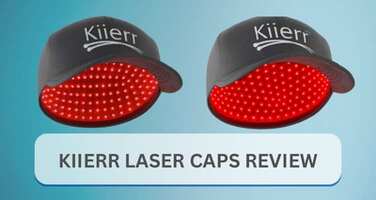
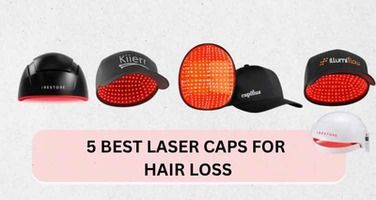
Laser caps are portable, wearable devices that deliver low-level laser therapy (LLLT) to the scalp. Users typically wear these caps several times a week for short sessions, aiming to stimulate hair follicles and slow or reverse thinning. But the big question remains: do laser caps actually work for hair loss?
The Science of Hair Growth
Hair Growth Cycle Basics
To fully grasp how laser caps work, it’s crucial to understand the hair growth cycle, which includes:
- Anagen (Growth) Phase: Hair follicles actively produce hair shafts. This phase can last 2–6 years, depending on genetics.
- Catagen (Transitional) Phase: The follicle detaches from the dermal papilla, slowing hair production.
- Telogen (Resting) Phase: The strand eventually falls out, and the follicle resets before re-entering the Anagen phase.
Hair may thin or stop growing altogether when this cycle is disrupted—due to hormonal imbalances, stress, or genetic predisposition.
Causes of Hair Loss
- Hormonal Factors: An excess of DHT (dihydrotestosterone) often leads to shrinking follicles and shortened anagen phases [3].
- Genetic Predisposition: If your parents experienced pattern hair loss, you’ll likely encounter it.
- Lifestyle & Environmental Factors: Poor nutrition, high stress, and scalp health issues can exacerbate thinning.
Related: Can Laser Caps Help with Seasonal Hair Loss
How Laser Caps Work: Low-Level Laser Therapy Explained
Low-Level Laser Therapy (LLLT) is also known as photobiomodulation. It leverages specific wavelengths of light—often between 650nm and 900nm—to boost cellular function. Research suggests that when these wavelengths penetrate scalp tissues, they can enhance cell adenosine triphosphate (ATP) production [4]. More ATP can improve cellular metabolism, potentially encouraging hair follicles to enter or remain in the growth phase [5].
Because the laser energy is low-level, it doesn’t cause heat damage (i.e., it’s non-thermal). Hence, it’s considered a non-invasive and relatively safe method [6].
Laser Caps vs. Other LLLT Devices
- Laser Helmets & Combs: These devices offer similar principles but may require hands-on use (laser comb) or might be bulkier (helmet).
- In-Office vs. At-Home Treatments: While professional clinics may offer higher-powered equipment, at-home laser caps deliver convenience and consistent frequency—often an essential factor in hair regrowth success.
Laser Caps Derms Frequently Recommend
1. iRestore Elite:
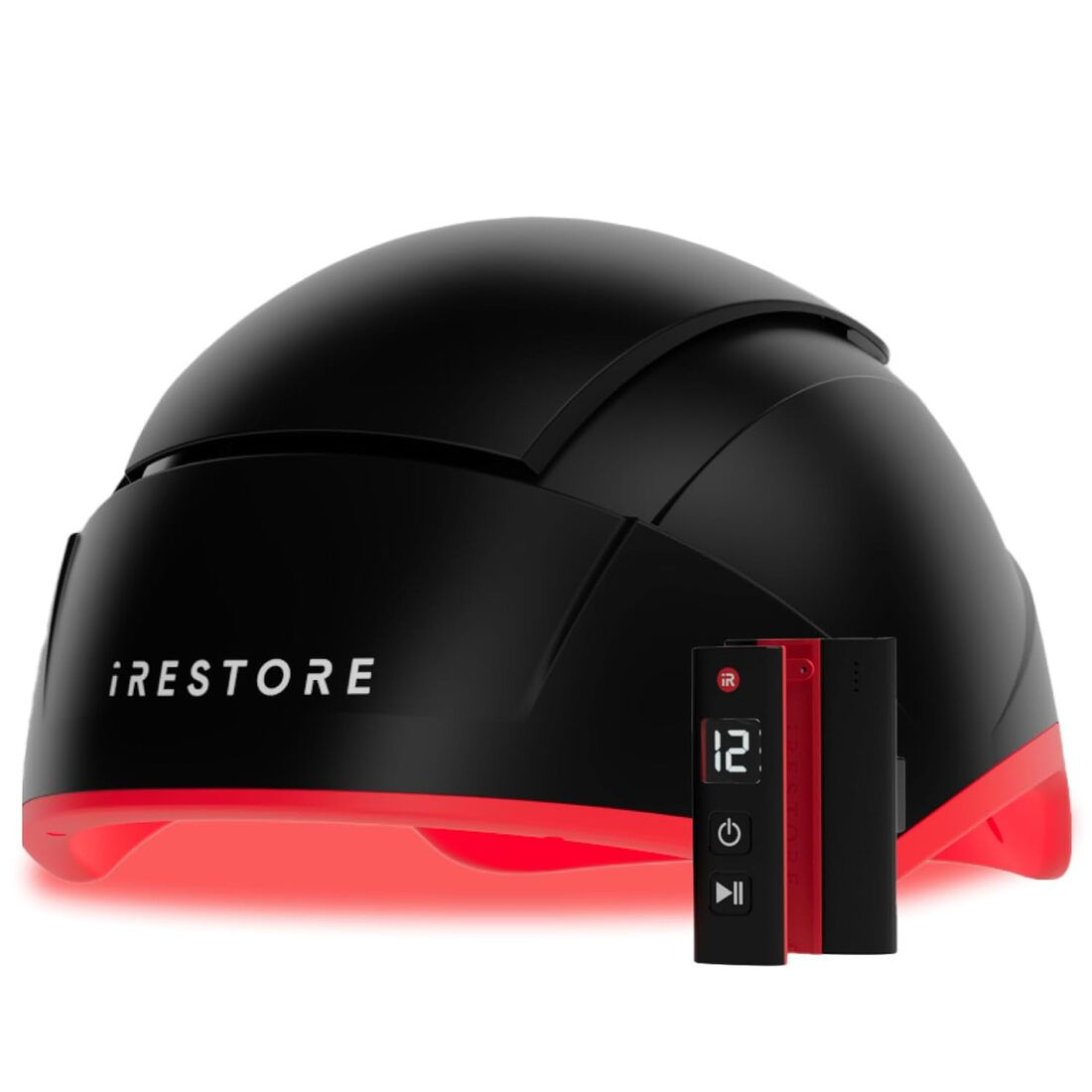 |
Key Features:
Pros & Cons: Who It’s Best For: Ideal for beginners and those who value a trusted, well-known option with extensive customer support. |
2. Kiierr MD Ultra Flex Cap
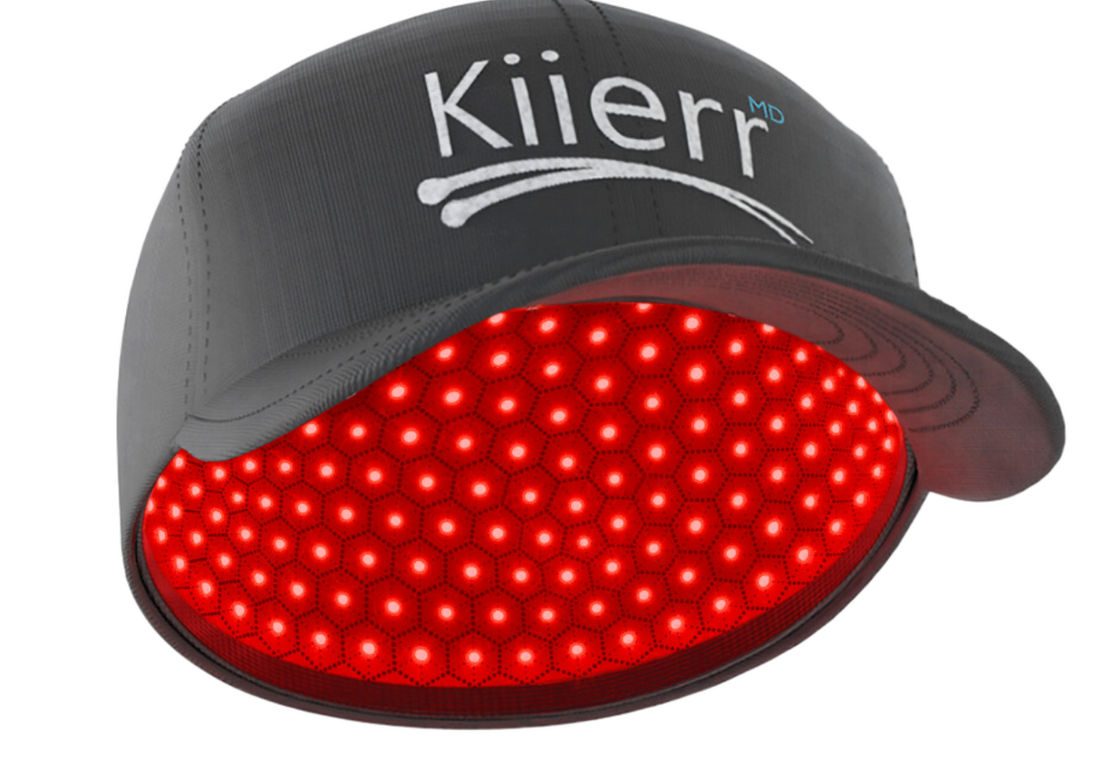 |
Key Features:
Pros & Cons: Who It’s Best For: Individuals seeking a near-clinical experience at home, especially those committed to an advanced device prioritizing performance and comfort. |
3. iRestore Professional
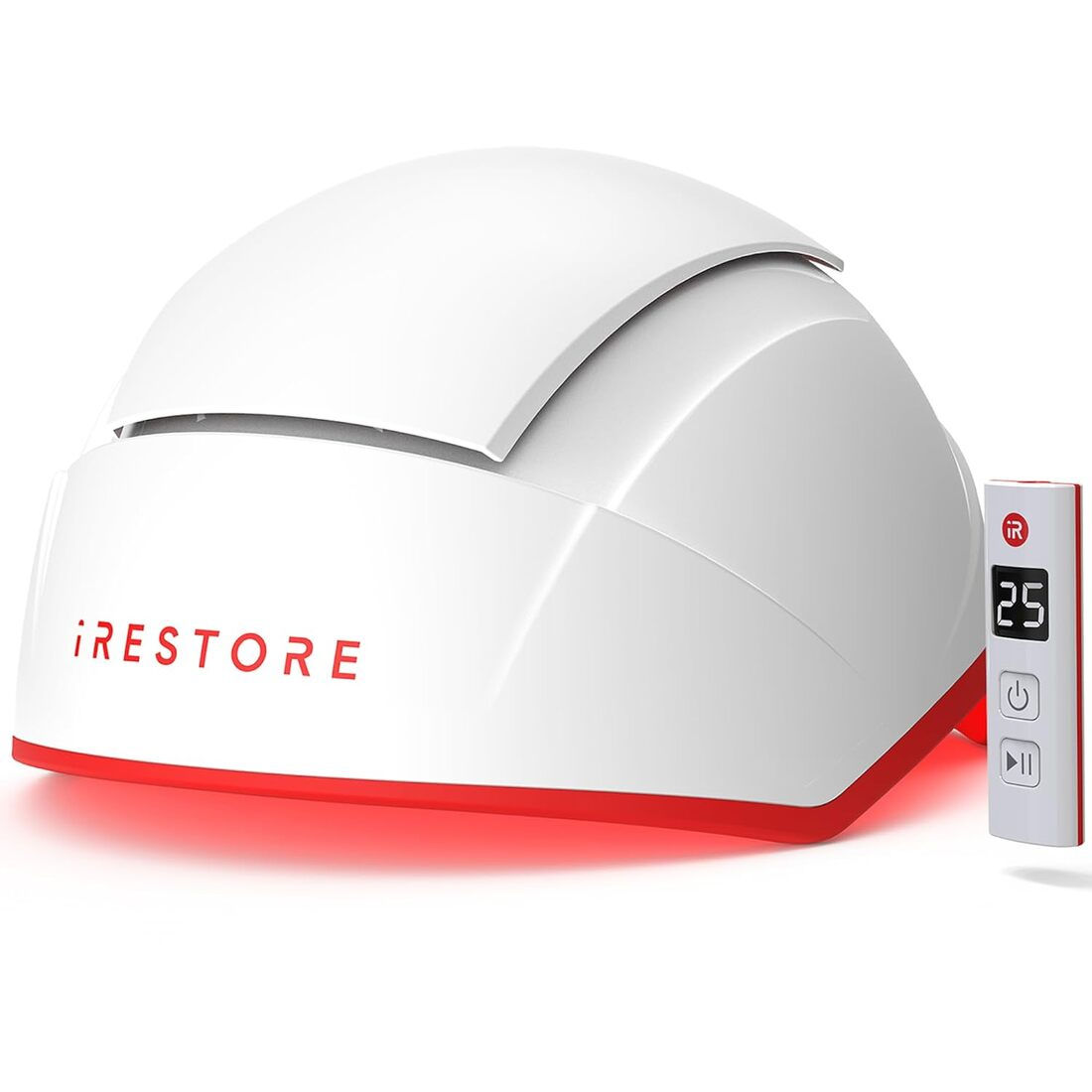 |
Key Features:
Pros & Cons: Who It’s Best For: Individuals with moderate to advanced hair loss looking for substantial scalp stimulation and coverage. |
Clinical Evidence & Research Findings
Key Studies on LLLT for Hair Regrowth
Multiple clinical trials and meta-analyses have shown that LLLT can improve hair density and thickness in patients with androgenetic alopecia [7]. Some devices have even received FDA clearance for treating hair loss, indicating they meet certain safety and efficacy criteria [8].
One notable study published in the Journal of Cosmetic and Laser Therapy reported that participants using LLLT devices regularly saw an increase in hair count after 16 weeks. While individual results vary, the data consistently indicate a positive correlation between laser therapy and hair regrowth.
Expert Opinions
Dermatologists and trichologists often consider LLLT a complementary option rather than a standalone cure. The American Academy of Dermatology (AAD) recognizes its potential benefits but also emphasizes that outcomes can differ based on the cause and severity of hair loss.
Strength of Evidence
While a growing body of evidence suggests LLLT can be effective, researchers do call for more large-scale, long-term studies. Nonetheless, the current consensus is that LLLT is a safe, non-invasive method that can help certain individuals achieve thicker, healthier-looking hair.
Benefits and Drawbacks of Using Laser Caps
Pros
- Non-Invasive and Painless: Laser caps require no incisions or downtime, unlike surgical options.
- At-Home Convenience: Wear the cap while performing daily tasks, such as reading or cooking.
- Long-Term Cost-Effectiveness: One cap can last for years, eliminating ongoing clinic visit fees.
Cons
- Not a Quick Fix: It typically takes 3–6 months (or more) of consistent use before noticing improvements [9].
- Cost Barriers: Quality laser caps can be expensive, requiring an initial financial commitment.
- Individual Variation: Results depend on the severity of hair loss, genetics, and overall health.
Who Might Benefit the Most?
- Individuals in the early stages of hair thinning.
- Those looking to supplement other treatments, such as minoxidil or finasteride.
- Patients seeking maintenance post–hair transplant surgery.
Comparing Laser Caps to Other Hair Loss Treatments
Medications (Minoxidil, Finasteride)
Minoxidil: A topical solution that prolongs the anagen phase.
Finasteride: An oral medication that reduces DHT levels.
LLLT Complement: Using a laser cap alongside these medications can yield more synergistic benefits, though you should consult a healthcare professional first.
Platelet-Rich Plasma (PRP) & Microneedling
PRP: Injects a concentration of platelets to rejuvenate follicles.
Microneedling: Creates micro-injuries on the scalp to promote collagen and better absorption of topical agents.
LLLT Contrast: While PRP and microneedling are minimally invasive, LLLT is completely non-invasive and can be done at home.
Hair Transplants (FUE, FUT)
Surgical Intervention: Follicular Unit Extraction (FUE) or Follicular Unit Transplantation (FUT) are permanent but invasive solutions.
Maintenance with Laser Caps: Many hair transplant clinics recommend LLLT post-surgery to support newly transplanted follicles and scalp healing.
What to Look for When Buying a Laser Cap
FDA Clearance and Certifications
Choose a device with FDA clearance, ensuring it meets established safety and efficacy guidelines [10]. Be wary of products making outlandish claims without any regulatory oversight.
Wavelength and Light Output
Research typically supports wavelengths in the 650nm range for hair growth [4]. The number of laser diodes and the total power output also matter for consistent coverage and efficacy.
Construction and Coverage
- Number of Laser Diodes: More diodes often mean better coverage.
- Design & Comfort: Look for a cap that fits comfortably and has adequate ventilation so you’re more likely to use it regularly.
Warranty and Return Policies
Reputable brands usually offer money-back guarantees or extended warranties. This speaks to product quality and helps if you decide the device isn’t right for you.
Related: Best Laser Caps for Hair Loss in 2026
Possible Side Effects and Safety Considerations
Common Side Effects
Some users report mild scalp irritation, dryness, or itching. These can often be minimized by reducing session frequency or ensuring the scalp is clean prior to use. Rarely do individuals experience mild headaches if the device exerts too much pressure or is worn incorrectly.
Who Should Avoid Laser Caps?
- People with photosensitivity or certain scalp conditions should consult a doctor before using a laser cap.
- If you have open wounds or lesions on your scalp, speak with a healthcare professional first.
Consult a Professional
Always talk to a dermatologist or trichologist before starting new hair loss treatments—especially if you’re already on other therapies. A professional can confirm whether LLLT suits your specific type of hair loss.
Step-by-Step Guide to Using a Laser Cap
Pre-Use Preparations
- Clean Scalp: Remove styling products like gels or sprays that might block light penetration.
- Check Device Status: Ensure your laser cap is fully charged and functioning properly.
Duration and Frequency
Many manufacturers suggest 15–30 minutes per session, 2–3 times per week [11]. Always follow the specific instructions provided with your device.
Post-Use Care
- Use a gentle shampoo and conditioner; harsh chemicals can irritate the scalp.
- Track your progress through photos or hair measurements to see gradual improvements.
- Monitor for any scalp discomfort or redness and adjust usage accordingly.
Real-World Success Stories and Testimonials
Before and After Cases
Many users share impressive before-and-after images showing thicker hair after consistent use. Keep in mind, however, that individual results vary. Genetics, lifestyle factors, and adherence to the recommended treatment schedule all play major roles.
Video Testimonials
An added benefit for prospective buyers is the availability of user-generated videos online. Hearing firsthand accounts—and seeing results—can provide realistic expectations. Be sure to differentiate genuine testimonials from sponsored or paid endorsements.
Summary: Do Laser Caps Work for Hair Loss?
Evidence-Based Conclusion
Laser caps leveraging low-level laser therapy have demonstrated promising results for mild to moderate hair loss. While still evolving, clinical evidence points toward a positive impact on hair thickness and density. Not everyone experiences the same regrowth, but many see enough improvement to justify continued use.
Who Should Consider Laser Caps?
- Those noticing early-stage hair loss and looking for a non-pharmaceutical alternative.
- Individuals already on minoxidil or finasteride who want to enhance their treatment plan.
- Post-surgery patients aiming to support transplanted follicles or maintain hair health.
Next Steps
- Consult with a professional: A dermatologist or trichologist can provide personalized advice.
- Combine treatments: Consider pairing LLLT with other topical or oral medications, if advised.
- Maintain realistic expectations: Consistency and patience are key to seeing meaningful results.
Can a laser cap cause hair loss?
Contrary to what some might fear, a properly used laser cap is unlikely to cause hair loss. In fact, Low-Level Laser Therapy (LLLT) devices like laser caps are specifically designed to stimulate hair follicles and encourage the growth phase (anagen). However, a few nuances are worth mentioning:
- Initial Shedding (“Dread Shed”):
When introducing a new hair-stimulating treatment—whether it’s minoxidil, finasteride, or a laser cap—some users may experience a short-lived increase in shedding. Often called the “dread shed,” this temporary phenomenon occurs as older hairs are pushed out to make room for new growth. While it can be alarming, this shedding period is typically transitional and not an indicator of permanent hair loss.
- Improper Usage or Device Issues:
Although rare, potential problems could arise if a device is malfunctioning (e.g., emitting incorrect wavelengths) or if the user applies it far more frequently than recommended. Overuse might irritate the scalp, potentially leading to breakage or shedding unrelated to actual follicle damage. Always follow the manufacturer’s guidelines and consult a healthcare professional if you notice unusual scalp irritation or hair fallout.
- Underlying Conditions:
If someone has an undiagnosed scalp disorder (like severe dandruff, psoriasis, or fungal infections), the inflammation or root cause may exacerbate hair shedding—with or without laser cap usage. In such cases, addressing the underlying condition is crucial before any hair growth method can be effective.
Overall, no widespread evidence indicates that FDA-cleared laser caps directly cause long-term hair loss. On the contrary, many clinical studies and user experiences suggest they help maintain or increase hair density over time. If you experience persistent or excessive shedding after starting laser therapy, consult a dermatologist or trichologist to rule out any pre-existing conditions and to ensure you’re using the device correctly.
Frequently Asked Questions
1. What do reviews say about laser caps for hair loss?
Many users report positive experiences with laser caps, noting thicker hair and reduced shedding. Online reviews, including those on major e-commerce sites and consumer forums, highlight both the convenience and the gradual nature of results. Remember that individual outcomes vary, and consistency in use is key.
2. What are the potential side effects of using a laser cap for hair growth?
Common side effects can include mild scalp irritation or itching, often due to prolonged usage or an overly tight cap. Serious adverse effects are rare. If you experience persistent redness or discomfort, discontinue use and consult a dermatologist.
3. What do before-and-after results show about laser caps for hair loss?
Yes—numerous before-and-after photos are circulating online. These images often show increased hair density and reduced visible scalp in users who have consistently used a laser cap for at least 3–6 months. However, personal factors (like genetics and overall scalp health) play a big role in the extent of improvement.
4. What is the best laser cap for hair growth?
The “best” laser cap varies by individual needs and budget. Look for FDA-cleared devices with adequate laser diode coverage (often around 650nm) and positive user reviews. Brands that offer warranties, return policies, and reputable customer support are generally safer bets.
5. What do people on Reddit say about using laser caps for hair loss?
On Reddit, you’ll find a mix of anecdotal reviews. Many users report moderate improvements in hair thickness and reduced shedding after regular use, while others see minimal changes. This disparity highlights the individual variability in results.
6. Which device is considered the best for laser hair growth?
Apart from laser caps, devices like laser headbands or laser combs also exist. “Best” is subjective, but caps typically provide full scalp coverage and hands-free convenience. Ensure you pick a device that fits your lifestyle and has credible scientific backing or FDA clearance.
7. What are the common side effects of low-level laser therapy (LLLT) for hair?
LLLT (Low-Level Laser Therapy) for hair is generally considered safe. Potential side effects include mild scalp redness, dryness, or itching—largely manageable by adjusting usage frequency. Always adhere to the manufacturer’s recommended guidelines.
8. What do reviews say about laser light therapy for hair loss?
Clinical studies and user testimonials generally indicate positive trends in hair density and quality with laser light therapy. Research supports LLLT as a non-invasive option for mild to moderate androgenetic alopecia, but be aware that it’s not an overnight solution.
9. Are any laser caps FDA-approved (or cleared)?
Yes. Several laser cap brands have been FDA-cleared for hair loss treatment, indicating they meet certain safety and efficacy standards. Before purchasing, verify the specific device’s FDA status and check for supporting documentation on the manufacturer’s website.
10. Does the Theradome actually work?
Theradome is one of the recognized brands that has received FDA clearance. Many users report positive results, but, like all LLLT devices, individual outcomes depend on factors such as the cause of hair loss, duration of use, and overall scalp health.
11. Do laser hair combs really work?
Laser hair combs use similar technology but typically cover less scalp area at once and require manual movement. They can be effective when used consistently and correctly, but many find laser caps more convenient because they provide hands-free, uniform coverage.
12. What are the side effects of the laser hair cap?
Side effects are usually minimal. Some people experience mild scalp itching, warmth, or temporary redness. These often subside with reduced usage frequency or improved cap fit. Stop using the device and consult a healthcare professional if discomfort persists.
13. What happens if you stop using a laser cap?
If you discontinue use, your hair follicles may eventually revert to their prior state of shedding or thinning, particularly if you have androgenetic alopecia. Maintenance sessions are often recommended to preserve any gains in thickness or density.
14. Do laser caps help regrow hair?
While laser caps don’t guarantee regrowth for everyone, studies show they can stimulate dormant follicles and potentially encourage new growth in individuals with mild to moderate hair loss. Adherence to a routine schedule is crucial for best results.
15. What is the success rate of the laser cap?
Defining an exact success rate is challenging because results differ widely. Clinical data suggest that a notable percentage of users experience improved hair thickness and reduced shedding. Success often hinges on factors like early intervention, consistent usage, and combining treatments (e.g., minoxidil or finasteride).
16. How long does it take for a laser hair cap to work?
Most people see initial improvements (less shedding, slight thickening) around the 3–6 month mark, but it may take up to a year to witness full benefits. Patience and regular usage are essential; sporadic use typically yields less noticeable changes.
17. Are laser hair caps legit?
Many laser caps are FDA cleared, indicating they’ve undergone testing for safety and some level of efficacy. Users worldwide report positive outcomes, though it’s important to purchase from reputable brands to ensure quality and authenticity.
18. Is it OK to use a laser cap every day?
Usage recommendations vary by brand, with most suggesting 2–3 sessions per week for 15–30 minutes each. Using it daily may not accelerate results and could increase scalp irritation. Always follow the manufacturer’s guidelines.
19. What is a good DHT blocker?
Finasteride (Propecia) is a well-known oral medication that inhibits DHT production. Other over-the-counter options, like saw palmetto shampoos or supplements, claim to block DHT, though evidence varies. Consult a healthcare professional for personalized advice.
20. Is laser cap FDA approved?
While “FDA approved” is a common phrase, for many medical devices, the correct term is “FDA cleared.” Several laser cap models have indeed secured FDA clearance for hair loss treatment. Always verify the brand’s clearance status to ensure product legitimacy and safety.
13. References and Citations
- [2] American Academy of Dermatology (AAD). (n.d.). Androgenetic Alopecia. Retrieved from www.aad.org
- [3] National Library of Medicine. (n.d.). Role of DHT in Hair Loss. Retrieved from www.ncbi.nlm.nih.gov
- [4] Mayo Clinic. (n.d.). Low-Level Laser Therapy Overview. Retrieved from www.mayoclinic.org
- [5] ClinicalTrials.gov. (n.d.). LLLT for Hair Regrowth Trials.
- [6] Harvard Health Publishing. (n.d.). Photobiomodulation Safety.
- [7] Journal of Cosmetic and Laser Therapy. (Year). Meta-analysis on LLLT for Hair Loss.
- [8] FDA 510(k) Database. (n.d.). Laser Cap Clearances. Retrieved from www.accessdata.fda.gov
- [9] NCBI. (n.d.). Timeframe for Hair Regrowth Studies. Retrieved from www.ncbi.nlm.nih.gov
- [10] FDA Consumer Updates. (n.d.). Medical Device Safety.
Disclaimer: This article is for informational purposes only and does not constitute medical advice. Always seek the guidance of a qualified healthcare professional before starting or modifying any hair loss treatment regimen.