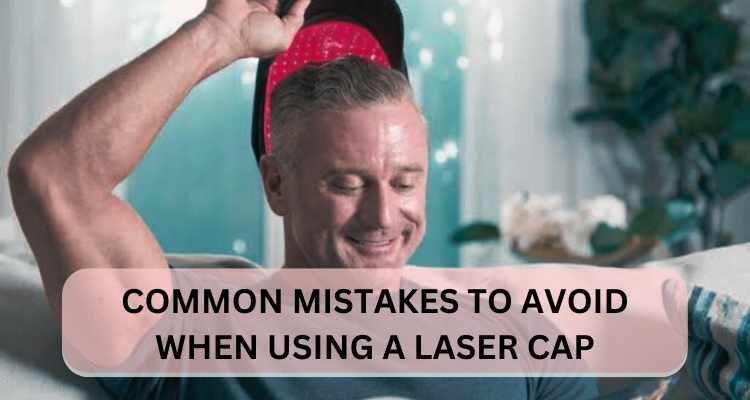
Laser caps have revolutionized hair restoration by providing a non-invasive solution to stimulate hair growth. These devices use low-level laser therapy (LLLT) to target hair follicles, promoting regeneration and improving scalp health. However, maximizing their benefits requires correct usage and understanding the nuances of treatment.
Why Avoiding Mistakes is Crucial
Mistakes in usage can lead to diminished results, wasted time, and even adverse effects. This guide highlights common pitfalls in laser cap therapy and provides actionable solutions to help you achieve optimal results.
In this article, we’ll explore the most common mistakes users make with laser caps and provide expert insights to ensure your journey to healthier, fuller hair is as smooth and effective as possible.
1. Skipping Consistent Usage
The Importance of Consistency
One of the most frequent errors is inconsistent usage. Laser caps deliver regular stimulation to hair follicles, which requires a consistent routine. Missing sessions disrupt the treatment cycle and can slow progress.
- Solution: Use your laser cap as recommended, usually 3-4 times weekly.
- Set reminders with your phone or calendar to stay on track.
Giving Up Too Soon
Another mistake is expecting instant results. Hair growth is a gradual process, and noticeable changes often take months.
- Solution: Commit to the long-term. Most users see initial improvements in 3-6 months and substantial results within 12 months.
- Take progress photos to track subtle changes.
2. Using the Laser Cap on a Dirty or Product-Coated Scalp
How Cleanliness Impacts Effectiveness
Oils, sweat, and hair products like gels or sprays can block the laser light from penetrating the scalp effectively, reducing the cap's efficacy.
- Solution: Wash your hair with a mild shampoo before each session to ensure maximum light absorption.
- Avoid heavy styling products during your treatment days.
3. Incorrect Device Placement
Ensuring Proper Fit and Positioning
Improper placement can prevent the laser light from reaching all parts of the scalp, leading to uneven results.
- Solution: Adjust the cap for a snug and secure fit. Make sure it covers the entire scalp evenly.
- Use a mirror to check the cap placement before starting each session.
Moving the Device During Treatment
Some users move the cap around, thinking it will enhance coverage. This disrupts the uniform delivery of laser light.
- Solution: Keep the cap stationary during the session to ensure consistent treatment across the scalp.
4. Ignoring Manufacturer Instructions
Overusing the Device
Using the laser cap more frequently or for longer durations than recommended can lead to scalp irritation or diminished effectiveness.
- Solution: Stick to the prescribed usage, typically 15-30 minutes per session, 3-4 times a week.
Overlooking Maintenance
Failure to clean or maintain the device can lead to buildup, reducing its efficiency.
- Solution: Clean your laser cap regularly according to the manufacturer’s instructions.
5. Expecting Laser Caps to Work Alone
Overlooking the Role of Nutrition
Laser therapy is only one part of the solution. Without proper nutrition, your follicles may lack the essential building blocks needed for hair growth.
- Solution: Incorporate a balanced diet rich in protein, iron, zinc, biotin, and omega-3 fatty acids.
- Consider supplements if your diet lacks these nutrients.
Neglecting Scalp Care
A healthy scalp environment is crucial for hair growth. Dryness, inflammation, or dandruff can hinder progress.
- Solution: Use gentle shampoos and conditioners to maintain scalp health.
- Hydrate and moisturize your scalp with suitable products.
6. Using Unverified or Low-Quality Devices
Risks of Non-FDA Cleared Laser Caps
Cheaper, unverified laser caps may not deliver the appropriate wavelength or intensity, compromising results and safety.
- Solution: Invest in an FDA-cleared device from a reputable brand.
- Research reviews and certifications before purchasing.
7. Ignoring Underlying Causes of Hair Loss
Failing to Consult a Professional
Hair loss can result from various factors, including hormonal imbalances, medical conditions, or stress. Using a laser cap without understanding the root cause may limit its effectiveness.
- Solution: Seek a dermatologist or trichologist's advice to identify and address the underlying cause of your hair loss.
Overlooking Complementary Treatments
Laser caps are most effective when combined with other treatments like Minoxidil, Finasteride, or post-hair transplant care.
- Solution: Discuss a holistic treatment plan with your healthcare provider to maximize results.
Conclusion
By avoiding these common mistakes and adopting a thoughtful, consistent approach, you can unlock the full potential of your laser cap and take meaningful steps toward healthier, fuller hair.