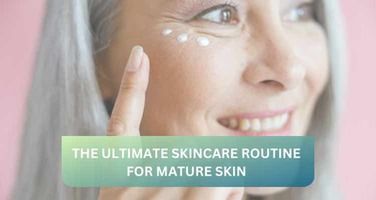
As we get into our wiser years, our skin undergoes a multitude of changes that can lead to various concerns such as wrinkles, dryness, and uneven tone. Mature skin requires specialized care to maintain its health and vitality. Understanding these common skin concerns and how to address them is crucial for anyone looking to keep their skin looking its best at any age. This comprehensive guide delves into the most prevalent skin issues faced by mature individuals and offers practical solutions to manage and improve them.
The Aging Process of Skin:
What Happens to Skin as It Ages?
The aging process affects the skin in several ways:
- Reduced Collagen Production: Collagen provides structure and elasticity to the skin. As we age, collagen production decreases, leading to sagging and wrinkles.
- Decreased Elastin: Elastin allows the skin to return to its original position after being stretched. Reduced elastin results in less resilient skin.
- Slower Cell Turnover: The skin's ability to regenerate slows down, causing dullness and uneven texture.
- Loss of Fat and Muscle Tone: This leads to a hollowed appearance and accentuates fine lines.
- Environmental Damage Accumulation: Years of exposure to UV rays and pollutants take a toll, leading to age spots and hyperpigmentation.
Understanding these changes is the first step in effectively addressing the skin concerns that come with aging.
Common Skin Concerns in Mature Skin
1. Fine Lines and Wrinkles
Causes:
- Collagen and Elastin Breakdown: Natural aging reduces these proteins, causing the skin to lose firmness.
- Facial Expressions: Repeated movements like smiling or frowning create lines over time.
- Sun Exposure: UV radiation accelerates skin aging, leading to premature wrinkles.
How to Address:
- Use Retinoids: Retinoids stimulate collagen production and promote cell turnover, reducing the appearance of wrinkles.
- Antioxidant-Rich Products: Ingredients like vitamin C combat free radicals that contribute to aging.
- Sun Protection: Apply a broad-spectrum SPF 30 or higher daily to prevent further damage.
- Hydration: Well-hydrated skin appears plumper and lessens the visibility of fine lines.
2. Dryness and Dehydration
Causes:
- Reduced Sebum Production: Aging skin produces less oil, leading to dryness.
- Environmental Factors: Cold weather and low humidity exacerbate dryness.
- Hot Showers: Prolonged exposure to hot water strips natural oils from the skin.
How to Address:
- Gentle Cleansers: Use mild, soap-free cleansers that don't strip natural oils.
- Moisturize Regularly: Opt for creams containing hyaluronic acid, glycerin, or ceramides to lock in moisture.
- Humidifiers: Use a humidifier in your home to add moisture to the air.
- Limit Hot Water Exposure: Take shorter showers with warm, not hot, water.
3. Uneven Skin Tone and Hyperpigmentation
Causes:
- Sun Damage: UV exposure leads to melanin overproduction, causing age spots.
- Hormonal Changes: Fluctuations can trigger melasma or dark patches.
- Post-Inflammatory Hyperpigmentation: Skin injuries or inflammation can leave dark marks.
How to Address:
- Exfoliation: Regular exfoliation removes dead skin cells, promoting a more even complexion.
- Brightening Agents: Ingredients like vitamin C, niacinamide, and kojic acid help reduce pigmentation.
- Professional Treatments: Chemical peels or laser therapy can address stubborn hyperpigmentation.
- Consistent Sun Protection: Prevents existing spots from darkening and new ones from forming.
4. Loss of Elasticity and Sagging Skin
Causes:
- Decreased Collagen and Elastin: Natural decline leads to less firm skin.
- Gravity: Over time, gravity pulls on the skin, contributing to sagging.
- Weight Fluctuations: Gaining and losing weight can stretch the skin.
How to Address:
- Firming Creams: Products with peptides and retinoids can help boost collagen production.
- Facial Exercises: Certain exercises may improve muscle tone under the skin.
- Non-Invasive Treatments: Options like ultrasound therapy stimulate collagen production.
- Healthy Diet: Nutrient-rich foods support skin health from the inside out.
5. Dullness and Lack of Radiance
Causes:
- Slower Cell Turnover: Dead skin cells accumulate on the surface, dulling complexion.
- Reduced Blood Circulation: Less oxygen and nutrients reach the skin.
- Lifestyle Factors: Smoking, lack of sleep, and poor diet contribute to dull skin.
How to Address:
- Exfoliation: Use gentle exfoliants like alpha-hydroxy acids (AHAs) to reveal brighter skin.
- Hydrating Masks: Boost moisture levels for a plumper, more radiant appearance.
- Antioxidant Serums: Protect skin from oxidative stress that leads to dullness.
- Adequate Sleep and Hydration: Ensure you're getting enough rest and drinking plenty of water.
6. Increased Sensitivity
Causes:
- Thinner Skin Barrier: Aging can weaken the skin's protective barrier.
- Environmental Irritants: Mature skin may react more strongly to pollutants or harsh products.
- Underlying Conditions: Conditions like rosacea become more common with age.
How to Address:
- Gentle Skincare Products: Use fragrance-free, hypoallergenic products designed for sensitive skin.
- Avoid Irritants: Steer clear of alcohol-based toners or abrasive scrubs.
- Barrier Repair Creams: Products with ceramides strengthen the skin barrier.
- Patch Testing: Always test new products on a small area first.
7. Enlarged Pores
Causes:
- Loss of Elasticity: Pores appear larger as skin loses firmness.
- Sun Damage: UV exposure thickens skin, making pores more noticeable.
- Clogged Pores: Buildup of oil and dead skin cells stretches pores.
How to Address:
- Regular Cleansing: Keep pores clear with a gentle cleanser.
- Retinoids: Promote cell turnover, reducing the appearance of pores.
- Niacinamide: Helps tighten pores and improve skin texture.
- Professional Treatments: Microdermabrasion or laser therapy can minimize pores.
Lifestyle Changes for Healthier Mature Skin
1. Balanced Diet
- Antioxidant-Rich Foods: Berries, leafy greens, and nuts combat free radicals.
- Omega-3 Fatty Acids: Found in fish and flaxseed, they support skin health.
- Hydration: Drink plenty of water to maintain skin moisture levels.
2. Regular Exercise
- Improves Circulation: Brings oxygen and nutrients to the skin.
- Reduces Stress: Lower stress levels can improve skin conditions like eczema or psoriasis.
- Promotes Detoxification: Sweating helps eliminate toxins from the body.
3. Adequate Sleep
- Cellular Repair: Skin regenerates during sleep.
- Hormone Regulation: Balanced hormones contribute to healthier skin.
- Reduced Inflammation: Sleep deprivation can lead to increased inflammatory responses.
4. Sun Protection
- Daily Sunscreen Use: Apply SPF 30 or higher every day.
- Protective Clothing: Wear hats and sunglasses to shield skin.
- Avoid Peak Sun Hours: Stay indoors between 10 am and 4 pm when the sun is strongest.
5. Avoid Smoking and Limit Alcohol
- Smoking: Accelerates skin aging and reduces blood flow.
- Alcohol: Dehydrates the skin and can cause inflammation.
Professional Treatments to Consider
1. Chemical Peels
- Benefits: Remove the top layer of skin to reveal fresher skin beneath.
- Addresses: Fine lines, sun damage, and uneven texture.
2. Microdermabrasion
- Benefits: Exfoliates the skin surface to improve texture and tone.
- Addresses: Dullness, minor scarring, and enlarged pores.
3. Laser Therapy
- Benefits: Stimulates collagen production and reduces pigmentation.
- Addresses: Wrinkles, age spots, and sagging skin.
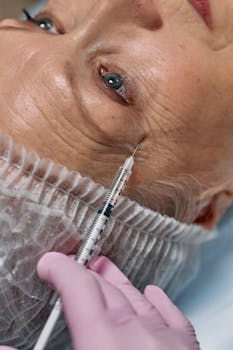
4. Botox and Fillers
- Benefits: Temporarily reduce wrinkles and restore volume.
- Addresses: Deep lines and loss of facial fullness.
5. Microneedling
- Benefits: Promotes collagen production through controlled skin injury.
- Addresses: Wrinkles, scars, and uneven texture.
Building an Effective Skincare Routine for Mature Skin
Morning Routine
- Gentle Cleanser: Start with a mild cleanser to remove impurities.
- Antioxidant Serum: Apply vitamin C serum to protect against environmental damage.
- Moisturizer: Use a hydrating moisturizer suited to your skin type.
- Sun Protection: Finish with a broad-spectrum SPF 30 or higher sunscreen.
Evening Routine
- Makeup Removal and Cleansing: Thoroughly cleanse to remove makeup and pollutants.
- Retinoid or Night Cream: Apply products containing retinol or peptides.
- Eye Cream: Address fine lines and puffiness around the eyes.
- Moisturizer: Use a nourishing night cream to hydrate overnight.
Tips:
|
Conclusion
Aging gracefully is about embracing the changes while taking proactive steps to maintain your skin's health. With the right knowledge and tools, you can navigate the challenges of mature skin confidently. Prioritize self-care, stay consistent with your skincare routine, and consult professionals when necessary to ensure your skin remains vibrant and resilient at any age. Remember, it's never too late to start caring for your skin, and small changes can lead to significant improvements over time.