
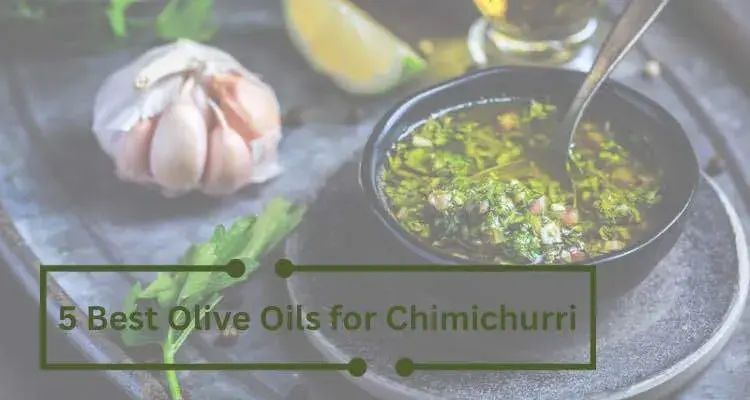
Chimichurri is a vibrant, flavorful sauce originating from Argentina and Uruguay. Traditionally served with grilled meats like steak and chicken, this uncooked sauce has gained international popularity for its fresh herbs and tangy taste. The main ingredients of chimichurri include parsley, garlic, vinegar, and high-quality olive oil. The choice of olive oil is crucial, as it adds depth, smoothness, and a rich, aromatic flavor to the sauce. In this comprehensive guide, we'll explore the best olive oils for chimichurri, share delicious recipes, and offer serving tips to elevate your steak and chicken dishes.
What is Chimichurri?
Chimichurri is a raw sauce or marinade that adds a burst of flavor to various dishes. It's typically green (chimichurri verde) but can also be found in a red version (chimichurri rojo). The sauce's main ingredients are:
- Fresh Herbs: Primarily parsley, but cilantro is also commonly used.
- Garlic: Provides a pungent, savory note.
- Vinegar: Usually red wine vinegar for tanginess.
- Olive Oil: Acts as the base, blending all ingredients together.
- Red Pepper Flakes or Chili: Adds a hint of heat.
- Seasonings: Salt, black pepper, and sometimes oregano.
Why Choose High-Quality Olive Oil for Chimichurri?
The olive oil you select for your chimichurri recipe plays a significant role in balancing the sauce's flavors. High-quality extra virgin olive oil adds a fruity, peppery note that enhances the fresh ingredients like parsley and garlic. It ensures the sauce is smooth and well-emulsified, providing a delightful texture that binds all the flavors together.
When Should You Use Olive Oil for Chimichurri?
Olive oil should be added as the final ingredient in your chimichurri sauce to preserve its fresh, robust flavor. Use it raw and unheated to retain its full aromatic profile and nutritional benefits. It's also best to use olive oil within a few weeks after opening to ensure its freshness and flavor intensity. For optimal taste, store your olive oil in a cool, dark place away from direct sunlight.
What Makes a Good Olive Oil for Chimichurri?
When selecting olive oil for chimichurri, consider the following features:
- Extra Virgin Quality: Ensures a pure, unrefined oil with a robust flavor.
- Cold-Pressed: Maintains the natural taste and nutrients of the olives.
- Fruity and Peppery Notes: Adds depth and complements the fresh herbs in chimichurri.
- Low Acidity: Provides a smoother, more balanced flavor.
- Fresh and Recent Harvest: Ensures maximum aroma and taste.
Key Benefits of Using High-Quality Olive Oil in Chimichurri
Premium olive oils offer several benefits for chimichurri:
- Enhanced Flavor: Adds a rich, fruity, and slightly spicy taste to the sauce.
- Improved Texture: Creates a smooth, well-emulsified consistency.
- Nutrient-Rich: Contains antioxidants and healthy fats that contribute to a wholesome dish.
- Balanced Acidity: Complements the vinegar in chimichurri, adding complexity without overpowering the herbs.
How to Make Chimichurri Sauce
Ingredients:
- 1 cup fresh parsley leaves, finely chopped
- 1/2 cup fresh cilantro leaves, finely chopped (optional)
- 4 cloves garlic, minced
- 1 teaspoon red pepper flakes
- 1/2 cup high-quality extra virgin olive oil
- 2 tablespoons red wine vinegar
- Salt and black pepper to taste
Instructions:
- Prepare the Herbs: Finely chop the parsley and cilantro (if using) and place them in a medium bowl.
- Add Aromatics: Add minced garlic and red pepper flakes to the herbs.
- Mix in Vinegar: Pour in the red wine vinegar and stir to combine.
- Incorporate Olive Oil: Slowly drizzle the extra virgin olive oil into the mixture while stirring continuously to emulsify.
- Season: Add salt and black pepper to taste.
- Rest the Sauce: Let the chimichurri sit for at least 15 minutes to allow the flavors to meld.
Chimichurri on Steak and Chicken
Chimichurri sauce is famously served with grilled steak, particularly skirt steak, but it's also a fantastic accompaniment to chicken. The freshness of the herbs and the richness of the olive oil enhance the savory flavors of grilled meats.
Chimichurri for Steak:
- Grilled Skirt Steak with Chimichurri: Marinate the steak with some of the chimichurri sauce for 30 minutes before grilling. After cooking, top the steak with additional chimichurri for a burst of flavor.
- Steak Tacos with Chimichurri: Slice grilled steak thinly and serve in warm tortillas with chimichurri sauce and fresh toppings.
Chicken and Chimichurri:
- Grilled Chicken Breast with Chimichurri: Brush chicken breasts with olive oil, season with salt and pepper, grill until cooked through, and serve with chimichurri sauce.
- Chimichurri Chicken Skewers: Marinate chicken pieces in chimichurri, thread onto skewers with vegetables, and grill.
Recommended Olive Oils for Chimichurri:
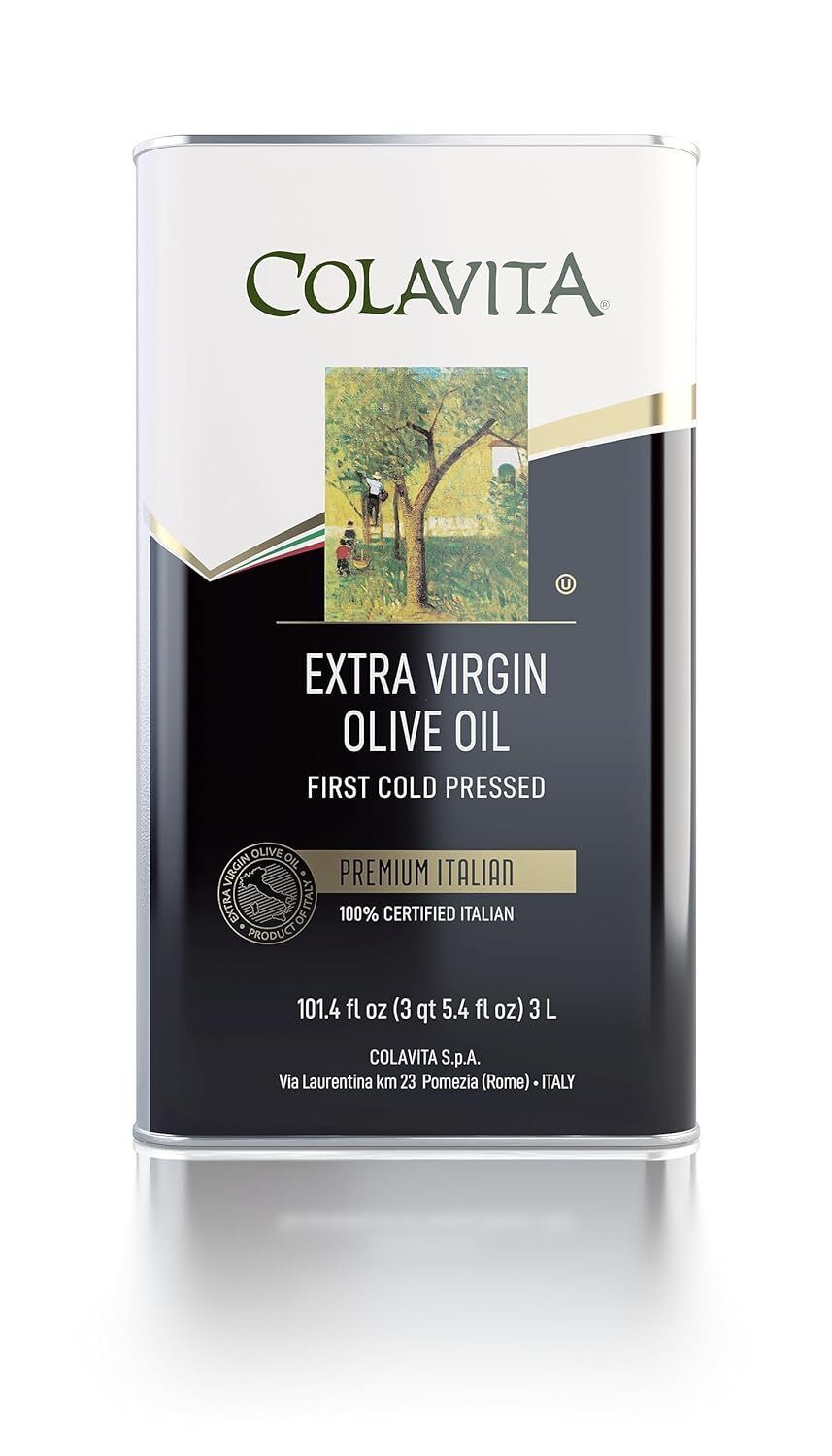
1. Best Overall:
Colavita Extra Virgin Olive Oil
 |
|
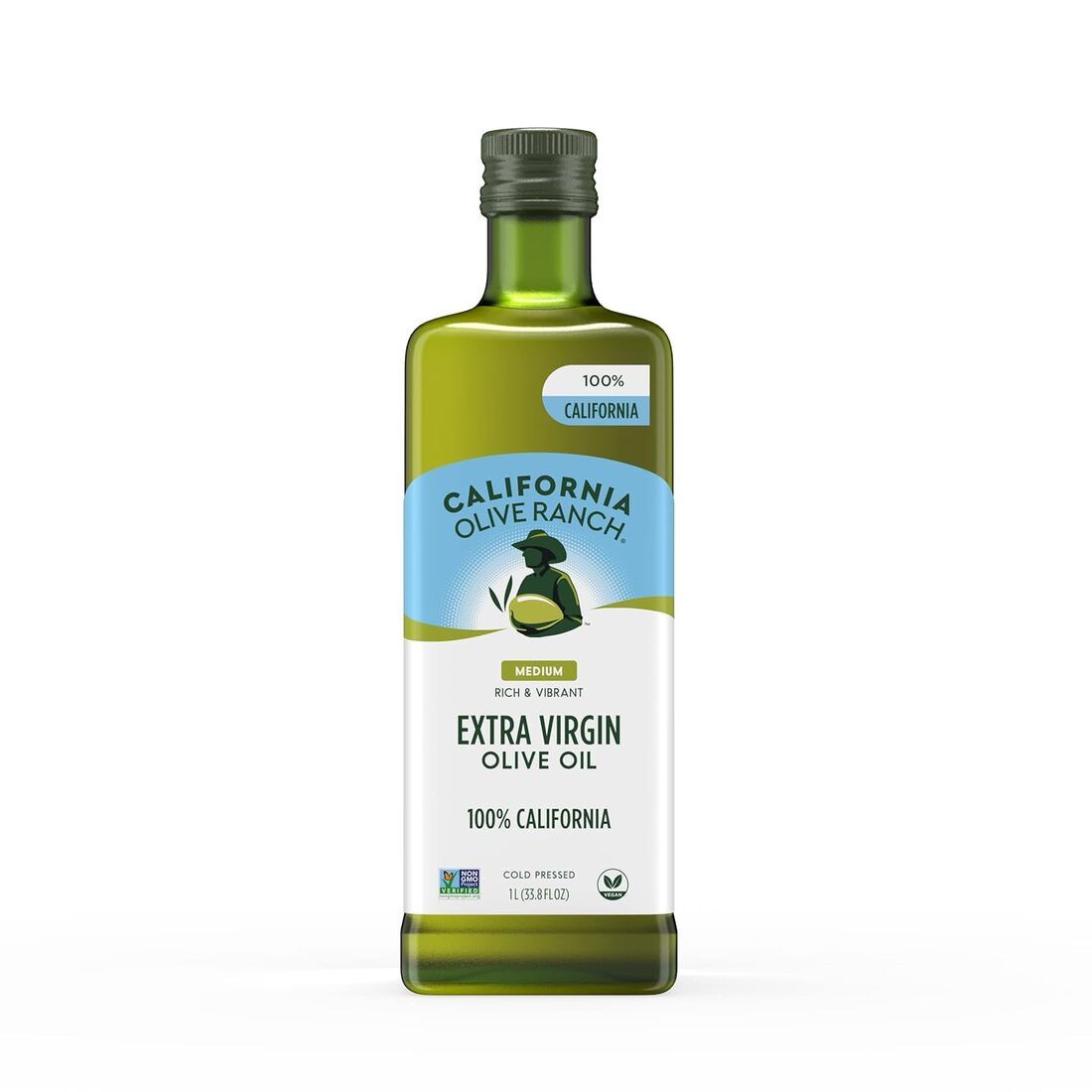
2. Best for Fruity Flavor:
California Olive Ranch Everyday Extra Virgin Olive Oil
 |
|
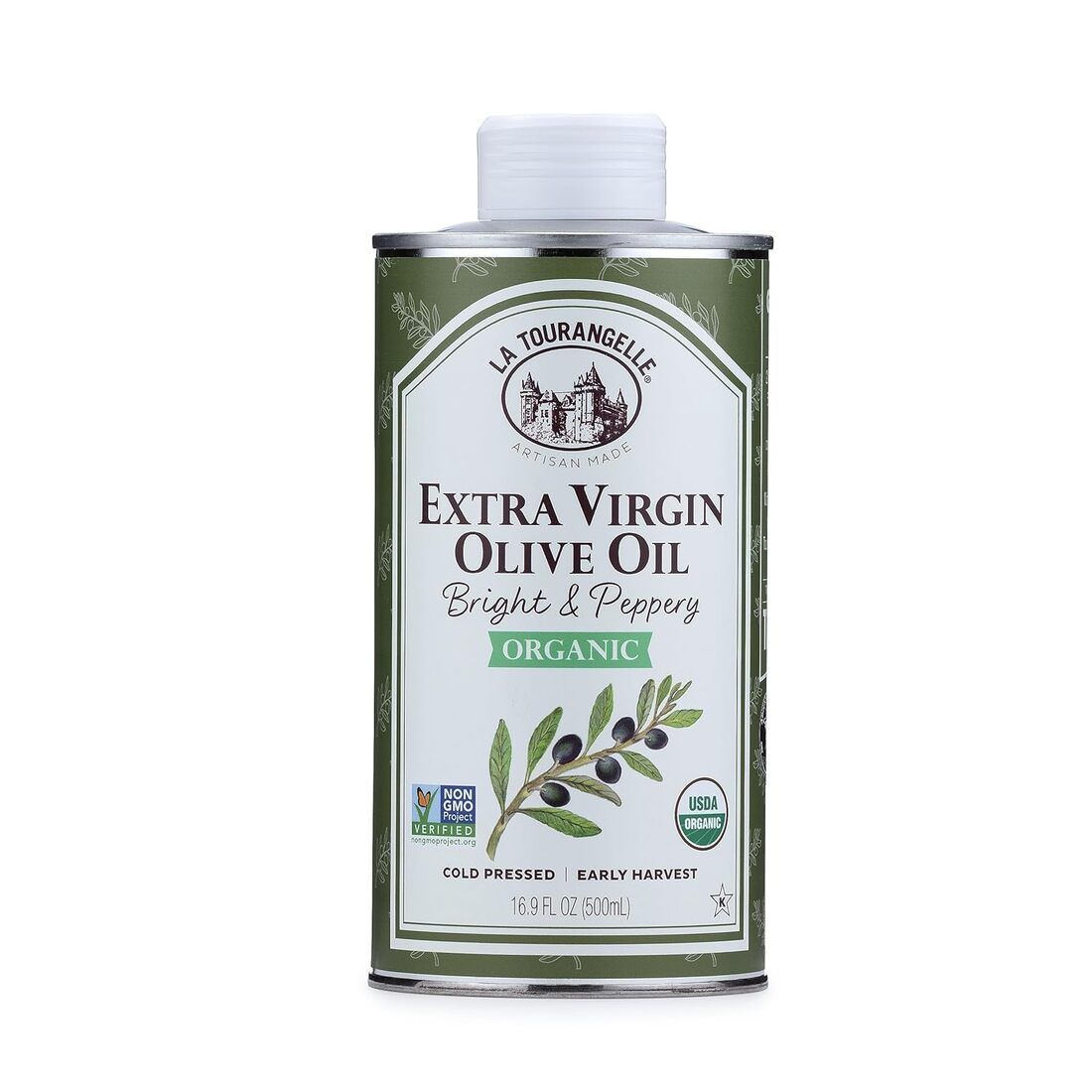
3. Best Organic Option:
La Tourangelle Organic Extra Virgin Olive Oil
 |
|
4. Best for Robust Flavor:
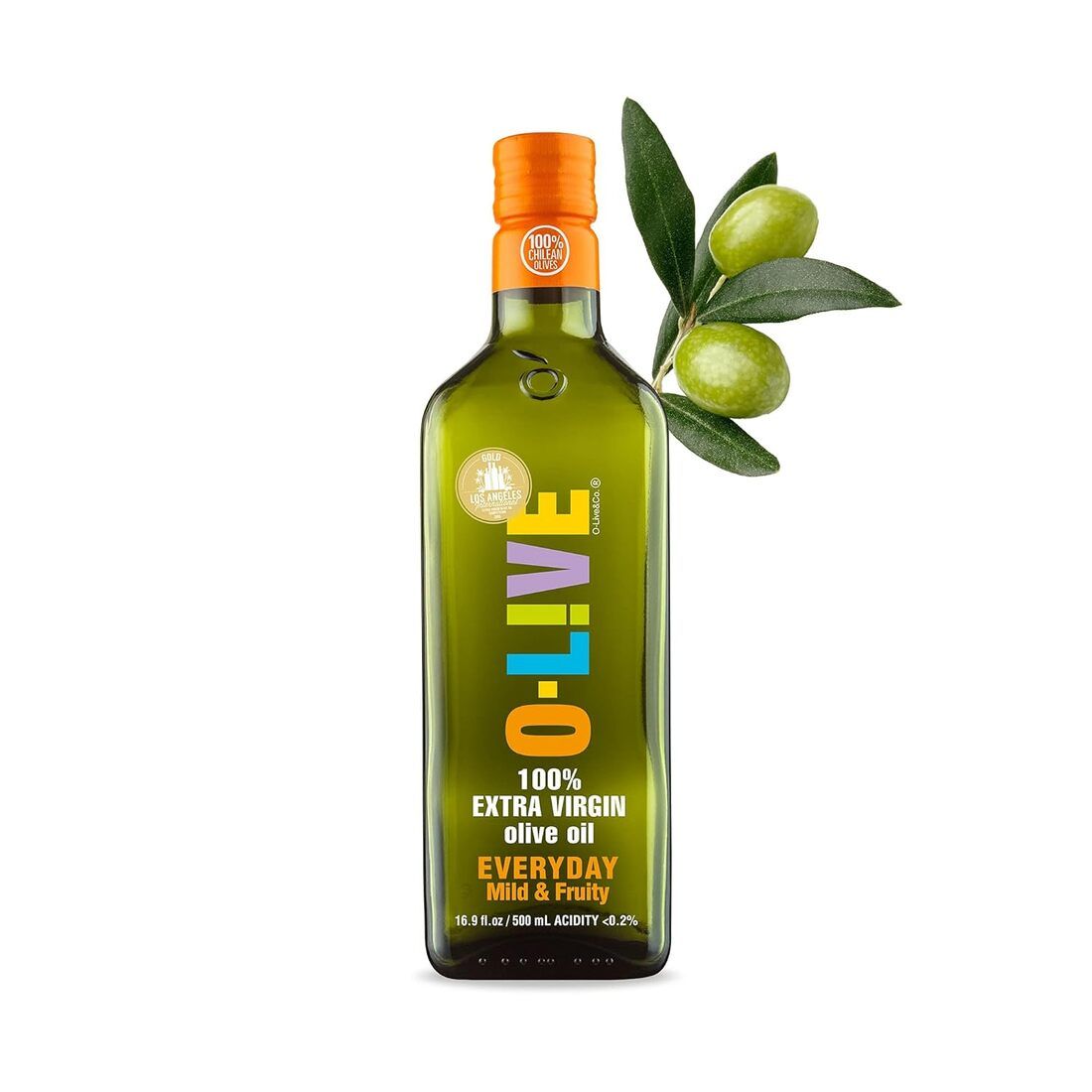
O-Live & Co. Everyday Extra Virgin Olive Oil
 |
|
5. Best Value:
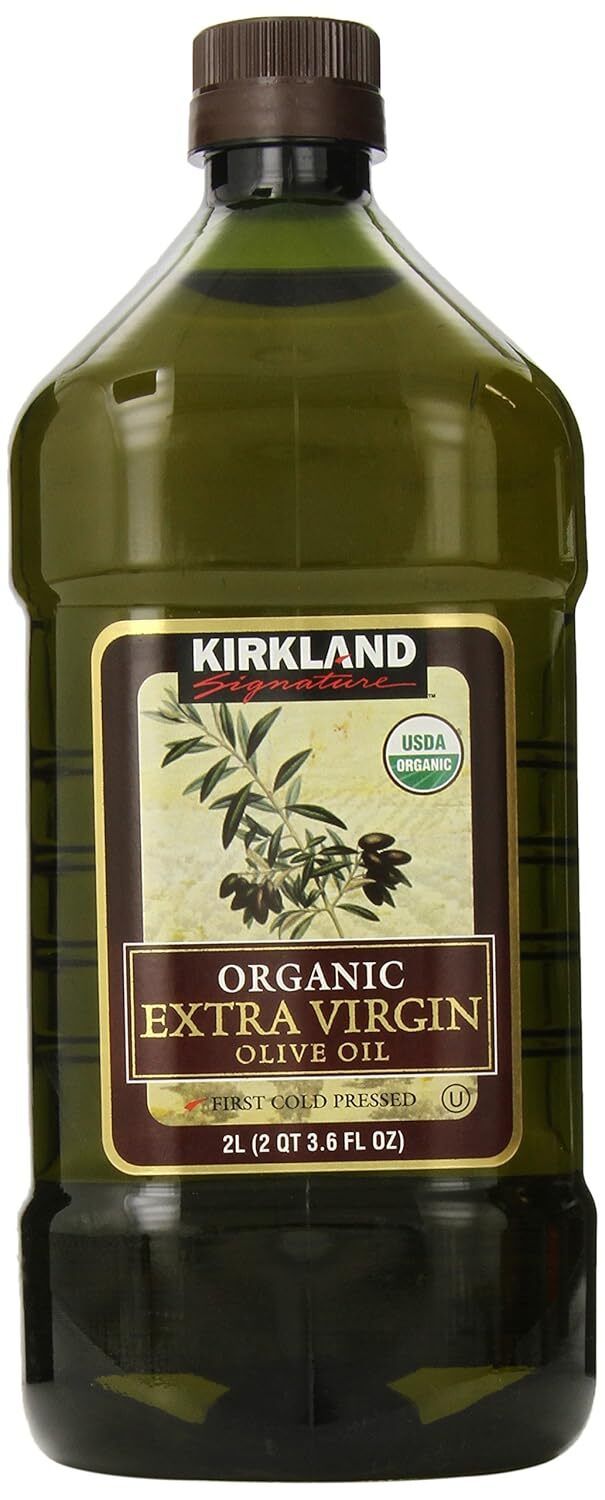
Kirkland Signature Organic Extra Virgin Olive Oil
 |
|
Additional Tips for Using Olive Oil in Chimichurri
- Use Fresh Ingredients: Combine olive oil with freshly chopped herbs, garlic, and red pepper flakes for the best flavor.
- Avoid Heating the Olive Oil: Keep the olive oil raw to preserve its natural taste and health benefits.
- Store Properly: Keep chimichurri sauce in the refrigerator in an airtight container and consume within a week for optimal freshness.
- Taste and Adjust: Adjust the olive oil amount according to your taste preference for a balanced sauce.
Variations of Chimichurri Sauce
- Red Chimichurri (Chimichurri Rojo): Incorporate tomatoes or red bell peppers for a different flavor profile.
- Spicy Chimichurri: Add extra red pepper flakes or fresh chili peppers for more heat.
- Cilantro Chimichurri: Increase the amount of cilantro for a more citrusy flavor.
Serving Suggestions
- Chimichurri Sauce for Steaks: Drizzle over grilled ribeye, sirloin, or flank steak.
- Chimichurri on Chicken: Use as a marinade or topping for grilled or roasted chicken.
- Seafood Pairings: Serve with grilled shrimp or white fish for a fresh twist.
- Vegetarian Options: Mix into roasted vegetables or use as a salad dressing.
- Chimichurri with Bread: Serve as a dipping sauce with crusty bread.
Health Benefits of Chimichurri
- Rich in Antioxidants: Thanks to fresh herbs and extra virgin olive oil.
- Heart-Healthy Fats: Olive oil provides monounsaturated fats beneficial for heart health.
- Anti-Inflammatory Properties: Garlic and olive oil have natural anti-inflammatory effects.
- Low in Calories: A flavorful way to enhance dishes without adding excessive calories.
Conclusion
Choosing the best olive oil for chimichurri can elevate your sauce's flavor and texture, turning a simple dish into a gourmet experience. By selecting a high-quality extra virgin olive oil that's cold-pressed, fresh, and has a fruity, peppery profile, you ensure that your chimichurri sauce shines. Whether you're grilling steak, chicken, or exploring vegetarian options, a well-made chimichurri can transform your meals.
FAQs: Olive Oil for Chimichurri
1. Can I use regular olive oil instead of extra virgin?
A: Extra virgin olive oil is recommended for its superior flavor and nutritional benefits. Regular olive oil has a milder taste and less pronounced health benefits but can be used if extra virgin is unavailable.
2. How much olive oil should I use in chimichurri?
A: Typically, about 1/2 to 3/4 cup of olive oil is used in most chimichurri recipes, but you can adjust to taste based on the desired consistency and flavor intensity.
3. Should olive oil be stored in the fridge?
A: Olive oil should be stored in a cool, dark place but not necessarily in the fridge, as refrigeration can cause it to solidify and lose some of its aromatic qualities.
4. Is cold-pressed olive oil better for chimichurri?
A: Yes, cold-pressed olive oil retains more flavor and nutrients, making it ideal for raw preparations like chimichurri where the oil's taste is prominent.
5. Can I freeze chimichurri sauce?
A: Yes, chimichurri can be frozen in ice cube trays for up to 3 months. Thaw in the refrigerator before use to preserve its fresh flavors.
References
Share Your Experience
Have you tried making chimichurri with any of these olive oils? Share your thoughts, recipes, or tips in the comments below! Your insights can help others create the perfect chimichurri sauce.
By integrating these recommendations into your culinary practices, you're not just enhancing the flavor of your dishes but also contributing to a healthier and more sustainable lifestyle. Happy cooking!




Share Your Opinion, Please