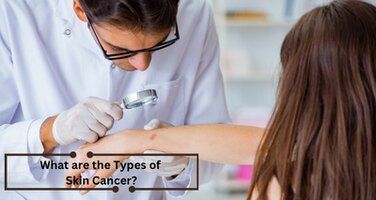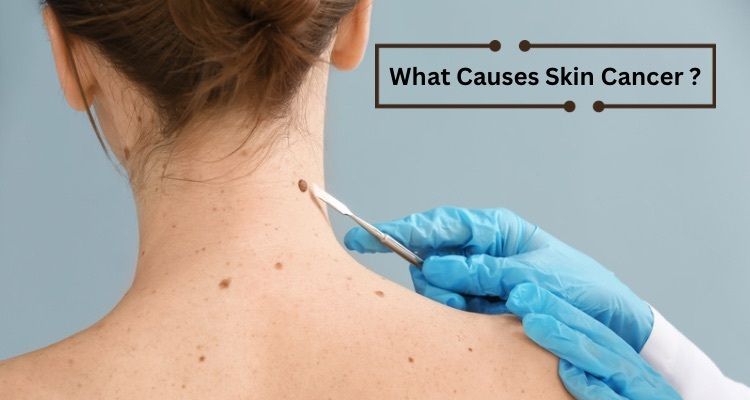
One of the main causes of skin cancer is exposure to UV rays. UV rays are invisible and are produced by the sun as well as tanning devices. UV rays cause skin cancer by causing changes in your skin cells. In some cases, UV rays can cause direct damage to your cells. Tans and sunburns, for example, are signs that UV rays have damaged your skin. In other cases, UV rays cause skin cancer indirectly, by weakening the immune system.
Many skin cancer studies show that people who suffered several severe sunburns as children are more vulnerable to skin cancer. Family history, exposure to certain chemicals and immune dysfunctions can also increase the risk of developing skin cancer.
Skin cancer develops when the DNA of skin cells is damaged, and the body is unable to repair the damage, leading to mutations. These mutations cause the skin cells to grow uncontrollably and form a mass of cancer cells.
Here are the primary causes and risk factors for skin cancer:
1. Ultraviolet (UV) Radiation
One of the most significant risk factors for skin cancer is exposure to ultraviolet (UV) radiation. This can come from natural sources, such as the sun, or artificial sources, like tanning beds. UV radiation can damage the DNA in skin cells, leading to mutations and cancer. Sunburns, especially severe ones, significantly increase the risk. Using tanning beds, particularly before the age of 30, greatly heightens the likelihood of developing skin cancer.
2. Genetics and Family History
Genetics and family history also play a significant role in skin cancer risk. A family history of skin cancer, especially melanoma, increases the risk, suggesting a genetic predisposition to the disease. Inherited genetic mutations, such as those in the CDKN2A and BRAF genes, can further increase susceptibility to melanoma.
3. Fair Skin, Freckles, and Light Hair
Individuals with fair skin, light hair (blonde or red), blue or green eyes, and freckles are more susceptible to UV damage and skin cancer due to having less melanin, the pigment that provides some protection against UV radiation. Those with albinism, who have little or no melanin, are at an even higher risk of skin cancer due to their extreme sensitivity to UV radiation.
4. Weakened Immune System
A weakened immune system can also increase the risk of skin cancer. People with weakened immune systems, such as organ transplant recipients taking immunosuppressive drugs or individuals with HIV/AIDS, are more likely to develop skin cancer. A compromised immune system is less effective at detecting and destroying cancerous cells.
5. Exposure to Certain Substances
Exposure to certain chemicals and radiation can also elevate the risk of skin cancer. Contact with substances like arsenic, coal tar, and some industrial chemicals can increase the likelihood of developing skin cancer. Additionally, previous radiation treatment for other medical conditions can heighten the risk of developing skin cancer in the treated area.
6. Age and Gender
Age and gender are other factors influencing skin cancer risk. The likelihood of developing skin cancer increases with age, likely due to cumulative sun exposure over time. However, melanoma is also one of the most common cancers in young adults, especially young women. Men are generally at a higher risk for developing skin cancer compared to women, possibly due to differences in sun exposure and protective behaviors.
7. Moles and Skin Lesions
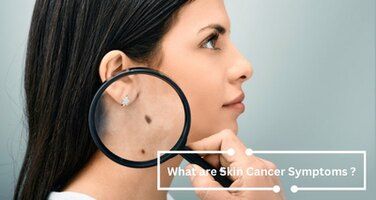
Having a large number of moles or atypical moles (dysplastic nevi) can increase the risk of melanoma. Conditions such as actinic keratosis, a rough, scaly patch on the skin caused by sun damage, can also develop into squamous cell carcinoma, further elevating the risk of skin cancer.
Skin Cancer Risk Reduction Tips
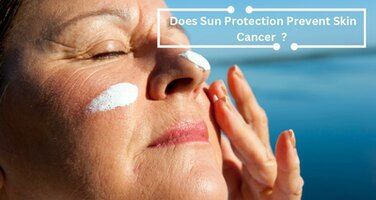
While some risk factors, like genetics, cannot be changed, many causes of skin cancer are preventable. To reduce your risk, limit sun exposure, especially during peak hours (10 a.m. to 4 p.m.), and use broad-spectrum best sunscreen with at least SPF 30, even on cloudy days. Wearing protective clothing, such as hats, UV sunglasses, and long sleeves, can also help protect your skin. Avoiding tanning beds is crucial, as they are artificial sources of UV radiation. Regular skin checks, including self-examinations and visits to a dermatologist, are essential for early detection and prevention of skin cancer.
By understanding and mitigating these risk factors, you can help protect your skin from cancer.