
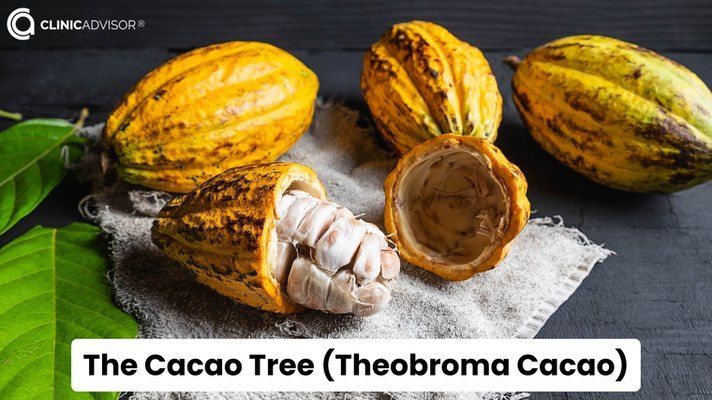
Chocolate, a beloved treat around the world, begins its journey from an extraordinary source, the Cacao Tree, scientifically known as Theobroma cacao. In this article, we will share with you all the details related to the Theobroma Cacao Tree including its origin and the environmental conditions in which it grows.
What is the Theobroma Cacao?
Theobroma cacao, commonly referred to as the cacao tree, is the primary botanical source of chocolate. This tree grows mainly in tropical regions of Central and South America. For thousands of years, it has been cultivated for its beans and was consumed as a bitter beverage by the Mayans and Aztecs. Throughout the years the uses of cacao beans have evolved into the chocolate we consume nowadays.
Growth and Habitat of the Theobroma Cacao Tree
The cacao tree requires specific environmental conditions in which it grows. It's that kind of tree that loves tropical climates characterized by warm and humid climates typically found within 20 degrees north and south of the equator. It grows best under the shade of larger rainforest trees, requiring a mix of rain and warm temperatures to flourish.
What is the Fruit of the Cacao Tree Called?
The cacao tree produces large, colorful fruit called cacao pods. Each pod is filled with 20 to 50 cacao beans, surrounded by a sweet, sticky pulp. These beans are the essential ingredient in chocolate making.
Transformation From Cacao Beans to Chocolate
The transformation of cacao beans into chocolate is a detailed and fun process involving several steps. After harvesting, the beans are fermented, dried, roasted, and ground to create a paste known as cocoa liquor (which contains no alcohol). This liquor is then further processed to produce various types of chocolate including dark, milk, white, and Ruby chocolate.
In a Nutshell,
The cacao tree (Theobroma), is the heart and main source of chocolate production. Understanding the origin of chocolate from the Theobroma cacao tree not only enhances our appreciation of this delightful treat but also highlights the importance of preserving the delicate ecosystems where these trees thrive.





Share Your Opinion, Please