
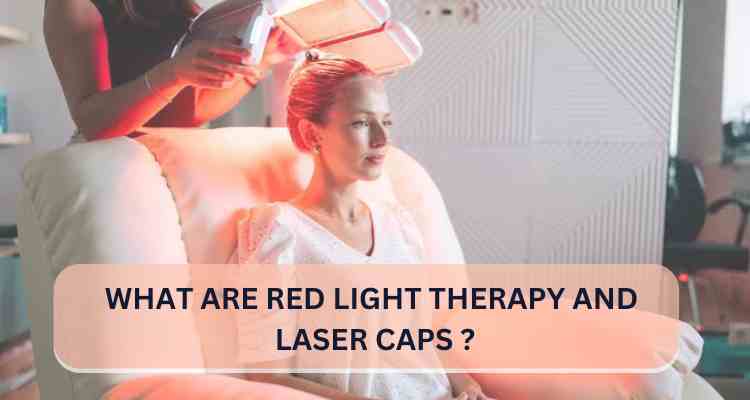
Hair loss can be a challenging experience, but advancements in technology, such as red light therapy and laser caps, are providing innovative solutions. These non-invasive treatments stimulate hair growth and improve scalp health, offering hope for those seeking effective alternatives.
Why Consider Red Light Therapy and Laser Caps?
These methods leverage the power of low-level laser therapy (LLLT) to boost hair follicles and enhance natural hair growth. Whether dealing with thinning hair, pattern baldness, or overall scalp health concerns, red light therapy could be a game-changer.
This article will explore the science behind red light therapy, explain how laser caps work, and provide insights into their effectiveness. By the end, you’ll understand why these innovative treatments are gaining popularity and whether they are right for you.
1. Red Light Therapy for Hair Growth
What is Red Light Therapy?
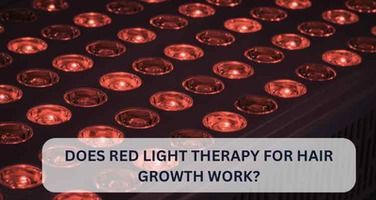
Red light therapy uses low-level lasers or LEDs to emit wavelengths of light that penetrate the skin and stimulate cellular activity. Originally developed for wound healing, this technology has shown promising results in promoting hair growth.
How It Works:
- Red light penetrates the scalp and stimulates hair follicles.
- Enhances blood flow, delivering essential nutrients to the hair roots.
- Promotes the production of ATP (adenosine triphosphate), which energizes hair follicle cells.
The Science Supporting Hair Growth
Clinical studies have shown that red light therapy can effectively treat androgenetic alopecia and other forms of hair loss by:
- Extending the hair growth phase (anagen phase).
- Increasing follicle size for thicker, stronger hair.
- Reducing inflammation in the scalp, which can inhibit hair growth.
2. Laser Caps: A Convenient Solution for At-Home Treatment
What Are Laser Caps?
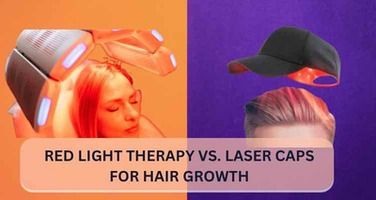
Laser caps are wearable devices equipped with medical-grade lasers or LEDs. Designed for home use, they deliver consistent red light therapy to the entire scalp, making them convenient for busy schedules.
Features of Laser Caps:
- Hands-free design for easy use.
- Rechargeable batteries for portability.
- Pre-programmed treatment sessions, typically lasting 10-30 minutes.
How Laser Caps Promote Hair Growth
Laser caps work by emitting low-level laser light to stimulate dormant hair follicles, similar to clinical red light therapy devices. They are safe, painless, and FDA-cleared for hair restoration.
3. Benefits of Red Light Therapy and Laser Caps
Key Benefits for Hair Growth
- Non-Invasive Treatment: No surgery or medications are required.
- Improved Hair Thickness: Strengthens existing hair while encouraging new growth.
- Scalp Health: Reduces inflammation and improves circulation.
Long-Term Advantages
- Convenience: Laser caps allow you to maintain treatments at home.
- Cost-Effective: Laser caps are a one-time investment compared to recurring salon treatments over time.
- Versatility: Effective for both men and women experiencing hair loss.
4. How to Use Red Light Therapy and Laser Caps
Recommended Usage of Laser Caps:
- Frequency: Use laser caps 3-4 times per week for optimal results.
- Session Duration: Treatments typically last 15-30 minutes per session.
- Consistency is Key: Results may take 3-6 months to become noticeable.
Tips:
- Clean Scalp: Ensure your scalp is clean and free from products before using red light therapy.
- Follow Manufacturer Guidelines: Adhere to the specific instructions provided with your laser cap device.
5. Potential Risks and Limitations
Is Red Light Therapy Safe?
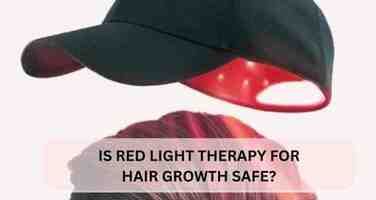
Yes, red light therapy is considered safe for most individuals. However, as with any treatment, there are some precautions to keep in mind:
- Avoid overuse, as excessive exposure may cause mild scalp irritation.
- Consult a dermatologist if you have sensitive skin or scalp conditions.
While red light therapy and laser caps can significantly enhance hair growth, they may not work equally well for everyone. Factors such as the extent of hair loss and individual responsiveness can influence results.
6. Choosing the Right Laser Cap for Your Needs
Features to Look For
- Laser Coverage: Higher numbers of diodes generally provide better coverage.
- FDA Approval: Ensure the device is FDA-cleared for hair restoration.
- Comfort and Fit: A lightweight, adjustable cap ensures a more comfortable experience.
Popular Brands
- Capillus: Known for its high-quality, medical-grade laser caps.
- iRestore: Offers user-friendly, affordable options for at-home hair growth.
- HairMax: Features a range of laser devices, including laser combs and caps.
What is the best red light therapy for hair growth?
The best red light therapy for hair growth combines advanced technology, proven efficacy, and user-friendly design. Devices like FDA-cleared laser caps or high-quality handheld wands using low-level laser therapy (LLLT) excel in delivering targeted red and near-infrared light to stimulate hair follicles. Look for options with adjustable intensity settings, wide scalp coverage, and specialized features for different hair types or conditions, such as DHT sensitivity or alopecia. While brands like Capillus, iRestore, and HairMax consistently earn top reviews, the "best" choice depends on your hair loss severity, budget, and lifestyle. Consulting a specialist can help tailor the right solution to your needs.
Conclusion
Red light therapy and laser caps are revolutionizing hair restoration, providing a non-invasive, convenient, and effective solution for hair growth. With consistent use and the right device, you can improve hair density and overall scalp health.
Take the first step by exploring FDA-approved laser caps or consulting a specialist to determine if red light therapy suits you.
With patience, dedication, and proper use, red light therapy could be the transformative solution you’ve sought for hair growth.
FAQs
1. How soon will I see results from using a laser cap?
Results typically become noticeable within 3-6 months with consistent use.
2. Can laser caps be used with other hair loss treatments?
Yes, they can be combined with treatments like minoxidil or finasteride for enhanced results.
3. Are laser caps safe for daily use?
It’s best to follow the manufacturer’s recommended usage, typically 3-4 times per week.
4. Who is a good candidate for red light therapy?
Individuals with mild to moderate hair loss are ideal candidates, but it’s always best to consult a professional.
Low-Level Laser Therapy (LLLT) devices for hair growth are classified by the U.S. Food and Drug Administration (FDA) as
Class II medical devices, requiring 510(k) clearance.
Before purchasing any LLLT product—whether it’s a laser cap, helmet, or comb—please take the following steps:LLLT Devices Disclaimer


Share Your Opinion, Please