You're not alone if you've ever looked in the mirror and wished for a brighter smile. Having gleaming white teeth can boost your confidence, enhance your appearance, and contribute to an overall sense of well-being. But with so many toothpastes on the market—each claiming to be the absolute best toothpaste for whitening—it’s not always easy to figure out which product truly delivers transformative results.
In this all-inclusive guide, we'll explore the science behind whitening toothpastes, examine the key ingredients that make them effective, and compare some of the top-rated options on the market today. We’ll also discuss choosing the best teeth-whitening toothpaste for your unique needs and what safety precautions you should take.
Why Whiter Teeth Matter
A bright smile is often linked to positive social perceptions, higher self-esteem, and even professional success in fields that value presentation. While various whitening solutions exist—ranging from professional dental treatments to DIY kits—a quality toothpaste is the most common and budget-friendly stepping stone to achieving that coveted glow.
Who Benefits from a Whitening Toothpaste?
- Coffee or Tea Drinkers: Regular consumption of dark beverages can lead to staining over time.
- Smokers or Tobacco Users: Nicotine quickly leads to yellowish or brownish discoloration on the enamel.
- People with Surface Stains: If you only have mild surface stains (as opposed to deeply ingrained ones), a good whitening toothpaste can be quite effective.
Note: Toothpaste alone may not remove severe internal discoloration, but it can lift and prevent mild stains, making it the first line of defense for many individuals. |
How Whitening Toothpaste Works
Abrasives and Polishing Agents
Most whitening toothpastes use mild abrasives—like hydrated silica or calcium carbonate—to gently buff away surface stains. They work like a gentle scrub, breaking down plaque and discoloration without wearing down healthy enamel when used as directed.
Chemical Whitening Components
Some of the best whitening toothpaste formulations incorporate peroxides (e.g., hydrogen peroxide) or other bleaching agents to chemically lift stains. Certain formulations also include blue covarine, which adheres to the teeth and creates an optical illusion of whiteness by counteracting yellow shades.
Role of Fluoride and Enamel Protection
Maintaining strong enamel is critical. Top whitening toothpastes include fluoride (often sodium fluoride or stannous fluoride) to help remineralize and protect teeth, and to safeguard them against cavities. This way, you’re not compromising oral health for cosmetic gains.
Key Features to Look For
ADA Seal of Acceptance
An endorsement from the American Dental Association (ADA) means the toothpaste has been tested for both safety and efficacy. Not all of the best toothpaste for whitening carry the seal, but it can be a reassuring indicator of quality.
Sensitivity Considerations
Some individuals are more prone to sensitivity, particularly when using products with bleaching ingredients or higher abrasives. If you have easily irritated gums or sensitive teeth, look for terms like “gentle,” “sensitivity relief,” or “low-abrasion.”
Flavor and Texture
Oral care is a routine habit—if you dislike the flavor or consistency of your toothpaste, you won’t stick with it. Peppermint and spearmint remain classic choices, but many brands now offer mild fruit, herbal, or baking soda-based flavors for those with taste aversions.
Stain Type
External Stains: caused by coffee, wine, cigarettes, or certain foods. Mild abrasives or peroxide-based toothpastes can often effectively tackle these.
Intrinsic Stains: usually deeper-set, perhaps from medication or trauma. Standard whitening toothpaste might not fully address severe discoloration; professional dental treatments or whitening strips could be more appropriate.
Which Ingredients Make a Difference?
Hydrogen Peroxide or Carbamide Peroxide
When you think of “best teeth whitening toothpaste,” peroxides often come to mind. In toothpaste form, the concentration is relatively low, making it safe for daily use under normal circumstances.
Baking Soda (Sodium Bicarbonate)
Baking soda toothpastes are popular for a reason. They offer a gentle polishing action, reduce mouth acidity, and can help lighten surface stains. Some people find the taste unpleasant, but it’s an effective and time-tested choice.
Blue Covarine
A relatively newer kid on the block, Blue Covarine doesn’t bleach teeth. Instead, it adheres to the tooth surface, creating an immediate optical brightening effect. It’s great if you want a subtle, quick enhancement.
Enamel Strengtheners
Look for ingredients like fluoride or nano-hydroxyapatite for added enamel protection. They help prevent demineralization, which is crucial if you’re using any mildly abrasive formula frequently.
Affiliate Disclosure: This post contains affiliate links. If you use these links to buy something, we may earn a small commission at no additional cost to you.
Our Top Picks: Best Toothpaste for Whitening in 2026
(Below is a curated list that stands out for various reasons—some specialize in bleaching, others in gentle polishing, while all are known for their effectiveness. Note that brand formulations evolve, so always verify current ingredients and endorsements.)
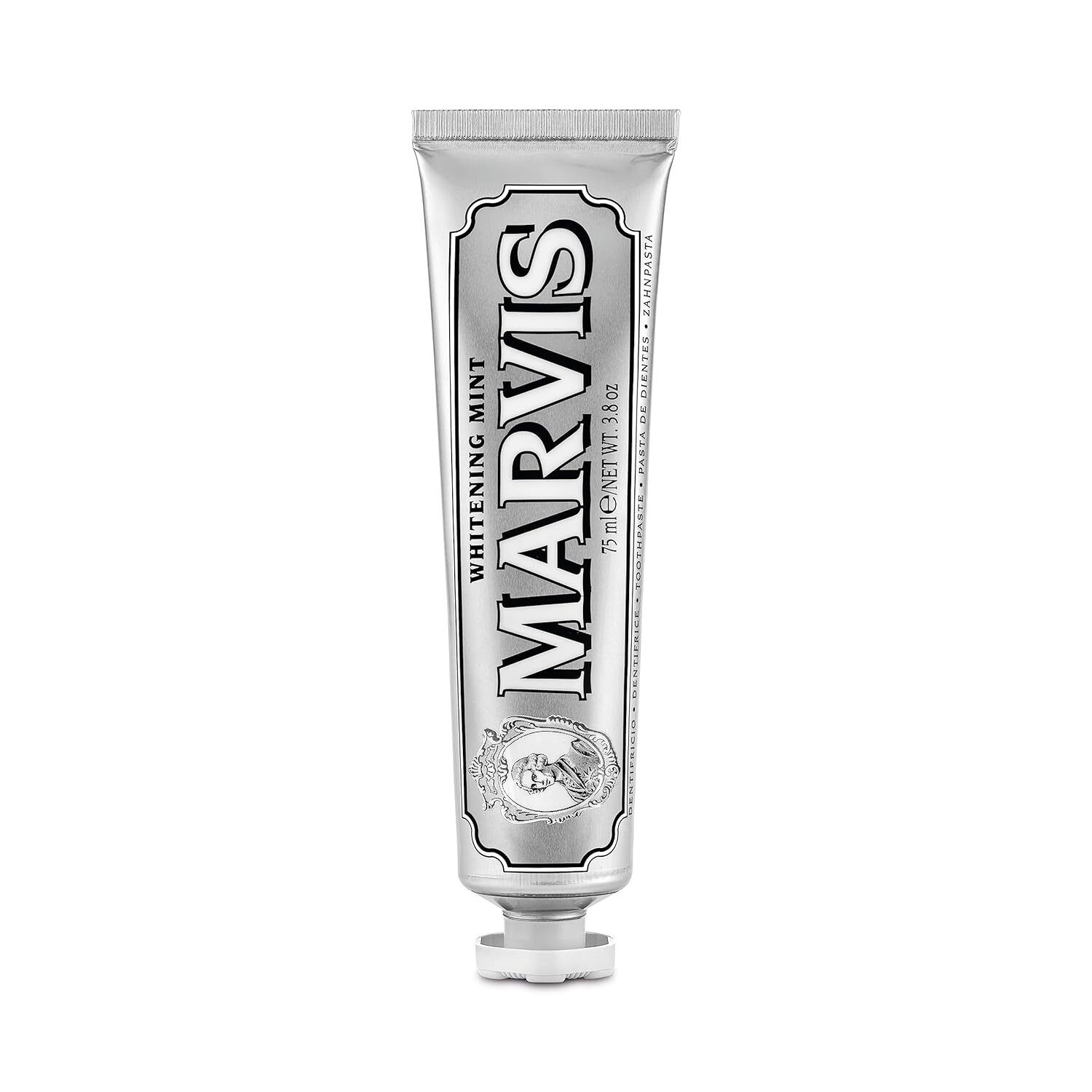
1. Best Overall: Marvis Whitening Mint Toothpaste
 |
|
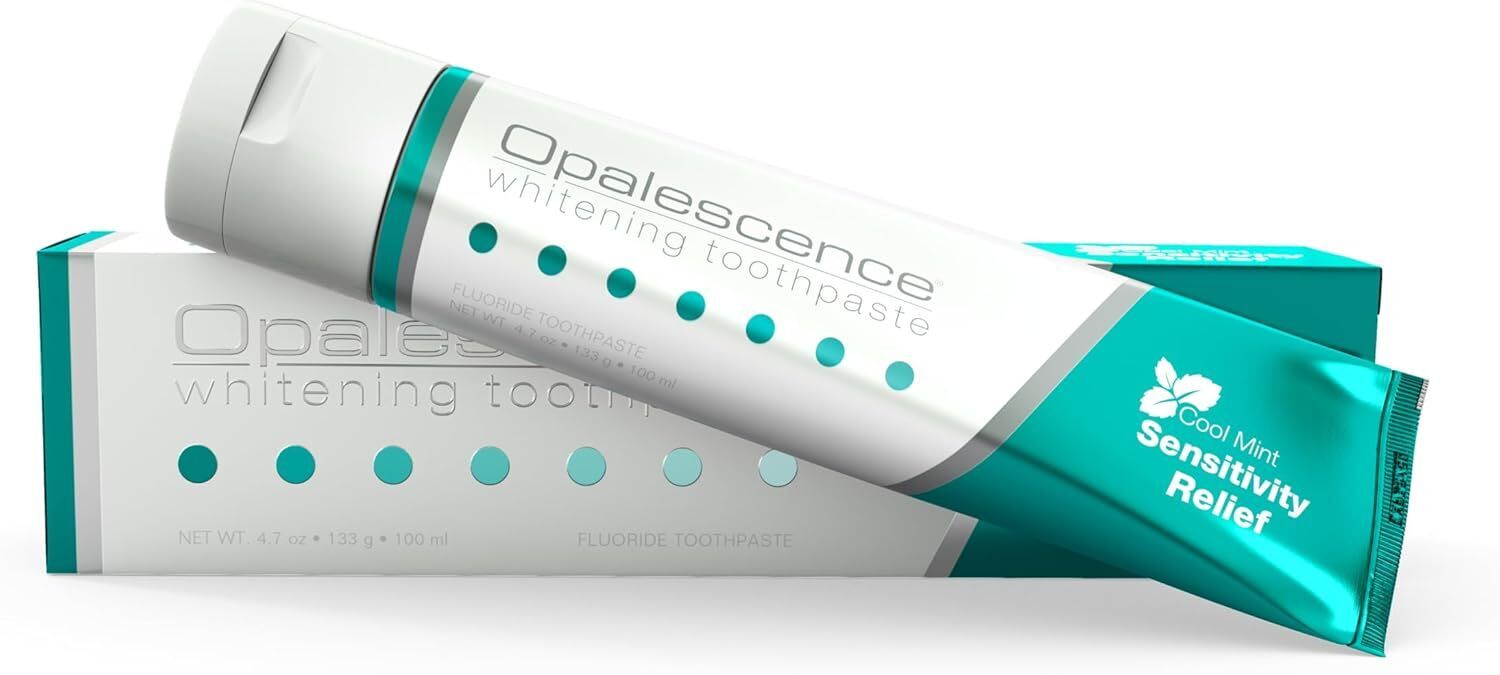
2. Best for Sensitive Teeth: Opalescence Whitening Toothpaste for Sensitivity Relief
 |
|
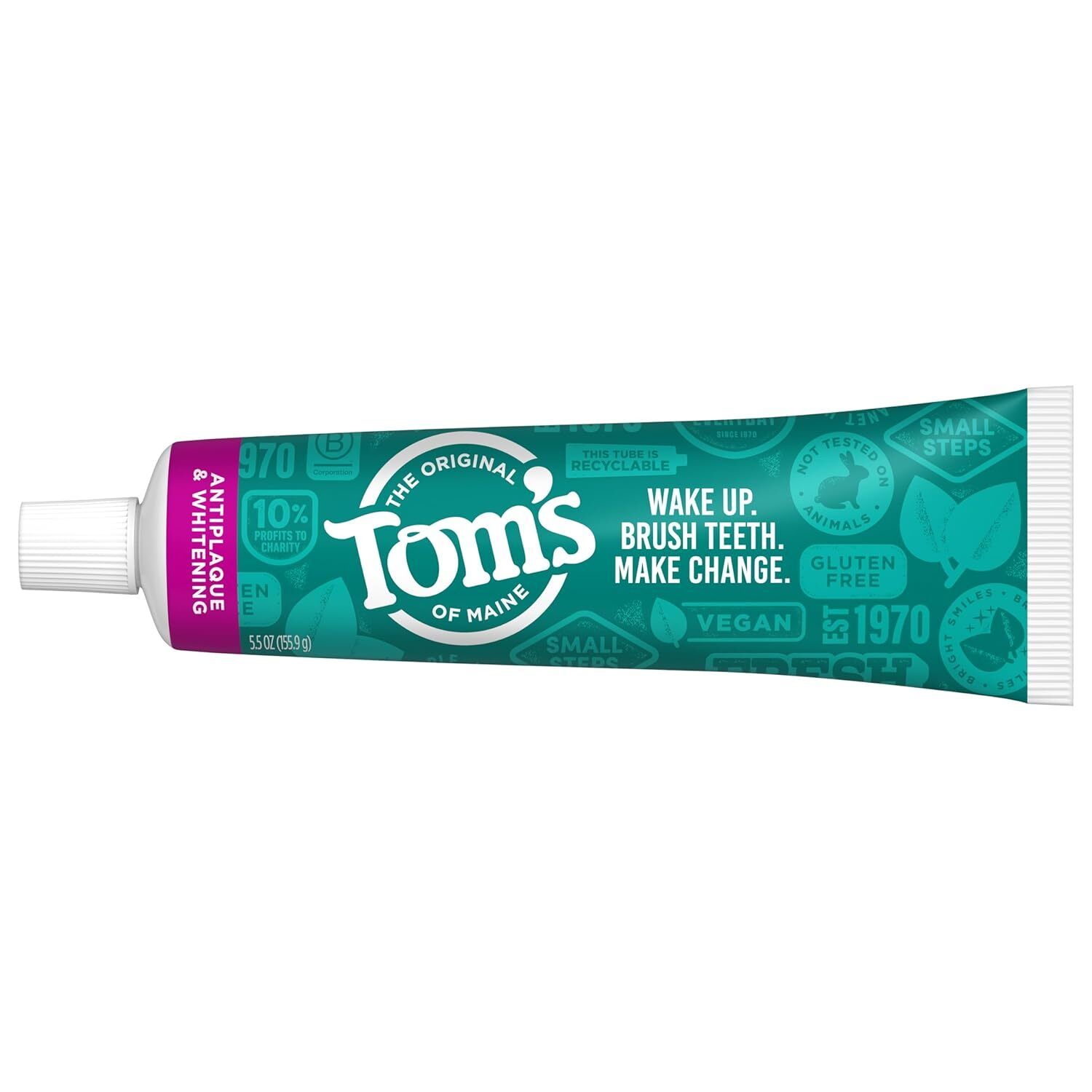
3. Best fluoride-free Formula: Tom’s of Maine Antiplaque & Whitening Fluoride-Free Toothpaste
 |
|
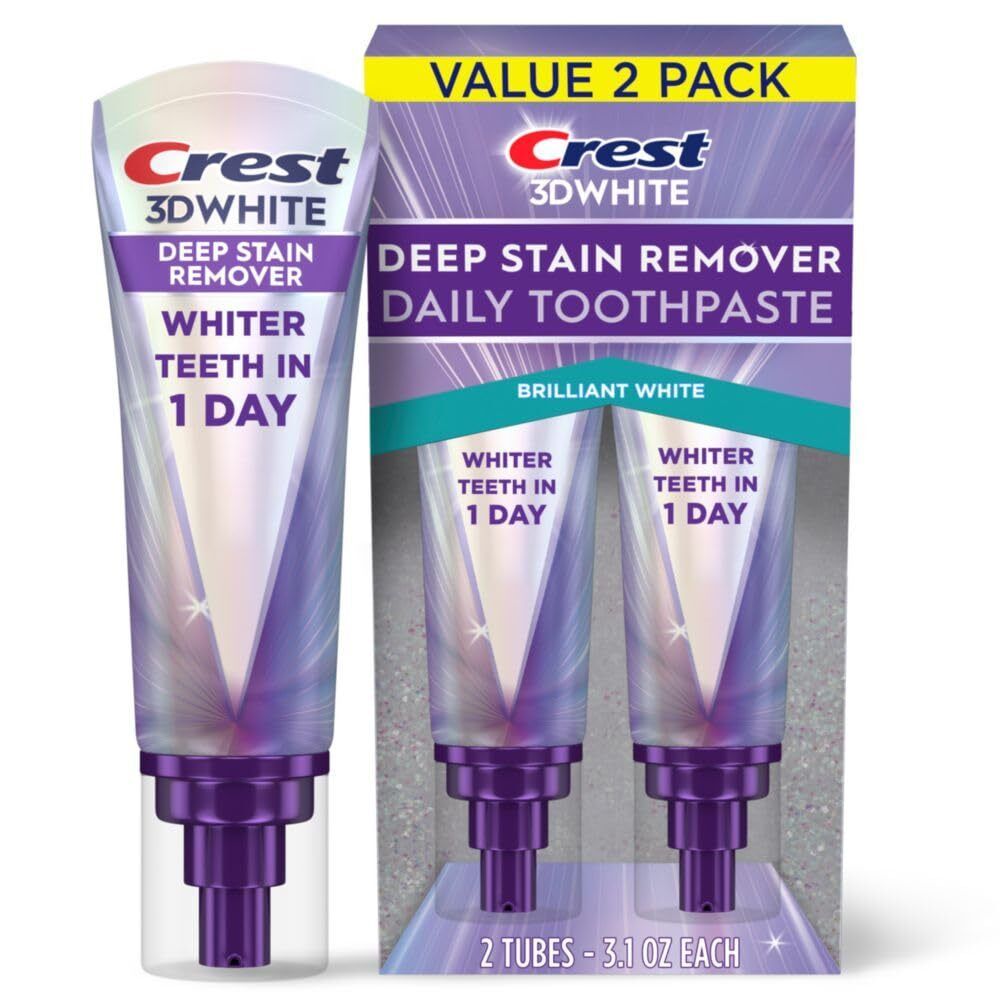
4. Fastest Results: Crest 3D White Brilliance Toothpaste
 |
|
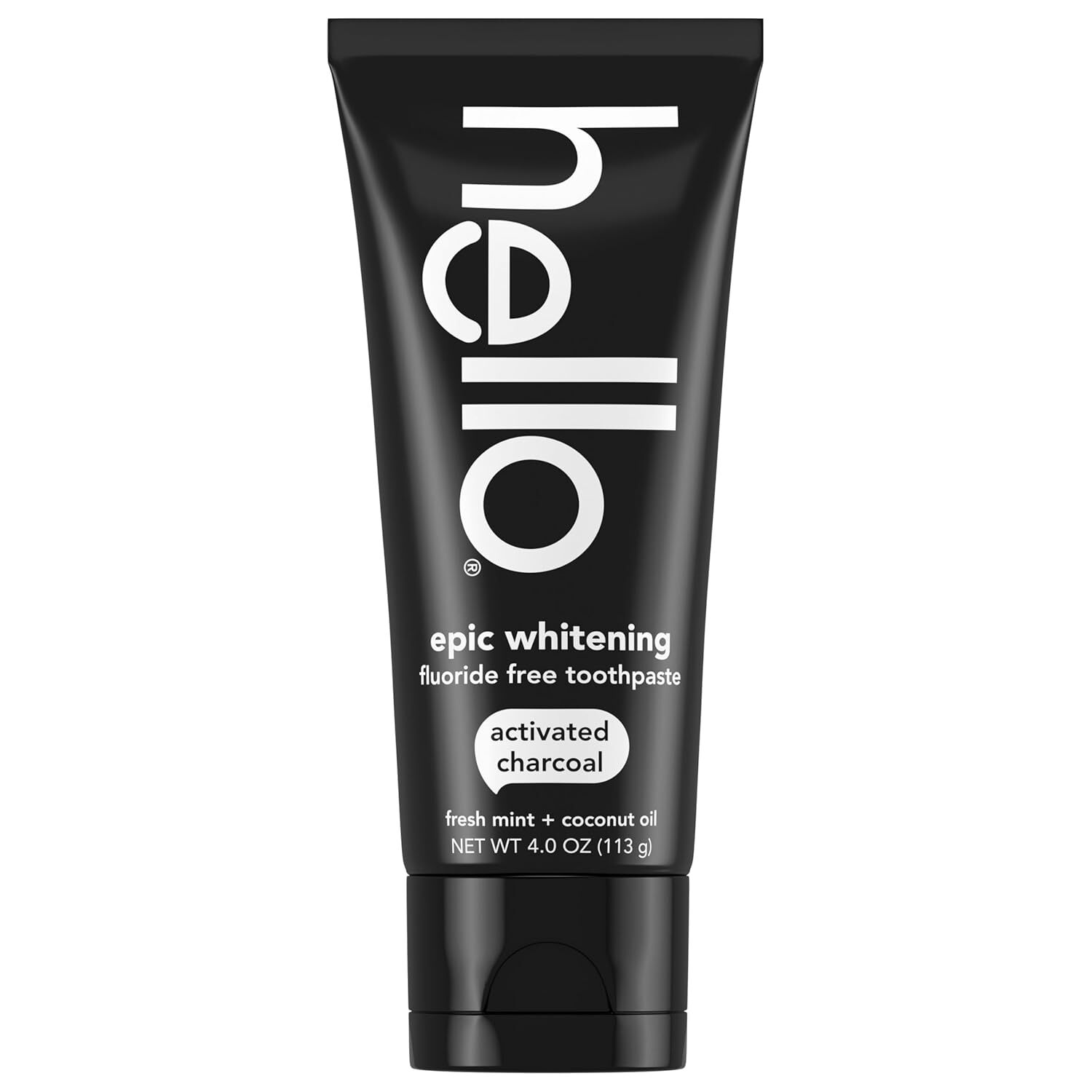
5. Best for Long-Term Use: Hello Activated Charcoal Whitening Toothpaste
 |
|
How to Get the Most Out of Your Whitening Toothpaste
Proper Brushing Technique
- Duration: Aim for two minutes per session, twice a day.
- Motion: Use gentle, circular strokes instead of harsh back-and-forth scrubbing to prevent enamel wear.
- Tools: A soft- or medium-bristle brush, or an electric toothbrush with a sensitive or whitening mode.
Consistency and Frequency
Whitening toothpastes are generally safe for daily use unless your dentist or the product’s instructions specify otherwise. Visible improvements often take several weeks of consistent brushing, so avoid the temptation to overbrush in hopes of quick results—this can harm enamel or irritate gums.
Complementary Products
- Mouthwash: An alcohol-free, fluoride-based rinse can further protect enamel and fight plaque.
- Floss: Plaque left between teeth will still cause discoloration. Regular flossing is critical for an even, bright smile.
- Whitening Strips or LED Kits: Consider using an at-home kit alongside your toothpaste for deeper or faster results.
Safety and Potential Side Effects
Tooth Sensitivity
Some people feel increased sensitivity to temperature or sweetness during the first few weeks of using the best whitening toothpaste. Consider switching to a gentler product or spacing out your brushing with a non-whitening formula if discomfort persists.
Gum Irritation
Aggressive brushing or higher concentrations of hydrogen peroxide can occasionally irritate gums. If redness or soreness continues, reduce frequency or consult a dental professional for personalized advice.
Enamel Erosion
Most brands are formulated to minimize enamel wear, but always consider abrasivity levels and user instructions. Overusing any abrasive product can accelerate enamel erosion.
Frequently Asked Questions
Q: Can I Use Whitening Toothpaste if I Have Crowns or Veneers?
Yes, but keep in mind that these restorations typically won’t “whiten” the same way natural teeth do. If the paste lifts stains on your natural teeth, it may cause a color mismatch. Always consult your dentist for specific advice on veneers or crowns.
Q: How Long Until I See Results?
It depends on factors such as stain severity and the product’s potency. You could notice improvements in as little as one week, but more substantial brightening might take up to a month or two of consistent use.
Q: Is It Safe to Use an Electric Toothbrush with Whitening Toothpaste?
Yes, as long as both the toothbrush head and toothpaste are designed for daily use. Check the manufacturer’s recommendations to ensure you’re not over-scrubbing and to maintain healthy enamel.
Q: Should I Stop Drinking Coffee or Tea to Maintain Results?
Rinsing your mouth or waiting a few minutes after consumption can help. Brushing immediately might damage enamel if your teeth are acidic, so wait at least 20–30 minutes. If you can’t part with your morning cup, a good whitening paste plus mindful oral hygiene can still preserve a bright smile.
Q: Do I Need a Special Whitening Mouthwash Too?
A whitening mouthwash can complement the toothpaste but isn’t strictly necessary. It may help control bacteria and freshen breath, but the bulk of stain removal often comes from toothpaste's abrasives and bleaching agents.
Q: Which Toothpaste Is Best for Whitening and Bad Breath?
For a dual-purpose approach, pick a best whitening toothpaste with antibacterial components and stain-lifting agents. Products containing zinc or stannous fluoride can reduce odor-causing bacteria, while mild abrasives can tackle surface discoloration. Look for labels highlighting freshness or “breath protection” alongside whitening claims. A popular example is a mint-forward formula that includes either hydrogen peroxide or baking soda for brightening, along with chlorhexidine or zinc compounds to control halitosis.
Q: What Do People on Reddit Say Is the Best Whitening Toothpaste?
Reddit users often favor tried-and-true classics like Crest 3D White or more niche, internet-acclaimed formulas such as EcoClean Charcoal White. Frequent discussion threads emphasize the importance of enamel safety, real-world results, and even flavor. You’ll see phrases like “low abrasivity,” “no harsh chemicals,” and “sensitivity-friendly.” Above all, Redditors value toothpastes that deliver noticeable whitening without causing irritation.
Q: Which Teeth Whitening Toothpaste Do Dentists Recommend?
Many dentists lean toward options with the ADA Seal of Acceptance and proven fluoride content. They prioritize enamel protection just as much as whitening. Formulas like Crest’s 3D White collection often appear in professional recommendations due to their tested efficacy, balanced abrasive levels, and cavity-fighting fluoride. That said, your dentist may suggest a gentler or stronger product depending on your specific needs.
Q: Which Toothpaste Is Best for Whitening Sensitive Teeth?
The best whitening toothpaste for sensitive teeth typically features mild polishing agents and lower peroxide concentrations. Look for terms such as “gentle,” “for sensitive teeth,” or ingredients like potassium nitrate, which helps calm nerves.
Q: Is Crest 3D White Toothpaste Truly Effective?
Crest 3D White is a staple in the whitening category, combining sodium fluoride for enamel protection with stain-removal boosters. It’s well-regarded for delivering visible brightening results within a few weeks of consistent use. Users often highlight its minty flavor and foaming action, though those with highly sensitive gums should be mindful of its moderate peroxide level.
Q: What Is the Best Whitening Toothpaste for Smokers?
Tobacco stains can be especially tough, so smokers often need a toothpaste with strong yet safe abrasives—look for formulas that advertise “deep stain removal.” Blends containing peroxide, baking soda, or activated charcoal can help lift the brownish discoloration caused by nicotine.
Q: How Does Colgate Whitening Toothpaste Stack Up?
Colgate offers various whitening toothpaste lines—some use peroxides, while others rely on gentle abrasives or hybrid approaches. Many versions carry the ADA Seal, indicating proven effectiveness in removing surface stains and preventing cavities. Most Colgate products also feature refreshing mint flavors, making them a reliable go-to if you want an all-in-one formula that balances whitening, enamel safety, and daily oral hygiene.
Tips for Maintaining a Whiter Smile
- Limit Staining Foods: Be mindful of red wine, berries, and sauces that can discolor teeth.
- Use a Straw: When drinking dark liquids, using a straw can minimize direct contact with your front teeth.
- Routine Cleanings: Biannual dental cleanings can remove plaque buildup and surface stains.
- Stay Hydrated: Drinking water helps rinse away stain-causing residues throughout the day.
Final Thoughts
Choosing the best toothpaste for whitening isn't only about chasing a brighter smile—it’s also about preserving the health of your enamel and gums. Whether you lean toward natural formulas, have sensitivity issues, or want fast-acting results, there's likely a best teeth whitening toothpaste that aligns with your lifestyle. Consistency is key: just as surface stains don't appear overnight, real improvements come from diligent brushing, healthy habits, and regular dental care.
Ultimately, the best whitening toothpaste offers a balance of effective stain removal, minimal sensitivity, and enamel protection. Couple that with a robust oral hygiene routine and occasional professional cleanings, and your path to a more radiant smile is well within reach.
Further Resources
- ADA (American Dental Association): ADA.org – Guidelines and certifications regarding safe oral-care products.
- Consumer Queries: Dental forums and user review sites often shed light on the real-world effectiveness of toothpaste.
- Professional Dentistry Opinions: For severe discoloration or existing dental work, schedule a consultation to determine if whitening products are right for you.
With the right toothpaste, a consistent oral care routine, and an understanding of how whitening ingredients work, you can maintain a luminous smile that looks great and reflects excellent dental health. Here's to your pearly whites!
Disclaimer: This article is for general informational purposes only and is not intended as a substitute for professional medical or dental advice. Always consult a qualified healthcare professional or dentist for guidance tailored to your individual needs. The author and publisher assume no responsibility for any errors or omissions, nor for any potential consequences of any action taken based on the information provided. Use of any products or techniques mentioned here is at your own discretion and risk.