
Sensitive skin requires special care—especially when it comes to sun protection. Tinted sunscreens combine broad-spectrum coverage (protecting you from both UVA and UVB rays) with a hint of color that evens out your complexion. The best tinted sunscreens for sensitive skin feature gentle, non-irritating ingredients, minimal or no fragrance, and formulas that help calm redness while offering light, blendable coverage.
In this article, we'll explore five top-rated tinted sunscreens recommended by dermatologists and share how each one stacks up regarding shade range, white cast, water resistance, and more. We'll also cover key things to look for, how to apply them, and extra sun safety tips for those with easily irritated complexions.
What to Look For in a Tinted Sunscreen for Sensitive Skin
- Mineral-Based Ingredients
- Zinc Oxide & Titanium Dioxide: These physical (mineral) filters are gentler on sensitive skin and less likely to cause stinging or redness than many chemical sunscreens.
- Fragrance-Free & Hypoallergenic
- Avoid Potential Irritants: Fragrance, dyes, and harsh preservatives can trigger reactions in sensitive skin.
- Non-Comedogenic
- Won't Clog Pores: Sensitive skin can still be acne-prone. Non-comedogenic formulas help prevent breakouts.
- Broad-Spectrum SPF 30 or Higher
- Comprehensive Sun Protection: Seek at least SPF 30; SPF 50 is even better if you’re spending extended periods outdoors.
- Soothing & Barrier-Supporting Ingredients
- Aloe Vera, Niacinamide, and Ceramides: These can calm redness, maintain a healthy pH, and support the skin's barrier.
- Shade & Coverage
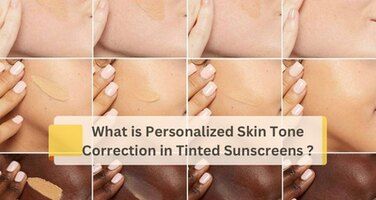
- Minimal White Cast: This is especially important if you have a medium or deeper skin tone.
- Coverage Level: Some tinted sunscreens offer sheer coverage, while others are slightly more pigmented.
- Water Resistance
- Lifestyle Considerations: If you'll be active, look for water or sweat resistance (40 or 80 minutes).
- Eco-Friendly & Reef-Safe
- No Oxybenzone/Octinoxate: If you're concerned about marine life, opt for mineral sunscreens that are labeled reef-safe and free from these chemicals.
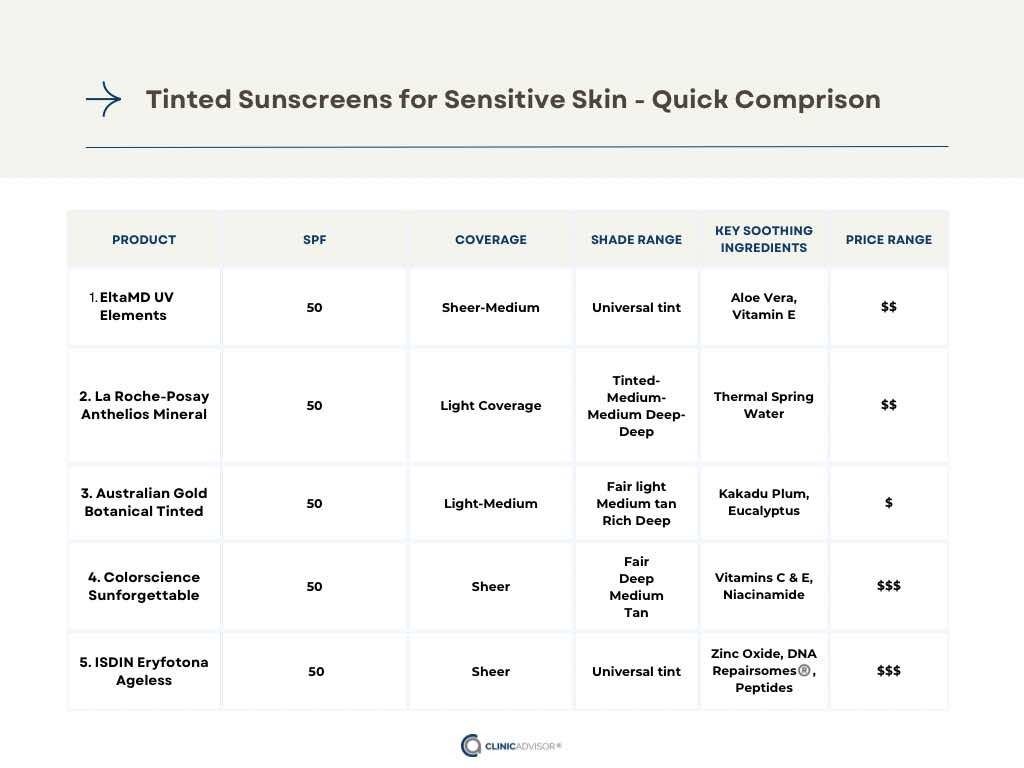
Note: “Universal Tint” typically means it’s designed to blend with a range of skin tones, though results may vary for very fair or very deep complexions.
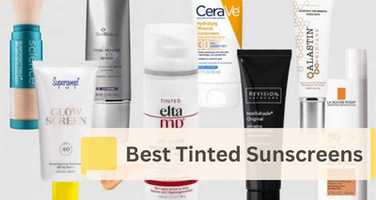
5 Best Tinted Sunscreens for Sensitive Skin
1. EltaMD UV Elements Broad-Spectrum SPF 50
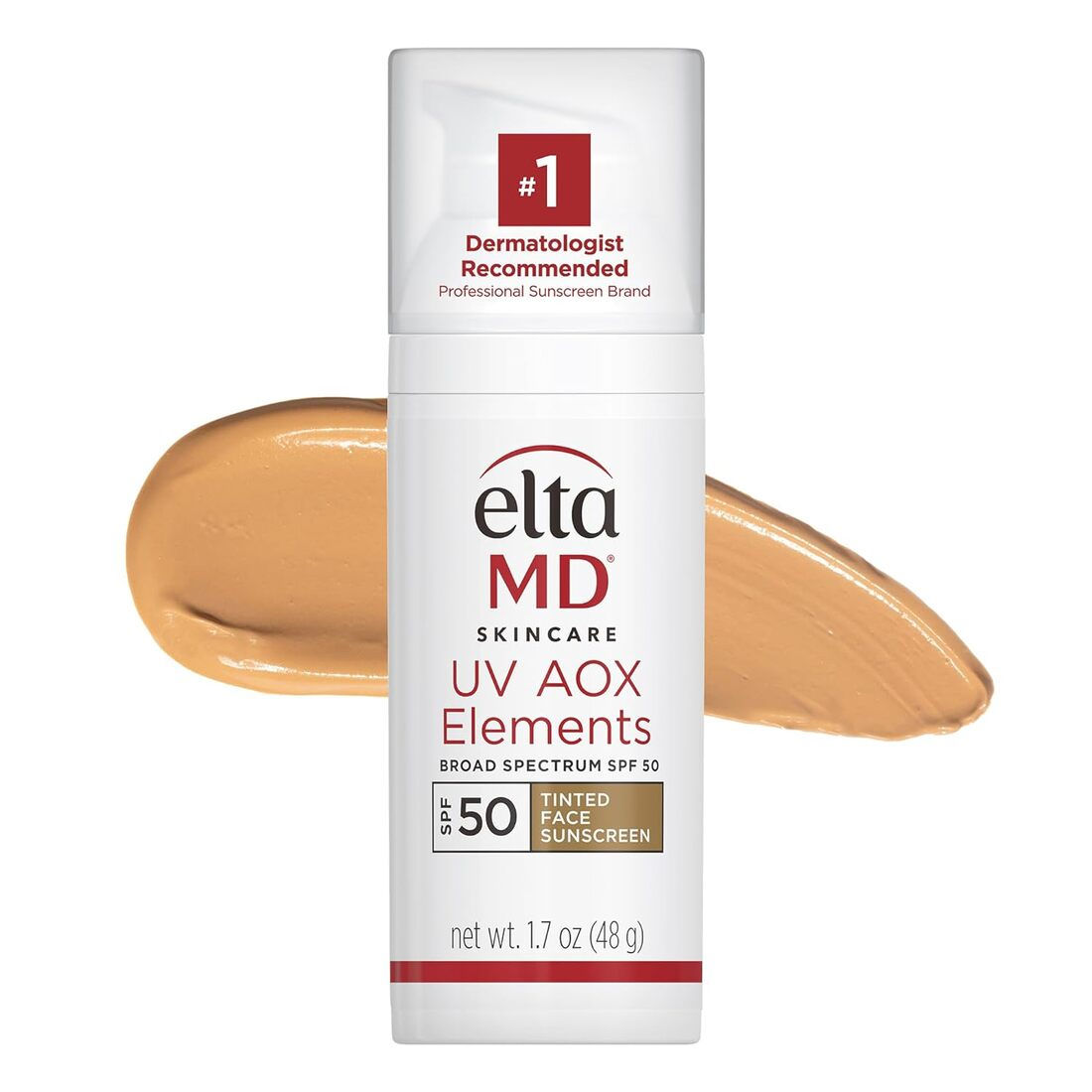 |
(Water Resistant up to 40 minutes, $$)
|
Dermatologist Endorsement:
“I recommend this to my patients who want lightweight, daily coverage,” says Dr. Jane Doe, board-certified dermatologist. “The aloe vera helps soothe sensitivity.”
2. La Roche-Posay Anthelios Mineral Tinted Sunscreen SPF 50
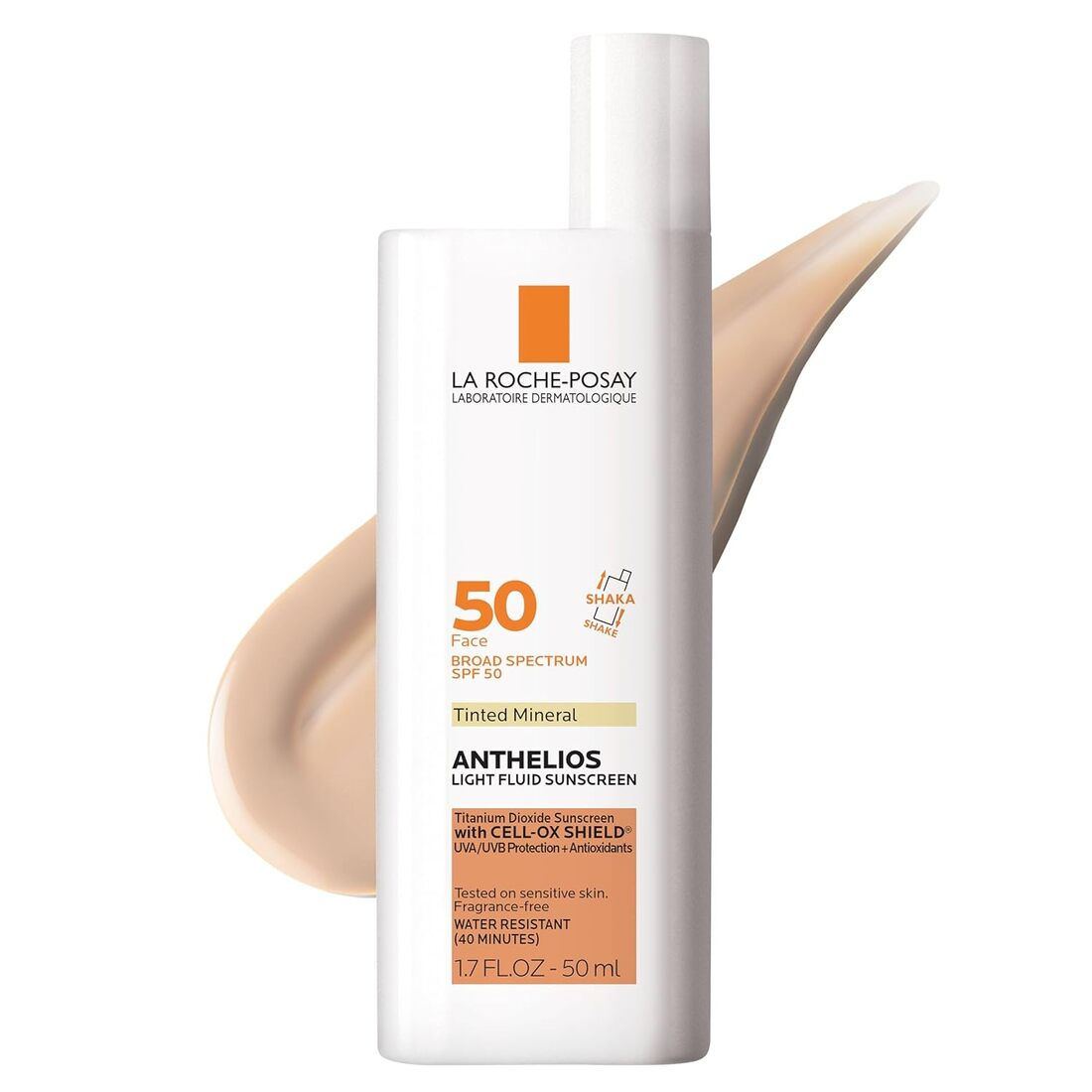 |
(Water Resistant up to 80 minutes, $$)
|
User Quote:
“It gives me just enough color to skip foundation, and it never burns or stings my sensitive skin,” shares a verified user from an online review.
3. Australian Gold Botanical Tinted Face Sunscreen SPF 50
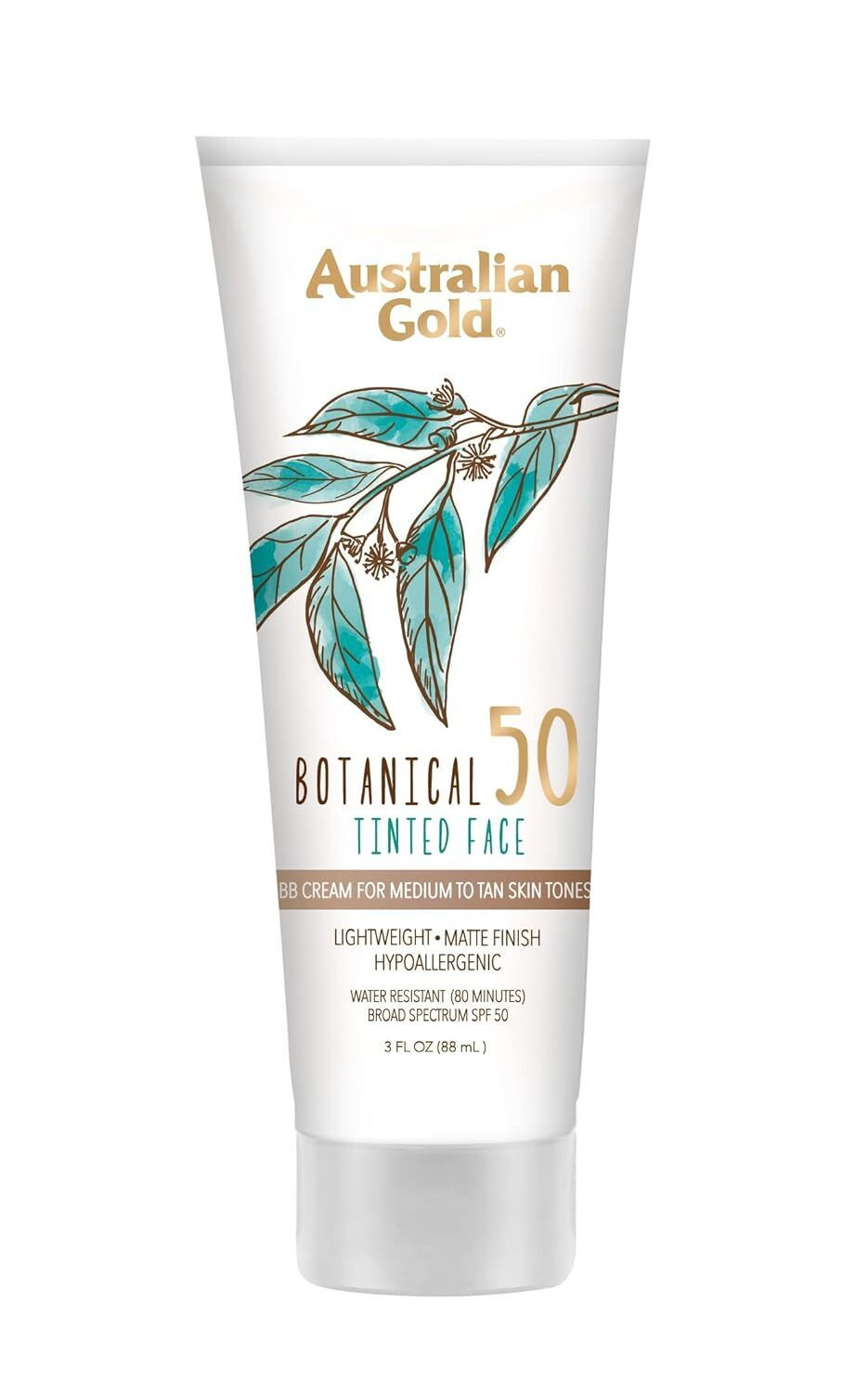 |
(Water Resistant up to 80 minutes, $)
|
Environmental Bonus:
Reef-safe formula (no oxybenzone or octinoxate) and cruelty-free. Perfect for eco-conscious shoppers.
4. Colorescience Sunforgettable Total Protection Face Shield SPF 50
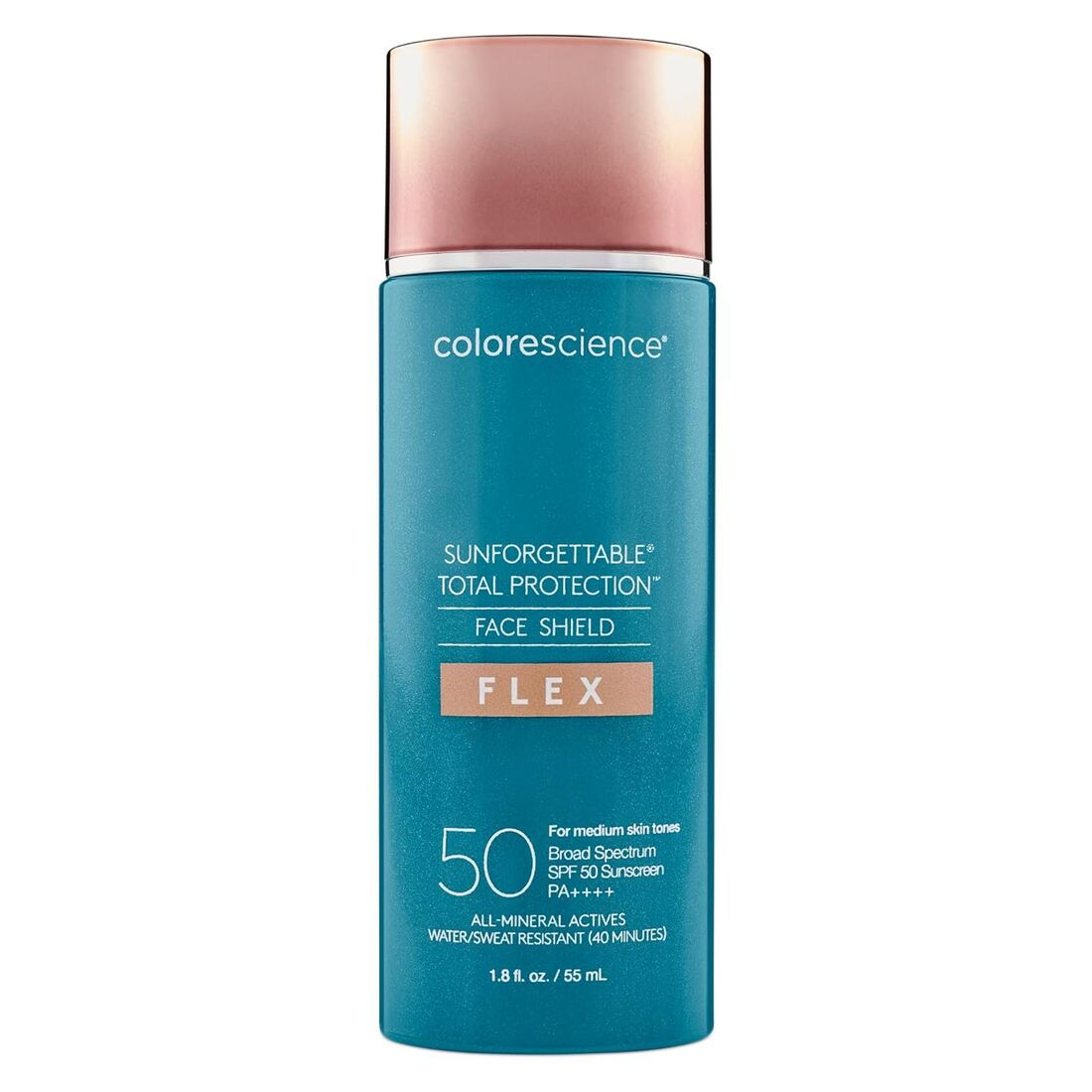 |
(Water Resistant up to 40 minutes, $$$)
|
Patch Test Tip:
Colorescience recommends a 24-hour patch test if you have very reactive skin. Apply a small amount behind the ear or on the jawline.
5. ISDIN Eryfotona Ageless Tinted Mineral Sunscreen SPF 50
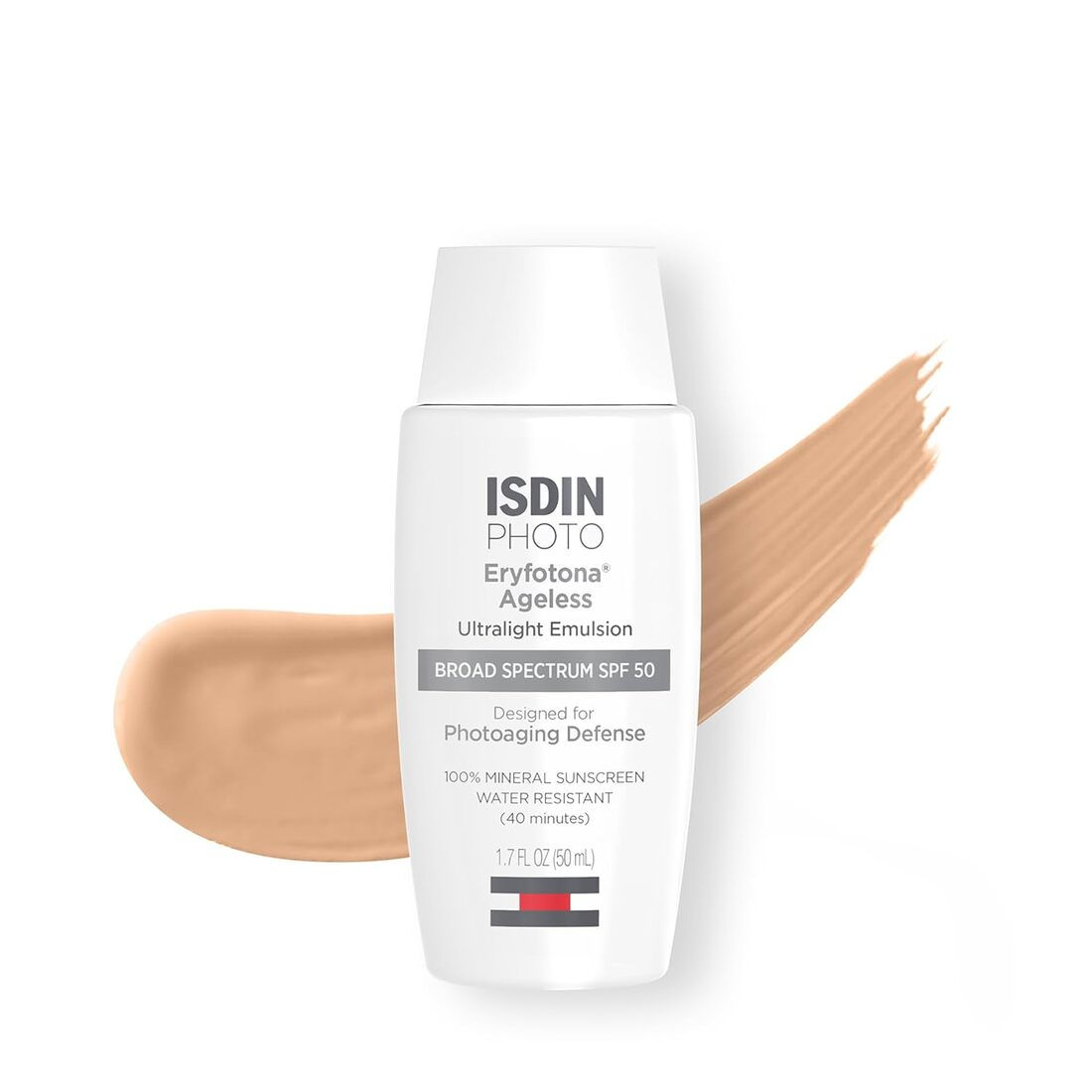 |
(Water Resistant up to 40 minutes, $$$)
|
Rosacea Friendly:
“I’ve noticed a significant reduction in redness after a few weeks,” reports one sensitive-skin user, “plus it doesn’t sting at all.”
Why Choose a Tinted Sunscreen for Sensitive Skin?
- Two-in-One: Provides sun protection plus light coverage, eliminating the need for separate heavy foundations that can irritate delicate skin.
- Less Risk of Breakouts: Many tinted sunscreens for sensitive skin are labeled non-comedogenic, helping avoid clogged pores and flare-ups.
- Streamlined Routine: Perfect for minimalists or those who want to cut down steps without compromising on protection or appearance.
When Should You Use a Tinted Sunscreen for Sensitive Skin?
- Daily Use: Wear it every morning as the last step of your skincare routine to protect yourself from incidental sun exposure—whether you're heading to the office, running errands, or spending time outdoors.
- Outdoor Activities: Choose a water-resistant formula if you'll be sweating or swimming, and remember to reapply every two hours.
- Under Makeup: Tinted sunscreen can be a lightweight base underneath powder or other makeup products. Just ensure it's fully absorbed before layering additional cosmetics.
Tips for Applying Tinted Sunscreen on Sensitive Skin
- Start with Clean, Calm Skin: Use a gentle cleanser to remove impurities. Follow with a lightweight, non-comedogenic moisturizer, especially if you have dry patches.
- Warm Up the Formula: For creamier mineral sunscreens, warm a pea-sized amount between your fingertips to help it spread more evenly and reduce the chance of a white cast.
- Apply Evenly & Blend Thoroughly: Use gentle, circular motions or a makeup sponge, focusing on areas prone to irritation, like the cheeks or around the nose.
- Patch Test: If you're trying a new formula, test a small amount on your jawline or behind your ear to ensure no adverse reaction.
- Reapply Often: Reapply every two hours or immediately after sweating or swimming to maintain optimal sun protection.
Additional Sun Safety Tips
- Seek Shade: Particularly between 10 AM and 4 PM, when the sun’s rays are strongest.
- Wear Protective Clothing: Hats, sunglasses, and UV-protective clothing can further shield sensitive skin.
- Stay Hydrated: Dehydration can worsen sensitivity. Drink plenty of water throughout the day.
- Avoid Harsh Products: Steer clear of strong exfoliants or irritating ingredients (like high-percentage retinols) when spending extra time in the sun.
Conclusion
Finding the best tinted sunscreen for sensitive skin doesn’t have to be complicated. Look for mineral-based, fragrance-free, and soothing formulas that align with your skin tone, coverage preference, and lifestyle needs. Whether you need a budget-friendly botanical option or a more advanced formula with DNA-repair technology, the five options above each offer unique benefits without compromising on comfort or protection.
With the right tinted sunscreen, you can enjoy a natural, even-toned glow and skip heavy foundations—all while protecting your skin from harmful UV rays and minimizing the risk of irritation or breakouts.
Frequently Asked Questions
1. Can tinted sunscreen cause breakouts on sensitive skin?
No—if you choose non-comedogenic formulas designed for sensitive skin, they’re less likely to clog pores or trigger acne. Always check the label to confirm.
2. How often should I apply tinted sunscreen?
For full effectiveness, apply every morning and reapply every two hours or immediately after sweating or swimming.
3. Is mineral-based tinted sunscreen better for sensitive skin?
Yes, mineral sunscreens containing zinc oxide and titanium dioxide are typically gentler, creating a physical barrier rather than absorbing into the skin like chemical filters.
4. Can I wear tinted sunscreen under makeup?
Absolutely! Tinted sunscreen can act as a lightweight base, especially for those who want to simplify their routine. Just let it set before adding other makeup layers.
Disclaimer:
The information provided in this article is for educational purposes only and should not replace professional or medical skincare advice. Always consult a dermatologist before incorporating new products into your skincare routine—particularly if you have diagnosed conditions like rosacea, eczema, or extremely sensitive skin.
*All product details, formulations, pricing, and availability are subject to change. Always read labels for the most current information.*



Share Your Opinion, Please