
Choosing the right sunscreen is not only essential for your skin's health but also for the well-being of our oceans. Traditional sunscreens often contain harmful chemicals like oxybenzone and octinoxate, which contribute to coral bleaching and damage marine ecosystems. Reef-safe sunscreens are formulated without these harmful ingredients, ensuring that while you protect your skin from the sun, you also help preserve the beautiful underwater world. Below, we explore the best reef-safe sunscreens recommended by environmentalists and skincare experts for their effectiveness and eco-friendly formulations.
What to Look for in a Reef-Safe Sunscreen?
When selecting the best reef-safe sunscreen, consider the following key features:
- Mineral-Based Ingredients: Look for sunscreens containing zinc oxide or titanium dioxide, which are safe for coral reefs and provide broad-spectrum protection.
- Non-Nano Particles: Ensure the product uses non-nano particles to prevent them from entering marine environments.
- Free from Harmful Chemicals: Avoid sunscreens with oxybenzone, octinoxate, and other harmful chemicals known to damage coral reefs.
- Water-Resistant Formula: Choose a water-resistant option if you plan on swimming or sweating, ensuring long-lasting protection.
- Eco-Friendly Packaging: Opt for products that use recyclable or biodegradable packaging to further minimize environmental impact.
Top Recommended Reef-Safe Sunscreens:
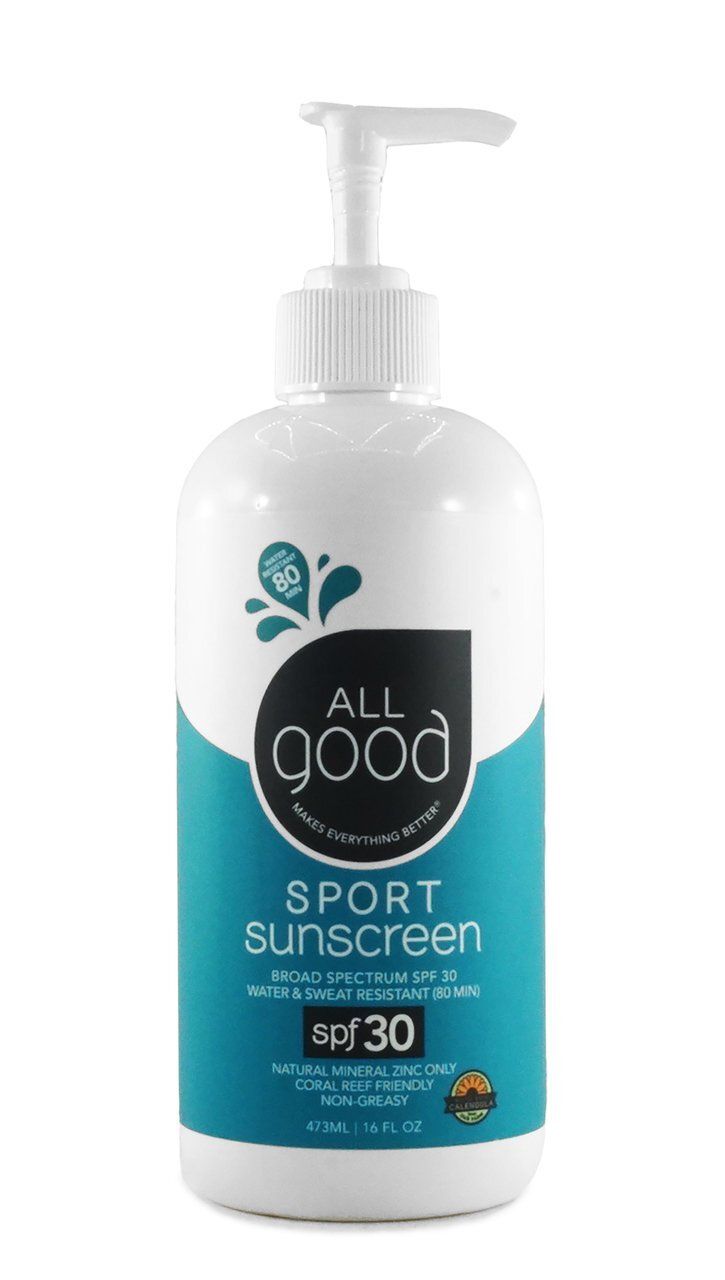
1. All Good Sport Sunscreen Lotion SPF 30
 |
|
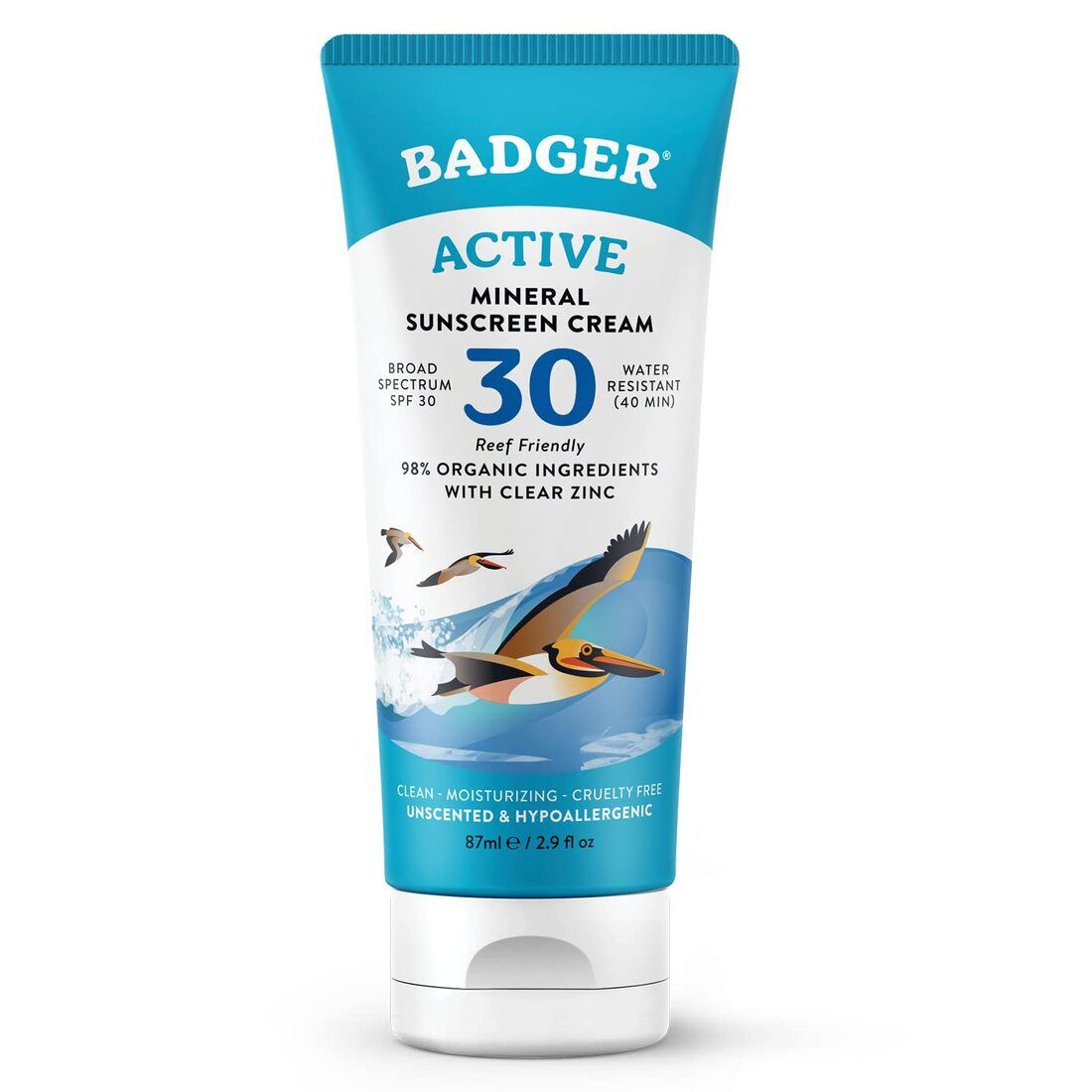
2. Badger Balm SPF 30 Unscented Sunscreen Cream
 |
|
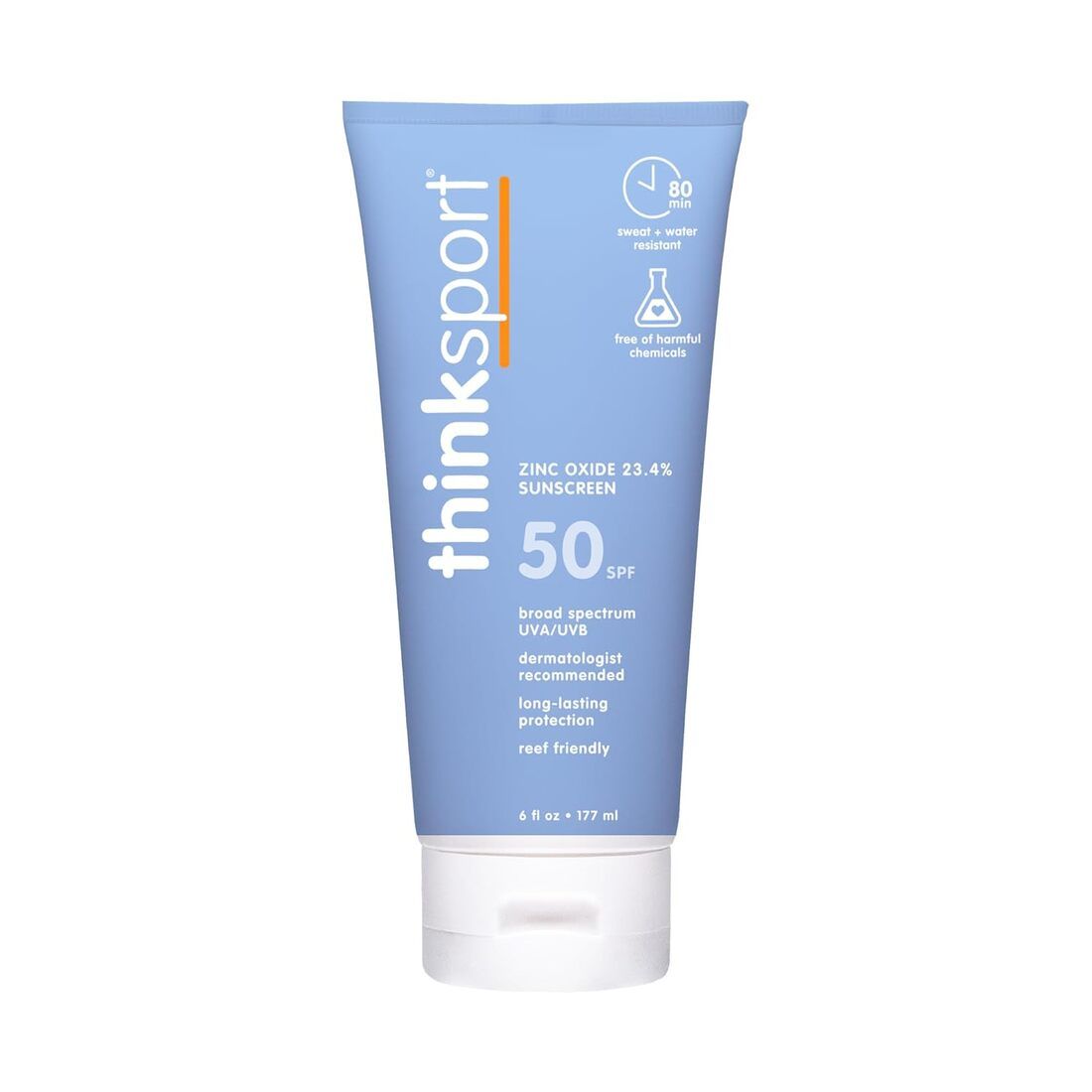
3. ThinkSport Safe Sunscreen SPF 50+
 |
|
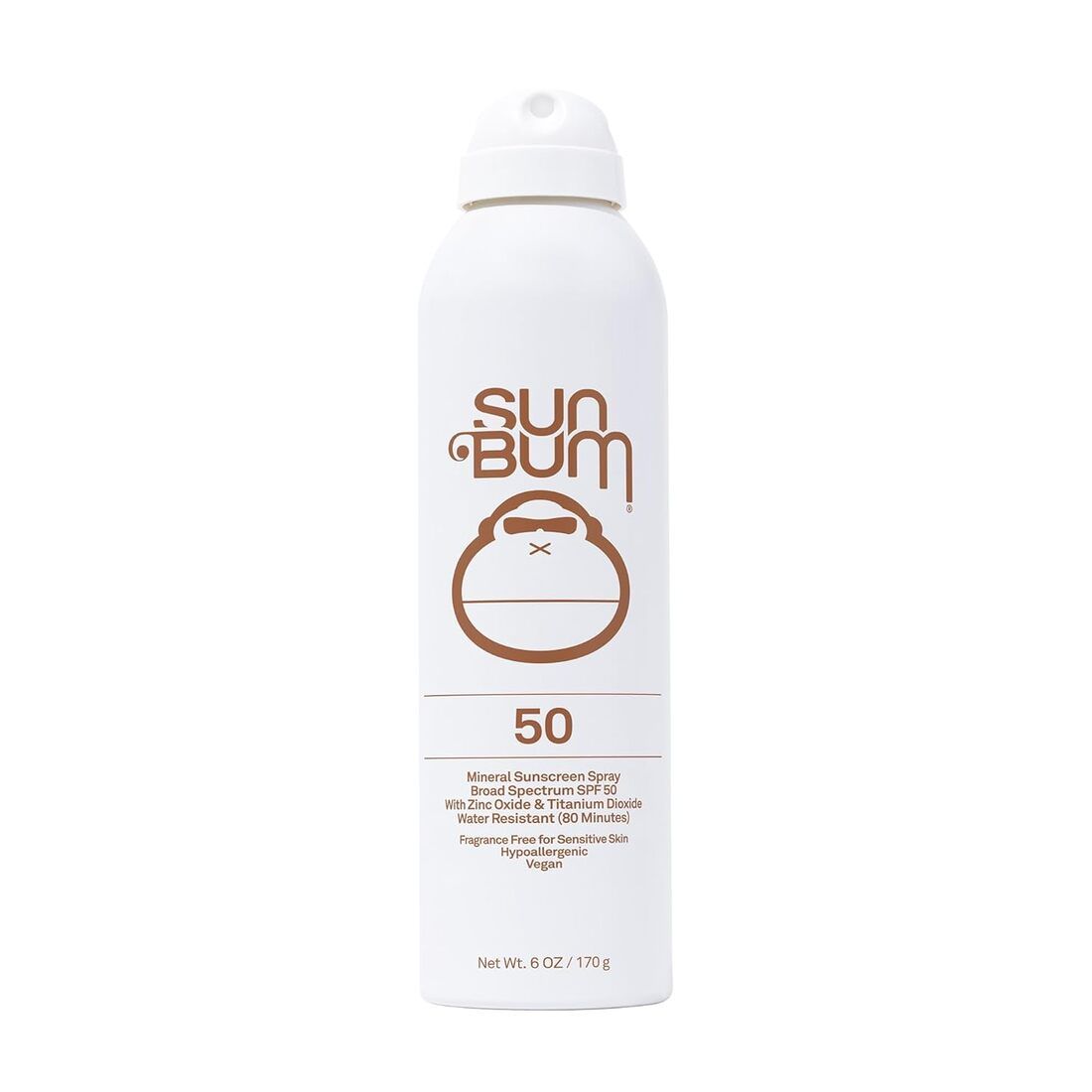
4. Sun Bum Mineral SPF 50 Sunscreen Spray
 |
|
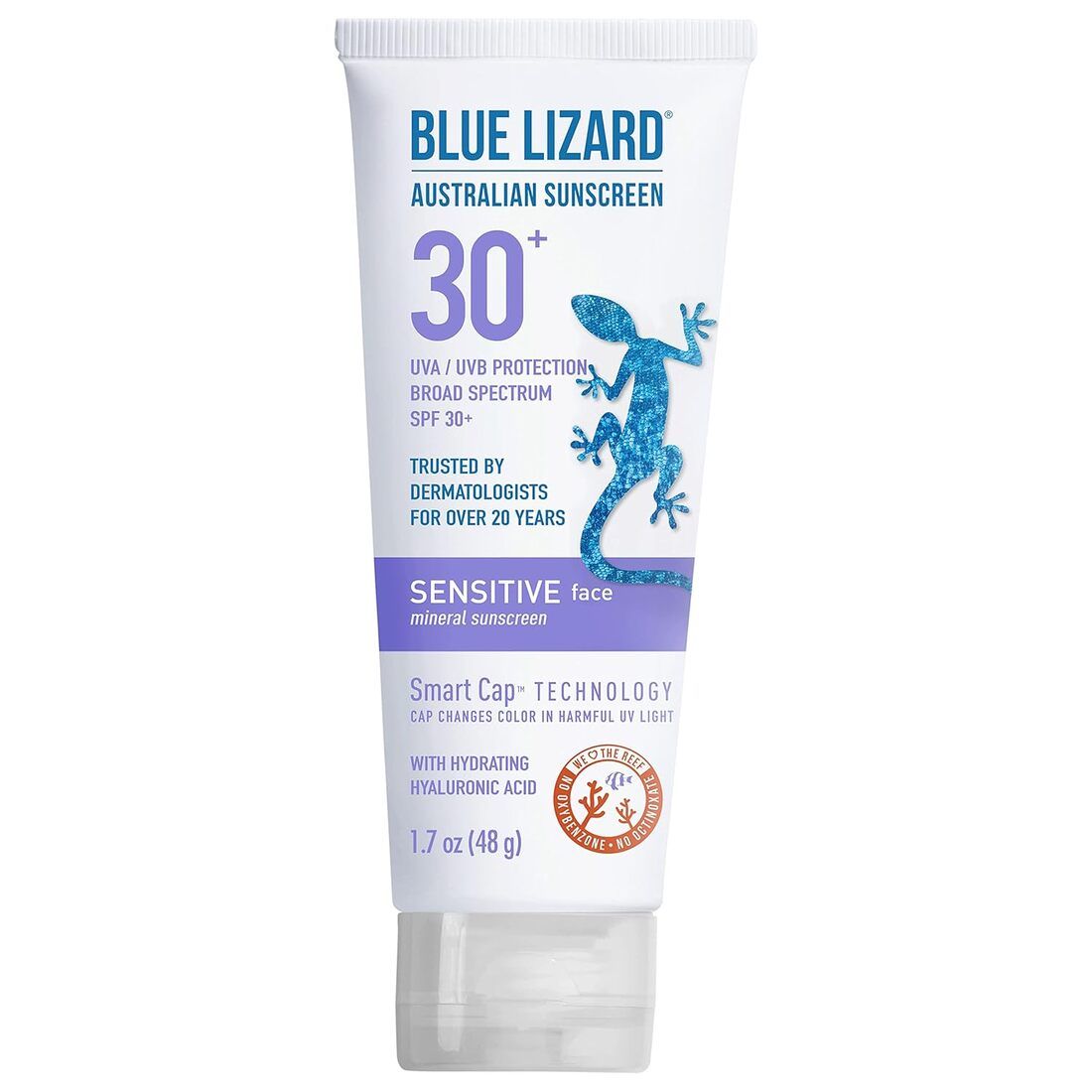
5. Blue Lizard Australian Sunscreen Sensitive SPF 30+
 |
|
Why Choose a Reef-Safe Sunscreen?
Reef-safe sunscreens are specifically designed to protect both your skin and marine life. The conventional sunscreens' chemical ingredients can accumulate in water bodies, causing coral bleaching and harming aquatic life. By opting for reef-safe options, you reduce your environmental footprint and contribute to the preservation of marine ecosystems. Additionally, these sunscreens often use mineral-based ingredients that provide effective sun protection without irritating sensitive skin.
Additional Tips for Using Reef-Safe Sunscreen
- Apply Generously: Ensure you cover all exposed skin areas thoroughly for maximum protection.
- Reapply Regularly: Reapply every two hours, or immediately after swimming or sweating, to maintain effectiveness.
- Combine with Protective Clothing: Wear hats, sunglasses, and UPF-rated clothing for added sun protection.
- Choose the Right Formulation: Select a formulation that suits your skin type, whether it's lotion, spray, or stick.
- Store Properly: Keep your sunscreen in a cool, dry place to preserve its efficacy.
Conclusion
Choosing the best reef-safe sunscreen is a responsible decision that benefits both your skin and the environment. By selecting mineral-based, non-comedogenic products free from harmful chemicals, you can enjoy effective sun protection without contributing to coral reef damage. The top recommendations listed above provide excellent protection, ease of use, and eco-friendly formulations, ensuring that you can stay safe in the sun while preserving the beauty of our oceans.
FAQs: Reef-Safe Sunscreen
What makes a sunscreen reef-safe?
Reef-safe sunscreens are formulated without harmful chemicals like oxybenzone and octinoxate. Instead, they use mineral-based ingredients such as zinc oxide and titanium dioxide that do not harm coral reefs or marine life.
Can reef-safe sunscreens protect against sunburn?
Yes, reef-safe sunscreens provide broad-spectrum protection against both UVA and UVB rays, helping to prevent sunburn and skin damage.
Are mineral-based sunscreens better for sensitive skin?
Yes, mineral-based sunscreens are generally gentler on sensitive skin as they use physical blockers like zinc oxide and titanium dioxide instead of chemical filters that can irritate.
How often should I apply reef-safe sunscreen?
For optimal protection, apply reef-safe sunscreen every two hours, or more frequently if you are swimming, sweating, or towel-drying your skin.
Can I use reef-safe sunscreen every day?
Absolutely! Daily use of reef-safe sunscreen is recommended to protect your skin from harmful UV rays and prevent skin aging and damage.




Share Your Opinion, Please