The best pour-over coffee maker/brewer should make it easy to hit specialty-coffee targets: water 195–205 °F, a steady flow that fully wets the bed, and a recipe that lands near the SCA “Golden Cup” (about 1.15–1.35% TDS with 18–22% extraction). Nail those and you get cups that are sweet, clean, and repeatable.
Why Choose a Pour-Over Coffee Maker?
- Flavor clarity & control: You control grind, temperature, and flow—huge levers for extraction quality.
- Low cost, high ceiling: Top drippers are inexpensive but scale to competition-level results.
- Simple toolkit: A dripper, good paper, a burr grinder, and (ideally) a gooseneck kettle are enough to brew café-quality at home.
What Makes a Great Pour-Over Brewer?
| Key Spec / Feature | What to Look For & Why |
|---|---|
| Geometry & Flow | Cones (e.g., V60) encourage faster, centered flow and bright clarity; flat-bottoms (e.g., Kalita Wave) slow and even the drawdown for forgiving, balanced cups. (Hario USA, Kalita USA) |
| Filter Compatibility | Filter thickness and shape change flow and clarity (e.g., Chemex bonded filters are extra thick for ultra-clean cups). (Chemex) |
| Thermal Behavior | Materials that retain heat (ceramic, double-wall metal) keep extraction in the sweet zone. (Serious Eats) |
| Ease for Beginners | Features like ratio aids, steep walls, or hybrid immersion control reduce channeling and improve consistency. (Fellow) |
| Brew Temp Target | Use 195-205 °F water at contact for best extraction across pour-over methods (SCA guidance). (Prima Coffee) |
The Best Pour-Over Coffee Makers of 2026
1. Best Overall (Cone) — Hario V60 02
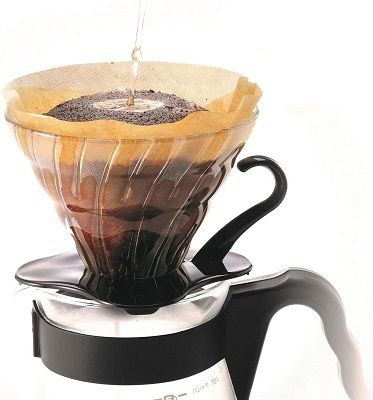 |
Why you’ll love it: The world’s most influential dripper: a 60° cone, spiral ribs, and a large single outlet that lets you control flow with the kettle. Brew fast for sparkling acidity or slow for a heavier body—the V60 does both with the right grind and pour.
Pros you’ll notice:
Trade-offs:
Best for: Tinkerers who want maximum control and clarity. |
2. Best for Easy, Even Brews (Flat-Bottom) — Kalita Wave 185
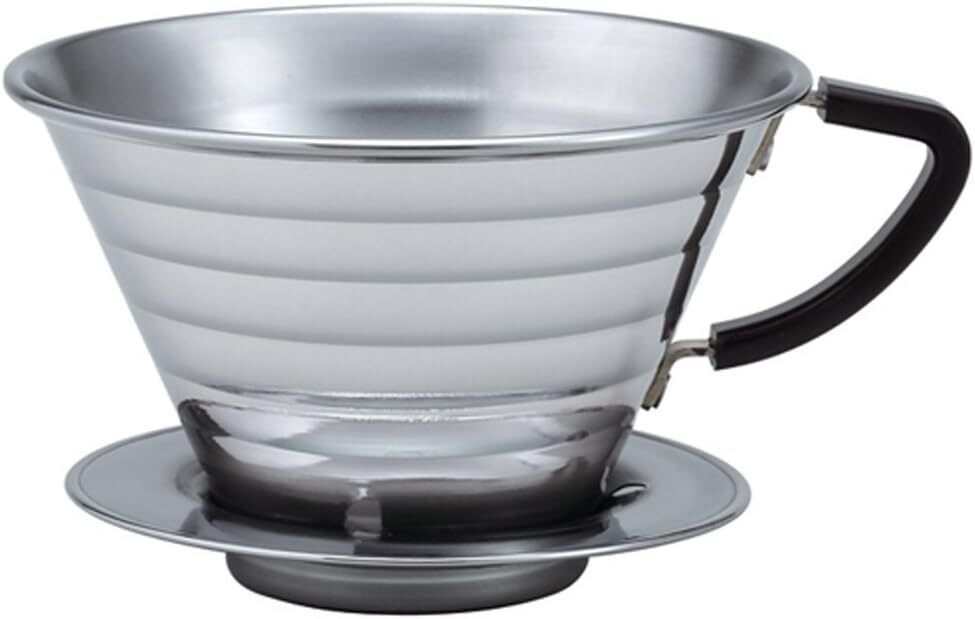 |
Why you’ll love it: The Wave’s flat bed and three-hole base promote even extraction with less channeling; its signature ridged Wave filters keep water moving across the bed instead of clinging to the walls. Brews are balanced, sweet, and very repeatable.
Pros you’ll notice:
Trade-offs:
Best for: Everyday brewers who want consistent sweetness with minimal fuss. |
3. Best for Ultra-Clean Cups (Carafe + Filter System) — Chemex 6-Cup
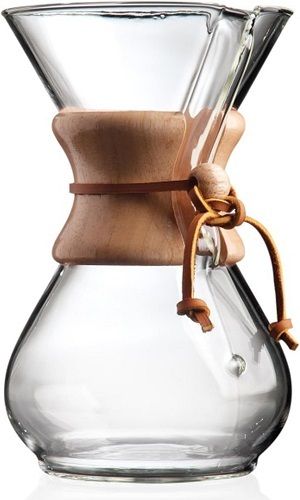 |
Why you’ll love it: The iconic Chemex is both brewer and carafe. Its bonded paper filters are thicker than standard cone papers, producing cups that are strikingly clean and crisp, with fewer oils and sediments. Great for sharing and for light roasts.
Pros you’ll notice:
Trade-offs:
Best for: Fans of ultra-clean, tea-like profiles and entertaining. |
4. Best Premium & Temperature-Stable — Fellow Stagg [X/XF]
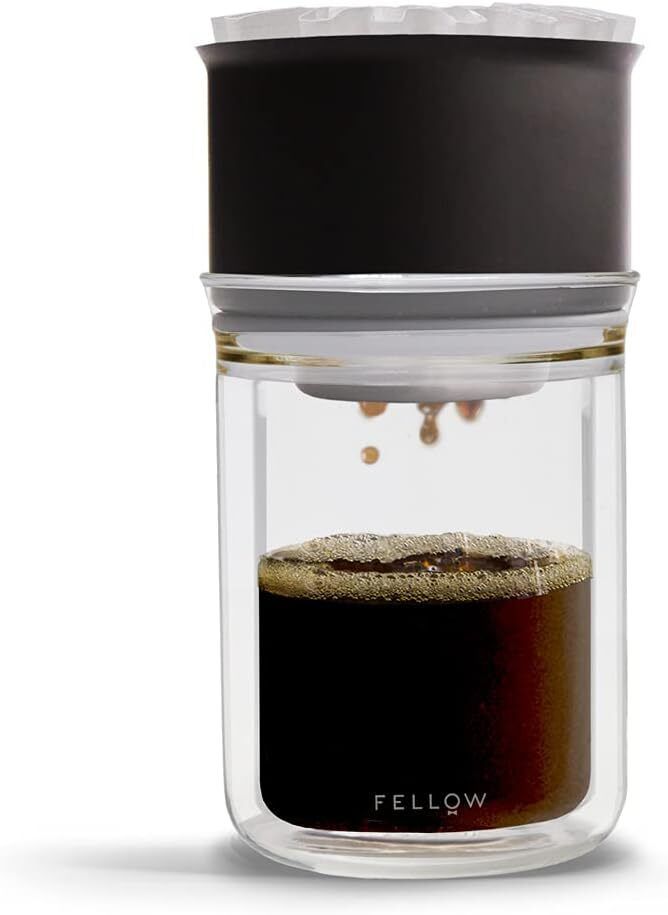 |
Why you’ll love it: The Stagg drippers add design elements that help maintain consistency: steep walls for more contact time, a vacuum-insulated body to retain heat, and a built-in ratio aid that doubles as a drip catcher—great when you don’t want to weigh every dose. Choose [X] for 1 cup or [XF] for slightly larger brews.
Pros you’ll notice:
Trade-offs:
Best for: Brewers who want premium build and consistency with fewer variables to juggle. |
How to Brew Better with a Pour-Over?
- Water temp: Start at 200 °F (93 °C); adjust within 195–205 °F based on taste and roast.
- Ratio: 1:15 to 1:17 (e.g., 22 g coffee to 350 g water); target SCA “Golden Cup” strength if you measure TDS.
- Grind: Medium-fine for fast cones (V60), slightly coarser for Chemex; adjust so total brew ends ~2:30–3:30 for a 1-cup.
- Bloom: Pour 2–3× the dose in water (e.g., 40–60 g for 20 g coffee) and wait 30–45 s to de-gas; then finish in 2–3 pulses.
- Keep it hot: Pre-rinse filters and preheat brewers—especially glass/ceramic—to sustain extraction.
Bottom Line
Choose the geometry and filters that match your flavor preferences, keep water in the 195–205 °F range, and let a consistent grind-and-pour routine do the rest. |