

A cornerstone of the Mediterranean diet, olive oil is cherished not only for its rich flavors but also for its numerous health benefits. However, not all olive oils are created equal—each one differs in nutritional value and taste. So, how do you select the best olive oil? What should you look for to ensure it's both high in quality and beneficial to your health? In this article, we explore the 5 key factors to consider when choosing olive oil and share our top picks of the best organic olive oils available, tailored to various preferences and uses.
Why Choose High-Quality Olive Oil?
Choosing high-quality olive oil is essential for several reasons, especially when it comes to health benefits, taste, and overall versatility. Here are a few key points:
1. Nutritional Value
High-quality olive oil, particularly extra virgin, is rich in antioxidants, vitamins (such as vitamin E and K), and healthy monounsaturated fats. These components contribute to heart health, reduce inflammation, and may lower the risk of chronic diseases. Poorer-quality oils, especially those that are heavily processed, tend to lose many of these nutrients.
2. Authenticity and Purity
Premium olive oils are often minimally processed and free of additives or impurities. Low-quality oils may be mixed with other types of oils, diluting their nutritional benefits and altering their authenticity. Choosing a high-quality product ensures you're getting pure olive oil, without hidden ingredients.
3. Superior Flavor
High-quality olive oils provide a richer and more complex flavor profile, which can elevate the taste of your dishes. Whether you're using it for dressing, drizzling, or cooking, the distinct peppery, fruity, or grassy notes of a premium olive oil can enhance the culinary experience. Inferior oils often lack these nuances and can taste flat or rancid.
4. Longer Shelf Life
Because high-quality olive oils are carefully processed and stored, they typically last longer without turning rancid. Poor-quality oils may spoil faster, especially if they have been mixed with other oils or improperly stored.
5. Ethical and Sustainable Practices
Many premium olive oils are sourced from organic farms that follow sustainable practices, ensuring better working conditions for farmers and reduced environmental impact. When you choose a high-quality olive oil, you're often supporting ethical production.
When Should You Use Olive Oil?
Olive oil can be used in a variety of ways, including sautéing, roasting, baking, and as a finishing touch on salads, pasta, and grilled vegetables. For cooking, use extra virgin olive oil at medium heat to retain its health benefits. For dressings or dips, use a high-quality extra virgin olive oil for maximum flavor. Remember to store olive oil in a cool, dark place to maintain its freshness and quality.
What Makes a Good Olive Oil?
When selecting olive oil, consider the following features:
- Extra Virgin Quality: Indicates the highest quality with no defects, made from pure, cold-pressed olives.
- Single-Origin or Estate Bottled: Ensures the olives are sourced from a specific region or farm, guaranteeing consistency and traceability.
- Harvest Date: Freshness is key; look for a recent harvest date for optimal flavor and health benefits.
- Certified Organic: Free from pesticides and synthetic chemicals, ensuring a pure and natural product.
- Robust Flavor Profile: Offers a balance of fruitiness, bitterness, and peppery finish, ideal for enhancing a variety of dishes.
Key Benefits of Using High-Quality Olive Oil
Premium olive oils offer several benefits:
- Heart Health: Rich in monounsaturated fats and antioxidants that promote cardiovascular health.
- Anti-Inflammatory Properties: Contains oleocanthal, which has natural anti-inflammatory effects.
- Versatile in Cooking: Enhances flavor whether used for sautéing, baking, or as a finishing oil.
- Nutrient-Rich: Packed with vitamins E and K, along with powerful antioxidants.
Recommended Olive Oils
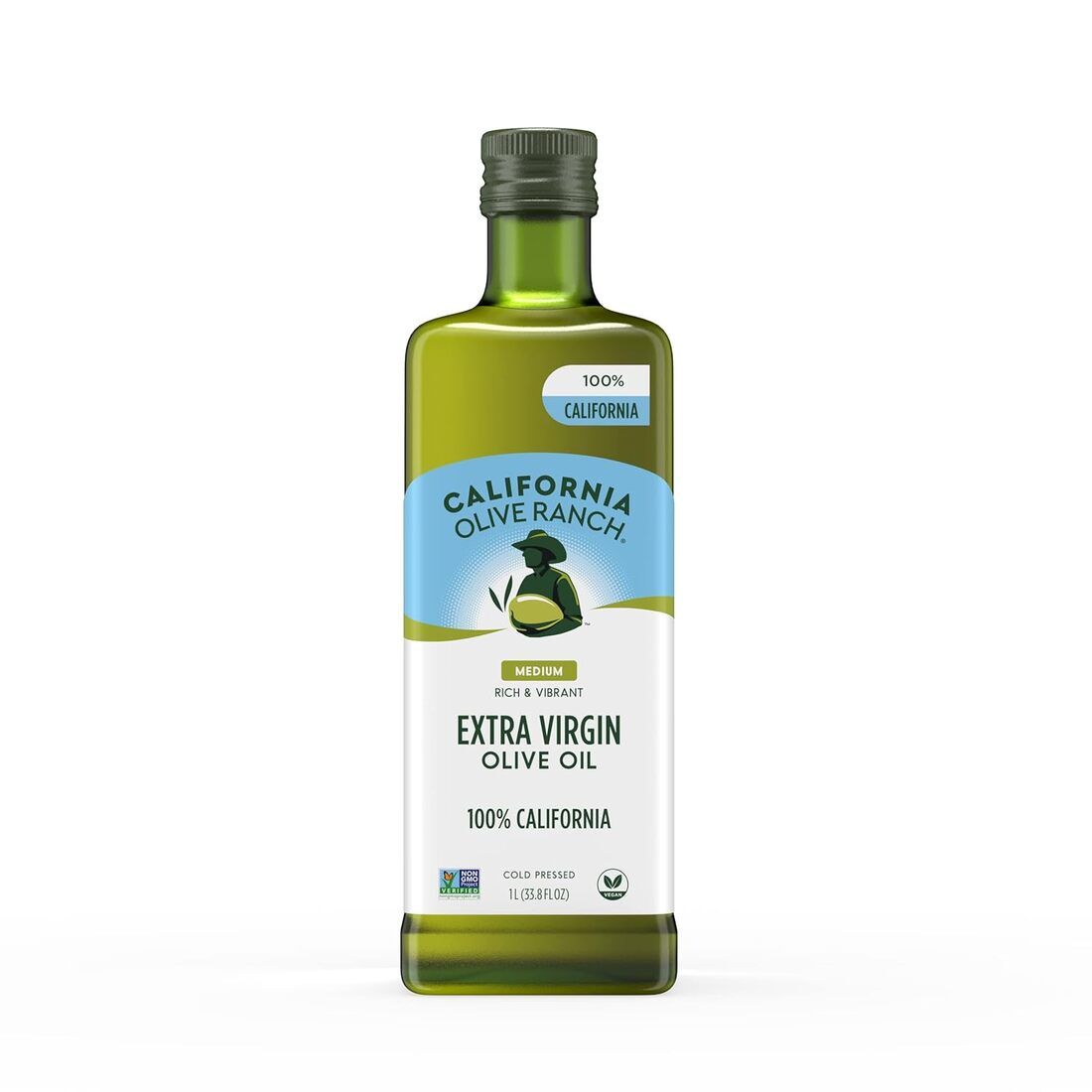
1. Best Overall: California Olive Ranch Extra Virgin Olive Oil
 |
|
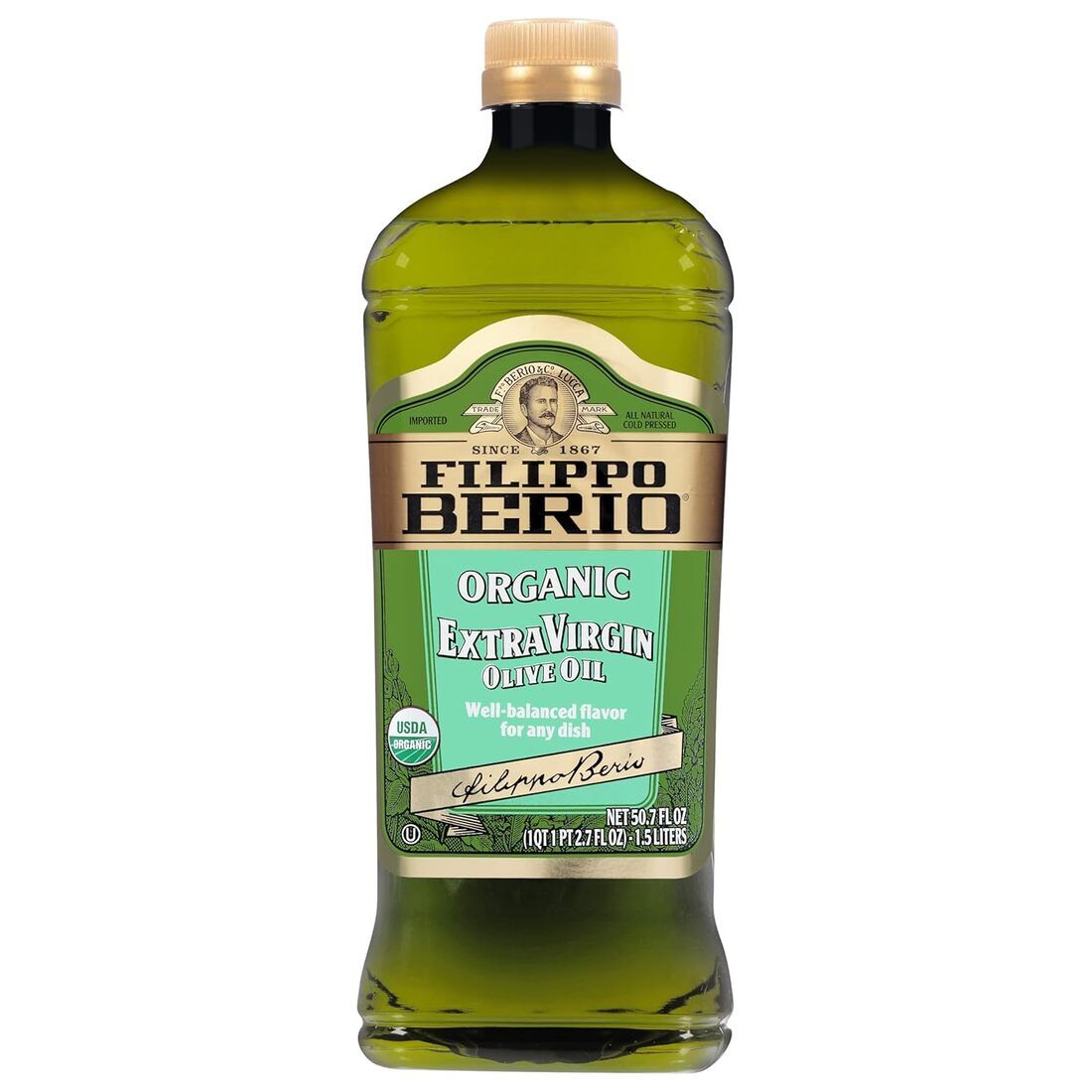
2. Best for Cooking: Filippo Berio Extra Virgin Olive Oil
 |
|
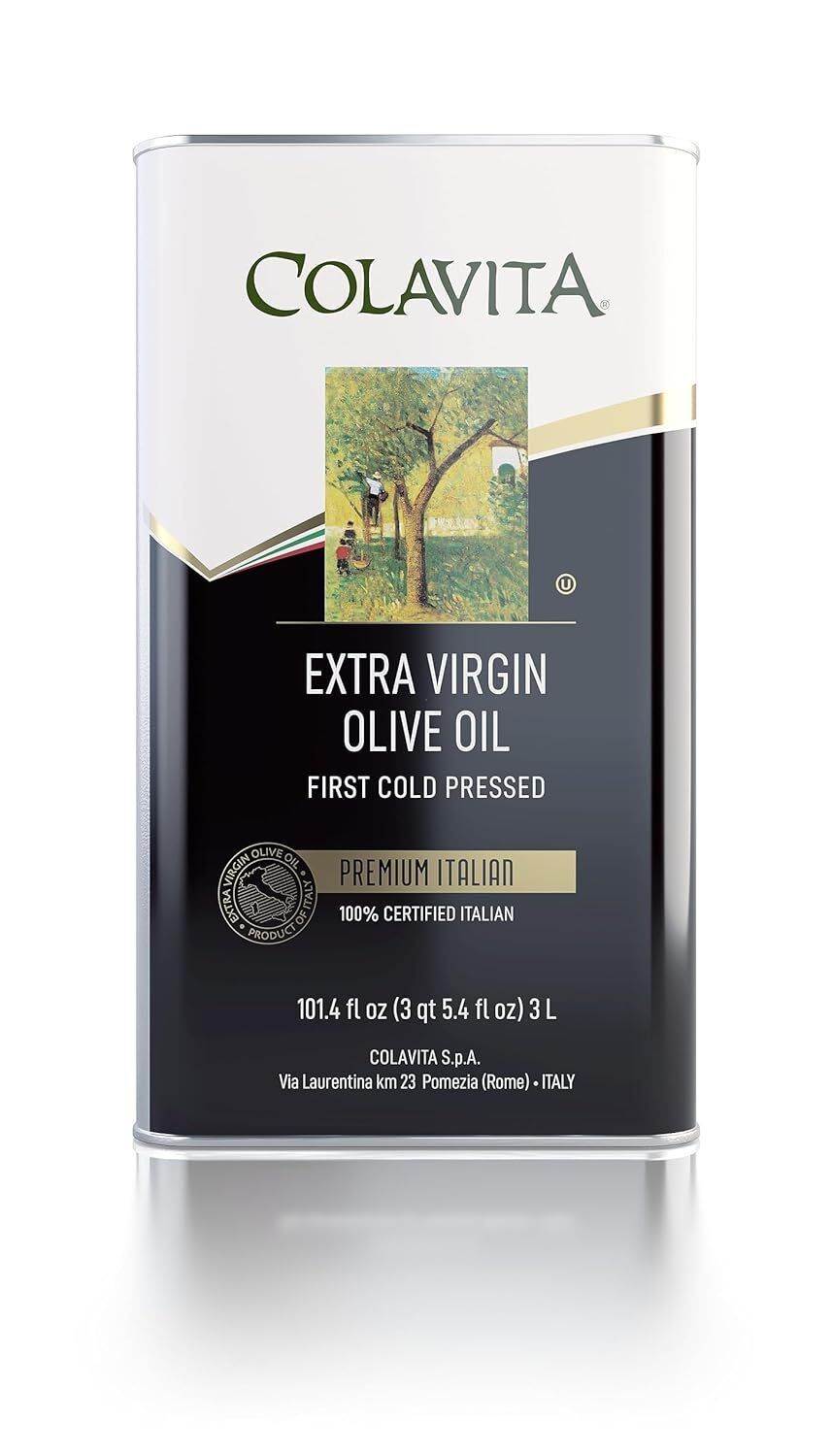
3. Best for Salads and Dressings: Colavita Extra Virgin Olive Oil
 |
|
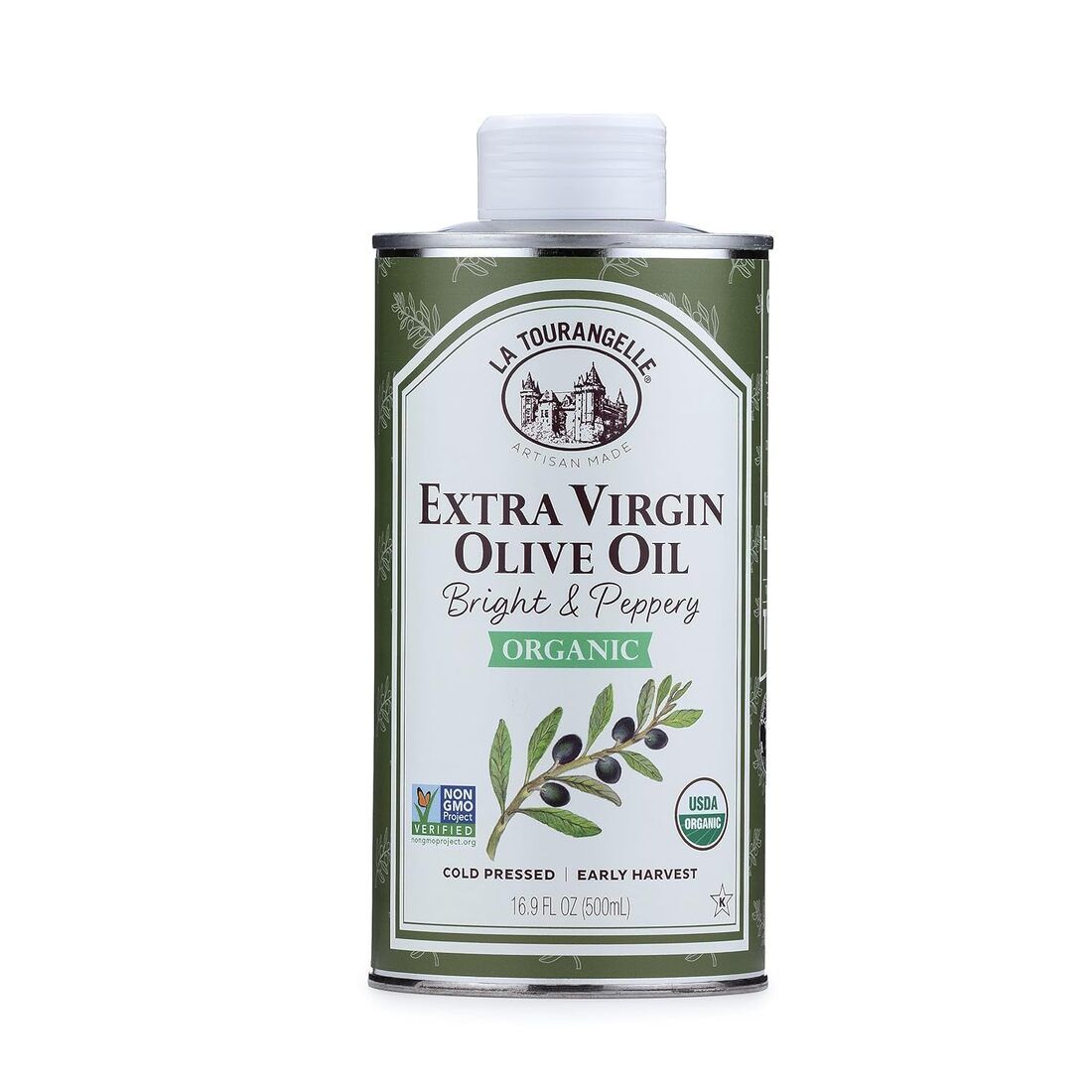
4. Best Organic Option: La Tourangelle Organic Extra Virgin Olive Oil
 |
|
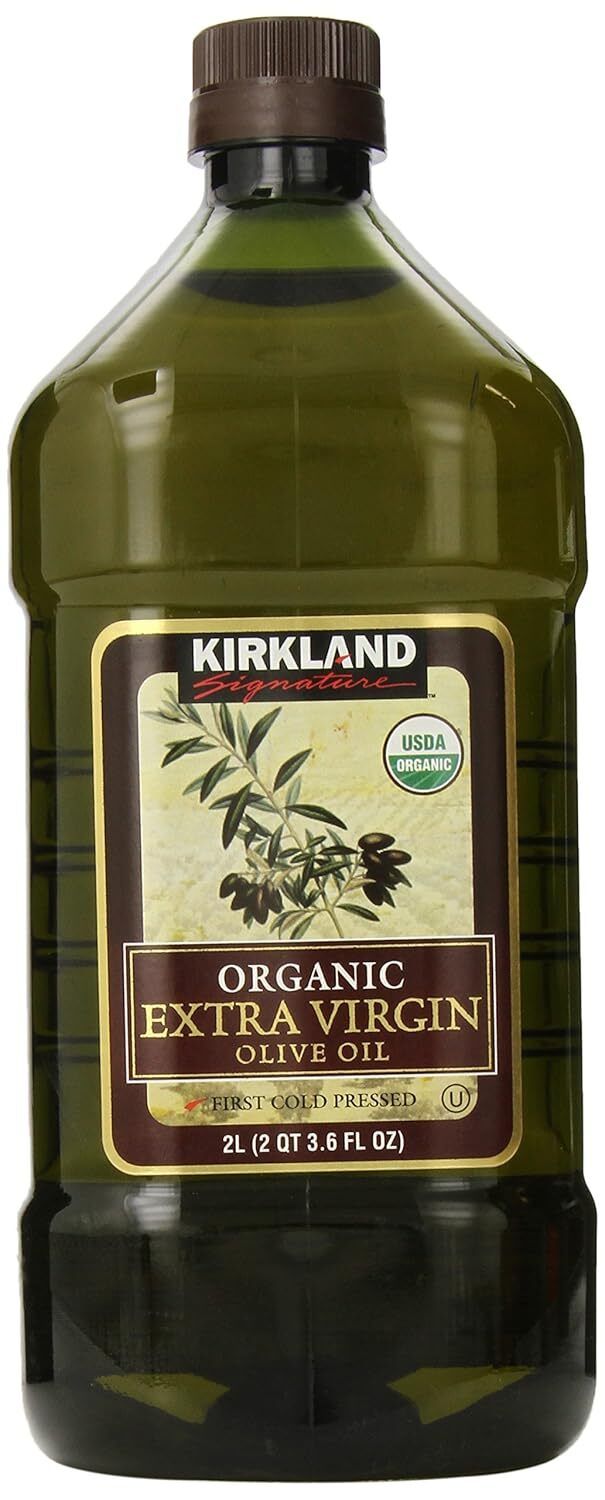
5. Best Value: Kirkland Signature Organic Extra Virgin Olive Oil
 |
|
Additional Tips for Using Olive Oil
- Store Properly: Keep olive oil in a dark, cool place to prevent oxidation and preserve its flavor.
- Use Within a Year: Olive oil is best used within a year of harvest to ensure maximum freshness and flavor.
- Taste Before You Buy: When possible, taste different olive oils to find the one that best suits your palate and cooking style.
- Drizzle for Flavor: Use as a finishing oil to add depth and richness to dishes like soups, salads, and grilled vegetables.
Conclusion
Choosing the best olive oil can enhance your cooking and contribute to a healthier diet. Look for high-quality extra virgin olive oils that offer a balance of flavor, freshness, and purity. Remember to store it properly and use it within its optimal period to enjoy all its benefits.
FAQs: Olive Oil
Is extra virgin olive oil suitable for cooking?
Yes, extra virgin olive oil is suitable for medium-heat cooking and adds a rich flavor to dishes.
How can I tell if olive oil is fresh?
Look for a recent harvest date on the bottle and store it properly to maintain freshness.
Can olive oil help with heart health?
Yes, olive oil is rich in monounsaturated fats and antioxidants that support cardiovascular health.
What is the difference between regular and extra virgin olive oil?
Extra virgin olive oil is made from pure, cold-pressed olives and has the highest quality and flavor, while regular olive oil is often a blend of cold-pressed and processed oils.




Share Your Opinion, Please