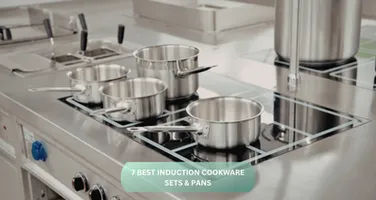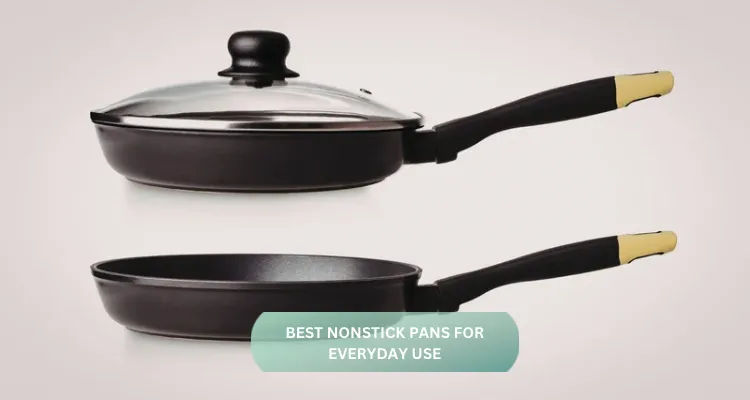
PTFE for the slickest release. Ceramic for PFAS-free shoppers. These are the pans that make fried eggs slide, pancakes brown evenly, and weekday cooking feel easier.
Quick Picks
|
What Makes a Nonstick Pan Actually Worth Buying?
Fast, even heating
Most of the best nonstick pans still use aluminum or hard-anodized aluminum because it heats quickly and reduces hot spots, which matters most for eggs, crepes, and pancakes.
A coating matched to the job
PTFE pans are usually the easiest to release from and the longest-lasting when used on low to medium heat. Ceramic pans can be very slick, too, but many lose that slickness sooner; the tradeoff is that ceramic-coated pans are commonly marketed as PFAS-free.
A pan shape that helps delicate foods
For eggs and pancakes, you want a flat cooking surface, gently sloped sides, and a handle that feels balanced when you shake or flip. Brands like All-Clad, Tramontina, and OXO explicitly design their fry pans around that use case.
Useful oven and stovetop compatibility
If you finish frittatas or reheat in the oven, oven-safe limits matter. Ceramic pans often advertise higher oven limits, while PTFE lines vary widely. Induction compatibility also depends on the base, not just the coating.
No nonsense about safety
Modern PTFE cookware is different from older PFOA-era messaging. In the U.S., PFOA has been phased out of domestic manufacturing and imports, but PTFE cookware should still not be overheated. A practical ceiling for home cooks is about 500°F / 260°C.
Best Nonstick Pans (in detail)
1. Best Overall PTFE Nonstick Pan: Tramontina PRO Series Nonstick Fry Pan
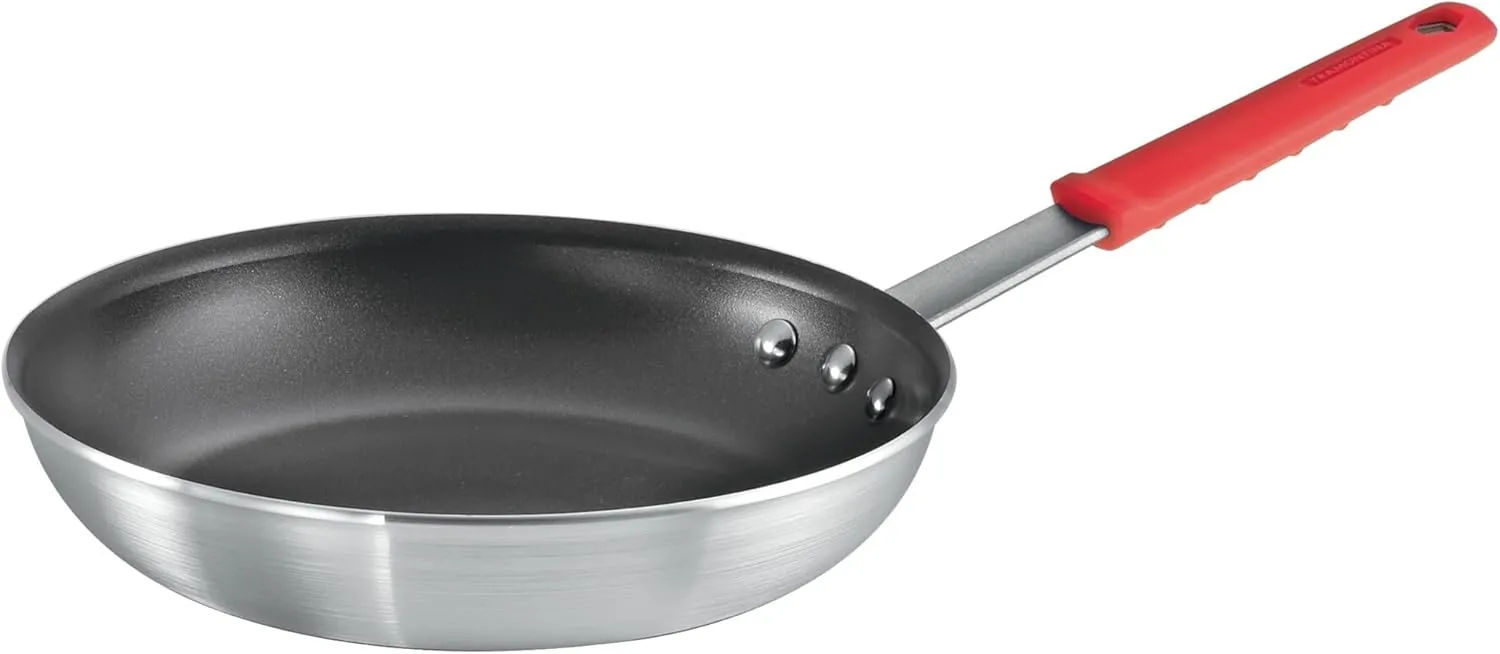 |
Why it stands out: Best for: Why buy it: |
2. Best Upgrade PTFE Pan: All-Clad HA1 Expert Hard Anodized Nonstick Fry Pan
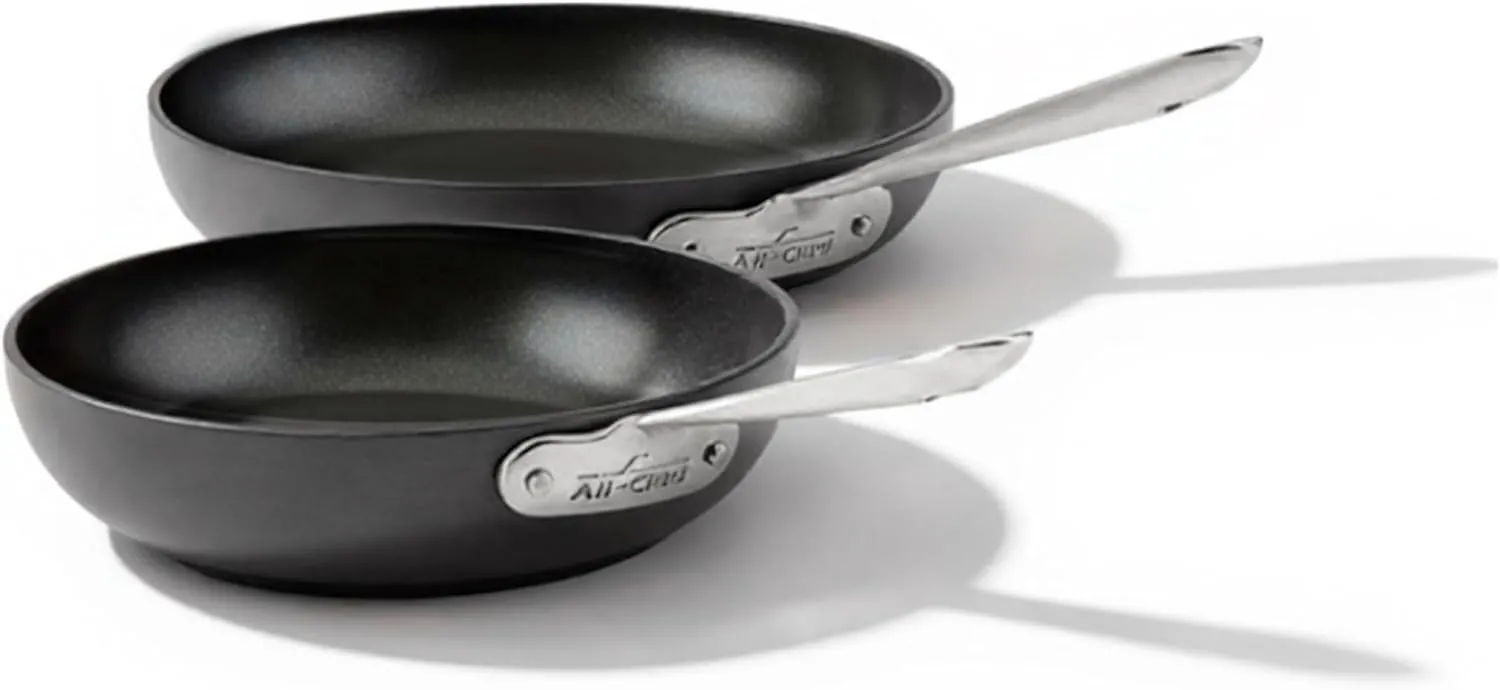 |
Why it stands out: Best for: Why buy it: |
3. Best Durable Everyday PTFE Pan: Calphalon Premier Hard-Anodized Nonstick 10-Inch Frying Pan
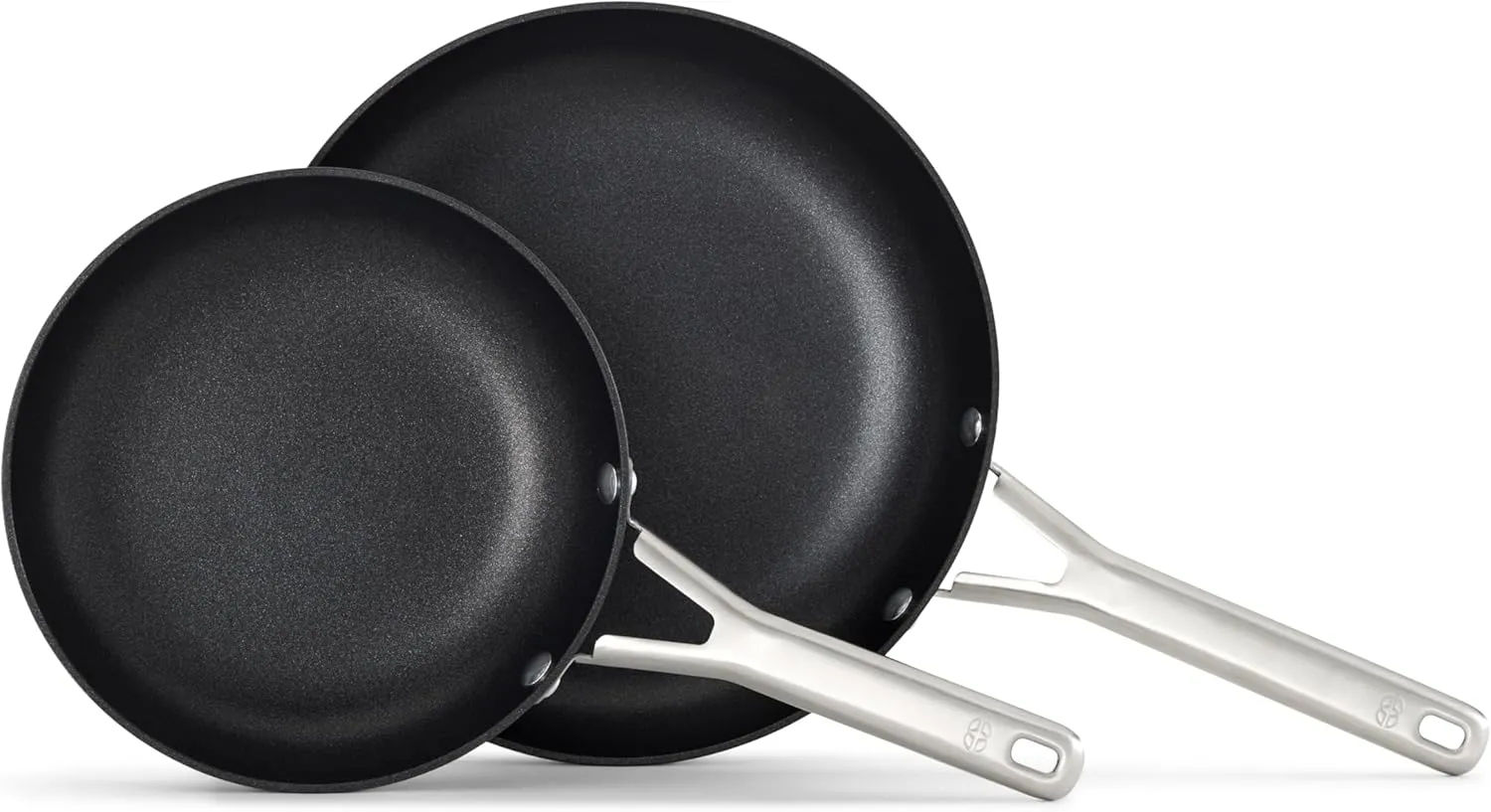 |
Why it stands out: Best for: Why buy it: |
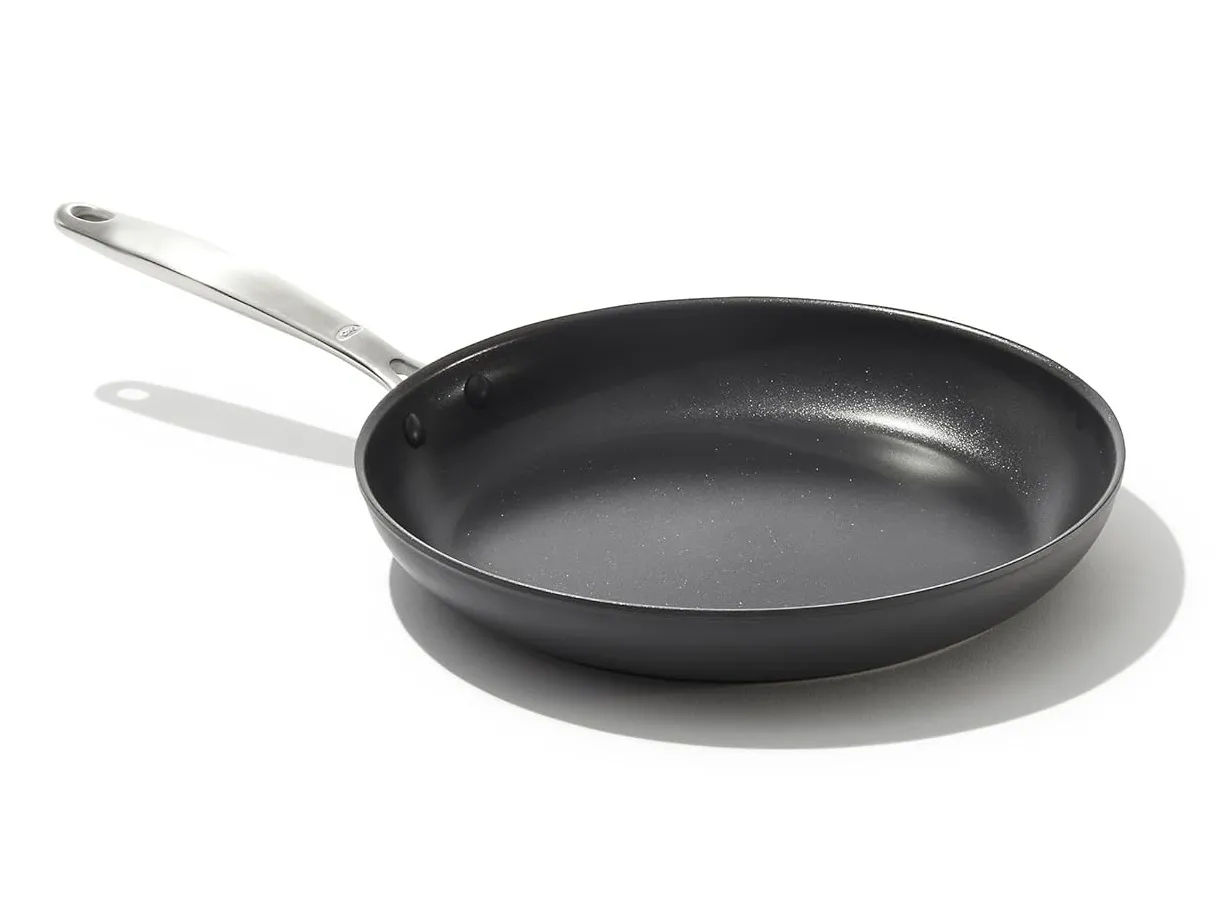
4. Best Overall Ceramic Nonstick Pan: OXO Ceramic Professional Non-Stick 10-Inch Frypan
|
Why it stands out: Best for: Why buy it: |
5. Best Premium Ceramic Pan: GreenPan Valencia Pro Ceramic Nonstick Frypan
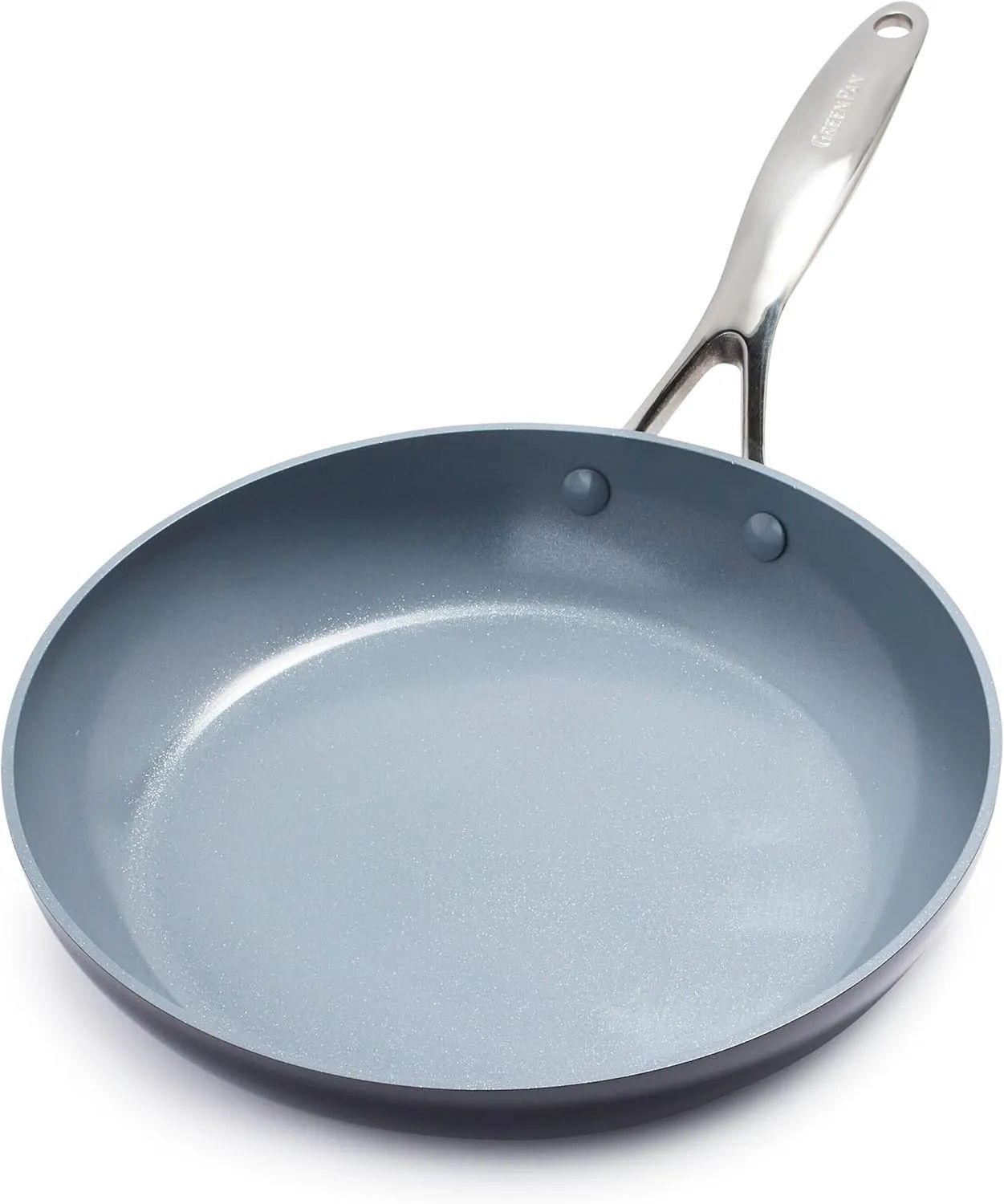 |
Why it stands out: Best for: Why buy it: |
6. Best Design-Forward Ceramic Pan: Caraway 10.5-Inch Fry Pan
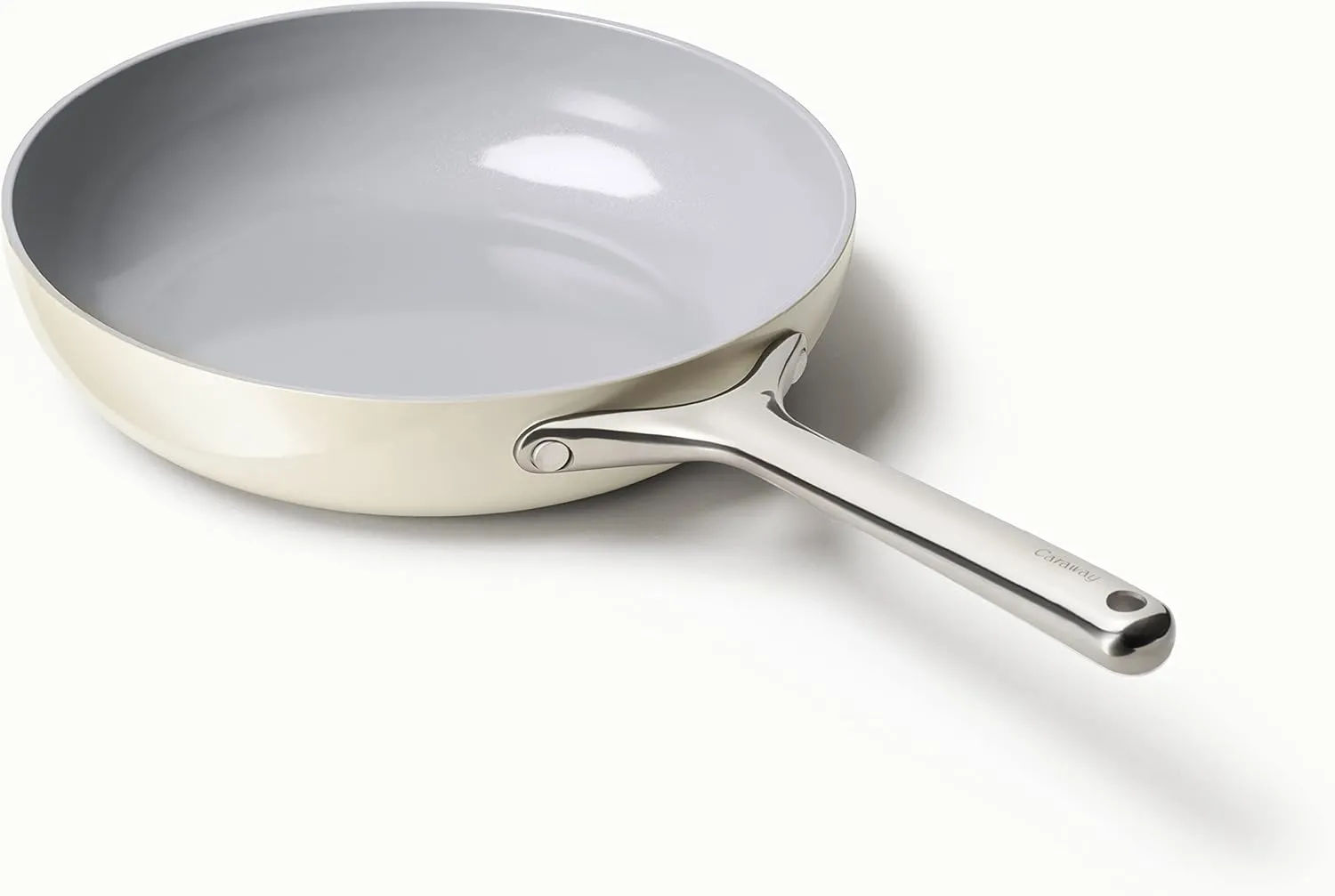 |
Why it stands out: Best for: Why buy it: |
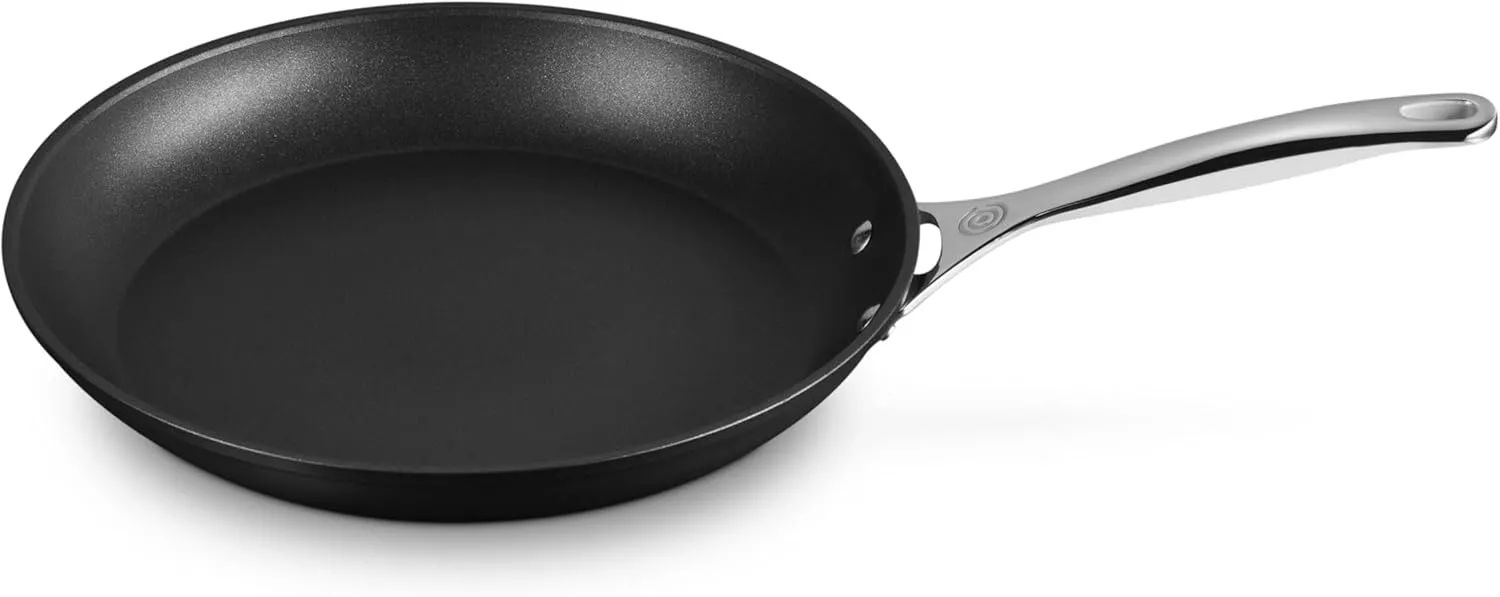
7. Best Premium PTFE Pan: Le Creuset Toughened Non-stick PRO Fry Pan
 |
Why it stands out: Best for: Why buy it: |
PTFE vs Ceramic: Which Nonstick Pan Is Better?
Choose PTFE if:
You want the easiest egg release, better value, and usually longer-lasting slickness at low to medium heat. That is still the strongest argument for classic nonstick.
Choose ceramic if:
You want to avoid PTFE/PFAS coatings and you like the idea of a higher-heat, oven-friendlier pan. Just expect ceramic performance to be more front-loaded: great when new, often less slick with time.
Best Sizes for Real Cooking
8-inch pan
Best for 1 to 2 eggs, a single grilled cheese, or reheating leftovers. GreenPan and OXO both offer strong ceramic options here, and Le Creuset offers 8.8-inch entry-level sizes in its PRO line.
10-inch pan
The sweet spot for most homes. Big enough for 2 to 3 eggs, pancakes, quesadillas, and weeknight vegetables without feeling bulky. Nearly every top-line center's best-selling fry pan is around 10 inches.
12-inch pan
Best for families, larger pancake batches, or cooking protein plus veg in one pan. OXO, All-Clad, and GreenPan all make 12-inch formats with more usable surface area.
How to Make Any Nonstick Pan Last Longer
Use low to medium heat for almost everything. PTFE should not be overheated, and empty-pan preheating is the fastest way to shorten the life of both PTFE and ceramic coatings. A good working temperature for PTFE cookware is about 500°F / 260 °C.
Use wood, silicone, or soft nylon utensils when possible, even if a brand says metal utensils are allowed. “Metal-safe” does not mean “wear-proof.”
Hand-wash when you can. Some pans are dishwasher-safe, but gentler cleaning still helps preserve the release longer. OXO itself notes that dishwashers are too abrasive for most nonstick cookware, with only specific exceptions in its range.
Replace the pan when the coating is scratched, flaking, or no longer releases food well. Nonstick pans are high-performance tools, not heirlooms.
Bottom lineFor pure egg-and-pancake performance, PTFE still wins. The best buy for most people is the Tramontina PRO Series, while All-Clad HA1 is the stronger upgrade pick. If you want ceramic, the safest current recommendations are OXO Ceramic Professional for value and GreenPan Valencia Pro for a more premium, induction-friendly option. Ceramic is the better fit for PFAS-avoidant shoppers; PTFE is still the better fit for shoppers who want maximum slickness, lower cost, and the easiest daily release. |
Sources
- Official product pages from Tramontina, All-Clad, Calphalon, OXO, GreenPan, Caraway, and Le Creuset.
- Independent cookware testing and reviews from Serious Eats and Food & Wine.
- Safety background from the U.S. Environmental Protection Agency on PFOA phaseout and nonstick-related context.
Disclaimer
We aim to keep this guide accurate and up to date, but product availability, pricing, specifications, coating details, and warranty terms may change over time. This article is for general informational and editorial purposes only. Before purchasing, review the latest product information, care instructions, and safety guidance on the manufacturer’s official website.