If you primarily sleep on your side—or you're looking to make side sleeping more comfortable—you've likely discovered how important it is for your mattress to cushion your shoulders and hips. More than half of all adults prefer side sleeping (some surveys say about 54%), and this position can help reduce snoring, ease digestion, and support healthier spinal alignment.
However, side sleepers also tend to experience pressure buildup in the shoulders, hips, and lower back if the mattress isn't adequately supportive or contouring.
In this comprehensive guide, we'll walk you through everything you need to know about choosing the best mattress for side sleeping—from understanding why side sleeping can be so beneficial to exploring which mattress materials work best to comparing top-rated models on the market today. Let's jump in.
Why Is It Important to Choose the Right Mattress for Side Sleepers?
A mattress that doesn't address pressure points can leave side sleepers with morning soreness, neck stiffness, and even lower back or hip pain. Conversely, a mattress that correctly balances contouring and support can help keep your spine aligned, reduce discomfort, and make nights more restful.
Since side sleeping naturally places more weight on narrower body zones (the shoulders and hips), the mattress you choose must effectively cushion these areas.
Side Sleeping vs. Other Sleep Positions
Let's do a quick comparison between side sleeping and other sleeping positions, i.e., back and stomach sleeping.
Side vs. Back Sleepers
Back sleepers distribute their weight more evenly and typically require a slightly firmer mattress for optimal lumbar support. By contrast, side sleepers require more pressure relief around the shoulders and hips to prevent uneven sinking.
Side vs. Stomach Sleepers
Sleeping on the stomach often requires a firmer surface to prevent the pelvis from sinking too far, which can strain the back. Side sleepers need the right cushioning to keep their spines relatively straight while hugging their shoulders and hips.
One of the biggest pros of side sleeping is the reduced risk of snoring, as lying on your side helps keep your airway open. Yet, if your mattress isn't supportive in the right areas, the benefits can be overshadowed by discomfort.
Our Top Mattress Picks for Side Sleepers in 2026
(Note: The following picks highlight various use cases and preferences. Always compare specs, warranties, and return policies to find your perfect match.)
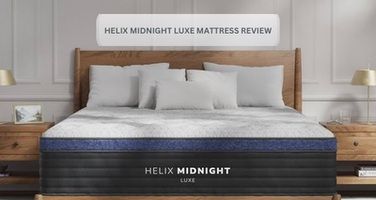
1. Best Overall - Helix Midnight
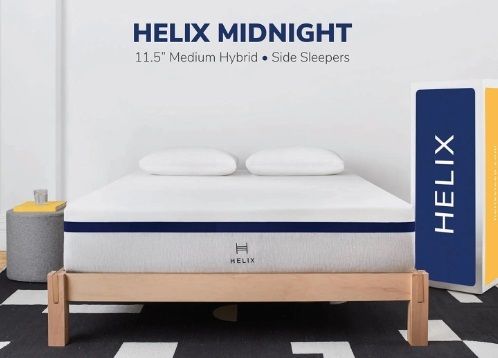 | Known for a balanced medium-firm feel that accommodates a broad range of side sleepers. The memory foam layer contours the shoulders while robust coils keep your lower back from sagging. Best for side sleepers from about 130–230 lbs, plus couples who need motion isolation and enjoy a bit of bounce" |
| Firmness: Medium-feel | Material: Memory Foam | Trial: 100 nights | Price: $999-$1,322 | Warranty: 10 years |
Check out the full review on the Helix Midnight Lux Mattress »
2. Most Comfortable / Best Luxury - Saatva Classic Luxury Firm
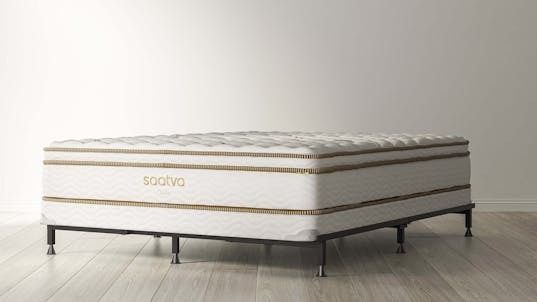 | Combines a plush Euro-top with coil-on-coil support, giving side sleepers good pressure relief without feeling "stuck." Exceptional craftsmanship and a supportive perimeter. Best for side sleepers who want hotel-style luxury, breathability, and advanced lumbar support. |
| Firmness: Soft, medium-firm, firm | Material: Innerspring | Trial: 365 nights | Price: $1,799 | Warranty: Lifetime |
3. Best Value: DreamCloud Original Hybrid
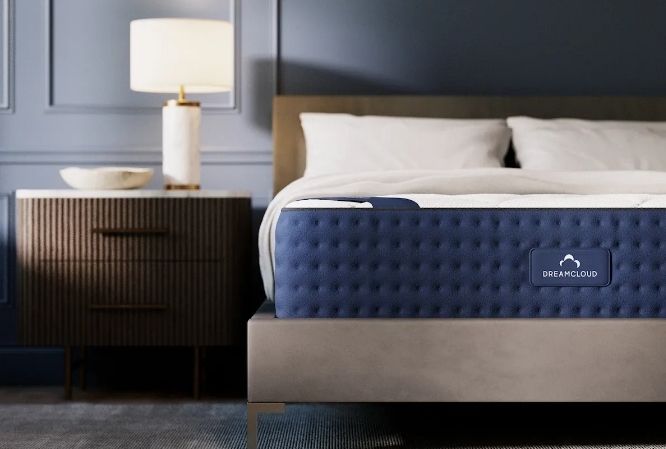 | Its thick memory foam comfort layer over pocketed coils provides contouring at an affordable price point. It often comes with long trial periods and strong warranties. Best for side sleepers on a moderate budget who still want a cushiony memory-foam "hug" with supportive coils. |
| Firmness: Medium-firm | Material: Hybrid | Trial: 365 nights | Price: $665 | Warranty: Lifetime |
4. Best for Pressure Relief: Nolah Evolution 15
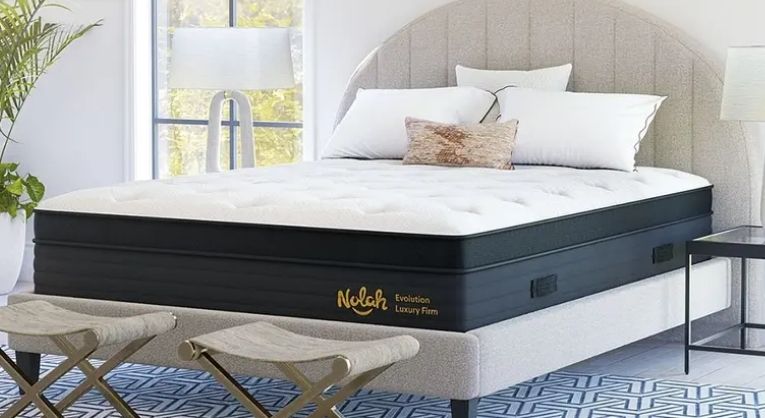 | It features advanced foam technology that cradles sensitive joints while maintaining a sturdy coil system. This is a good option if you frequently experience hip or shoulder discomfort. Best for side sleepers who suffer from chronic pain and need deeper cushioning for pain relief without overheating. |
| Firmness: Medium, Medium-Firm, Firm | Material: Hybrid | Trial: 120 nights | Price: $1,624 | Warranty: Lifetime |
5. Best Cooling Mattress: Birch (Latex Hybrid)
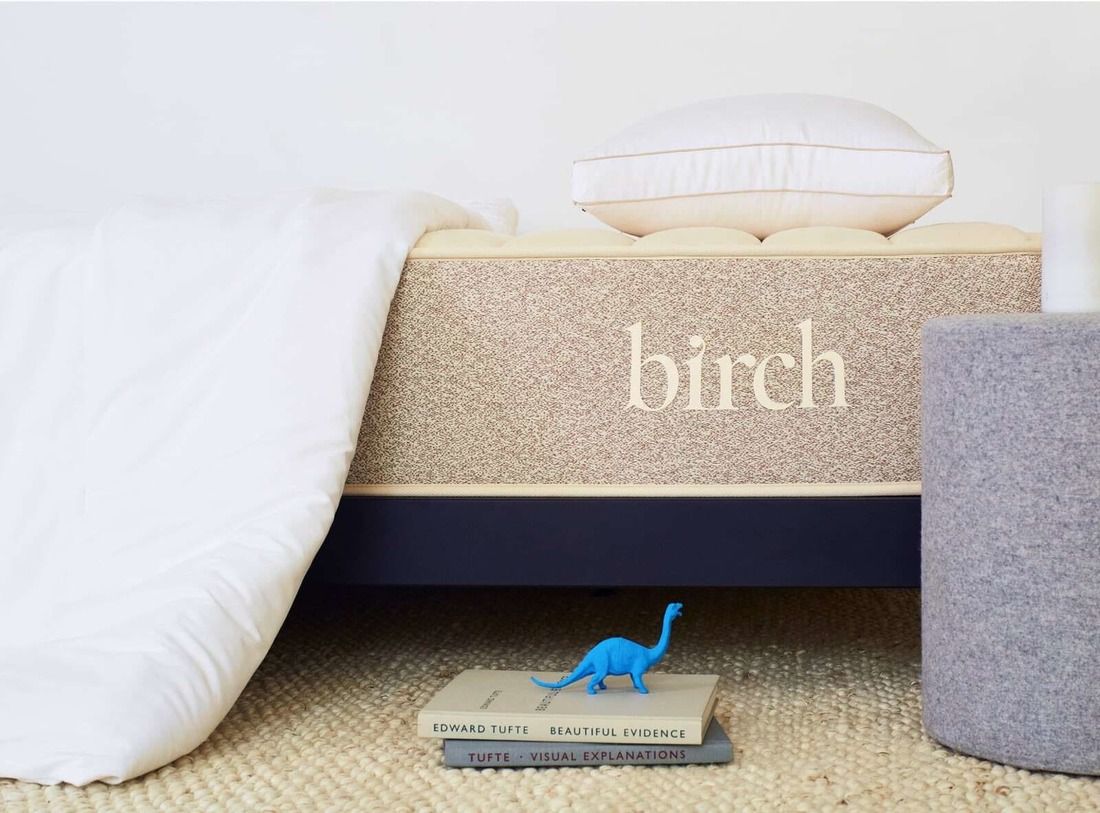 | Its organic wool and natural latex layers, complemented by individually wrapped coils, excel at temperature regulation. Its medium-firm feel suits most side sleepers above 130 lbs. Best for e-conscious buyers or hot-side sleepers who love a slightly firmer, highly responsive mattress. |
| Firmness: Medium-Feel | Material: Latex Hybrid | Trial: 100 nights | Price: $1,405 | Warranty: 25 years |
6. Best for Couples (Motion Isolation): Leesa Sapira Hybrid
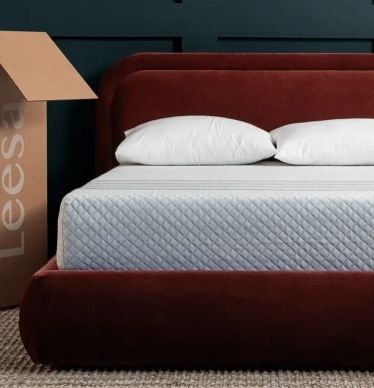 | Thick foam on top effectively dampens motion, while the pocketed coils lend responsiveness and edge support. A good, balanced firmness for many side sleepers. Best for couples who switch positions frequently and need minimal disturbance from movement. |
| Firmness: Medium-Firm | Material: Hybrid | Trial: 100 nights | Price: $1,599 | Warranty: 10 years |
7. Best for Back or Hip Pain: Bear Elite Hybrid
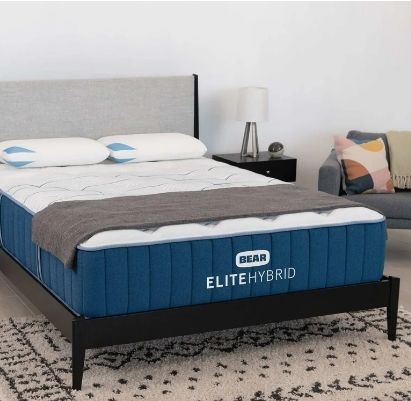 | Zoned coil regions and cooling foam infusions help align the spine while relieving pressure in the lower back and hips. Best for side sleepers who need extra lower-lumbar support or those with sports-related back pain. |
| Firmness: Medium, Medium-Firm, Firm | Material: Innerspring | Trial: 120 nights | Price: $1,614 | Warranty: Lifetime |
8. Best Organic/Natural Option: Avocado Green Mattress
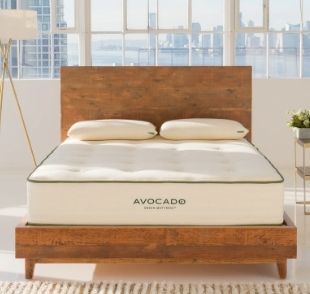 | It is made with certified organic latex, wool, and cotton; the optional pillow top adds extra plushness for side sleepers who need more cushioning. Best for side sleepers seeking eco-friendly, sustainable materials without sacrificing durability or support. |
| Firmness: Medium, Plush-Feel | Material: Organic Latex, wool | Trial: 365 nights | Price: $1,249 | Warranty: 25 years |
| 💡Pro Tip: Always check the trial period. Most online brands offer 90–120 nights, so you can test comfort and pressure relief in your home before committing. |
Why Sleeping on Your Side Can Be Beneficial or Challenging?
Sleeping on your side can be a blessing or a curse. Let's have a quick look at the benefits of side sleeping and the potential pitfalls:
Potential Health Benefits of Side Sleeping
Better Breathing and Reduced Snoring:
When you sleep on your side, gravity doesn't press your tongue and soft tissues against the back of your throat much, which can minimize snoring and help keep airways clearer.
Improved Digestion:
When lying on the left side, evidence suggests that this position can help your digestive system function more efficiently by improving gastric motility.
Back Pain Relief:
Side sleeping often aligns the spine, reducing load on the lumbar region when the mattress is firm enough to support the torso and shoulders.
Common Pitfalls and Pain Points of Side Sleeping
Shoulder Pain
If a mattress is too firm or too thin in its comfort layer, you'll feel intense pressure on your upper shoulder area.
Hip Pain
The hips are wider than the waist, so they need more contouring. A mattress that's too firm can lead to soreness and stiffness.
Spine Misalignment:
If your spine bows or curves unnaturally (often because of insufficient support), you may develop back or neck pain over time.
If you consistently wake up with severe pain or numbness in the arms, legs, or neck, and small mattress tweaks or pillow swaps don't help, talk to a medical professional. Chronic conditions, joint disorders, or bulging discs can exacerbate side-sleeping discomfort beyond what a simple mattress change can fix.
Key Mattress Features for Side Sleepers
When buying a mattress for side sleepers, you should pay attention to a few key features that provide the cushioning and support your shoulders and hips need. Here are the key features to look for:
Balanced Firmness and Support
Side sleepers need a comfort layer that is neither too plush nor too firm. "Balanced" typically means a mattress in the soft to medium-firm range, depending on your body weight. Too-soft mattresses may allow the shoulders and hips to sink too deeply, especially for average, heavier bodies, leading to a crooked spine. Too-firm models, on the other hand, may create pressure points that cause soreness for lighter-weight individuals.
A literature review (2021) conducted on the types of mattresses and back pain concluded that medium-firm mattresses are best for people looking to reduce body pain while sleeping.
Pressure Relief and Contouring
Good pressure relief is often described as a "hugging" or "cradling" sensation around the hips and shoulders. Memory foam and latex are known for their ability to conform to the body. Hybrid mattresses can also relieve pressure if they include thick foam layers on top of the coil support system.
Spinal Alignment and Lumbar Support
For side sleepers, a mattress must provide enough cushioning for the shoulders and enough pushback for the lower back to keep the spine in a neutral alignment. Zoned support layers—often seen in hybrid mattresses—are particularly helpful. They typically have firmer coil clusters in the middle of the mattress and softer foam near the shoulders, promoting proper weight distribution.
Motion Isolation
Motion isolation matters if you share your bed with a partner, dog, or cat. Memory foam (and some latex hybrids) are excellent for absorbing motion, so you don't feel every toss and turn.
Edge Support
Mattresses with reinforced edges or heavier-gauge coils around the perimeter can give you more usable space. Many side sleepers alternate between curling up near the edge and stretching out, so good edge support prevents that insecure feeling or rolling sensation.
Temperature Regulation
Side sleepers who prefer softer surfaces sometimes notice more heat buildup because plush foams can trap body heat. Mattresses with open-cell foams, natural latex, or breathable coil layers help disperse this heat. Infusions of gel, copper, or graphite in foam layers can further limit heat retention.
Durability and Sag Resistance
Repeated compression from body weight concentrated at the shoulders and hips can cause indentations if a mattress isn't well-made. Higher-density foams, durable latex, and robust coil systems usually fare better against sagging over the long haul.
How to Choose the Right Mattress Firmness Based on Body Weight?
Body weight is crucial when choosing the right mattress for side sleepers. The firmness of the mattress will prevent sinking too deeply and/or soreness.
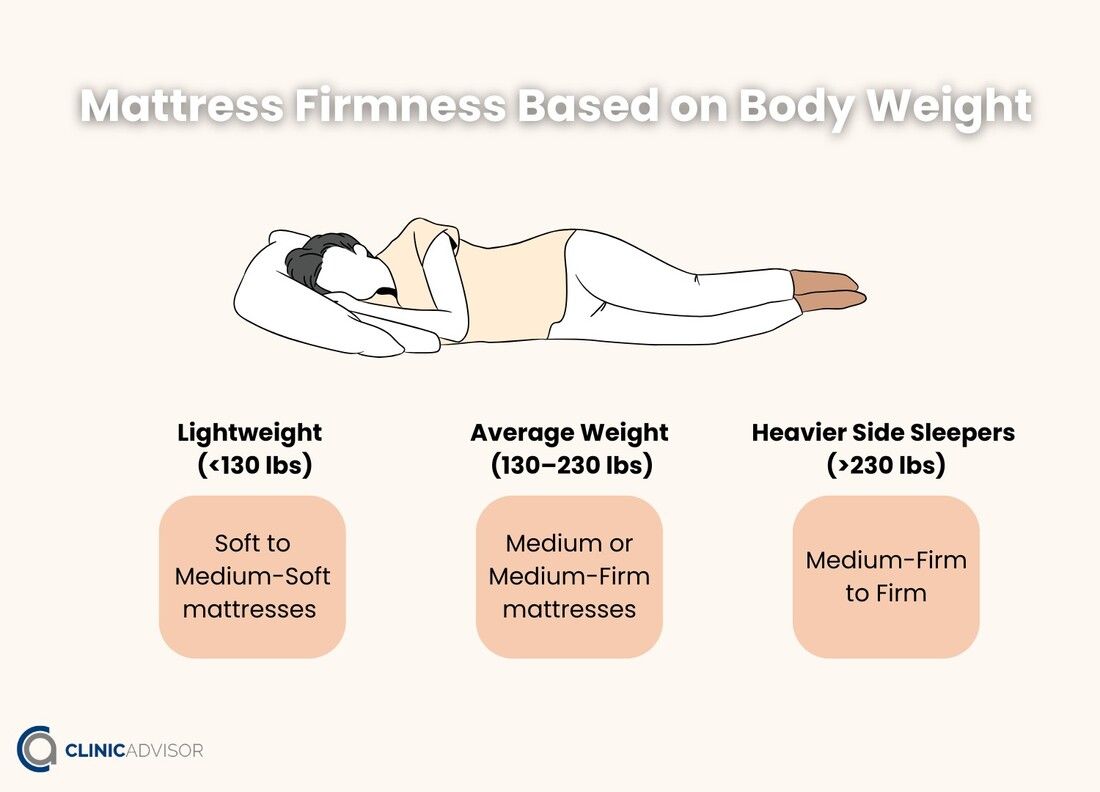
Lightweight Side Sleepers (<130 lbs)
People who weigh less than <130 lbs need a mattress soft enough to cushion pressure points without letting you "float" on top. A too-firm bed can feel inflexible, leading to sharp pressure on shoulders and hips.
| Key Takeaway: Look for soft to medium-soft mattresses (3–4 on a 10-point firmness scale) or mattresses explicitly designed for lighter-weight bodies. |
Average Weight Side Sleepers (130–230 lbs)
Many mattresses work well for average-weight side sleepers (130–230 lbs), but most are medium or medium-firm (5–6 on the firmness scale). This ensures pressure relief and enough support so that your hips won't sink too far.
| Key Takeaway: Hybrid or memory foam models in the 5–6 firmness zone often strike the best balance between contouring and alignment. |
Heavier Side Sleepers (>230 lbs)
Individuals who weigh more than 230 lbs will experience deeper sinkage on softer beds, which can create misalignment. If you're on the higher side of the scale, a medium-firm to firm (6–8 on the firmness scale) mattress with thick comfort layers can help. This ensures enough contour without bottoming out.
| Key Takeaway: Seek mattresses specifically engineered for plus-size sleepers. These mattresses often feature sturdier coils, denser foams, and better edge support. |
Mattress Types: Pros and Cons for Side Sleepers
Mattresses are made of different materials: memory foam, latex, hybrid, innerspring, and airbed. Here are the pros and cons of each type:
Memory Foam Mattresses
- Pros: Provides excellent contouring, motion isolation, and pressure relief for the hips and shoulders.
- Cons: Some memory foam mattresses retain heat, leading to warmer sleep; less bounce which can feel "trapped" in foam.
Latex Mattresses
- Pros: Natural responsiveness, good cooling, and moderate contouring. Durable and eco-friendly if naturally sourced.
- Cons: Latex can feel firmer than memory foam; premium, organic latex models can be pricey.
Hybrid Mattresses
- Pros: Include a supportive coil core and foam or latex top layers for extra comfort and contouring. It usually has good airflow and robust edge support.
- Cons: It can be heavier and more expensive; motion transfer is still possible if coils aren't pocketed or foam layers are too thin.
Innerspring Mattresses
- Pros: Generally inexpensive, very breathable, and widely available.
- Cons: Often provides minimal comfort layers for side sleepers, leading to insufficient pressure relief.
Airbed and Adjustable Mattresses
- Pros: Highly customizable firmness, can quickly adjust for different needs; excellent for couples with differing preferences.
- Cons: Higher cost, mechanical complexity, and sometimes less motion isolation if the design is subpar.
What Is the Best Mattress for Side Sleepers with Shoulder and Hip Pain?
The best mattress for side sleepers with shoulder and hip pain is one known for pressure relief. Look for a hybrid or memory foam model with a plush yet supportive comfort system—often medium or medium-firm—that cradles these areas while maintaining healthy spinal alignment. Zoned support layers can also help if you have uneven weight distribution in these areas.
Which Mattress Is Best for Side Sleepers with Back Pain?
Side sleepers with back pain generally benefit from mattresses that promote gentle contouring around the lower back, preventing excessive sinkage while still cushioning the shoulders and hips. Memory foam or latex hybrids with a balanced medium-firm feel often do the trick. Ensure the bed has robust edge support and targeted lumbar reinforcement to align your spine neutrally.
What Is the Best Mattress for Side Sleepers with Shoulder Pain?
Shoulder pain is often aggravated by pressure buildup, so a mattress with enough plushness at the top—such as a thick layer of adaptive foam—can alleviate tension in that area. You'll want a bed that doesn't force your shoulder too far into the support core, which can feel harsh. Instead, look for models that cradle the joint and distribute your weight evenly across the sleeping surface.
Which Mattress Is Ideal for Side Sleepers with Hip Pain?
For hip pain, a slightly softer surface around the hips can help relieve intense pressure, but ensure the mattress has enough support to keep the spine aligned. Hybrid designs with zoned coils—firmer near the midsection, softer under the shoulders—are often a good match. This combination keeps the hips from sinking too deeply, which can aggravate lower back discomfort.
Accessories and Bedding for Side Sleepers
Pillows
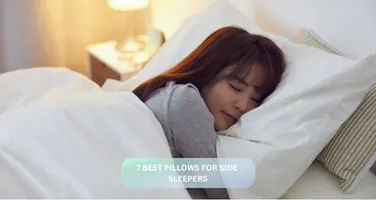
- Loft and Support: Side sleepers generally need a higher-loft pillow (about 4–6 inches) to align their necks with their spines and close the gap between the neck and shoulder.
- Material Choices: Memory foam, shredded latex, or adjustable fill pillows can help you fine-tune the loft.
Mattress Toppers
- If you love the support of your current mattress but find it slightly too firm, a 2–3-inch topper can add welcome plushness.
- Common materials include memory foam, latex, featherbeds, or down alternatives for those with allergies.
Adjustable Bed Bases
- A slight elevation of the feet may relieve pressure on the knees and hips.
- Ensure your chosen mattress is compatible with an adjustable base (most foam and hybrid mattresses are).
Tips for Mattress Shopping for Side Sleepers
- If you shop online, you can find a broader selection, sleep trials, and often lower pricing due to direct-to-consumer models.
- Buying in-store allows you to immediately test the mattress's feel, but there is less time to assess comfort (and sometimes higher price tags), indeed.
- Look for sleep trials, at least 90 nights (many offer 100–365 nights). Side sleepers need time for their shoulders and hips to adapt.
- Watch out for warranties and "sagging depth" requirements that might make it harder to file a claim if your mattress develops premature indentations.
- Quality hybrid or foam beds often start around $800 for a twin and can go up to $2,000+ for a luxury queen.
- Look at holiday promotions (Black Friday, Memorial Day, President's Day) for deeper discounts.
- Check out reviews and look for repeated mentions of pressure relief (especially around shoulders and hips), durability, and customer service.
- Check multiple sources—not just a brand's website—to reduce the chance of seeing only curated, positive feedback.
Mattresses Care & Maintenance Tips
Proper care and maintenance of your mattress will extend its lifespan. Here are some tips to consider:
Regular Rotation
Regularly rotate your mattress (head to foot) every 3-6 months to help distribute wear. This is especially important for foam and hybrid mattresses as they can significantly develop body impressions if left in the same orientation.
Use Mattress Protectors
Use a mattress pad or protector to shield against spills, sweat, allergens, and dust mites. Choose protectors with breathable fabrics (e.g., cotton, Tencel) to prevent extra heat buildup.
Replace Your Mattress
When you notice signs such as visible dips over 1 inch deep, constant morning pain, and lumps in the comfort layers, it's time to replace your mattress. The average lifespan of a mid-range mattress is 7 years, though latex and higher-end hybrids can last longer.
FAQ's about Mattresses for Side Sleepers
Q: What firmness level is best for side sleepers with back pain?
Most people with back pain do best on a medium-firm mattress. This mattress cushions pressure points but doesn't allow the lower back to sink too deep.
Q: How long does it take to adjust to a new mattress?
It generally takes 2–4 weeks for your body to adapt to a new mattress.
Q: Does pillow height matter for side sleepers?
Absolutely. A pillow that's too flat will tilt your neck downward, while one that's too high can strain your neck and upper spine. Aim for a pillow that fills the gap between your shoulder and your ear without overly elevating your head.
Q: Why do I still feel pressure on my shoulders, even on a soft mattress?
It could be that the support core is too firm, causing your shoulder to push through the top layer and meet resistance. A mattress topper or a model with thicker comfort layers might help.
Q: Are hybrid mattresses better for side sleepers than all foam?
"Better" is subjective. Hybrids often provide stronger edge support, airflow, and bounce, while all-foam beds deliver superior motion isolation and deep contouring. It depends on your needs and preferences.
Q: What type of mattress is best for side sleepers?
A model that offers balanced pressure relief and spinal support typically works best. Most side sleepers lean toward hybrid or memory foam mattresses with a medium-firm feel so the shoulders and hips can sink in just enough to keep the spine aligned.
Q: Should a side sleeper sleep on a soft or hard mattress?
Generally, a medium or medium-soft mattress is best. Too-soft surfaces can lead to excess sinking and back strain, while overly firm beds can create pressure points in the shoulders and hips.
Q: Is foam or spring better for side sleepers?
It depends on personal preference, but many side sleepers enjoy memory foam or foam hybrids for their contouring benefits. Innerspring models can still work if they include thick comfort layers or zoning features to cushion the hips and shoulders.
Q: Do hotels use spring or foam mattresses?
Most higher-end hotels use hybrid or innerspring mattresses with plush pillow tops to balance comfort and durability. However, some chains opt for foam or specialty beds to accommodate a wider range of sleepers.
Q: Why are hotel pillows so comfortable?
Many hotels invest in high-quality, plush pillows filled with down or down-alternative fill to appeal to a wide range of guests. The pillows are often replaced more frequently to ensure a fresh, fluffy feel.
Q: What material is best for side sleepers?
Materials that provide contour—such as memory foam, latex, or specialized foam hybrids—are ideal for side sleepers. They gently cradle pressure points while still offering enough support to prevent misalignment.
Q: What are the disadvantages of a spring mattress?
Traditional spring mattresses often lack adequate cushioning for side sleepers, leading to pressure buildup. If the coil construction or top layers are low-quality, they may also transfer more motion and develop sagging.
Q: What support is best for side sleepers?
Consistent, targeted support that keeps the spine level and relieves pressure at the shoulders and hips. Zoned coil systems, dense foam support cores, or latex layers often excel in providing this balanced feel.
Q: Is a pillow-top mattress good for side sleepers?
Yes, if the pillow top is high quality and paired with solid underlying support. A plush surface can help cushion the shoulders and hips, though overly soft pillow tops sometimes allow too much sinkage in heavier areas.
Q: What is the most comfortable way to sleep on your side?
The most comfortable side-sleeping posture typically involves keeping the spine neutral, using a pillow that fills the gap between the shoulder and neck, and slightly bending the knees. A pillow between the knees also helps reduce lower back strain.
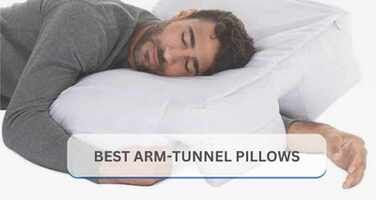
Q: Where do you put your arms when sleeping on your side?
Ideally, rest your arms in front of you at chest level, keeping them slightly bent. Tucking an arm under the pillow or body can pinch nerves and restrict blood flow.
Q: Is memory foam bad for your back?
Not necessarily. Memory foam can be great for back support if it's high-density and paired with a supportive core. Problems arise if the foam is too soft, allowing the midsection to sink and causing misalignment.
Q: Why should the wife sleep on the left side?
This notion stems from cultural traditions and sometimes health beliefs suggesting that sleeping on the left may enhance digestion or blood flow. You should choose whichever side is more comfortable and aligns with medical advice if specific conditions apply.
Q: What is the healthiest sleeping position?
Most sleep experts consider back or side sleeping the healthiest positions, as they maintain natural spine alignment. Among side positions, lying on the left may support better digestion and reduce acid reflux for some individuals.
Q: Which side is better for your heart to sleep on?
Some research suggests that sleeping on your left side may reduce pressure on the heart and improve circulation. However, individual comfort and medical conditions should guide you more than general guidelines.
Q: What is the best position for a woman to sleep?
Any position that maintains proper spinal alignment and accommodates specific health conditions can be beneficial. Side sleeping—particularly on the left—can help improve blood flow during pregnancy, but comfort should always take priority.
Q: In which position should we sleep to reduce belly fat?
There's limited evidence that sleeping in a specific position directly reduces belly fat. However, quality rest is linked to better overall metabolism, so choose a position (like side or back sleeping) that promotes healthy, uninterrupted sleep.
Q: What is the best position to sleep in to clear your lungs?
Sleeping on your side or slightly propped up with pillows can help open airways, potentially aiding those with mild respiratory concerns. People with serious lung issues should consult a healthcare provider for personalized advice.
Q: What are the disadvantages of being a side sleeper?
Side sleepers can develop shoulder or hip soreness if the mattress lacks adequate contour. There's also a risk of nerve compression in the arms. Proper pillow placement and a well-chosen mattress often mitigate these issues.
Q: Should side sleepers use memory foam?
Yes, especially if you appreciate close contour and pressure relief. Memory foam can reduce strain on the shoulders and hips but choose formulations that address heat retention if you sleep hot.
Q: What type of pillow should side sleepers get?
One with a higher loft to fill the gap between the shoulder and the neck, preventing the head from tilting. Adjustable memory foam, shredded latex, or contour pillows are all good options.
Q: Do side sleepers age faster?
Some beauty experts claim that side sleeping can lead to facial wrinkles over time due to compression against the pillow. However, it's more important to prioritize spinal alignment and overall sleep quality than to worry about the speed of aging.
Q: How do side sleepers affect their face?
Consistent pressure from the pillow can contribute to "sleep lines" or creases on the face over time. A smoother pillowcase (like silk) or occasionally switching sides can help mitigate these effects.
Q: How often should you replace your mattress?
On average, every 7 to 10 years. Signs of wear—noticeable sagging, persistent aches, or lumps—may indicate you need a new bed sooner.
Q: What pillow do chiropractors recommend for side sleepers?
Chiropractors often recommend a medium-to-high-loft pillow with firm support around the neck and the ability to compress slightly at the head. Memory foam and adjustable shredded foam pillows are common recommendations.
Q: Should side sleepers use a pillow between their legs?
Yes, especially if you experience hip or lower back strain. Placing a pillow between the knees helps align the pelvis and reduce torque in the lower spine.
Q: Are soft or firm pillows better for side sleepers?
Most side sleepers need a medium-firm to firm pillow to maintain proper neck alignment. Overly soft pillows may collapse under the head's weight, causing neck strain.
Q: Is it OK to sleep on your side every night?
Absolutely, as long as your mattress and pillows are supporting proper alignment. Many people find side sleeping comfortable and beneficial for reducing snoring or acid reflux.
Q: Where do you put pillows when sleeping on the side?
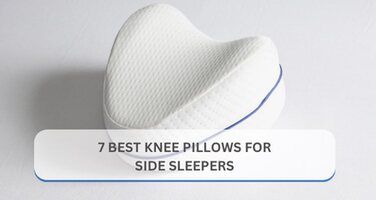
A pillow between your knees, along with one under your head, helps align the hips and lower back. If you struggle with arm placement, you can hug a smaller pillow to relieve shoulder strain.
Q: Is it better to sleep without a pillow?
Not for most side sleepers. Without a pillow, your head tilts downward, which can strain your neck and upper spine. A supportive pillow is generally the healthier choice.
Q: What percentage of people are side sleepers?
Surveys suggest that more than half of adults—about 54%—favor side sleeping as their primary position.
Q: Is sleeping naked healthy?
It can be. Sleeping naked may help regulate body temperature, which can improve rest quality. Just be sure your bedding and room temperature are adjusted for maximum comfort.
Q: What is a Japanese pillow?
Also known as soba or buckwheat pillows, Japanese pillows are filled with buckwheat hulls that shift and conform to your head and neck. They're prized for breathability and adjustable firmness, which can benefit side sleepers seeking a more customized feel.
What are the Best Mattresses for side sleepers on Reddit?
Reddit users often praise mattresses that offer a balance of memory foam contouring and coil support, citing benefits like reduced hip and shoulder aches. Many side-sleeping Redditors highlight the importance of long sleep trials to test how well the mattress maintains comfort over time.
How to Choose the Best Queen Mattress for Side Sleepers?
When selecting a queen-size mattress for side sleeping, consider the balance between comfort and support—especially if you share your bed. A medium to medium-firm model can accommodate different body types while also offering enough space to shift positions without feeling cramped. Look for strong motion isolation if you have a partner who moves around often at night.
Which King Mattress Is Best for Side Sleepers?
A king mattress offers more width, which is great if you're a side sleeper who likes to stretch out or if you share your bed with a partner (or a pet). Focus on models that include thick comfort layers to cushion pressure points, zoned support to keep the alignment in check, and cooling features so you don't overheat in the larger sleeping area.
ConclusionA mattress is arguably the most crucial piece of furniture for your long-term health, so don't cut corners. Take advantage of free trials, research warranties, and read honest user reviews. Remember, your bed should support you for years to come. Focusing on the ideal mattress type, material composition, firmness level, and features such as zoned support or cooling layers can also help you sleep more comfortably on your side. |
Sweet dreams!

Disclaimer: This article provides general information and does not replace professional medical advice. Always consult a healthcare provider for guidance specific to your situation.
References:
- Caggiari G, Talesa GR, Toro G, Jannelli E, Monteleone G, Puddu L. What type of mattress should be chosen to avoid back pain and improve sleep quality? Review of the literature. J Orthop Traumatol. 2021 Dec 8;22(1):51. doi: 10.1186/s10195-021-00616-5. PMID: 34878594; PMCID: PMC8655046.
- Cary D, Briffa K, McKenna L. Identifying relationships between sleep posture and non-specific spinal symptoms in adults: A scoping review. BMJ Open. 2019 Jun 28;9(6):e027633. doi: 10.1136/bmjopen-2018-027633. PMID: 31256029; PMCID: PMC6609073.
- Harvard Health Publishing: What Type of Mattress is Best for People with Low Back Pain?
- Radwan A, et al. (2015). Effect of different mattress designs on promoting sleep quality, pain reduction, and spinal alignment in adults with or without back pain; systematic review of controlled trials
- Skarpsno ES, Mork PJ, Nilsen TIL, Holtermann A. Sleep positions and nocturnal body movements based on free-living accelerometer recordings: association with demographics, lifestyle, and insomnia symptoms. Nat Sci Sleep. 2017 Nov 1;9:267-275. doi: 10.2147/NSS.S145777. PMID: 29138608; PMCID: PMC5677378.