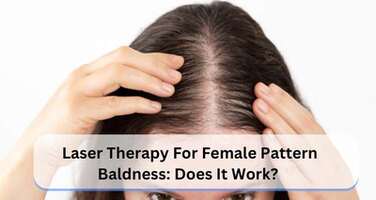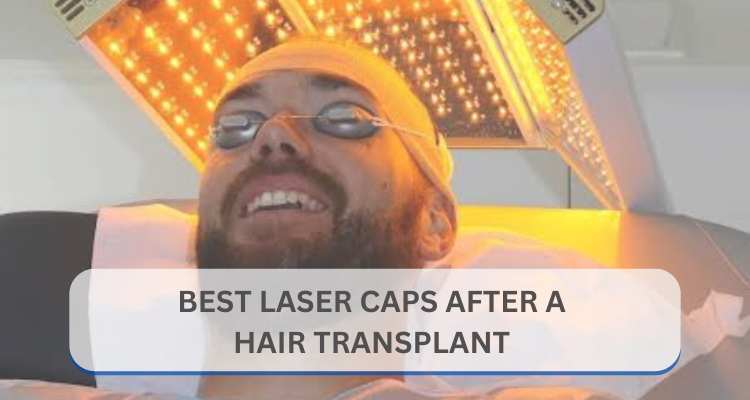
Hair restoration is evolving—and so are the tools that support your recovery. If you've recently undergone a hair transplant or are considering one, you already know that post-operative care is as important as the procedure. In today's world of advanced technology and non-invasive treatments, laser cap therapy has emerged as a breakthrough method to accelerate healing, stimulate hair regrowth, and ensure long-term success after a transplant. This guide delves into every aspect of choosing and using the best laser cap after your hair transplant, backed by science, expert opinions, and real-life success stories.
This Guide Is For:
- Hair Transplant Patients: Seeking to enhance their post-operative recovery and maximize regrowth.
- Prospective Patients: Wanting to understand all available post-transplant therapies.
Hair Transplants & Post-Operative Challenges
What Happens During a Hair Transplant?
Hair transplant procedures, such as Follicular Unit Transplantation (FUT) and Follicular Unit Extraction (FUE), involve relocating hair follicles from a donor area (typically the back of the head) to thinning or balding regions. While these procedures are transformative, they also initiate a healing process that can sometimes slow down hair regrowth.
Post-Operative Challenges
- Inflammation & Redness: Temporary swelling and redness are common as the scalp heals.
- Shock Loss: Some existing hair may temporarily shed due to the stress of the procedure.
- Delayed Regrowth: The new follicles need time to settle and begin growing.
- Sensitivity & Discomfort: Post-surgery, your scalp might be sensitive to touch or certain treatments.
Laser cap therapy addresses these issues by enhancing cellular repair, reducing inflammation, and stimulating hair follicles for faster recovery. |
What Is Laser Cap Therapy?
A Revolutionary Approach: Low-Level Laser Therapy (LLLT)
Laser cap therapy is based on Low-Level Laser Therapy (LLLT), a technology that uses specific wavelengths of light to stimulate cellular activity. Originally developed for medical applications like wound healing and pain reduction, LLLT has been adapted for hair restoration with impressive results.
How Do Laser Caps Work?
- Photobiomodulation: The laser light penetrates the scalp, stimulating mitochondria within cells. This process boosts energy production, promoting cell repair and regeneration.
- Targeted Wavelengths: Effective laser caps operate within a wavelength range (typically 630–670 nm) that optimally triggers biological processes in hair follicles.
- Clinical Validation: Numerous studies and FDA-approved devices support the safety and effectiveness of LLLT for enhancing hair regrowth, making laser caps a trusted addition to post-transplant care.
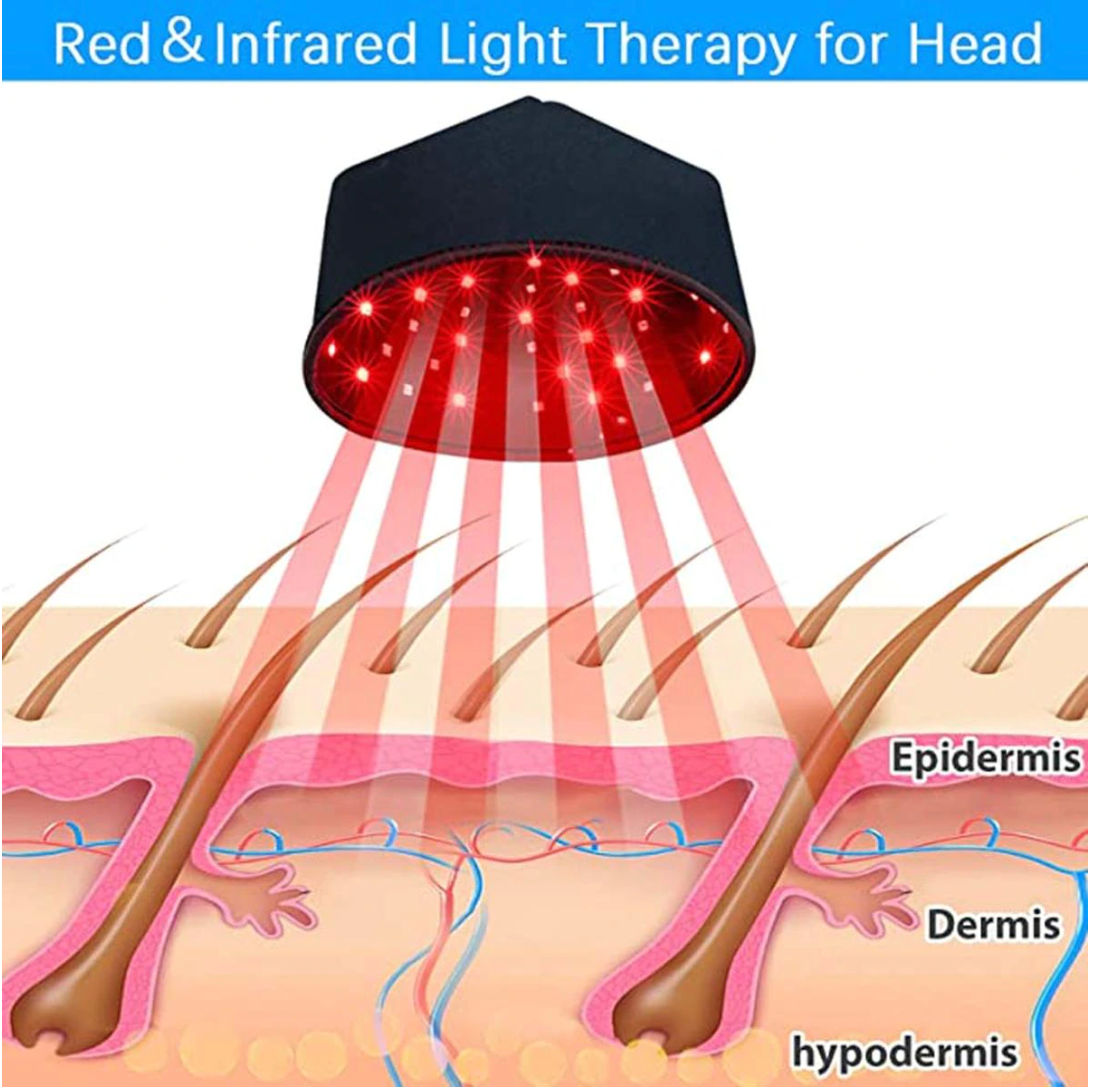 Photo Source: Wimpole Clinic
Benefits of Using a Laser Cap After a Hair Transplant
- Accelerated Healing: The gentle stimulation provided by LLLT can help reduce inflammation and speed up the healing process, allowing you to see results sooner.
- Enhanced Hair Follicle Activation: Laser light energizes dormant hair follicles, encouraging them to enter the growth phase and produce new, healthy hair.
- Non-Invasive & Painless: Unlike surgical or chemical treatments, laser cap therapy is non-invasive, requiring no incisions or medications—just a comfortable cap and a few minutes daily.
- Complementary Therapy: Using other post-operative care protocols (such as topical treatments or nutritional supplements), laser caps can further improve outcomes by supporting overall scalp health.
- Minimal Side Effects: Clinical evidence suggests that laser cap therapy is safe for all skin types with virtually no adverse effects when used as directed.
Key Features to Look for in a Laser Cap
1. Safety & Certification
- FDA Clearance: Ensure the device is FDA-cleared, demonstrating that it meets stringent safety and efficacy standards.
- Clinical Validation: Look for products backed by peer-reviewed studies and positive clinical outcomes.
2. Technical Specifications
- Wavelength Range: Effective devices typically emit light between 630 and 670 nm.
- Power Output & Diode Count: More diodes often mean more uniform light distribution and improved efficacy. Check for models with an optimal balance of power and diode coverage.
3. Design & Comfort
- Ergonomic Fit: The cap should be adjustable and comfortable for extended use.
- Material Quality: Consider breathable, lightweight materials that reduce heat buildup during sessions.
4. Usability & Battery Life
- Ease of Use: Simple controls and clear instructions are essential, especially for first-time users.
- Battery & Portability: For those on the go, consider rechargeable models with long battery life and portability.
5. Warranty & Customer Support
- Warranty Period: A longer warranty indicates the manufacturer's confidence in the product's durability.
- Support Services: Responsive customer service can make a significant difference if you encounter any issues.
Best Laser Cap Models for Post-Transplant Recovery:
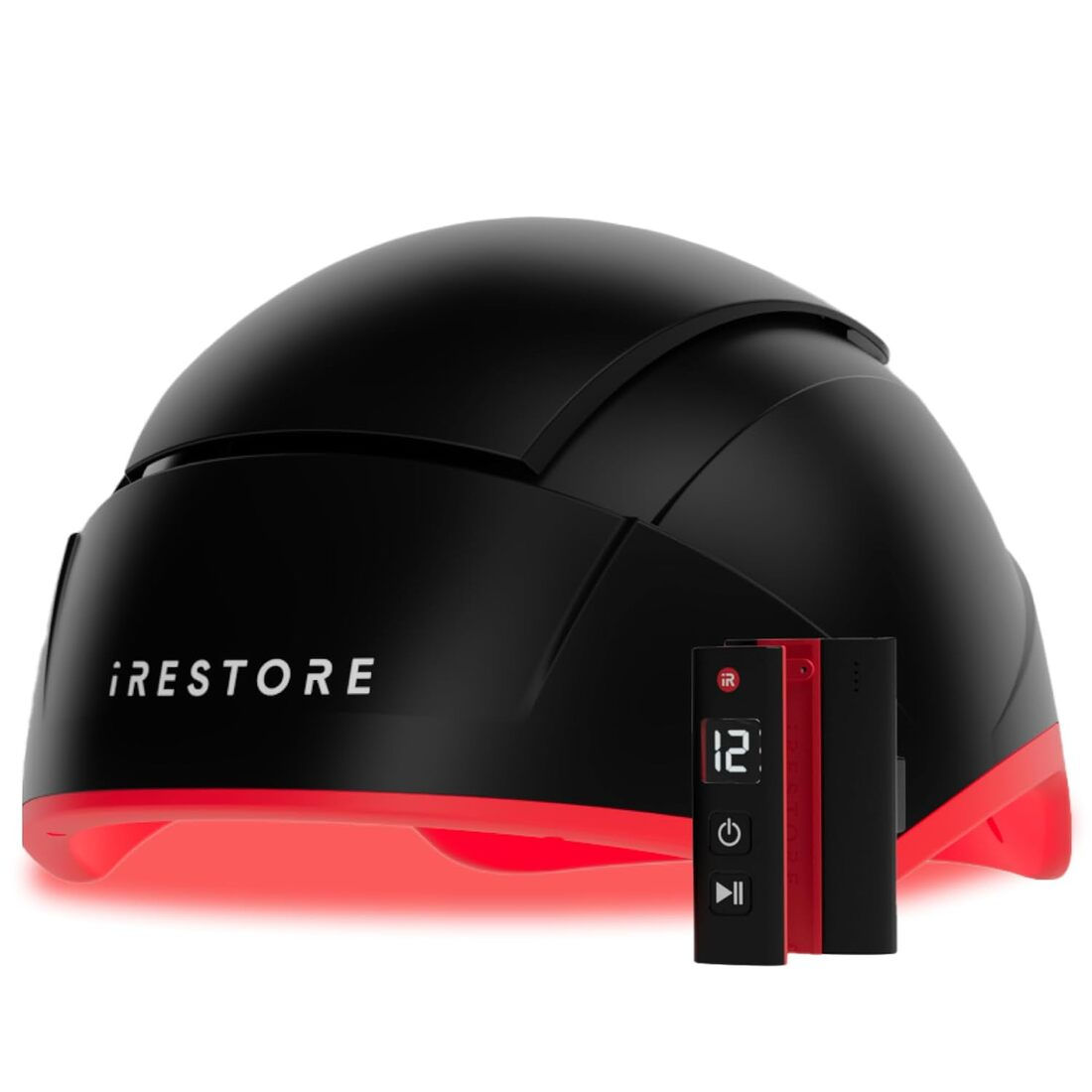
1. iRestore Elite
 |
|
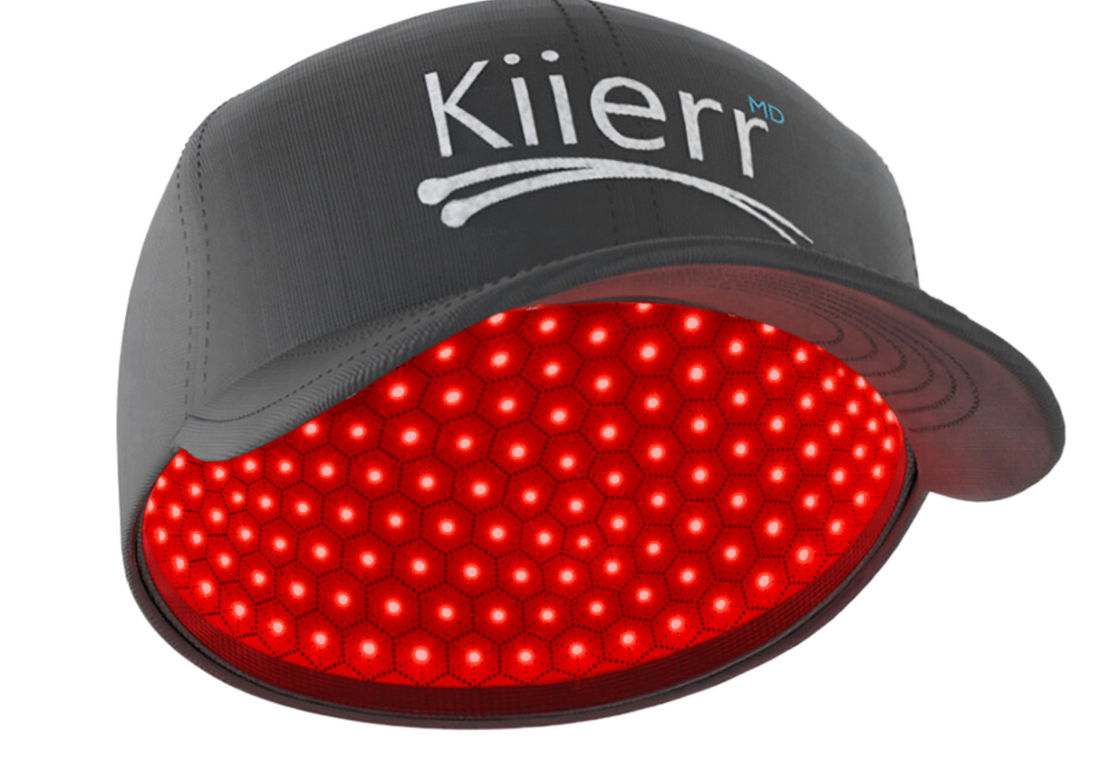
2. Kiierr MD Ultra Flex Laser Cap
 |
|
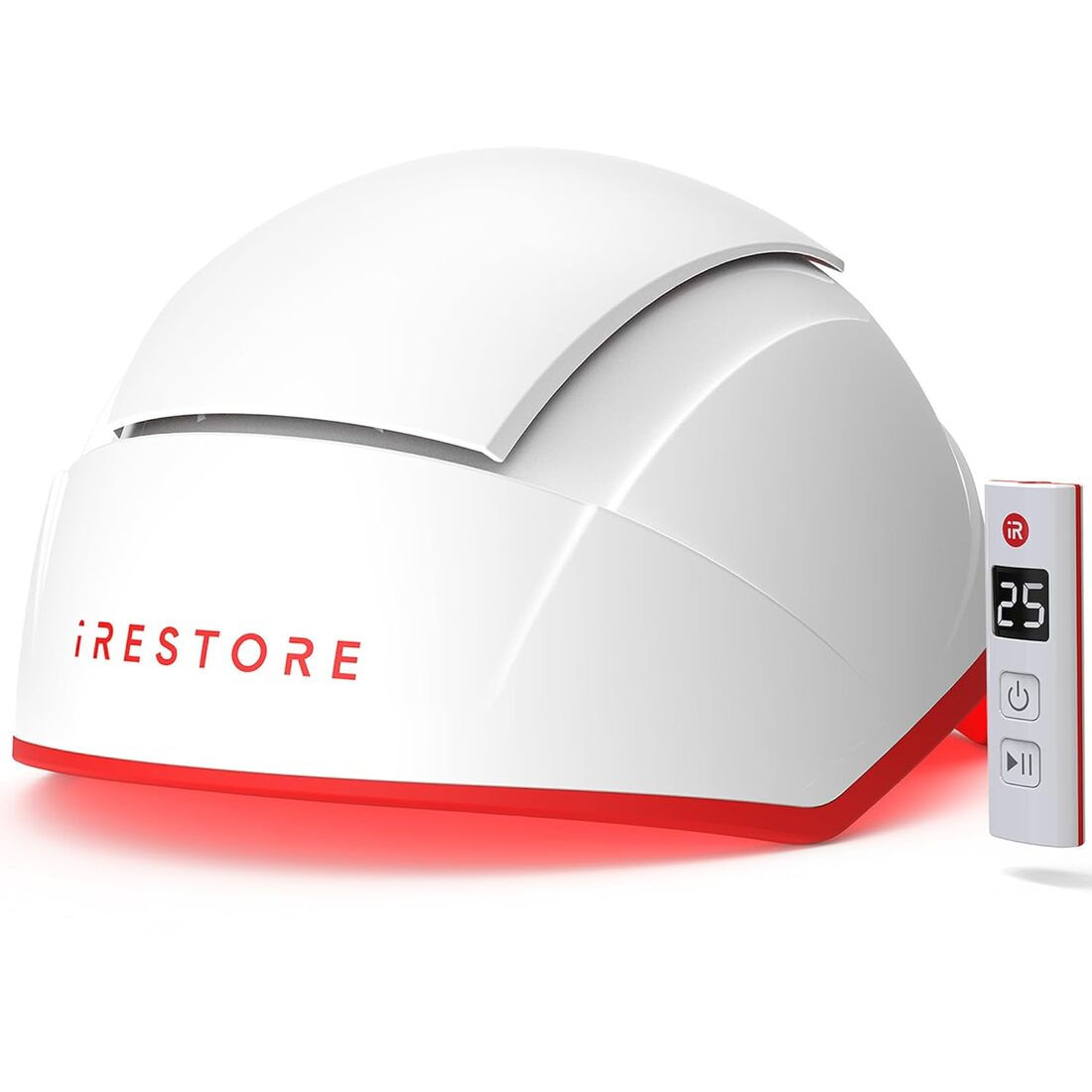
3. iRestore Professional Laser Helmet
 |
|
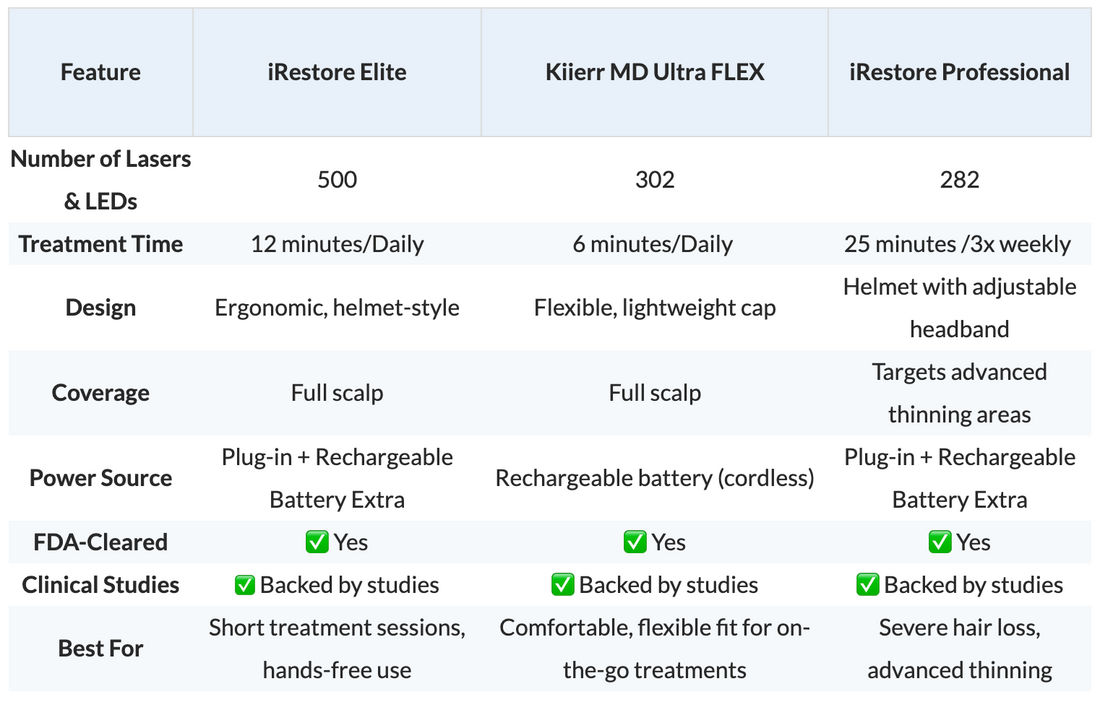
Comparison Table Snapshot
How to Choose the Right Laser Cap for Your Post-Transplant Needs
Personalized Considerations:
- Hair Type & Transplant Method: Your specific hair characteristics (such as thickness, density, and transplant technique used) can affect the performance of the laser cap.
- Budget vs. Benefits: Determine how much you're willing to invest based on the features that matter most to you—the number of diodes, ergonomic design, or additional technology features.
- Consult Your Specialist: It's always wise to discuss your choice with your hair restoration surgeon or dermatologist, who can offer personalized advice based on your medical history and recovery plan.
Decision-Making Checklist:
- Verify FDA clearance and clinical backing.
- Assess technical specifications (wavelength, diode count).
- Consider design and comfort factors.
- Compare warranties and customer support options.
- Review user testimonials and independent reviews.
How to Incorporate Laser Cap Therapy into Your Post-Transplant Routine
Step-by-Step Usage Guide:
- Pre-Session Preparation: Ensure your scalp is clean and free of any styling products. Follow any specific instructions provided by your surgeon or the device manufacturer.
- Setting Up the Device: Adjust the cap to fit snugly but comfortably. Select the recommended power level and session duration (typically 20–30 minutes per session).
- During the Session: Relax and let the cap do its work. Many devices now feature timers and automatic shutoffs for added safety.
- Post-Session Care: Gently remove the cap and allow your scalp to rest. As your specialist advises, consider combining the therapy with a nourishing topical treatment.
Safety & Best Practices:
- Avoid Overuse: Follow the manufacturer's guidelines regarding frequency. Overuse may lead to scalp fatigue or diminishing returns.
- Monitor Results: Keep a log of your sessions and note any changes in hair density or scalp condition. Photos taken over time can be a valuable record of your progress.
Expert Opinions & Clinical Evidence
What the Research Says:
Recent studies published in reputable dermatology journals have demonstrated that LLLT can effectively stimulate hair follicles, reduce inflammation, and improve overall scalp health. For instance, a study in the Journal of Clinical Dermatology found that patients using LLLT experienced significantly improved hair density compared to control groups.
Insights from Experts:
“Laser cap therapy represents a promising adjunct treatment for hair transplant patients. By enhancing cellular metabolism and reducing recovery time, it offers a dual benefit of aesthetic improvement and patient comfort.”
— Dr. Mehmet Guclu, Hair Restoration Specialist at Avrupa Hair Transplant
FAQ
How soon after a hair transplant can I start using a laser cap?
Most specialists recommend waiting until your initial healing phase is complete—usually 7 to 10 days post-transplant. However, always consult your surgeon for personalized guidance.
Is laser cap therapy safe for all skin types?
Yes, when used according to manufacturer instructions, laser cap therapy is generally safe for all skin types. The low-level laser light is non-invasive and does not produce harmful heat.
How long will it take to see results?
Results vary by individual, but many users report noticeable improvements within 3 to 6 months of consistent use.
Can I use the laser cap alongside other treatments?
Absolutely. Laser cap therapy complements other post-transplant care practices, such as topical treatments or nutritional supplements. However, always follow your doctor's advice regarding concurrent treatments.
Conclusion
In summary, laser cap therapy offers a promising, non-invasive way to enhance your recovery and stimulate hair regrowth after a transplant. With benefits such as accelerated healing, reduced inflammation, and the stimulation of dormant hair follicles, this technology is quickly becoming a staple in post-operative care. By choosing a device that meets rigorous safety standards, boasts robust clinical evidence, and fits your personal needs, you can confidently integrate laser cap therapy into your daily routine for optimal results.
Final Recommendation: Before purchasing, consult with your hair restoration specialist to ensure that the chosen device aligns with your specific recovery plan. Then, enjoy the peace of mind that comes from using a clinically supported, state-of-the-art treatment designed to help you regain not just your hair, but your confidence.
Additional Resources
- Understanding Hair Transplant Procedures
- Post-Operative Care Tips for Hair Transplants
- Laser Therapy for Hair Growth
External Resources:
*Disclaimer: This article is for informational purposes only and is not intended to replace professional medical advice. Always consult with a healthcare provider for personalized recommendations.*