

In the ever-evolving skincare world, K-beauty stands out for its innovative formulations, gentle ingredients, and effective results. When it comes to oily and acne-prone skin, finding a sunscreen that provides robust protection without turning your face into an oil slick can feel like a never-ending quest. If you're searching for the best Korean sunscreens for oily skin, this in-depth guide will give you a 360° view of why Korean formulas excel, how to pick the right one for your needs, and which top-rated products to look for in 2026—so you can stay one step ahead of the skincare curve and keep your skin looking beautifully matte, fresh, and healthy.
Related: Best Korean Sunscreens of 2026
1. Why Korean Sunscreens Have Become Global Favorites
Advanced Formulations
Korean skincare brands are recognized for their cutting-edge research and technology. Unlike traditional sunscreens that may rely on heavier, older filters, many Korean formulations use modern UV filters (such as Tinosorb S, Tinosorb M, Uvinul A Plus, and Uvinul T 150, where approved), providing superior broad-spectrum protection with lighter textures.
Lightweight, Skin-Friendly Textures
Oily skin types often shy away from sunscreen because of the dreaded greasy residue or pore-clogging heaviness. Korean sunscreens tackle this issue by:
- Utilizing water-based or gel-based formulas.
- Incorporating oil-absorbing particles that help maintain a matte finish throughout the day.
- Including nourishing and soothing ingredients such as aloe, centella asiatica, and green tea without overloading the skin.
Innovative Ingredients & Multitasking Benefits
K-beauty products often blend sun protection with additional skincare benefits, including:
- Brightening agents like niacinamide to improve skin tone and reduce the appearance of enlarged pores.
- Antioxidant-rich extracts (e.g., ginseng, fermented ingredients) to protect against environmental stressors.
- Anti-inflammatory components such as panthenol or mugwort to soothe and calm blemish-prone skin.
2. The Science Behind Oily Skin and Sunscreen
Our skin naturally produces sebum, which helps maintain hydration and protect the skin barrier. However, excessive sebum production can lead to shininess, enlarged pores, and breakouts.
- Chemical vs. Physical Filters: Traditional sunscreens with physical filters (zinc oxide, titanium dioxide) can sometimes feel heavy or leave a white cast. Meanwhile, many newer chemical filters in Korean sunscreens feel sheer and weightless on oily skin.
- Sebum Control Ingredients: Certain sunscreens include silica, clay, or powdery agents that absorb excess oil without drying out the skin.
- pH-Balanced Formulas: A balanced pH maintains healthy skin flora, reducing the likelihood of irritation or breakouts—particularly important for sensitive, acne-prone skin.
3. Key Factors When Choosing a Korean Sunscreen for Oily Skin
- Oil-Free or Sebum-Controlling Properties: Look for terms like “oil-free,” “mattifying,” “shine control,” or “lightweight.”
- Broad-Spectrum Protection: Opt for sunscreens labeled SPF 30 or higher with PA+++ or PA++++ ratings for UVA defense.
- Non-Comedogenic Formulas: Choose products labeled “non-comedogenic,” “won't clog pores,” or “acne-safe” to reduce the risk of breakouts.
- Skin-Soothing Ingredients: Aloe vera, centella asiatica, or madecassoside can minimize redness and irritation.
- Texture & Finish: Gel, essence, or lotion-type sunscreens typically work best for oily skin, offering a weightless feel.
4. Top 7 Korean Sunscreens for Oily Skin in 2026
While there are countless options on the market, the following seven have garnered praise from dermatologists, skincare enthusiasts, and K-beauty aficionados alike. Each provides robust sun protection, controls shine, and delivers extra skincare benefits to keep your complexion happy and balanced.
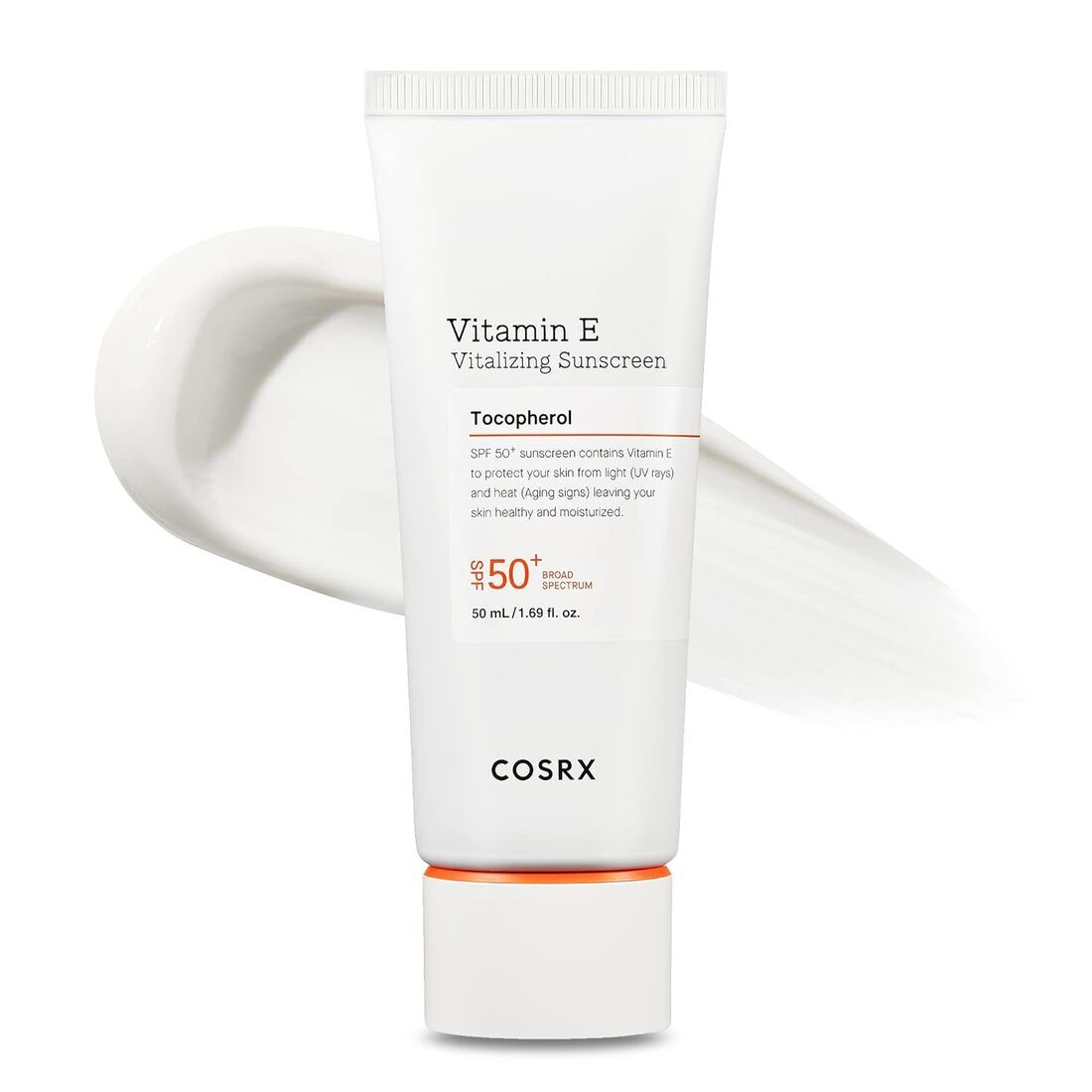
1. COSRX Vitamin E Vitalizing Face Sunscreen SPF50/PA++++
 |
Key Highlights:
|
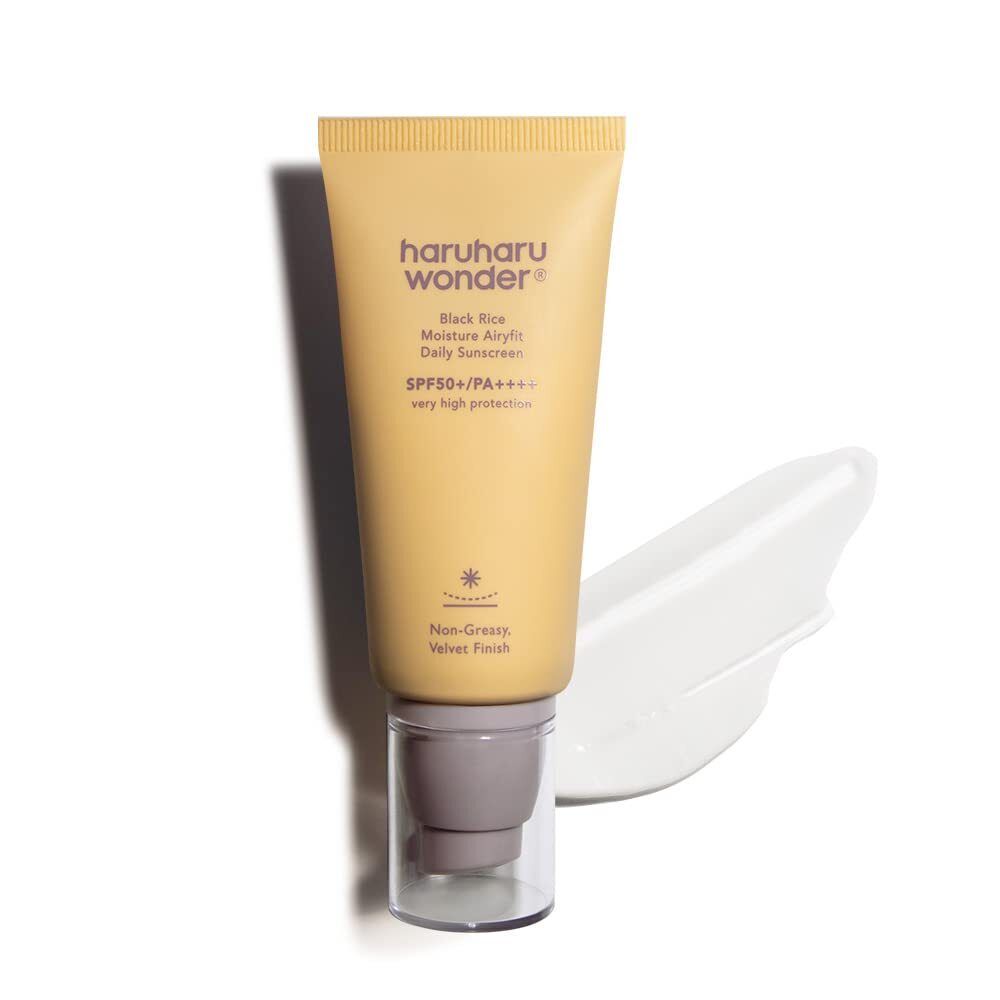
2. Haruharu Wonder Black Rice Moisture Airyfit Daily Sunscreen SPF 50+/PA++++
 |
Key Highlights:
|
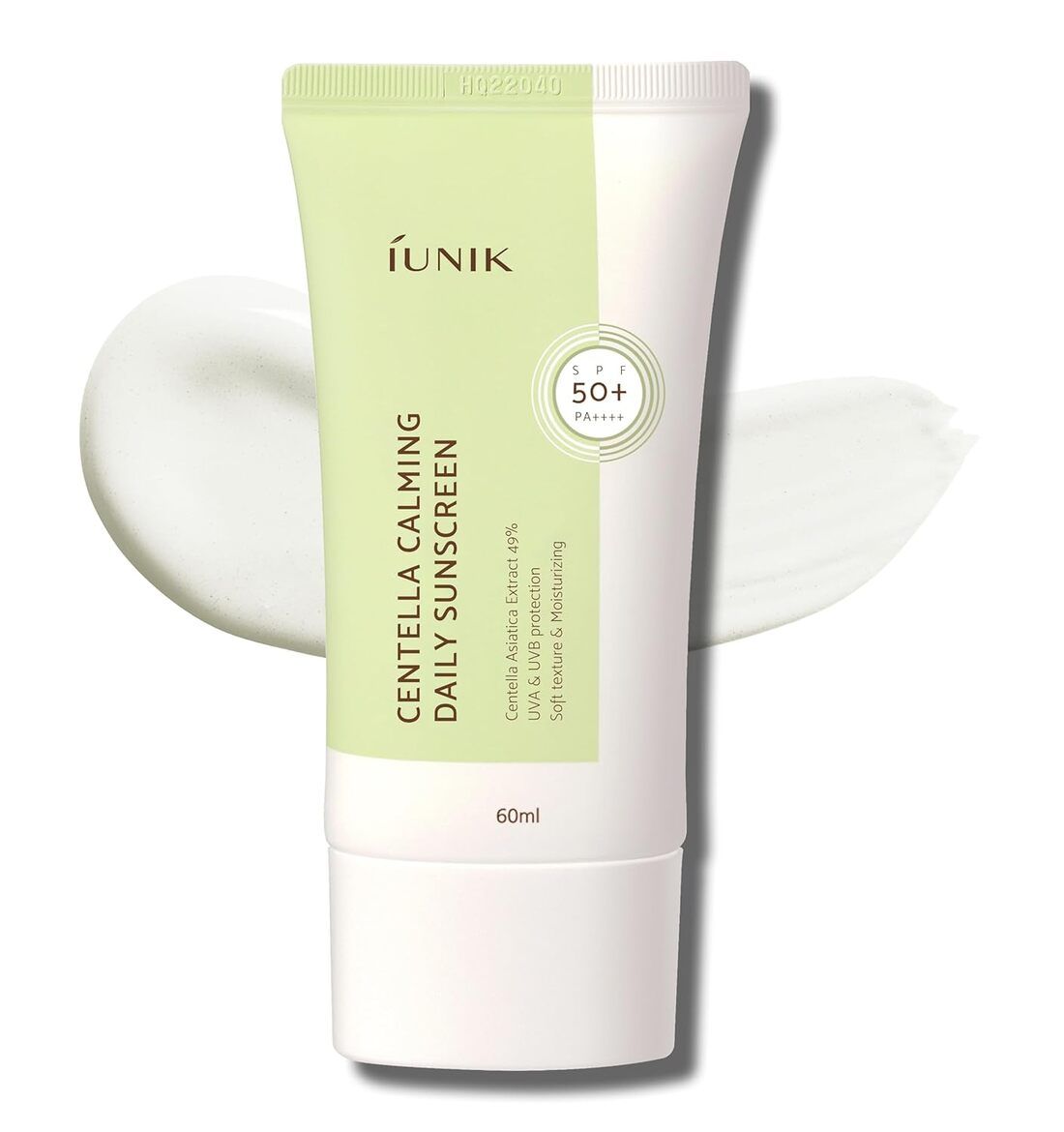
3. IUNIK Centella Calming Moisture Daily Sunscreen SPF50+/PA++++
 |
Key Highlights:
|
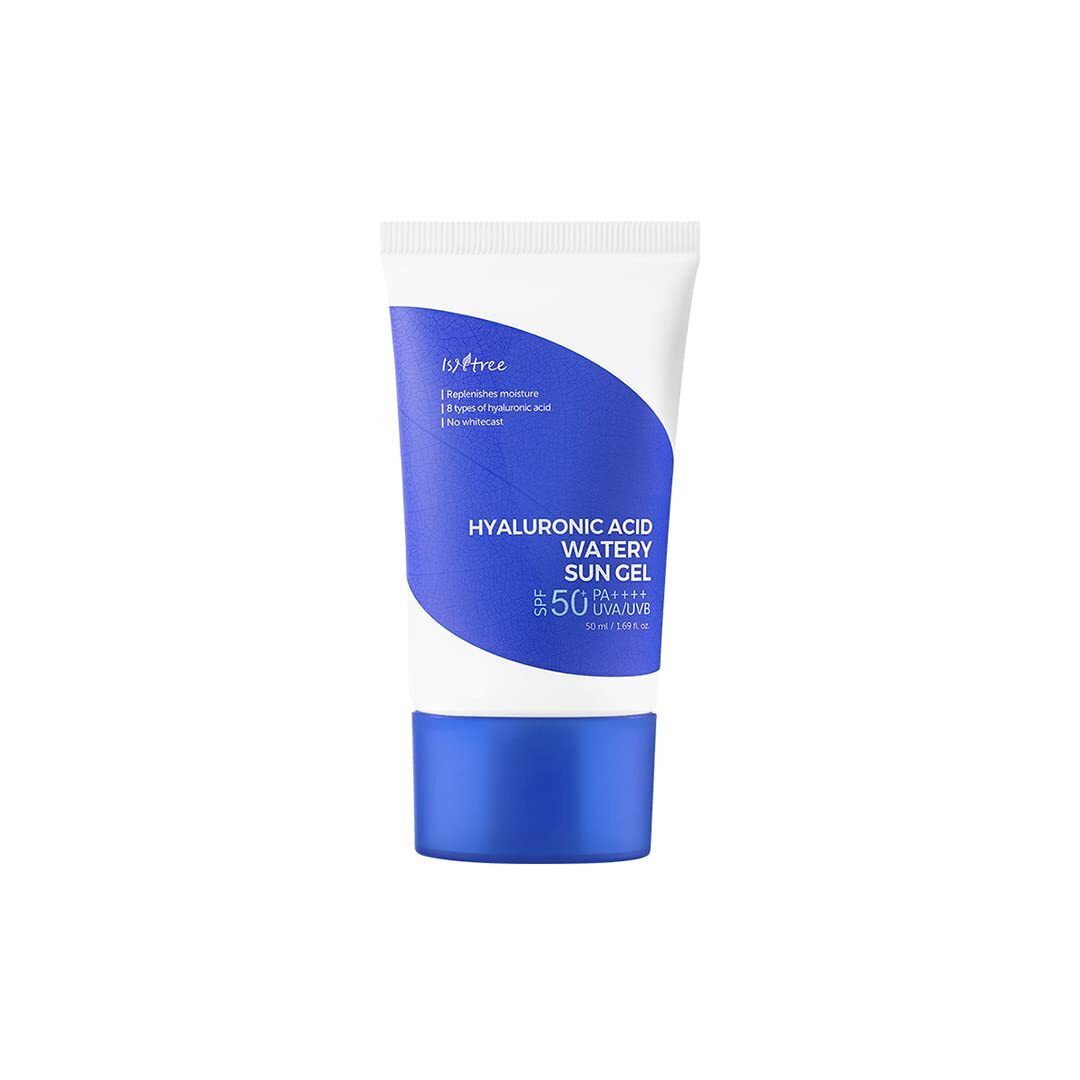
4. Isntree Hyaluronic Acid Watery Sun Gel SPF 50+ PA+++
 |
Key Highlights:
|
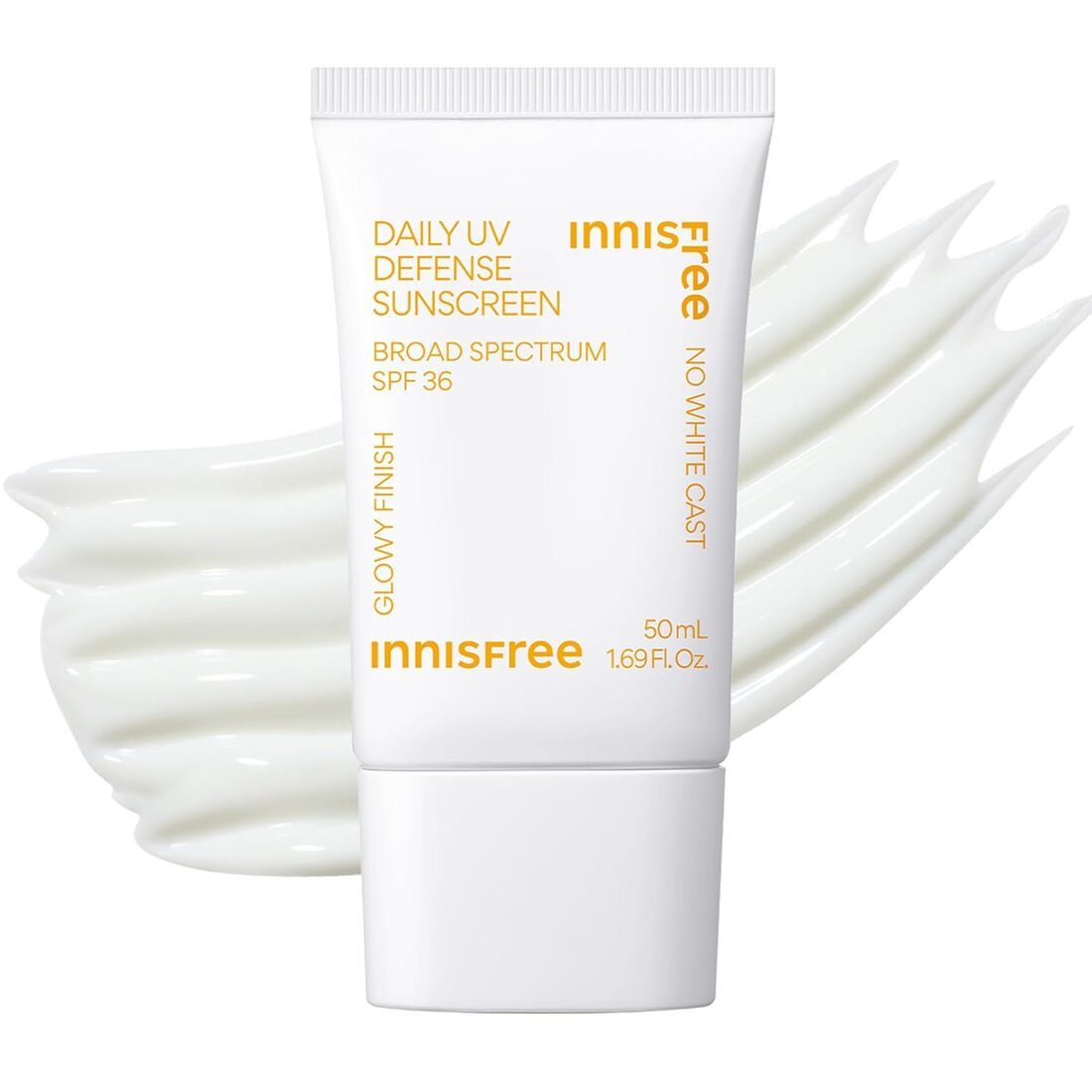
5. Innisfree Daily UV Defense Sunscreen SPF 36/PA+++
 |
Key Highlights:
|
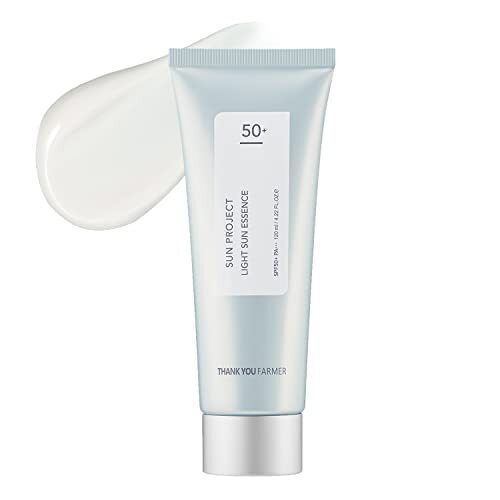
6. Thank You Farmer Sun Project Light Sun Essence SPF 50+/PA+++
 |
Key Highlights:
|
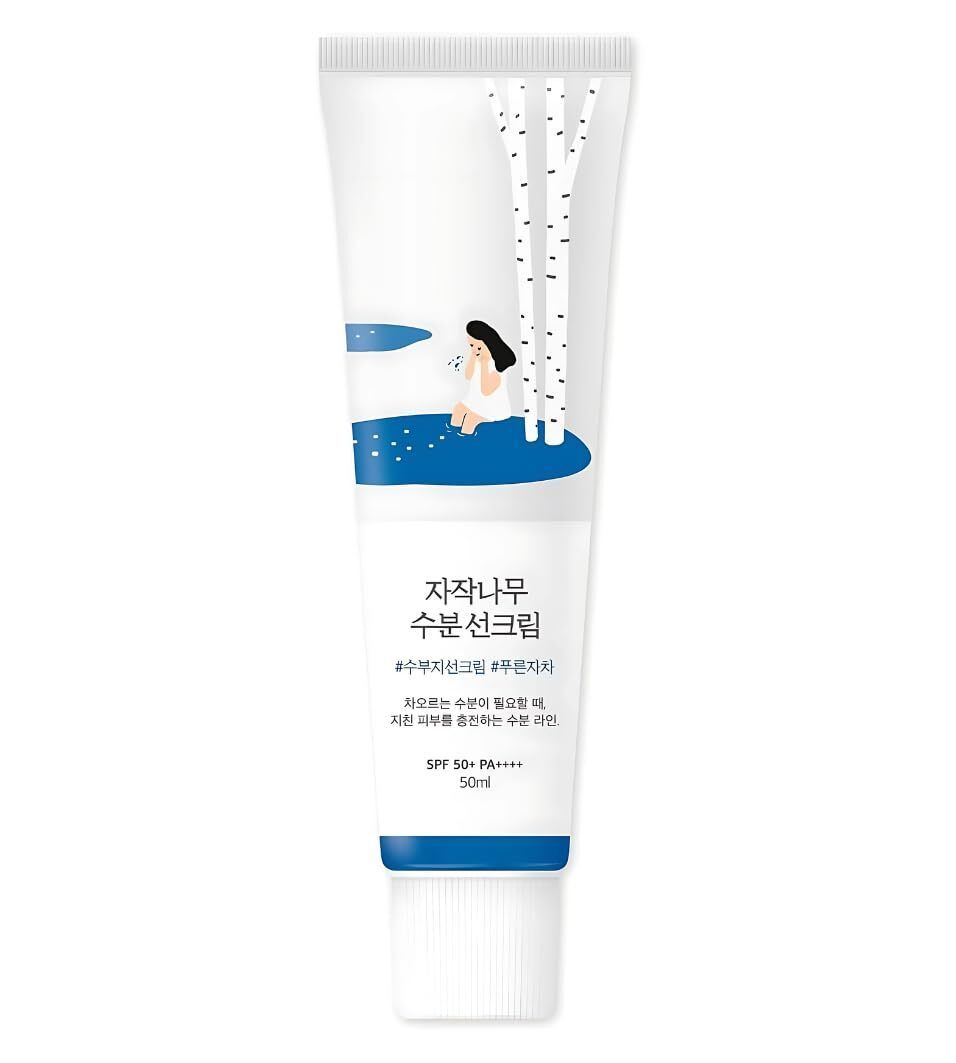
7. Round Lab Birch Juice Moisturizing Sunscreen SPF 50+/PA++++
 |
Key Highlights:
|
5. Pro Tips: Maximizing Sunscreen Efficacy for Oily Skin
- Prep with a Gentle, pH-balanced Cleanser: Use a low-pH or mild cleanser to avoid over-stripping your skin.
- Opt for a Lightweight Moisturizer: Gel-based or water-based moisturizers work best if extra hydration is needed.
- Allow Your Sunscreen to Set: Wait 2–5 minutes before applying makeup for optimal absorption.
- Reapply every two hours, especially during extended outdoor time or intense sun exposure.
- Blot Throughout the Day: If midday shine appears, use oil-absorbing sheets to remove excess oil without disrupting SPF.
- Double Cleanse at Night: Use an oil-based cleanser, then a water-based cleanser, to remove all traces of sunscreen and makeup.
Frequently Asked Questions (FAQs)
1. Can I skip moisturizer if I have oily skin and use a hydrating sunscreen?
Yes, many Korean sunscreens are formulated with moisturizing ingredients. If your skin feels sufficiently hydrated after applying sunscreen, you can skip or reduce your moisturizer. Always listen to your skin—if it feels tight or dry, consider using a lightweight hydrator underneath.
2. Is SPF 30 enough for everyday use if I have oily skin?
For daily indoor or moderate sun exposure, SPF 30 can be sufficient. However, if you spend extended time outdoors or live in a high-UV-index area, opt for SPF 50+ for added protection.
3. Do Korean sunscreens protect against both UVA and UVB rays?
Absolutely. Many Korean brands emphasize broad-spectrum protection with PA+++ or PA++++ ratings for UVA defense, while SPF ratings cover UVB protection.
4. Can chemical filters irritate acne-prone skin?
Some chemical filters may irritate very sensitive skin. You might prefer a physical (mineral) sunscreen if you have highly reactive skin. Always do a patch test with new products.
5. How much sunscreen should I apply for full coverage?
A general rule is about 1/4 teaspoon for your face and neck. If you’re covering your ears and chest, increase the amount. Under-application significantly reduces protection.
Conclusion
Choosing the best Korean sunscreen for oily skin goes beyond finding a “shine-free” promise. It involves selecting a product enriched with high-quality UV filters, lightweight textures, and skin-nourishing ingredients tailored to your needs. Focus on sebum-controlling properties, broad-spectrum coverage, and non-comedogenic formulas for a routine that defends against sun damage and promotes a healthier, more balanced complexion.
As Korean skincare technology evolves, sunscreens become increasingly targeted to specific concerns—so finding your ideal match among Korean formulations is more accessible than ever. Whether you choose a gel essence, a creamy aloe-based formula, or a 100% mineral option, you can enjoy a matte, shine-free, well-protected glow year-round.
With these tips and product recommendations, you'll transform daily sunscreen application from a chore into a luxurious part of your skincare routine. So embrace your new, shine-free confidence under the sun and bask in the knowledge that you're safeguarding your skin for a brighter, healthier future.





Share Your Opinion, Please