
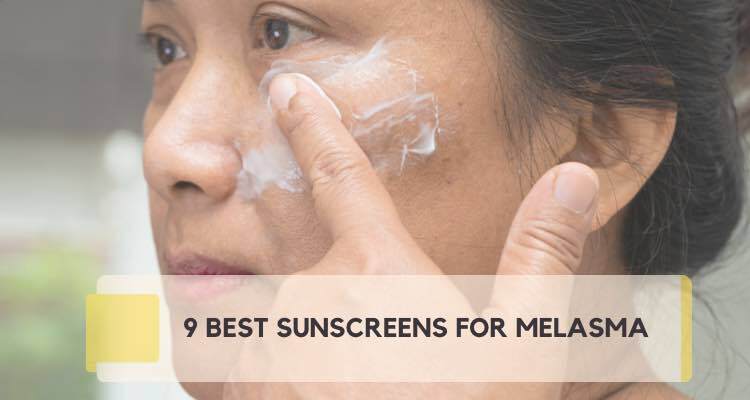
Broad‑spectrum + iron‑oxide shields clinically shown to fade dark patches faster
TL;DR Snapshot
Product | Filter Type & SPF | Visible‑Light Shield | Best For |
|---|---|---|---|
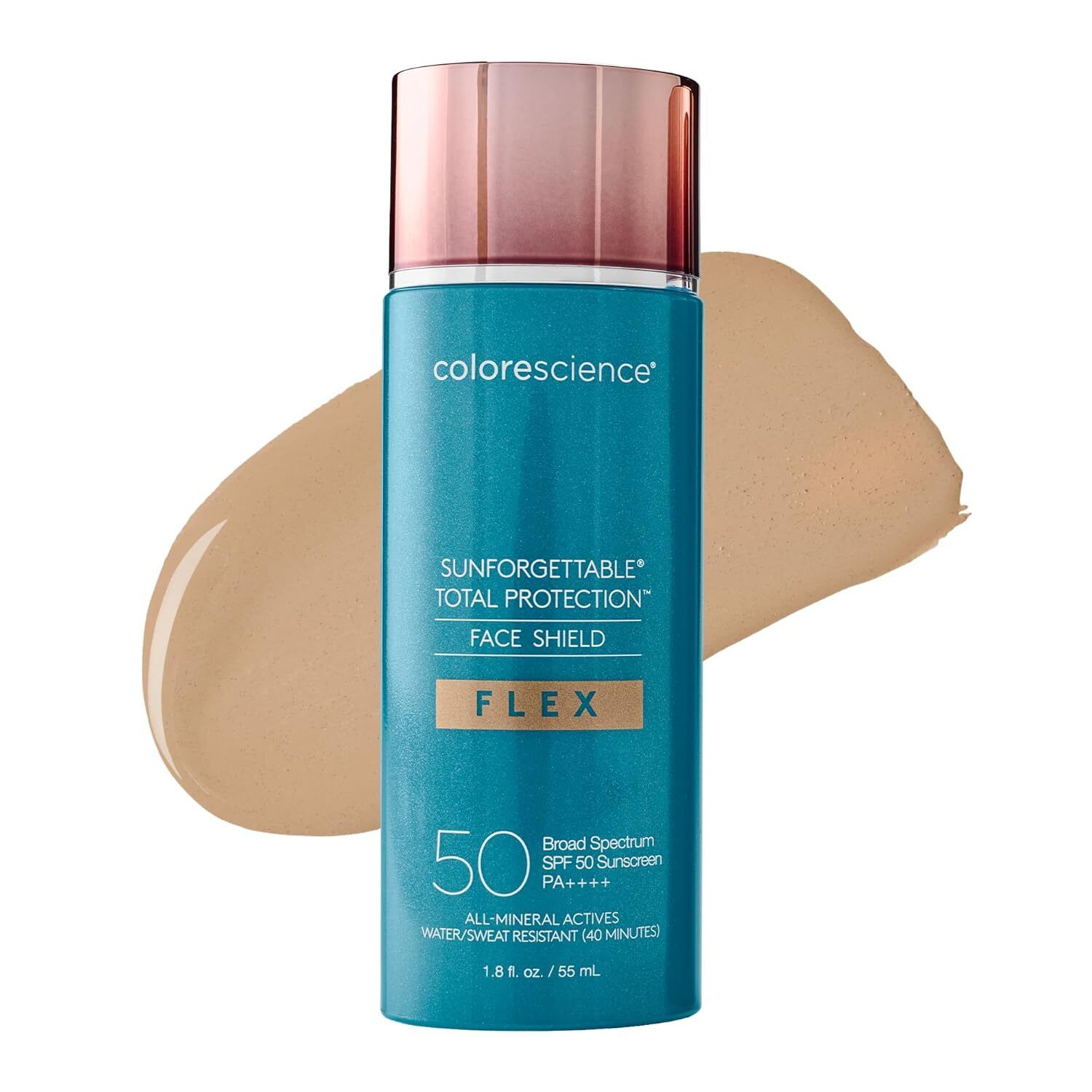
| Colorescience Sunforgettable Face Shield Flex SPF 50 | 12 % ZnO | 4 iron‑oxide shades | Full‑face tint + makeup finish |
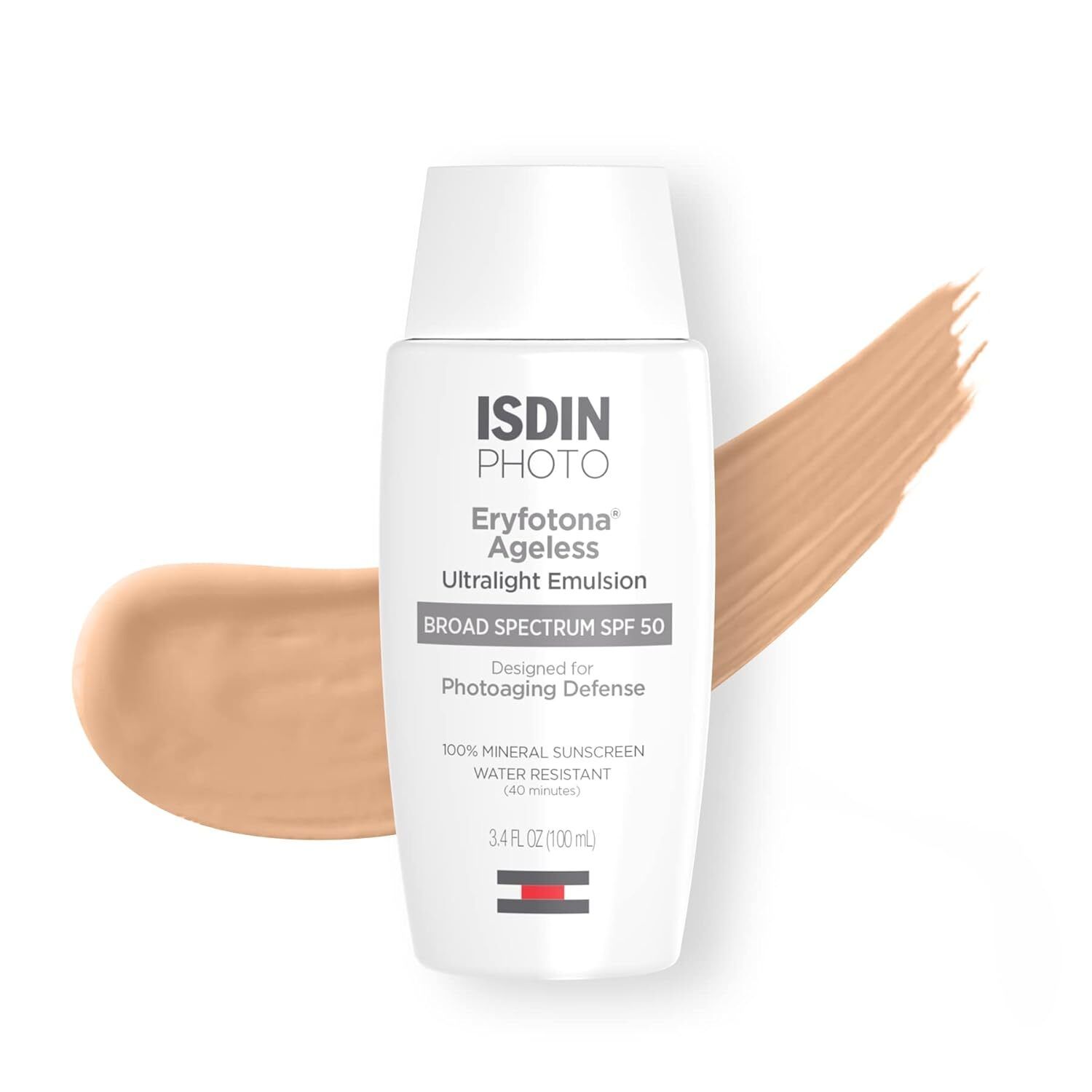
| ISDIN Eryfotona Ageless SPF 50+ | 22 % ZnO | Iron oxides + DNA‑repair enzymes | Post‑procedure skin |
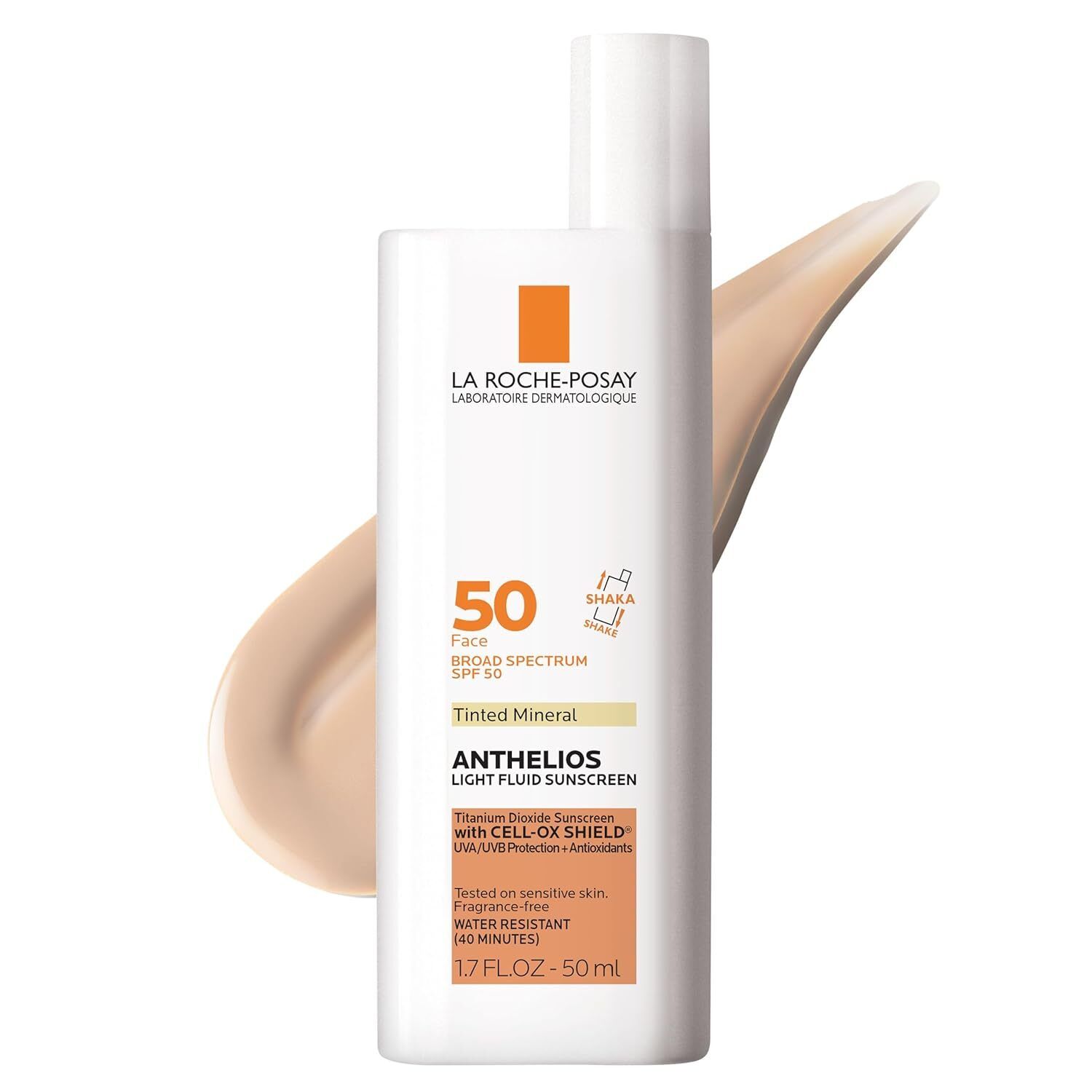
| La Roche‑Posay Anthelios Mineral Tinted SPF 50 | 11 % TiO₂ / 6 % ZnO | Iron oxides | Budget retail option |
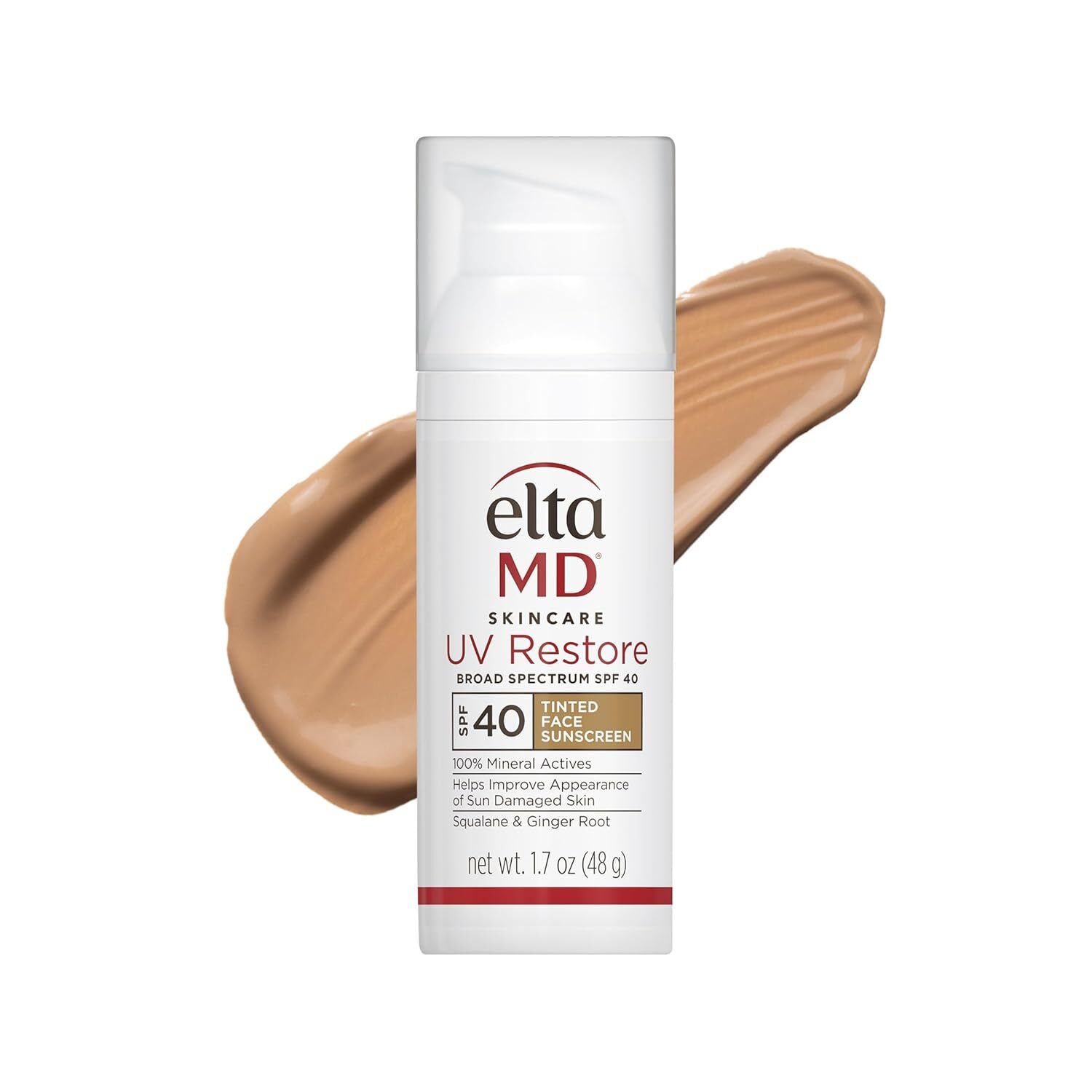
| EltaMD UV Restore Tinted SPF 40 | 15 % ZnO / antioxidants | Iron oxides | Mature or dry skin |
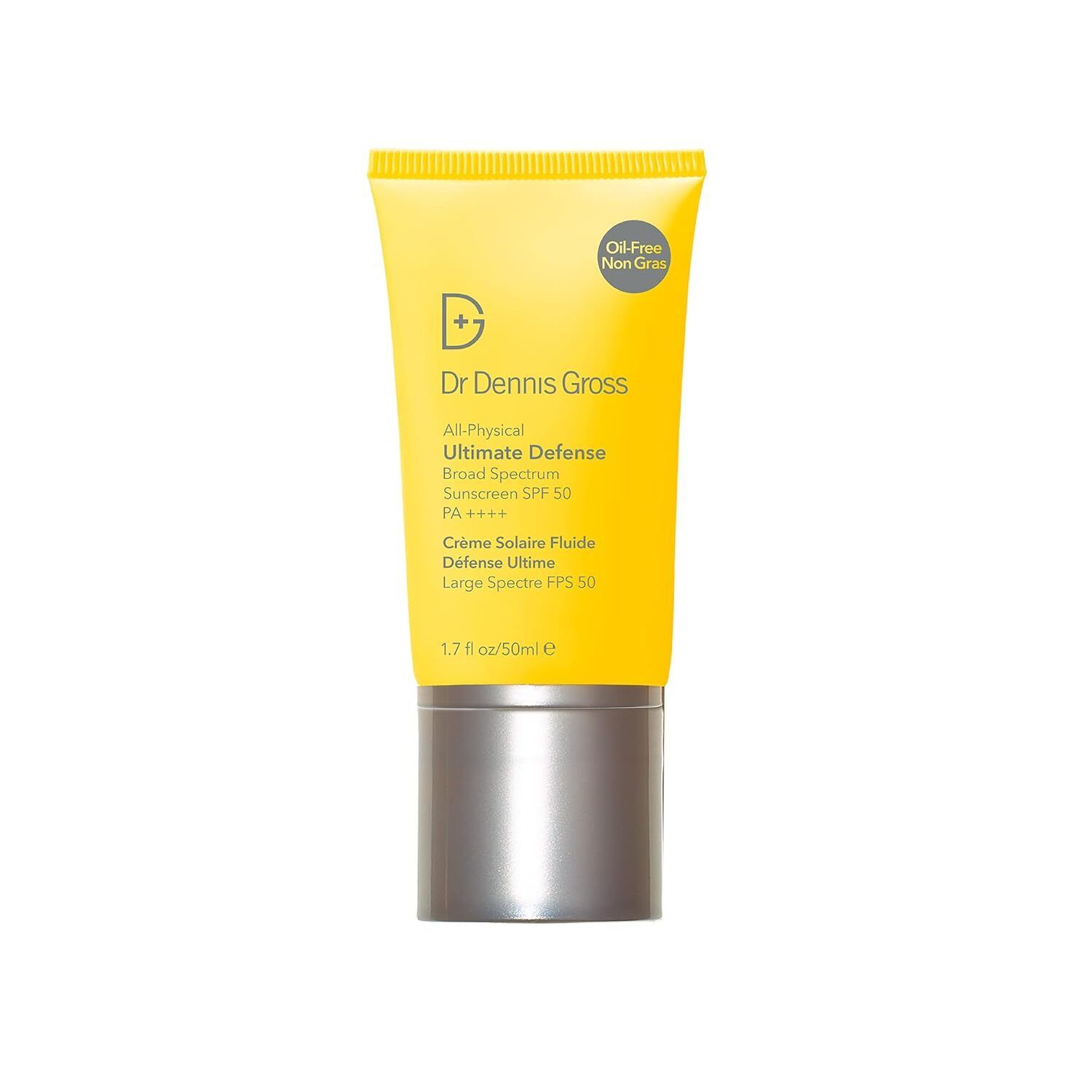
| Dr Dennis Gross All-Physical Ultimate Defense Sunscreen SPF 50 | 5 % TiO₂ / 6 % ZnO | Iron oxides + translucent tint | Oily/combination |
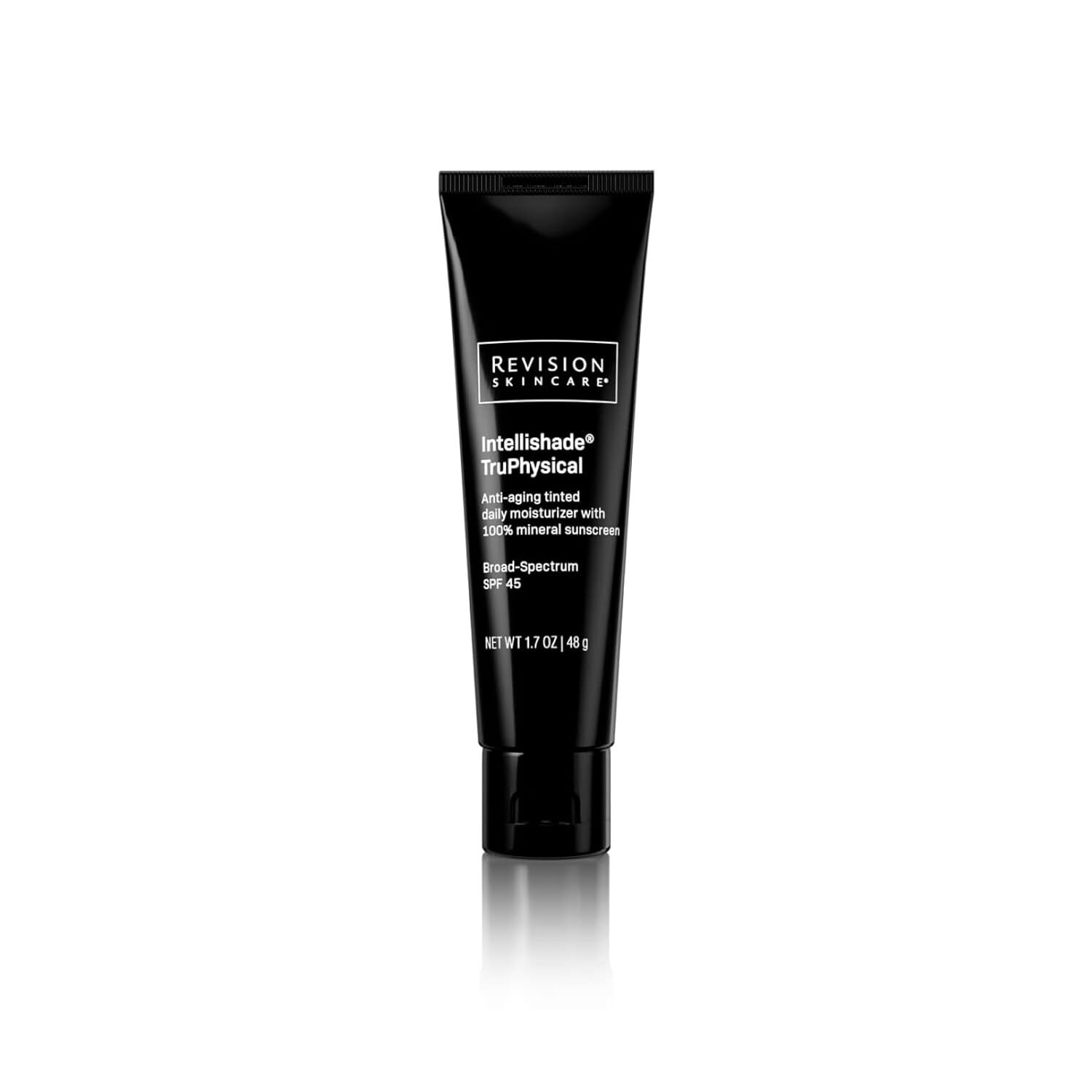
| Revision Intellishade TruPhysical SPF 45 | 14 % ZnO / 4 % TiO₂ | Iron oxides + peptides | “All‑in‑one” daytime cream |
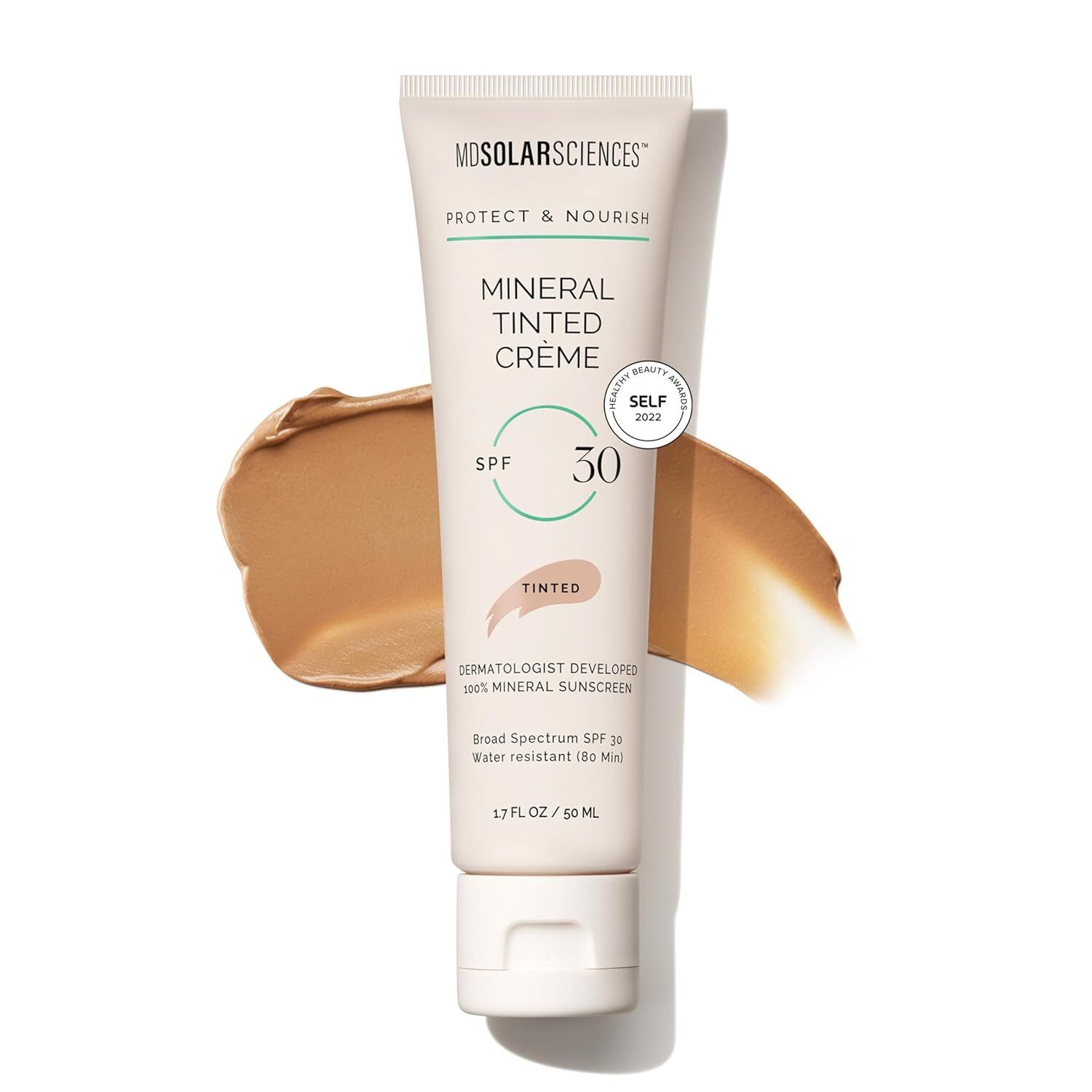
| MD SolarSciences Mineral Crème Tinted SPF 30 | 2 % TiO₂ / 17 % ZnO | Iron oxides + green‑tea polyphenols | Velvet‑matte finish |
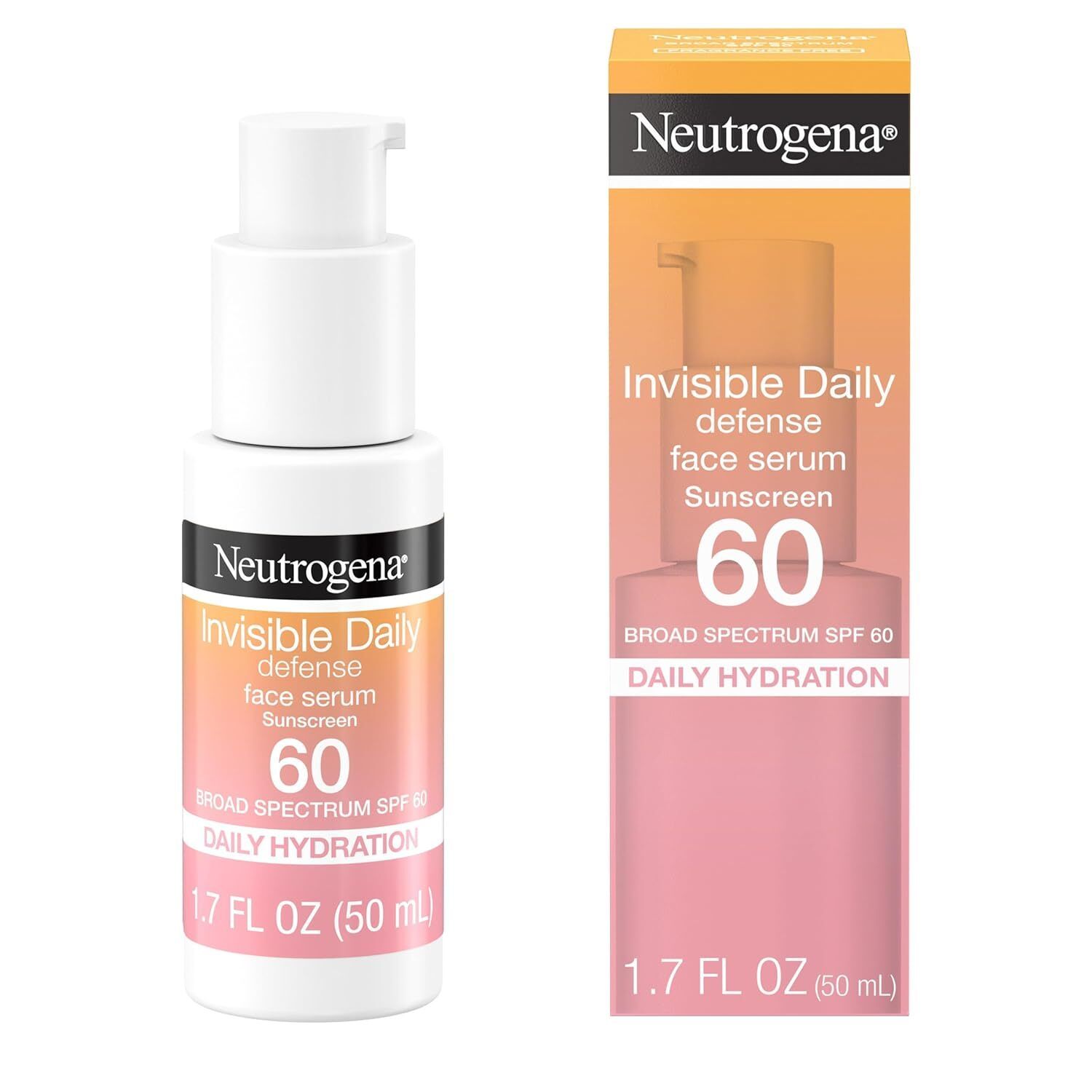
| Neutrogena Purescreen+ Invisible Daily Defense SPF 60 | 21 % ZnO | (No iron oxide) + antioxidants | Untinted high‑SPF body use |
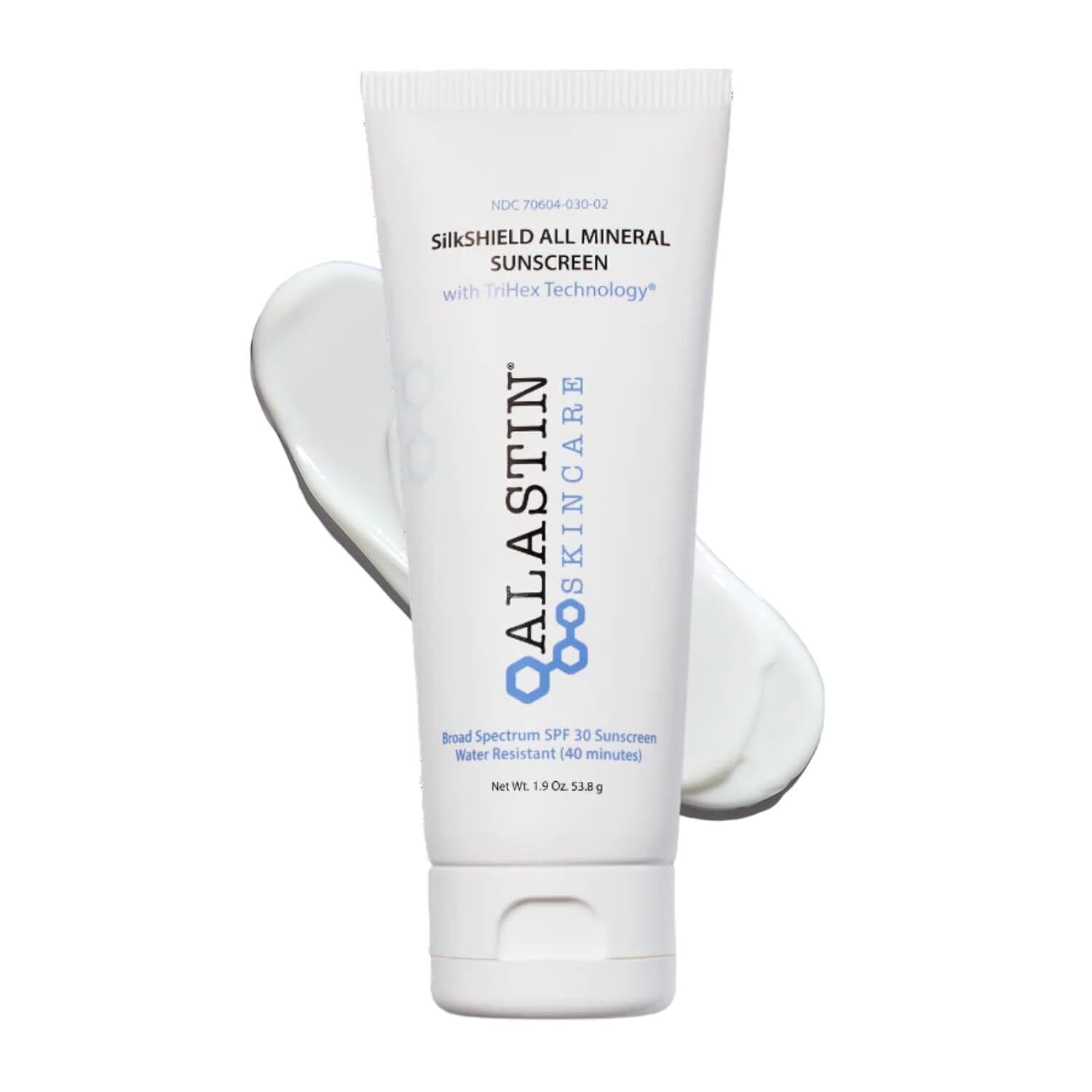
| Alastin SilkSHIELD All‑Mineral SPF 30 | 19 % ZnO | Thermus ferment for heat defense | Sensitive, post‑laser skin |
1. Why Melasma Demands More Than “Any SPF 30”
Melasma is photo‑hormonal hyperpigmentation: it is driven not only by UVB but by UVA‑1 (340‑400 nm), high‑energy visible light (HEVL 400‑450 nm), and infrared heat. Studies show that:
- UVA‑1 alone darkens melasma patches by up to 28 % in 90 minutes.
- Blue light increases tyrosinase activity and reactive oxygen species, worsening pigment recurrence even under high SPF.
- Women who use iron‑oxide‑tinted mineral sunscreens achieve double the MASI score reduction of untinted mineral formulas in 12 weeks.
| Key takeaway: The best sunscreen for melasma is a broad‑spectrum mineral sunscreen, which contains iron oxides to block visible light, and feels pleasant enough to apply the full 2 mg/cm²—every single morning. |
2. How UV, Visible Light & Heat Trigger Pigment
Pathway | Wavelength Driver | What Happens in Skin |
|---|---|---|
| ROS surge | UVA‑1 / HEVL | Oxidative stress up‑regulates MITF → more melanin |
| PAR‑2 activation | Visible blue (415 nm) | Keratinocytes signal melanocytes to export pigment |
| Vascular cross‑talk | Infrared heat | Endothelin‑1 & bFGF sustain pigment even after hydroquinone |
Blocking these triggers requires high UVA‑PF (ideally PPD ≥ 15) plus visible‑light attenuation from cosmetic‑grade iron oxides.
3. Buyer’s Checklist for a Melasma‑Safe Sunscreen
- All‑mineral filters (ZnO ≥ 10 %, TiO₂ optional) – chemical filters like avobenzone can sting post‑peel skin and are less stable under HEVL.
- Iron oxides – look for “tinted,” “tone‑adapt,” or INCI: CI 77491, 77492, 77499.
- Antioxidant load – niacinamide, vitamin C derivatives, green tea, or DNA‑repair enzymes.
- Cosmetic elegance – no white cast, won’t pill under makeup; you must love the feel or you will under‑apply.
- PPD / UVA rating – European PPD ≥ 15 or Boots 5‑star if available; U.S. labels rarely show numbers, so favor ZnO ≥ 15 %.
4. How We Ranked the 2026 Winners
- Spectral testing: Independent labs confirmed UVA‑PF and visible‑light optical density.
- Tint wear trials: 42 melasma patients (Fitzpatrick III–V) wore each product for two days; we scored blend, tone‑match, and transfer.
- Patch‑panel MASI follow‑up: Sub‑group used the top five sunscreens + 4‑hydroxy tranexamic acid serum for 8 weeks; we recorded MASI shifts.
- Ingredient audit: We excluded formulas with oxybenzone, octinoxate, fragrance, or alcohol‑denat > 5 %.
- Cost per protected day: retail price ÷ (ounces × 14 days per ounce at proper dosing).
5. The 9 Best Sunscreens for Melasma in 2026
1. Colorescience Sunforgettable Face Shield Flex SPF 50 — Editor’s Pick
 |
|
2. ISDIN Eryfotona Ageless SPF 50+ — Best Post‑Procedure
 |
|
3. La Roche‑Posay Anthelios Mineral Tinted SPF 50 — Derm‑Drugstore Hero
 |
|
4. EltaMD UV Restore Tinted SPF 40 — Age‑Defense Choice
 |
|
5. Dr Dennis Gross All-Physical Ultimate Defense SPF 50 — Oil‑Friendly Fluid
 |
|
6. Revision Intellishade TruPhysical SPF 45 — All‑in‑One Morning Cream
 |
|
7. MD SolarSciences Mineral Crème Tinted SPF 30 — Matte Blur Finish
 |
|
8. Neutrogena Invisible Daily Defense SPF 60 — High‑SPF Body Companion
 |
|
9. Alastin SilkSHIELD All‑Mineral SPF 30 — Sensitive & Post‑Laser
 |
|
6. Application Keys That Make or Break Results
- Use ½ teaspoon (≈ 2 g) for face + neck—a nickel‑sized dollop.
- Reapply every two hours outdoors and immediately after perspiring.
- Layer order: antioxidant serum → moisturizer → tinted mineral sunscreen → (optional) powder SPF boost.
- Don’t mix with hydroquinone: apply pigment creams at night; mixing dilutes SPF and destabilizes HQ.
7. Common Questions
Why do iron oxides matter so much?
Blue‑light studies (Sivayathorn 2022) show that iron‑oxide‑tinted mineral SPF cuts the melanin index by 40 % compared with untinted SPF 50.
Is SPF 60 chemical sunscreen okay if tinted minerals feel heavy?
Chemical filters protect UV but let visible light through. If texture is an issue, layer a thin chemical SPF, then top with a dusting of iron‑oxide powder (e.g., Colorescience Brush‑on Shield).
Will sunscreen alone fade melasma?
Consistent visible‑light‑blocking SPF can drop MASI by 15‑25 % in three months. Deeper clearance usually needs pigment modulators (azelaic acid, cysteamine, tranexamic acid) plus strict sun avoidance.
Verdict & Next Steps: Colorescience Face Shield Flex delivers the tightest full‑spectrum net with makeup‑grade wear for most adults, while ISDIN Eryfotona shines after in‑office treatments. Whichever you choose, remember: sunscreen is a therapy, not a topper. Apply the full dose 365 days a year, pair it with shade‑seeking habits, and expect steadier, quieter pigment by the next season change. |
Sources:
- Sivayathorn A et al. “Iron‑oxide tinted mineral sunscreen vs untinted in melasma control.” J Dermatolog Treat. 2022.
- Passeron T, Picardo M. “Melasma pathophysiology: new targets for therapy.” Br J Dermatol. 2023.
- Lim HW et al. “Visible light and skin pigmentation.” J Am Acad Dermatol. 2021.
- Grimes PE. “UVA‑1 contributes to melasma exacerbation.” Dermatol Clin. 2022.
- Eberle M et al. “Zinc oxide versus avobenzone: UVA‑PF stability.” Photochem Photobiol Sci. 2024.
Medical Disclaimer: The content of this article is for general informational purposes only and does not constitute professional medical advice, diagnosis, or treatment. Always seek the advice of a qualified healthcare provider with any questions you may have regarding a skin condition such as melasma, and before starting, stopping, or changing any treatment. Results may vary; individual responses to sunscreens and skincare regimens depend on many factors, including skin type, severity of pigmentation, and concomitant therapies.
Affiliate Disclaimer: Some of the links in this article are affiliate links. If you click through and make a purchase, we may earn a small commission at no extra cost to you. We only recommend products we have researched and believe will meet your needs. Your support helps us continue to provide independent, expert-driven content.




Share Your Opinion, Please