(Note: Most devices are technically FDA-cleared rather than FDA-approved. This guide explains the distinction and why it matters.)
Hair loss can be frustrating, whether you’re noticing a receding hairline or diffuse thinning across the scalp. Recently, laser caps have become an increasingly popular solution for stimulating hair regrowth. Although many products are marketed as “FDA-approved,” the proper regulatory term for most low-level laser therapy (LLLT) devices is actually “FDA-cleared.” This means they’ve met specific safety and efficacy standards via the FDA 510(k) process rather than receiving a formal “approval” (which is more common for high-risk medical devices).
In this 2026 guide, we’ll clarify how FDA clearance works for laser caps, explore the science behind LLLT, review the top devices on the market, and share expert tips to help you maximize hair growth results. By the end, you’ll be well-equipped to select the best FDA-cleared laser cap for your needs and feel confident about your decision.
Key Takeaways:
|
The Rise of Laser Caps
Laser caps provide a convenient, at-home solution for individuals experiencing hair thinning or early-stage hair loss. Instead of scheduling expensive in-office laser treatments, these caps allow you to receive low-level laser therapy while you work, relax, or perform daily tasks. They’re designed to fit like a regular baseball cap (or a helmet-style device), deliver precise light energy to your scalp, and potentially help revitalize weakened follicles over time.
Why FDA Clearance Is Important
The FDA (U.S. Food and Drug Administration) regulates medical devices by assessing safety and efficacy. For low-level laser therapy devices intended for hair growth:
- FDA-Cleared (510(k)): Indicates the device is substantially equivalent to a legally marketed device and has demonstrated safety and efficacy for its intended use.
- FDA-Approved (PMA): Typically reserved for high-risk devices that require more rigorous testing.
Most laser caps are FDA-cleared under the 510(k) pathway. This clearance ensures they meet minimum performance standards and can be marketed as a safe option for stimulating hair growth.
Top Picks for Different Needs
|
Laser Caps and FDA Clearance
What Are Laser Caps?
Laser caps utilize Low-Level Laser Therapy (LLLT) or photobiomodulation to stimulate cell growth in hair follicles. They generally use laser diodes (rather than LEDs) at a specific wavelength (often 650 nm ± 10 nm) that penetrates the scalp and stimulates follicular activity.
Key Benefits:
- Convenience: Wear it at home without scheduling clinic appointments.
- Non-invasive: No surgery, no major side effects for most users.
- Clinically supported: Research suggests LLLT may help slow hair loss and promote thicker hair growth.
How Does FDA Clearance Differ from FDA Approval?
FDA Clearance (510(k)): The manufacturer demonstrates the device is substantially equivalent to a device already on the market and meets safety standards for its intended purpose.
FDA Approval (PMA): Typically for Class III devices (e.g., implants, life-supporting machines) that undergo more stringent tests.
Since laser caps are typically Class II devices, they undergo the 510(k) clearance process, which is why you’ll often see them referred to as “FDA-cleared” for hair growth.
Why FDA Clearance Matters
- Safety Assurance: Confirms the device meets certain reliability and safety criteria.
- Efficacy Data: Companies must provide clinical or technical data supporting hair regrowth claims.
- Consumer Confidence: FDA oversight can weed out “snake oil” gadgets lacking scientific backing.
How Laser Caps Stimulate Hair Growth
The Science Behind LLLT
When a laser cap delivers low-intensity light to the scalp:
- Photobiomodulation: Cells absorb photons, increasing energy (ATP) production.
- Improved Blood Circulation: More nutrients and oxygen reach hair follicles.
- Cellular Repair & Activation: Follicles in the telogen (resting) phase may transition back into the anagen (growth) phase faster.
A well-cited review by Avci et al. (2013) in Seminars in Cutaneous Medicine and Surgery highlights how low-level lasers can stimulate cellular function and enhance tissue repair, which may lead to hair regrowth.
Expected Timeline for Results
- First 4–6 Weeks: Possible slight shedding as weaker hairs are shed to make room for healthier growth.
- 2–3 Months: Early signs of reduced hair loss and slightly thicker hairs.
- 6+ Months: Noticeable improvements in hair density and coverage.
Clinical Evidence
Several clinical trials indicate consistent LLLT usage may result in meaningful hair regrowth. A study published in the American Journal of Clinical Dermatology (2017) found that individuals using FDA-cleared LLLT devices had higher terminal hair counts and thickness than those using placebo devices.
Top 7 FDA-Cleared Laser Caps in 2026
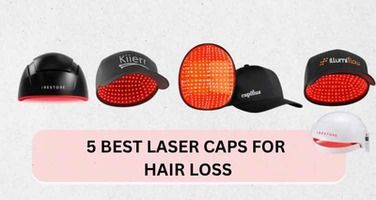
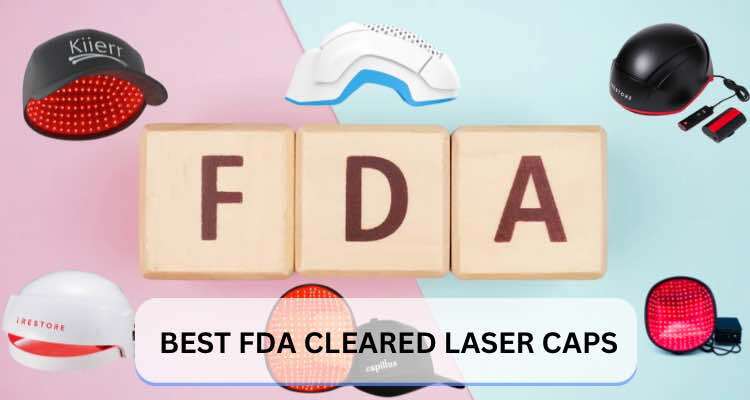
The market continues to evolve, and these seven devices remain top contenders. While often called “FDA-approved,” they are FDA-cleared for the treatment of hereditary hair loss. Always check the official brand website or the FDA’s 510(k) database for specific clearance details.
1. Kiierr
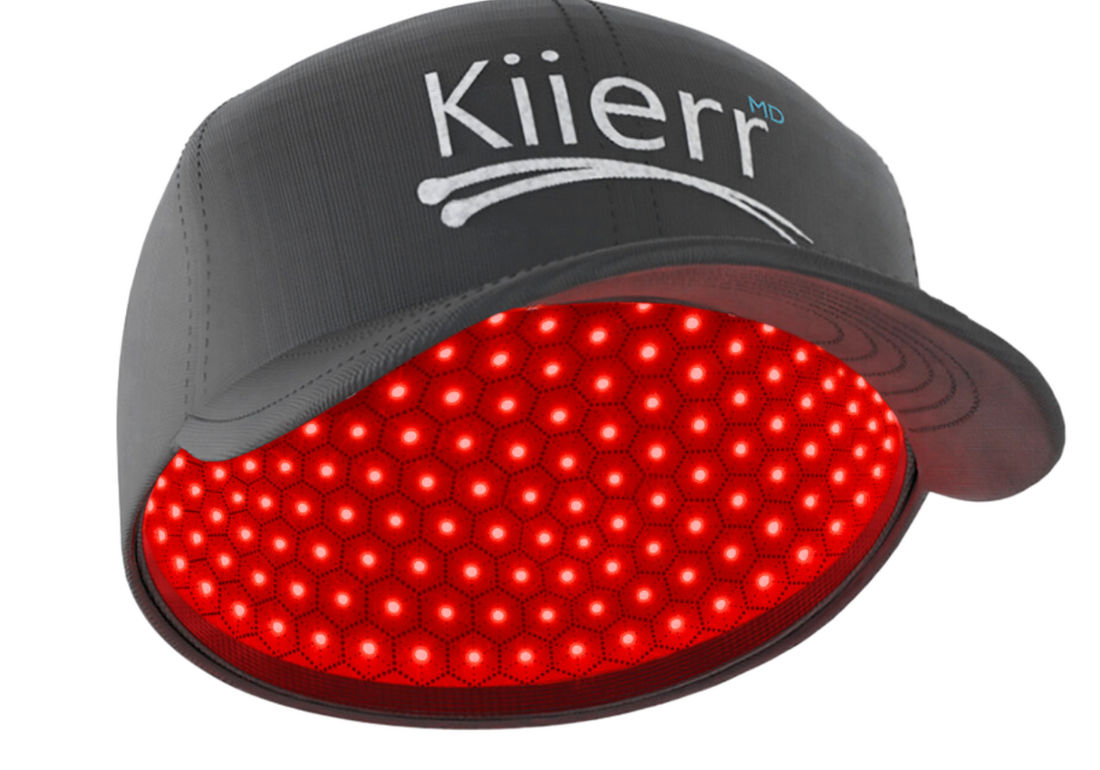 |
Overview: A budget-friendly alternative with good laser coverage. Key Features:
|
2. iRestore Elite
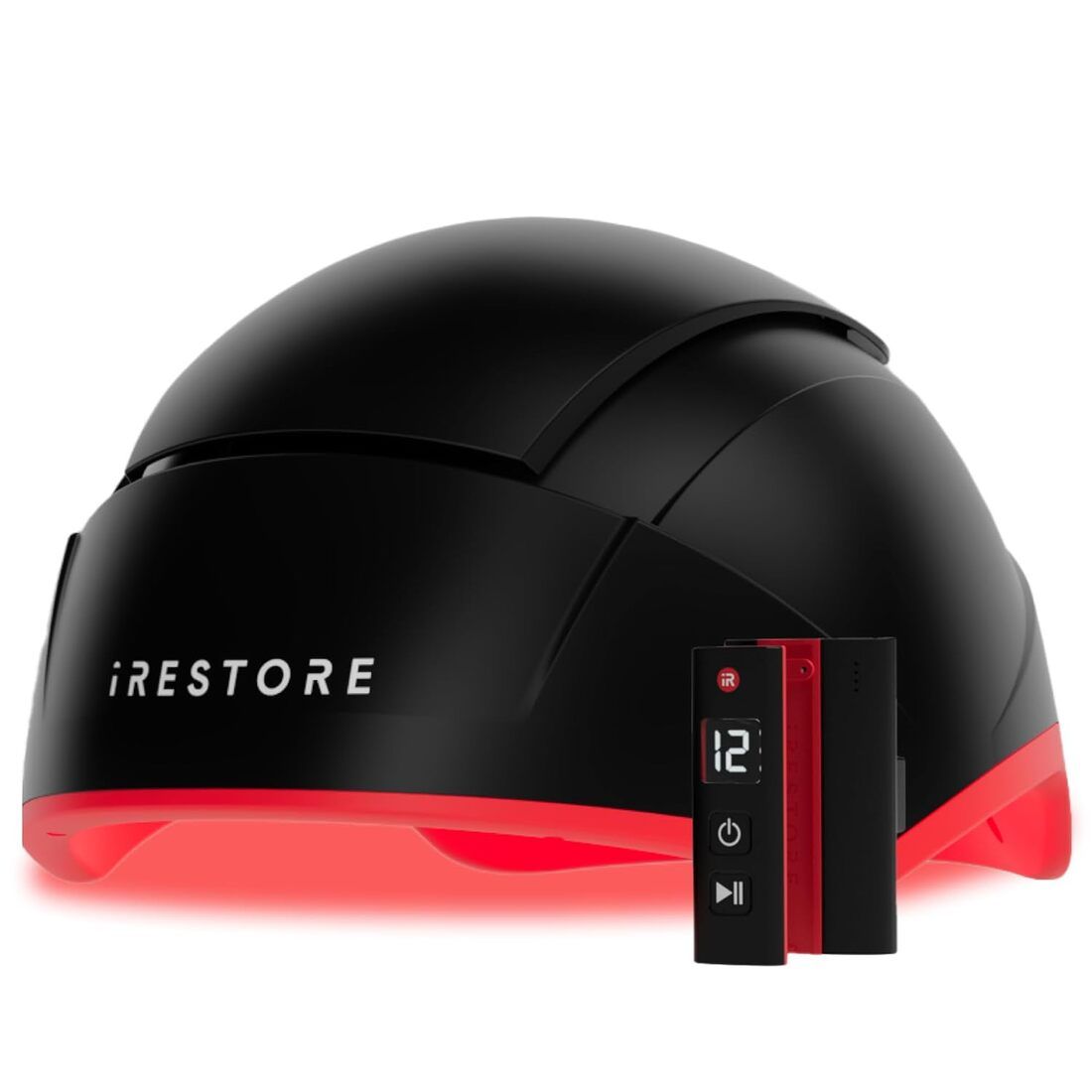 |
Overview: Helmet-style device with a focus on user-friendliness. Key Features:
|
2. Capillus
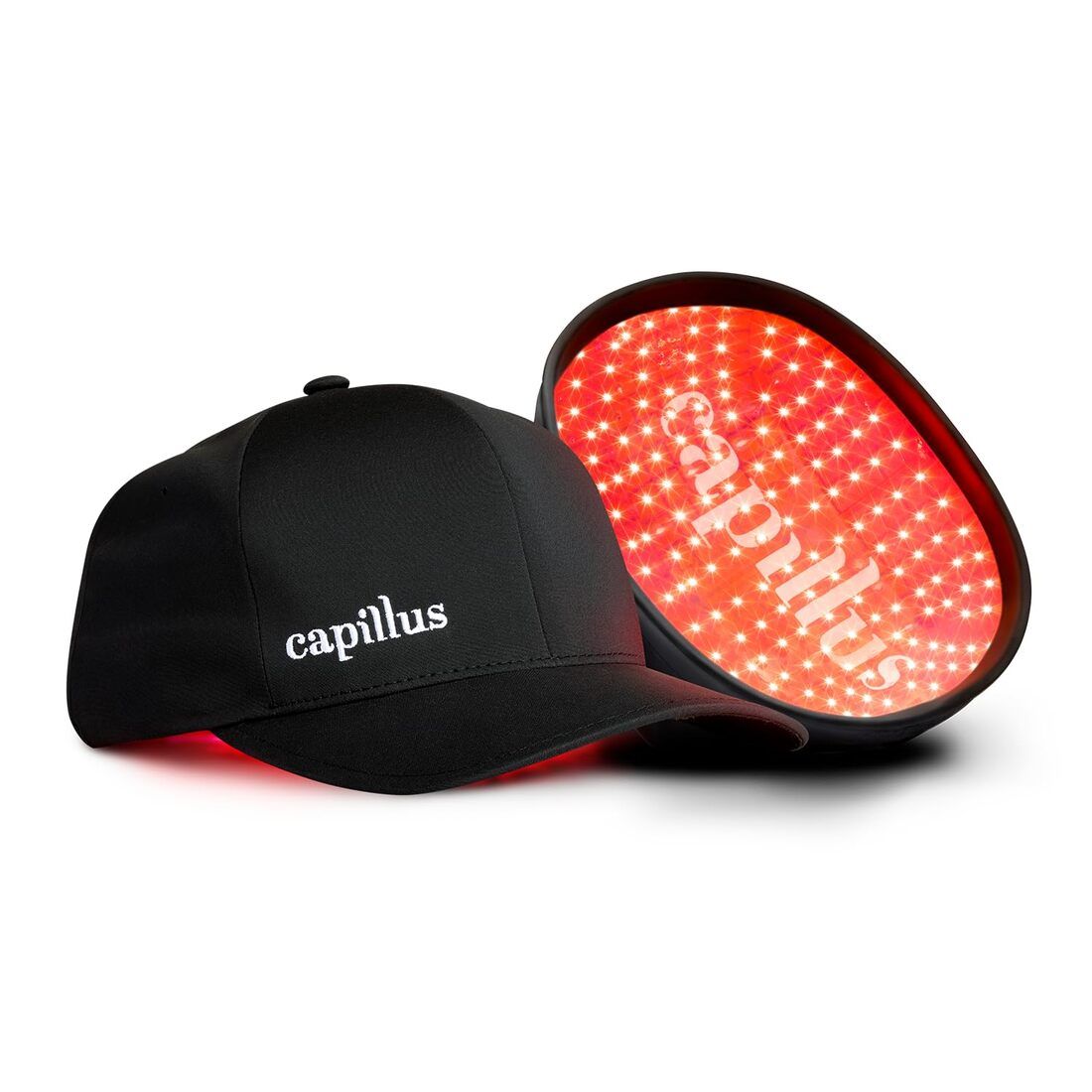 |
Overview: Known for its wide range of laser diodes and solid reputation. Key Features:
|
4. HairMax (LaserBand & Laser Cap)
 |
Overview: One of the earliest pioneers of LLLT for hair growth. Key Features:
|
5. Theradome
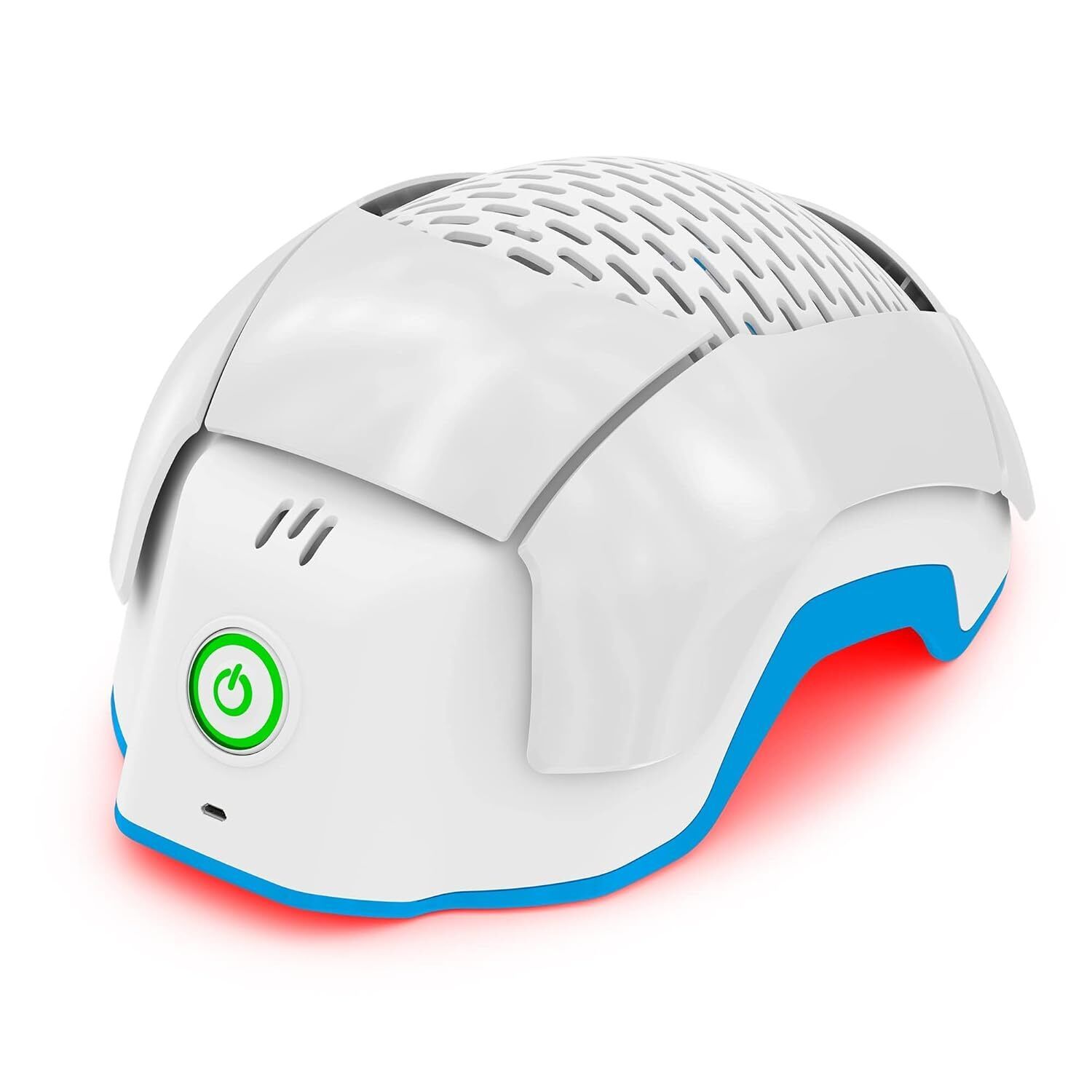 |
Overview: A helmet-style device with a futuristic look and strong brand identity. Key Features:
|
6. RegrowMD
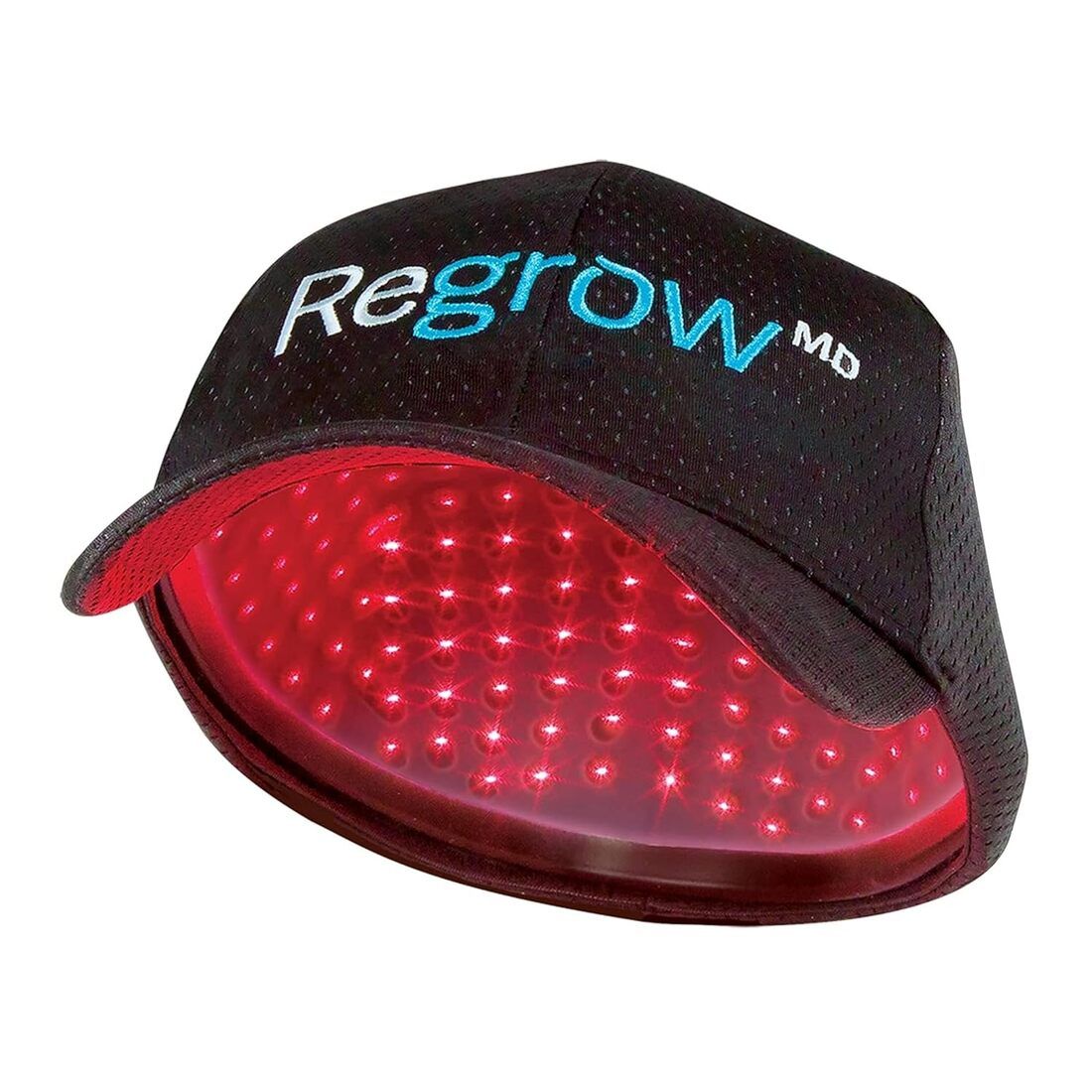 |
Overview: Offers high diode counts for comprehensive coverage. Key Features:
|
7. Illumiflow
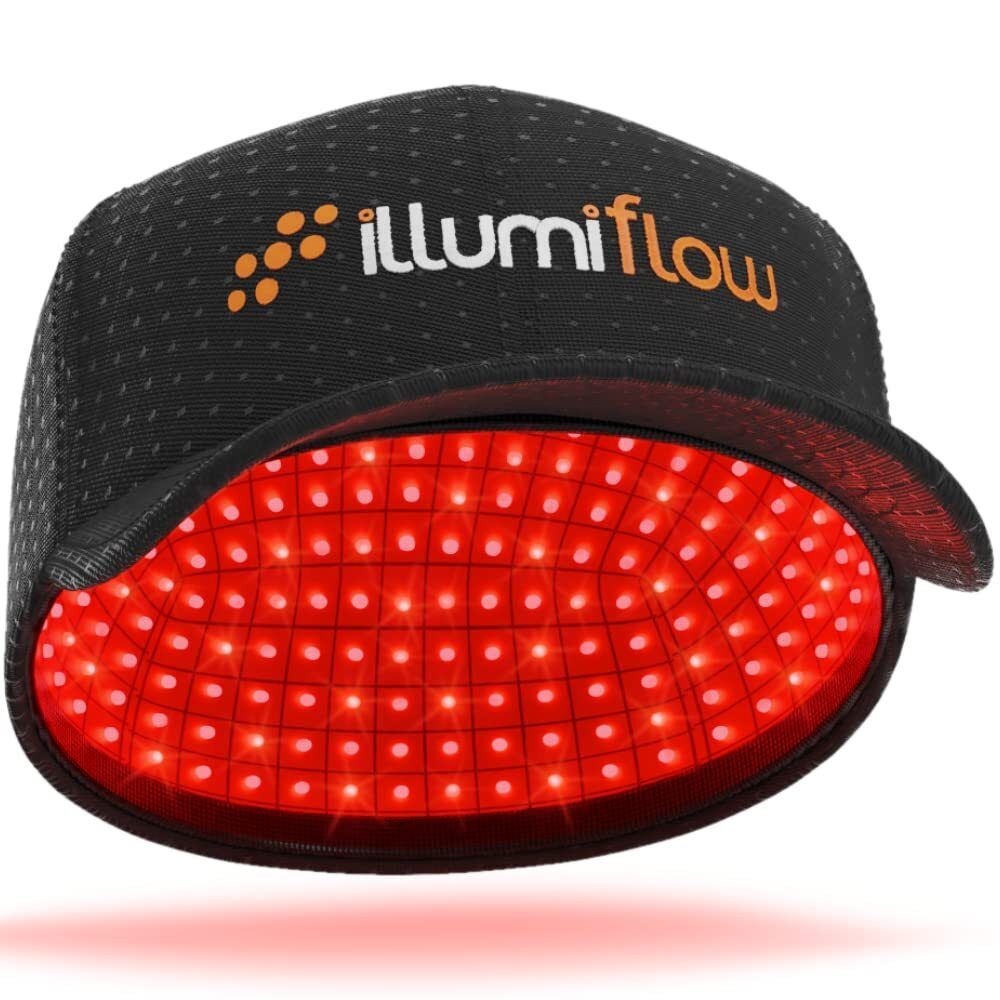 |
Overview: Focuses on affordability with higher laser diode counts. Key Features:
|
What to Consider When Choosing a Laser Cap
1. Laser Diode Count and Coverage
The number of diodes can be a proxy for coverage and intensity. More diodes often translate to better overall coverage, ensuring all critical scalp areas are treated. However, it’s not just quantity; quality matters, too. Because of their focused beams, laser diodes are more effective than LEDs.
2. Treatment Time and Convenience
Consistent use is critical for seeing results. Caps requiring short sessions (like 6 minutes daily) may be easier to incorporate into a busy schedule than ones needing 20–30 minutes every other day.
3. Comfort and Design
- Helmet vs. Cap: Helmet designs can feel bulkier but may offer better cooling or more secure padding. Cap designs are more discrete but can run tight for larger head sizes.
- Breathability: Devices with ventilation features help reduce heat buildup on the scalp.
4. Brand Reputation and Warranty
Choose a brand with FDA clearance, transparent clinical testing, and a solid return policy. A good warranty indicates that the manufacturer stands behind the device’s quality.
5. Price vs. Value
Laser caps can range from $500 to $3,000. Higher-priced options often have more diodes, advanced designs, or stronger customer support. However, mid-range or budget devices can still be effective with sufficient diode coverage and positive user feedback.
Please accept cookies to access this content
Expert Tips for Maximizing Results
Combine Laser Therapy with Other Treatments
Many dermatologists and trichologists recommend a multimodal approach to hair loss. Consider pairing your laser cap usage with:
- Topical Minoxidil (Rogaine): Widely studied for stimulating hair follicles.
- Prescription Medications (Finasteride): Helps reduce DHT, a key factor in androgenetic alopecia.
- Hair-Friendly Shampoos: Formulated with DHT blockers like ketoconazole or saw palmetto.
Always consult your healthcare provider to ensure the combination is right for you.
Establish a Consistent Routine
- Frequency of Use: Follow manufacturer guidelines (e.g., 3x per week, 6 minutes per session).
- Progress Tracking: Take monthly photos to visually document changes in hair thickness and coverage.
Optimize Your Lifestyle
- Nutrition: Ensure adequate protein, iron, and vitamins (such as vitamin D and biotin).
- Stress Management: Chronic stress can exacerbate hair loss (try meditation, exercise, or therapy).
- Scalp Care: Gentle scalp massages and avoiding harsh chemicals can help maintain a healthy environment for hair growth.
Proper Device Maintenance
- Cleaning: Wipe your cap or helmet with a soft cloth to remove sweat and oils.
- Storage: Keep the device in a dry environment to protect the laser diodes.
- Battery Care: Follow guidelines for charging and storing batteries, especially when traveling.
Frequently Asked Questions
1. What does “FDA-cleared” really mean?
It means the device has passed the 510(k) process, proving it’s substantially equivalent to an already-marketed device. This ensures the laser cap is safe and effective for its intended use.
2. Are laser caps effective for advanced hair loss?
LLLT is typically most beneficial for mild to moderate hair thinning. However, results may be limited in advanced stages (e.g., extensive bald spots). Consult a hair specialist to determine the best approach.
3. Do laser caps have any side effects?
Most people experience minimal side effects, sometimes slight scalp warmth or mild irritation. Always follow the usage instructions and consult a doctor about any underlying scalp conditions.
4. How soon will I see the results?
Many users report visible improvement in 3 to 6 months, with optimal results around the 9 to 12-month mark. Consistency is crucial for success.
5. Can I use a laser cap while traveling?
Yes. Many devices come with portable battery packs or easily removable battery units. Check TSA regulations for spare lithium-ion batteries when flying.
Additional Resources & References
- Lueangarun S, Visutjindaporn P, Parcharoen Y, Jamparuang P, Tempark T. A Systematic Review and Meta-analysis of Randomized Controlled Trials of United States Food and Drug Administration-Approved, Home-use, Low-Level Light/Laser Therapy Devices for Pattern Hair Loss: Device Design and Technology. J Clin Aesthet Dermatol. 2021 Nov;14(11):E64-E75. PMID: 34980962; PMCID: PMC8675345.
- Pillai JK, Mysore V. Role of Low-Level Light Therapy (LLLT) in Androgenetic Alopecia. J Cutan Aesthet Surg. 2021 Oct-Dec;14(4):385-391. doi: 10.4103/JCAS.JCAS_218_20. PMID: 35283601; PMCID: PMC8906269.
- FDA’s 510(k) Database: Access the FDA 510(k) Database
- American Journal of Clinical Dermatology (2017) – Various studies on LLLT’s impact on hair regrowth.
- International Society of Hair Restoration Surgery (ISHRS): https://ishrs.org
Disclaimer: This content is for informational purposes only and does not substitute professional medical advice. Always consult a qualified healthcare provider for personalized guidance on treating hair loss.