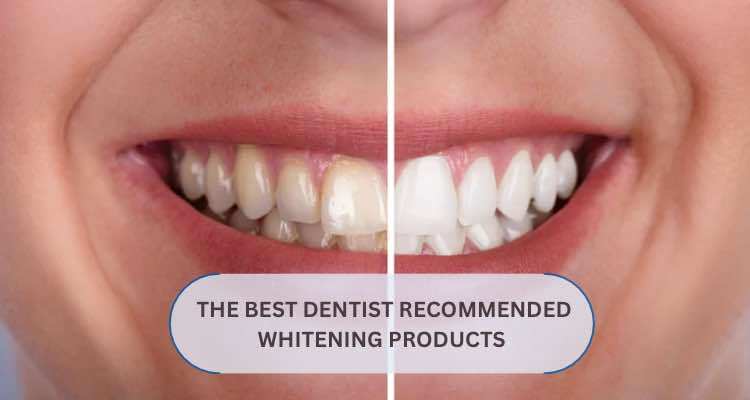
A bright, stain-free smile boosts confidence and signals excellent oral health. Yet among the hundreds of kits, strips, and pastes on the market, only a handful carry the American Dental Association (ADA) Seal of Acceptance and the enthusiastic support of practicing dentists. This guide explains why that seal matters, how whitening works, and showcases the five best ADA-approved products you can safely use at home this year.
Why Dentists Recommend Teeth-Whitening
- Evidence-based results — Peroxide formulas lighten teeth up to eight shades within two weeks.
- Professional synergy — At-home ADA kits preserve brightness between in-office treatments, saving chair time and cost.
- Motivation boost — Whiter teeth often inspire better brushing and flossing habits, lowering cavities and gum-disease risk.
- Confidence lift — A brighter smile measurably improves self-esteem and first impressions.
The ADA Seal: Your Shortcut to Safety and Efficacy
Only products that submit rigorous clinical data and manufacturing-quality evidence earn the Seal for a five-year term. An ADA-accepted whitener is proven to:
- Whiten natural tooth structure without harming enamel
- Keep sensitivity within accepted limits
- List every active ingredient and clear usage warnings
Choosing the Right Format:
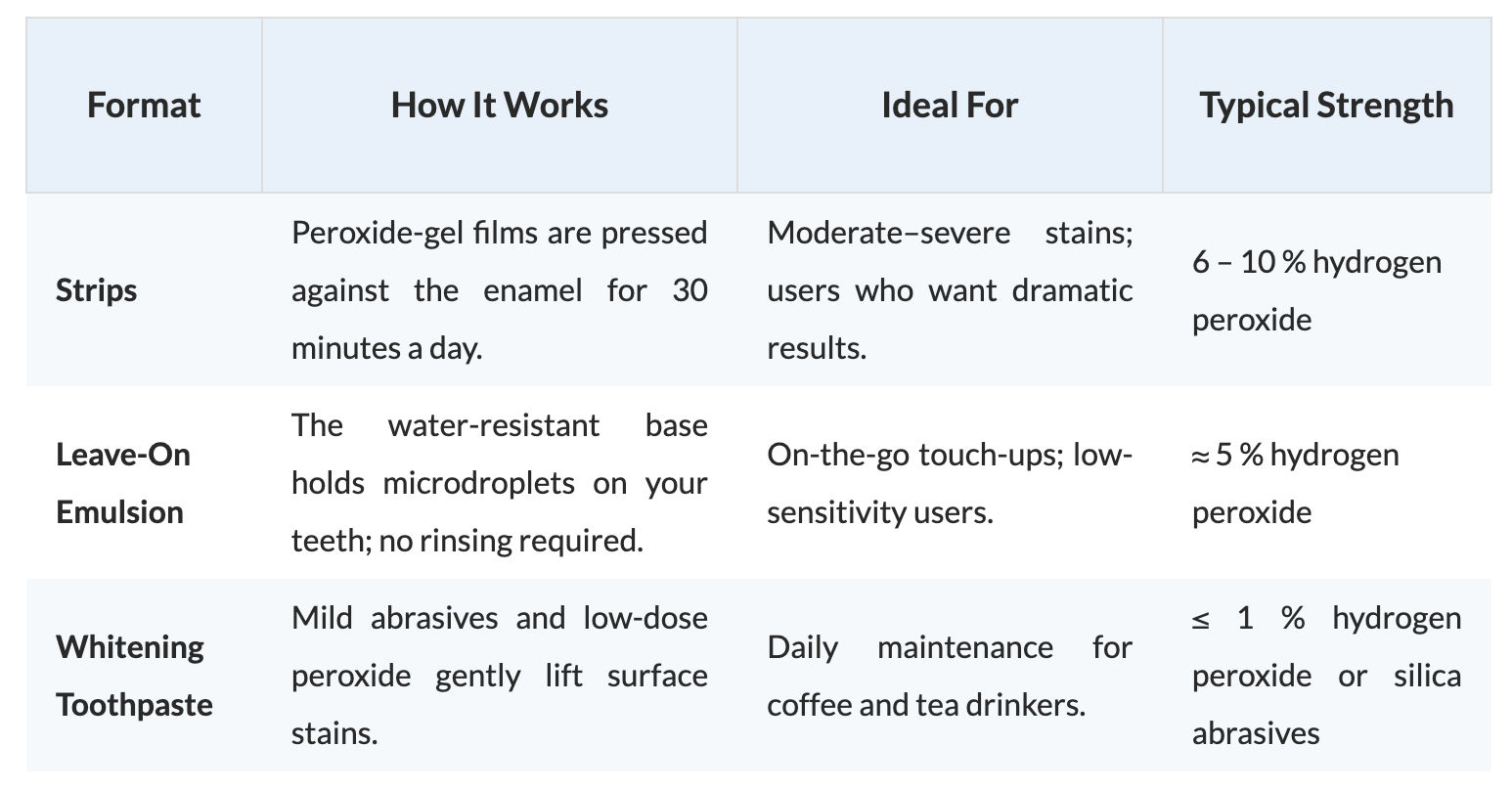
Top ADA-Approved Whitening Products Dentists Trust
1. (Best Overall Strip) Crest 3D White Whitestrips — Glamorous White
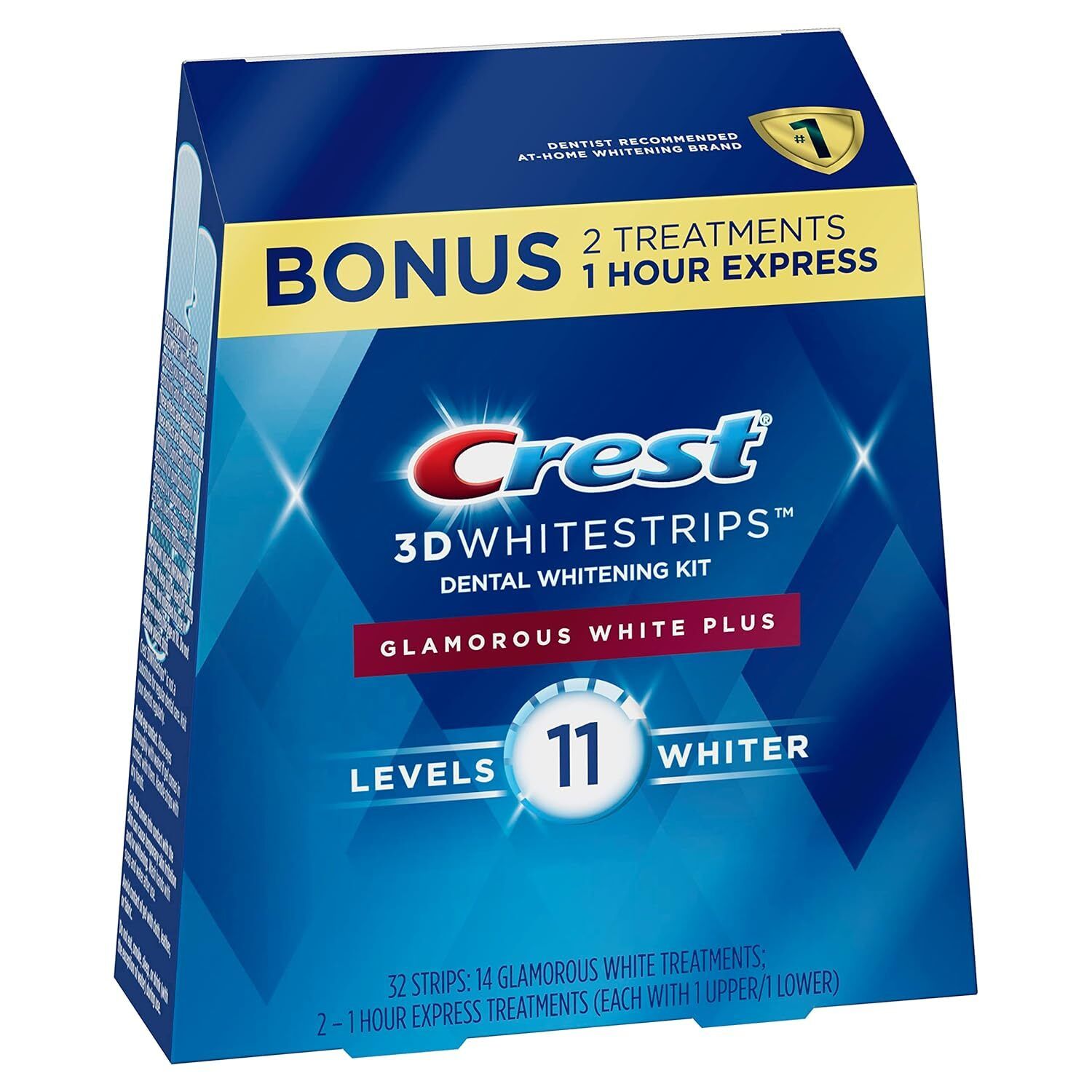 |
|
2. Crest 3D White Whitestrips — Gentle Routine (Best for Sensitivity)
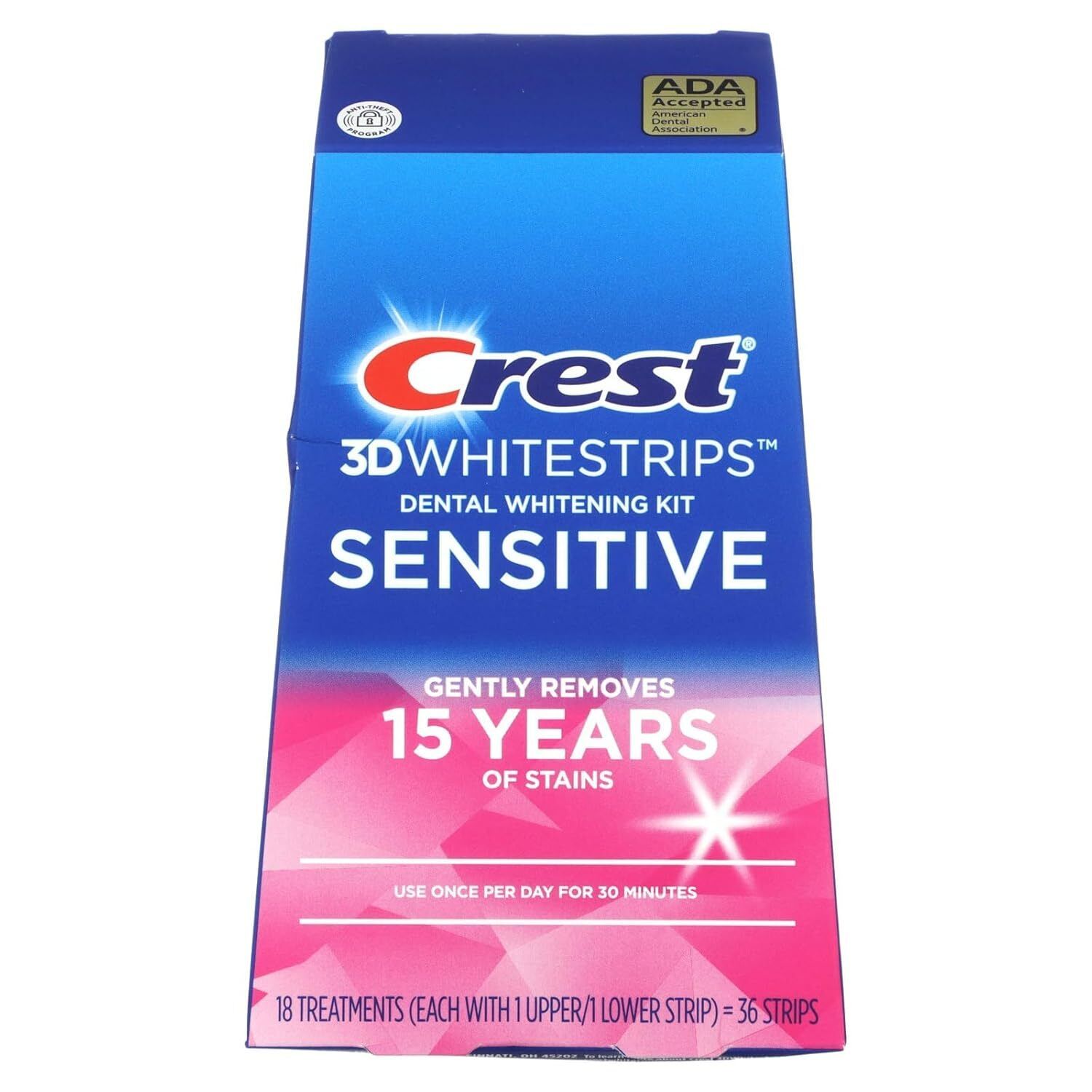 |
|
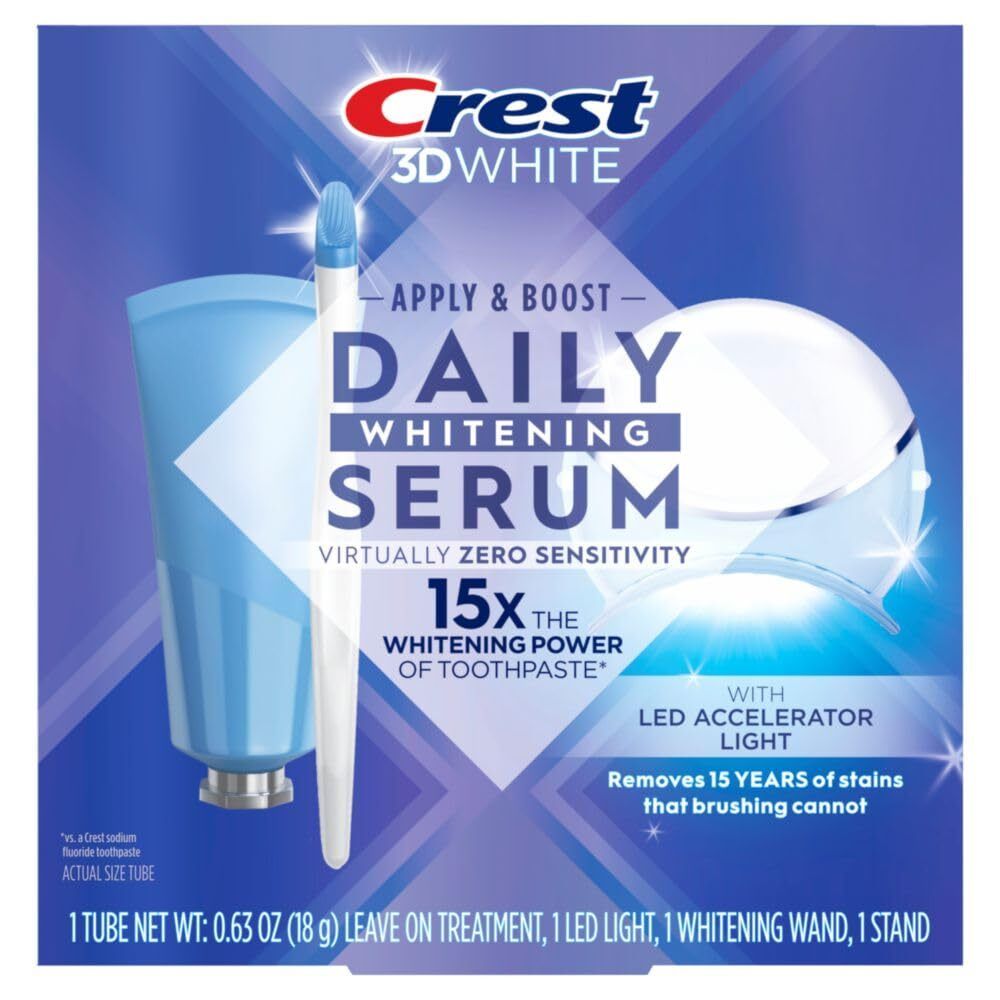
3. Crest Whitening Emulsions Leave-On Treatment (Best On-the-Go Whitener)
 |
|
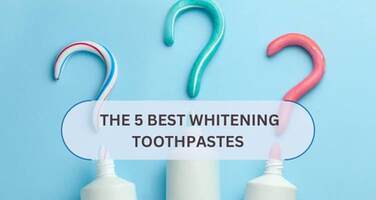
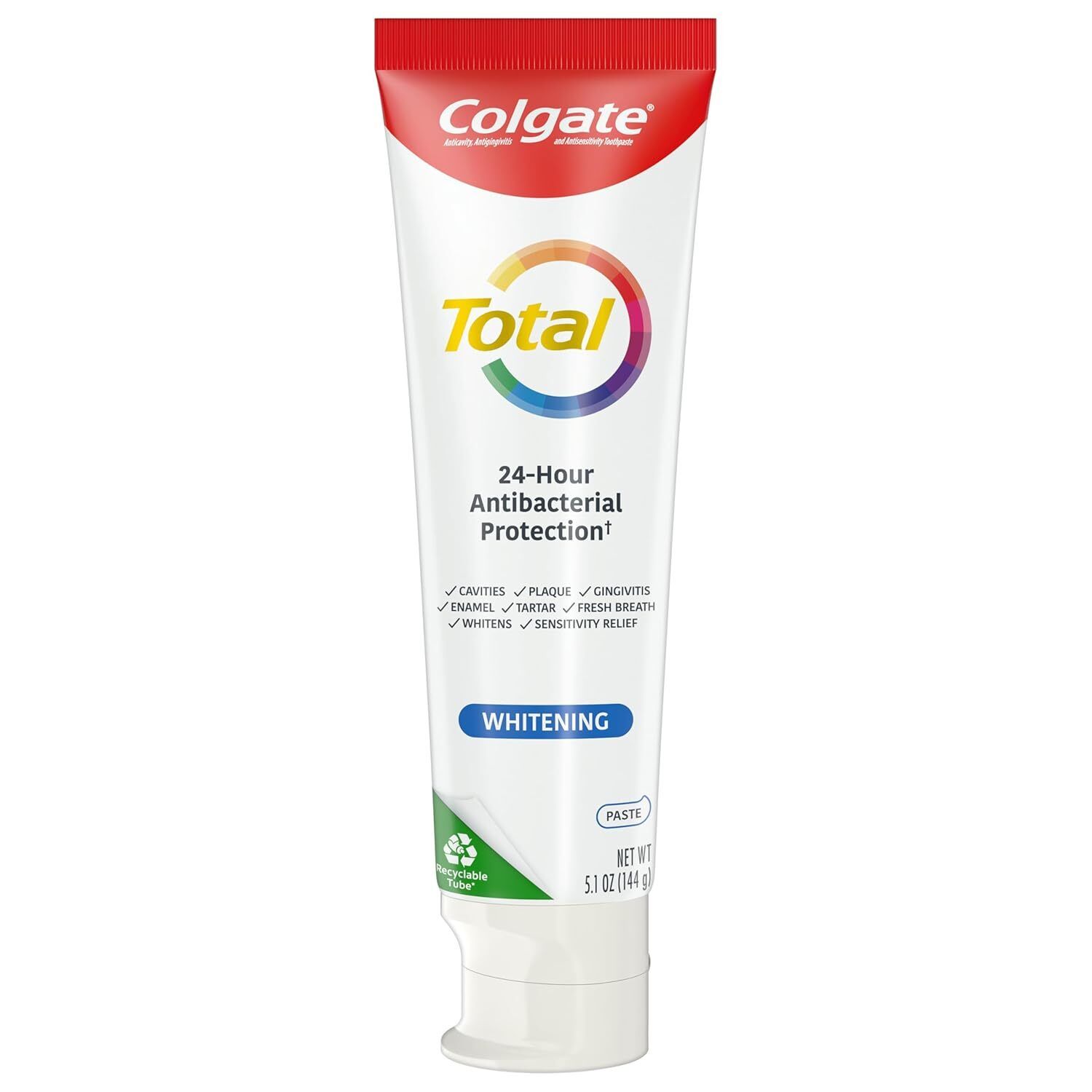
4. Colgate Total SF Advanced Whitening Toothpaste (Best Daily Stain-Lifter)
 |
|
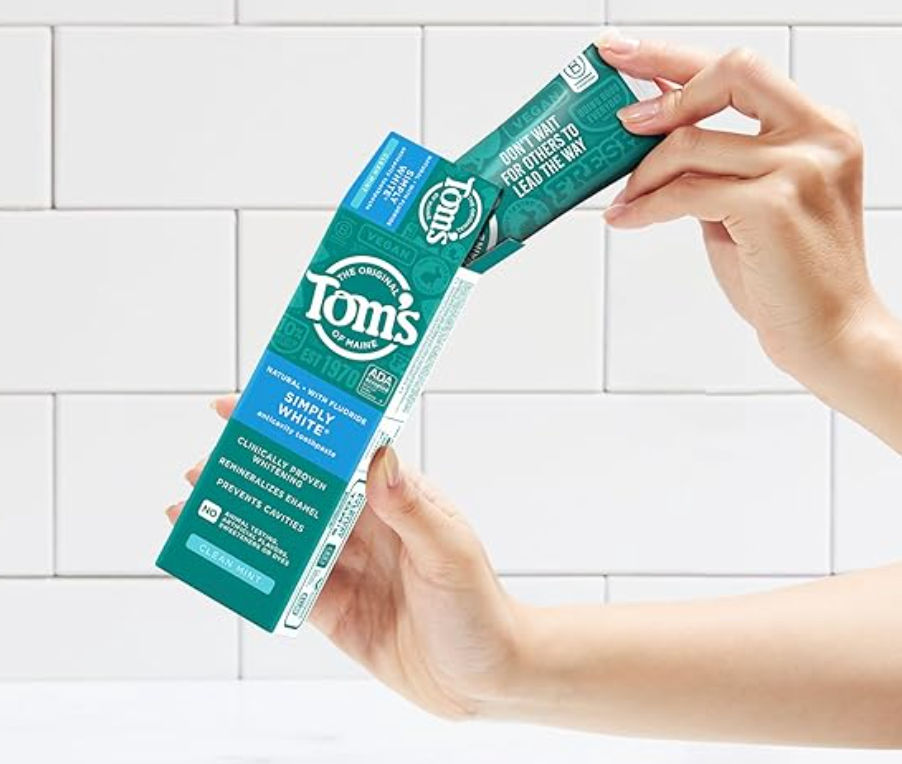
5. Tom's of Maine Simply White Toothpaste (Best Natural-Flavor Paste)
 |
|
Pro Tips for Safe, Brilliant Results
- Get a pro cleaning first — tartar blocks whitening gel.
- Respect wear times — overuse heightens sensitivity without extra benefit.
- Avoid dark food & smoke during treatment; enamel is more porous.
- Pre-desensitize with potassium nitrate toothpaste two weeks beforehand.
- Note restorations — crowns, veneers, and fillings will not whiten.
Frequently Asked Questions
How long will the results last?
Typically, 6–12 months with good hygiene; touch-up strips every three months prolong brightness.
Are ADA-approved products safe for enamel?
Yes. Clinical data show no measurable enamel loss when used as directed. Can I whiten if I have cavities or gum disease? Active dental issues should be treated first. Always get clearance from your dentist.
Will whitening change crowns or veneers?
No. Only natural enamel whitens. Restorations may need to be replaced if they no longer match.
Is in-office whitening better?
Chairside gels give one-visit results but cost more; ADA strips achieve similar shade change over two weeks.
Conclusion
Opting for a dentist-recommended product that bears the ADA Seal removes the guesswork from teeth whitening. Whether you choose powerhouse strips, a subtle leave-on emulsion, or a daily whitening toothpaste, each option above is clinically proven to brighten safely. Pair your selection with diligent brushing, flossing, and professional check-ups, and your smile will stay camera-ready long past 2026.
Disclaimer: The information in this article is for educational purposes only and is not a substitute for professional dental advice, diagnosis, or treatment. Product details—especially ADA Seal status—are accurate to the best of our knowledge on February 21 2025. Formulas can change, causing a brand to gain or lose the Seal. For the most current approval list, visit ada.org before purchasing. Always consult your dentist or another qualified oral health professional about your individual needs.