Choosing a mouthwash that dentists recommend and that carries the ADA Seal of Acceptance can significantly boost your oral-hygiene routine. These rinses have proven safety and effectiveness, targeting specific needs like cavity prevention, gum health, and fresh breath. Below you'll find why ADA approval matters, how mouthwash supports oral health, and the five best ADA-approved mouthwashes dentists are recommending this year.
Why ADA-Approved, Dentist-Recommended Mouthwash Matters
- Proven efficacy: Each product has passed rigorous clinical testing for safety and effectiveness.
- Safety assurance: ADA-accepted mouthwashes are confirmed safe for daily use when used as directed.
- Professional trust: Dentists recommend these products because the science supports them.
Why Dentists Recommend Mouthwash
Used alongside brushing and flossing, mouthwash can:
- Reduce plaque and gingivitis
- Help prevent cavities via fluoride delivery
- Freshen breath by killing odor-causing bacteria
- Slow tartar formation and soothe gums
- Address specialized needs such as dry mouth or orthodontic care
The ADA Seal of Acceptance: What It Means
The ADA Seal is awarded only to products that meet stringent scientific criteria. It is granted for a five-year period and must be renewed if formulas change, ensuring ongoing quality and performance.
Top ADA-Approved Mouthwashes Dentists Recommend
1. Listerine Antiseptic Mouthwash (Cool Mint / Ultraclean)
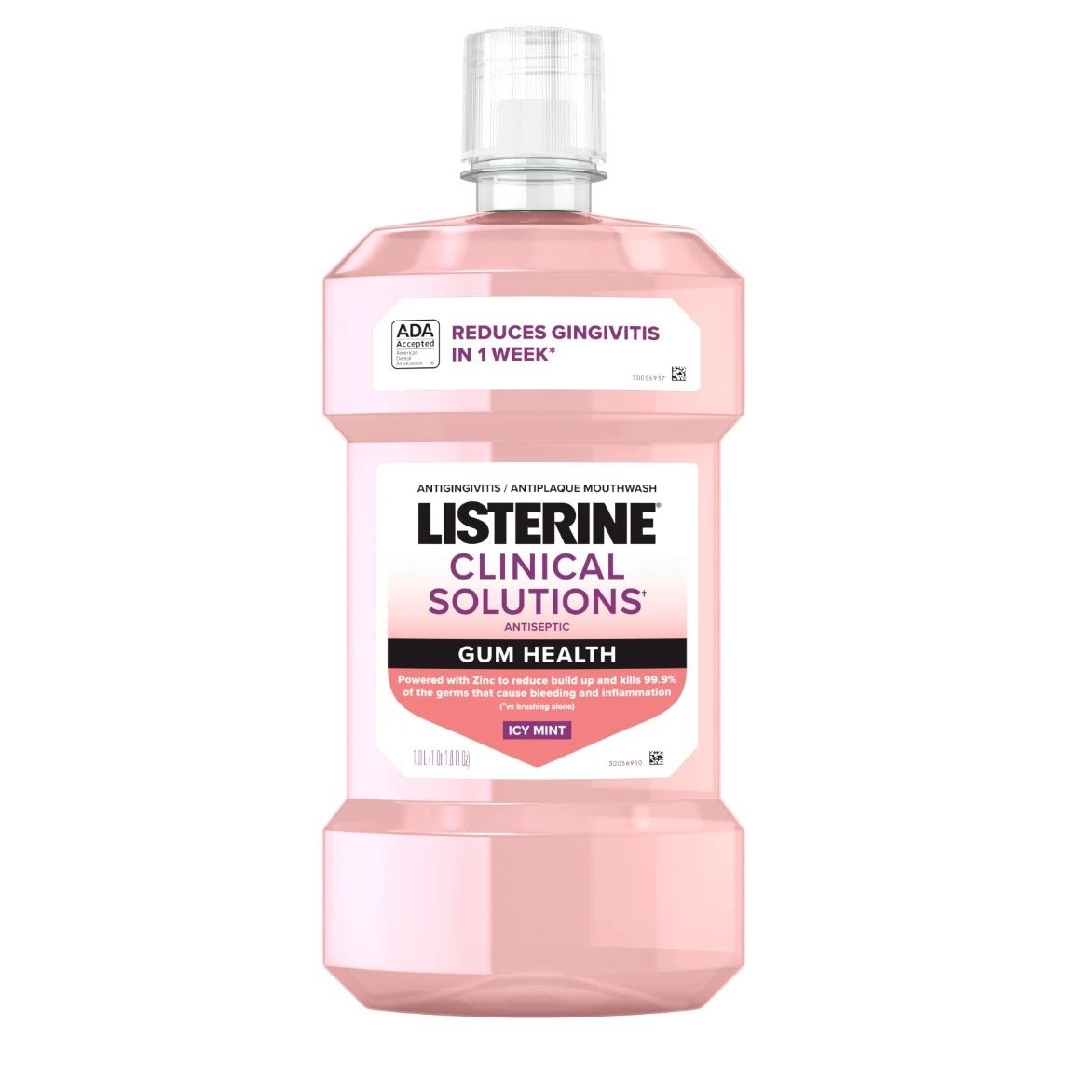 |
|
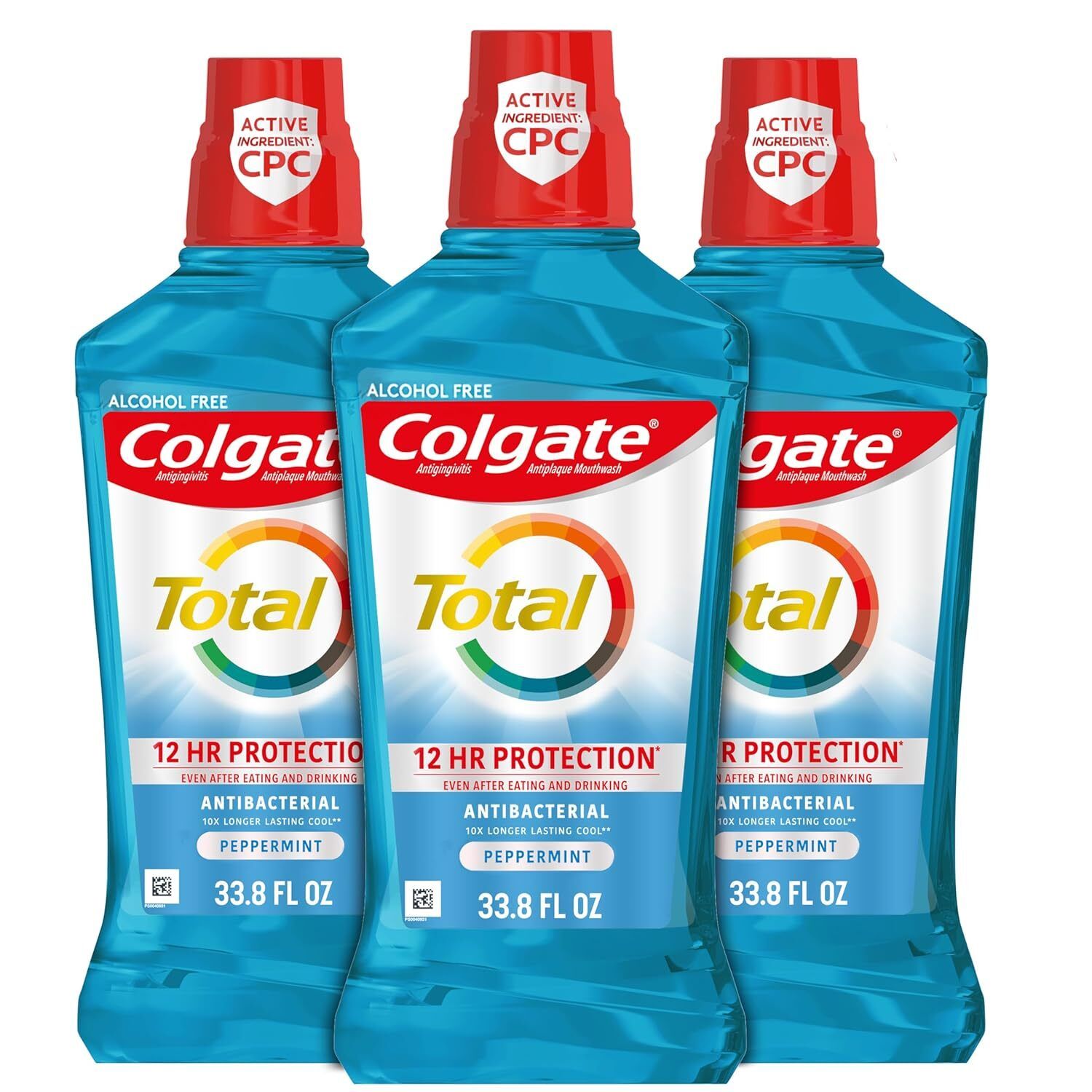
2. Colgate Total Active Prevention Mouthwash (Alcohol-Free)
 |
|
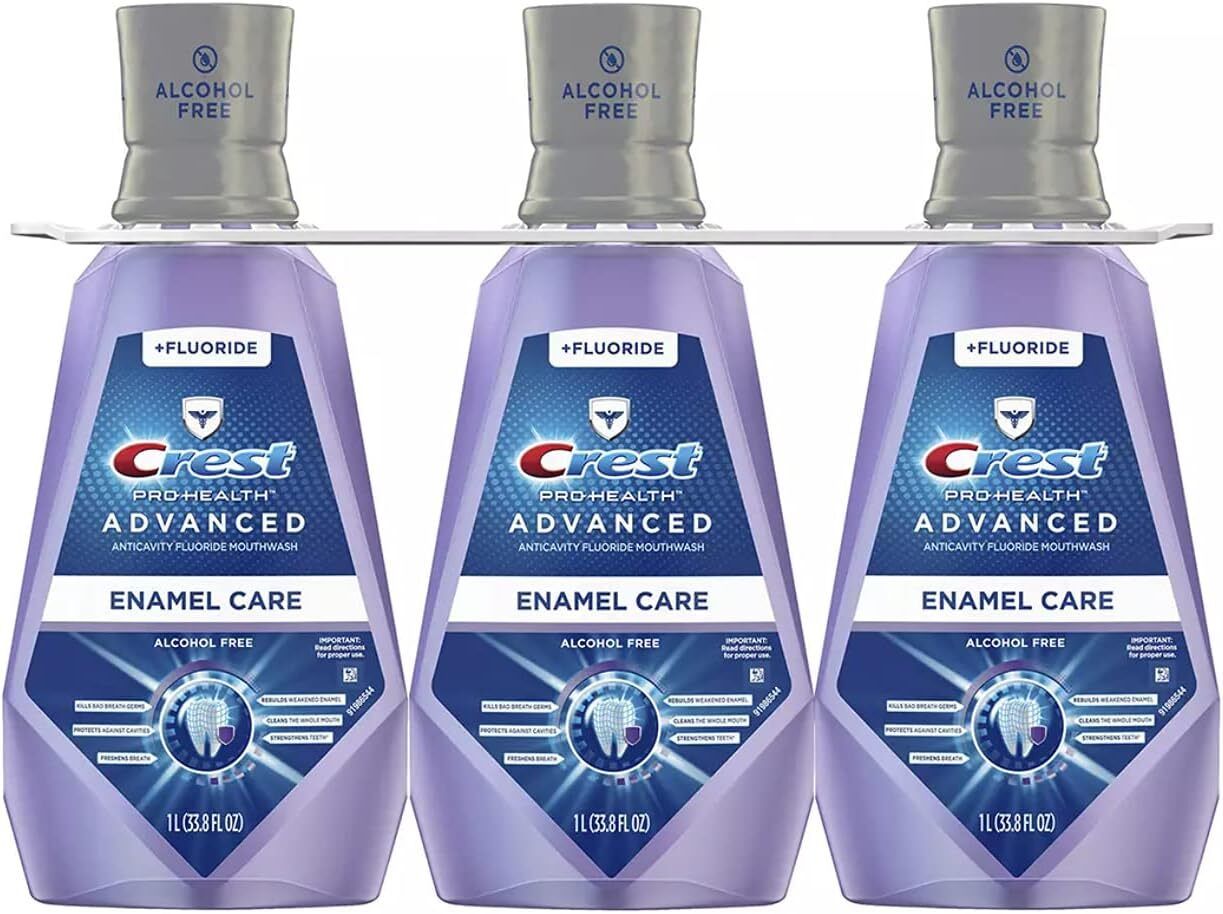
3. Crest Pro-Health Advanced Mouthwash (Multi-Protection)
 |
|
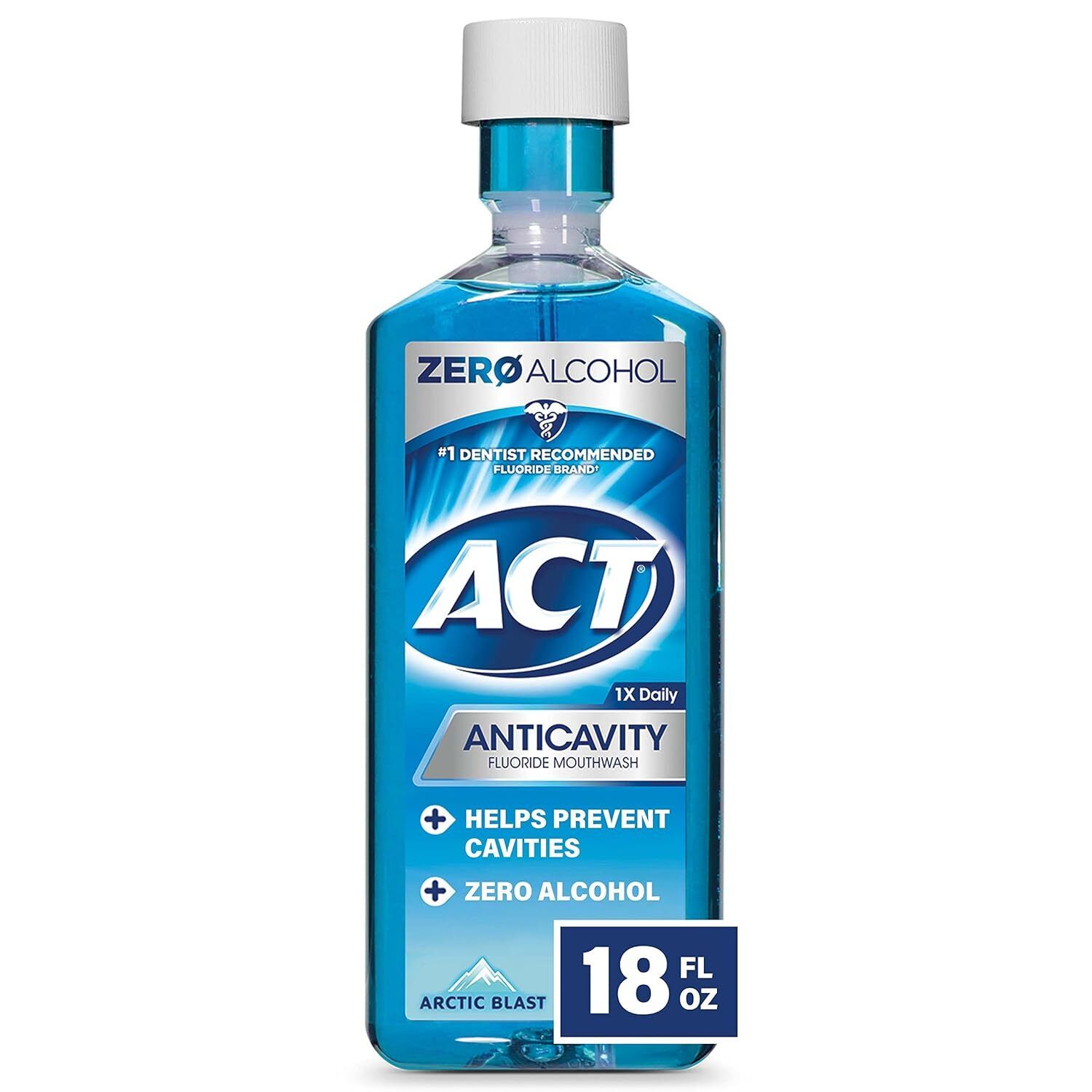
4. ACT Anticavity Fluoride Mouthwash (Total Care)
 |
|
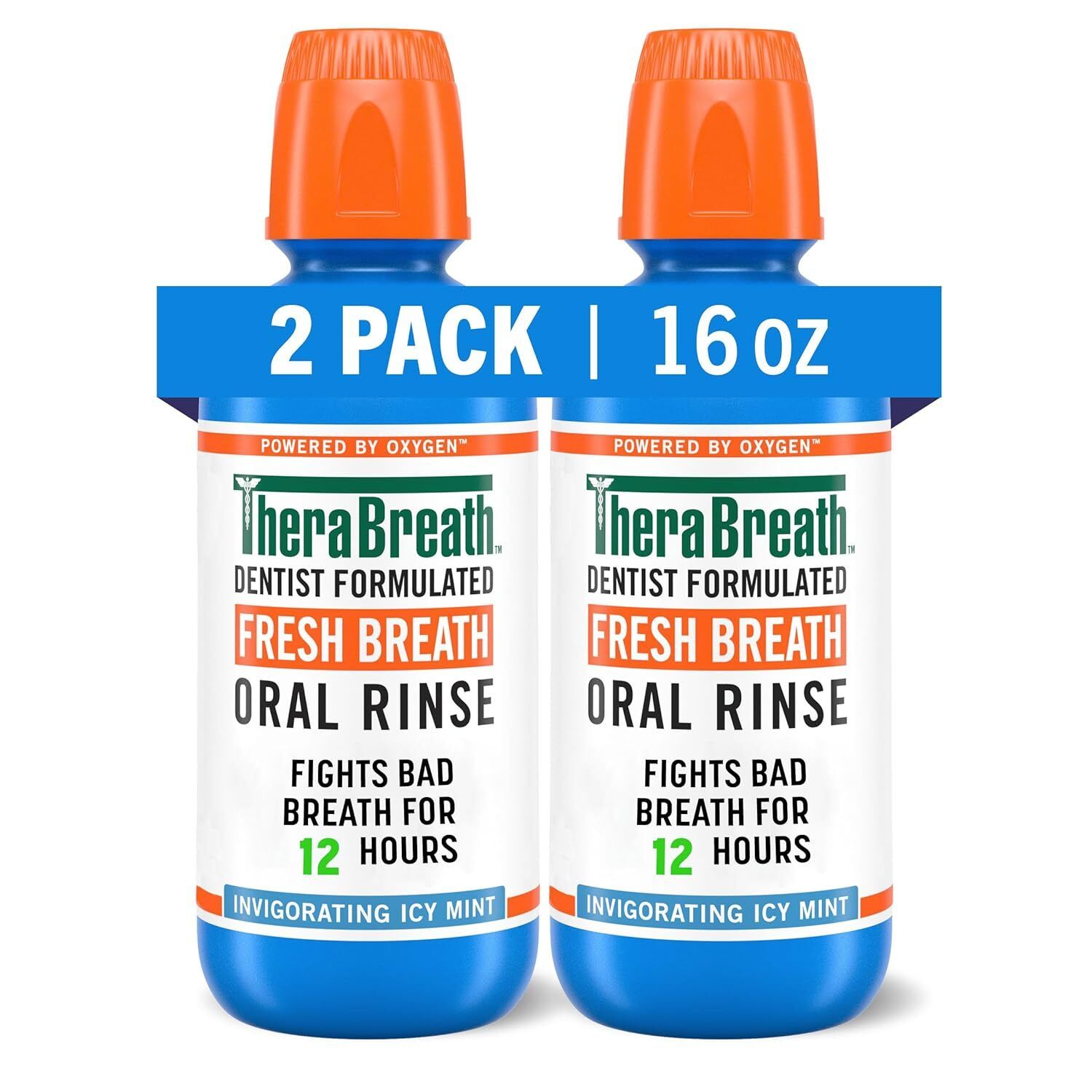
5. TheraBreath Fresh Breath Oral Rinse (Mild Mint)
 |
|
Related: Best Mouthwash For Bad Breath
Tips for Using Mouthwash Effectively
- Measure the exact dose—usually 10–20 mL; never dilute.
- Swish vigorously for 30–60 seconds, then spit—no water rinse afterward.
- Use twice daily after brushing and flossing; wait 30 minutes before eating if it’s a fluoride rinse.
- Store out of reach of children and supervise anyone under 12.
Frequently Asked Questions
How often should I use mouthwash?
Most ADA-approved rinses are designed for use twice a day—morning and night—after brushing and flossing.
Is alcohol-free mouthwash better?
Both alcohol and alcohol-free formulas are effective. Alcohol-free rinses are gentler and better for dry-mouth or sensitivity, while alcohol versions can give a stronger “clean” feel.
Can mouthwash replace brushing or flossing?
No. Mouthwash is a supplement. Brushing removes plaque from surfaces, flossing cleans between teeth, and rinsing reduces remaining bacteria.
Which ADA-approved rinse is best for bad breath?
TheraBreath Fresh Breath Oral Rinse is specifically ADA-accepted for reducing halitosis, making it a top choice for chronic bad-breath sufferers.
Are ADA-approved mouthwashes safe for kids?
Yes—once children are at least six and can reliably spit. Always choose a child-friendly formula and supervise to prevent swallowing.
Conclusion
Selecting an ADA-approved, dentist-recommended mouthwash is a simple way to elevate your daily oral-care routine. Whether your priority is cavity prevention, gum health, or 24-hour fresh breath, the five rinses above are proven, trusted, and ready to help you achieve a healthier smile in 2026 and beyond. Happy swishing!
Disclaimer: The information provided in this article is for educational purposes only and should not replace professional dental advice. Always consult your dentist for personalized recommendations.