

Dark chocolate isn't just a delicious treat; it also offers a range of health benefits, from enhancing mood to supporting heart health. Known for its rich flavor and high antioxidant content, dark chocolate is a favorite among chocolate lovers and health enthusiasts alike. However, recent findings have highlighted concerns about the presence of heavy metals like lead and cadmium in some dark chocolate brands. Being informed allows you to enjoy dark chocolate safely. Below, we explore the best dark chocolates available, recommended by chocolatiers and nutrition experts for their taste, quality ingredients, nutritional benefits, and lower levels of heavy metals.
Why Choose Dark Chocolate?
Dark chocolate contains higher cocoa content and less sugar than milk chocolate, making it a healthier option. It is packed with powerful antioxidants like flavonoids that help protect your body from free radicals, reduce inflammation, and improve heart health. Choosing the right dark chocolate allows you to indulge guilt-free while enjoying its numerous benefits. Whether you're looking for a snack, a dessert, or a health boost, dark chocolate is a versatile and delicious choice.
However, it's important to be aware that some dark chocolates may contain trace amounts of heavy metals like lead and cadmium. Being informed can help you choose brands that prioritize both health and safety.
Understanding Lead and Cadmium in Dark Chocolate
Recent research, including a report by Consumer Reports, has highlighted concerns about the presence of heavy metals—specifically lead and cadmium—in some dark chocolate products. These heavy metals can pose health risks if consumed in large amounts over time.
- Cadmium is absorbed by cacao plants from the soil and accumulates in the cocoa beans.
- Lead contamination often occurs during post-harvest processing, such as drying and shipping.
Health Implications
Long-term exposure to lead and cadmium can lead to various health issues, including kidney damage, weakened bones, and developmental problems in children. Therefore, it's crucial to choose dark chocolate brands that have lower levels of these heavy metals.
When Should You Eat Dark Chocolate?
Dark chocolate is perfect for any time of day, whether you need a quick energy boost, a mood enhancer, or a satisfying dessert. Consuming a small piece after meals can help curb sugar cravings and promote satiety. It's also ideal for pre- or post-workout snacks, thanks to its magnesium content, which helps in muscle function and recovery. However, moderation is key—not just for calorie control but also to minimize exposure to any potential heavy metals. Enjoy dark chocolate as part of a balanced diet to reap its full benefits while minimizing risks.
What Makes a Good Dark Chocolate?
When selecting dark chocolate, consider the following features:
- Low Levels of Heavy Metals: Opt for brands that have been tested and found to have minimal lead and cadmium content.
- High Cocoa Content: Look for chocolates with at least 70% cocoa to maximize health benefits.
- Low Sugar and Additives: Choose options with minimal added sugars and no artificial ingredients.
- Ethical Sourcing: Opt for brands prioritizing fair trade and sustainable cocoa farming practices.
- Rich Flavor Profile: Good dark chocolate should have a balanced, complex flavor, often with notes of fruit, nuts, or spices.
- Smooth Texture: High-quality dark chocolate should melt smoothly in your mouth without a gritty or waxy feel.
Recommended Dark Chocolates
Below are some dark chocolates that not only delight your taste buds but have also been reported to have lower levels of heavy metals:
1. Best Overall:
Mast Organic Dark Chocolate 80% Cocoa
 |
|
2. Best for Heart Health:
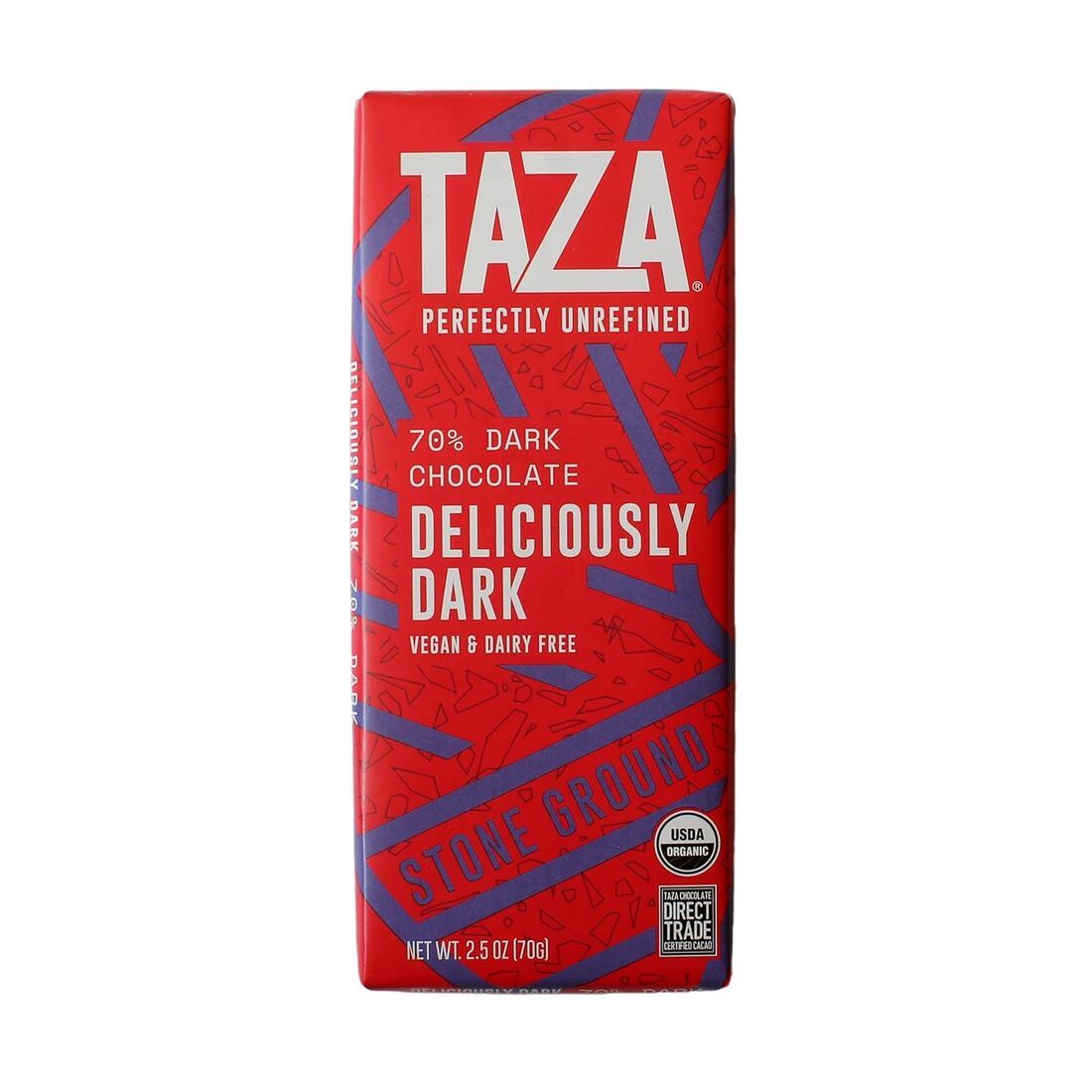
Taza Chocolate Organic Deliciously Dark Chocolate 70% Cacao
 |
|
3. Best Value:
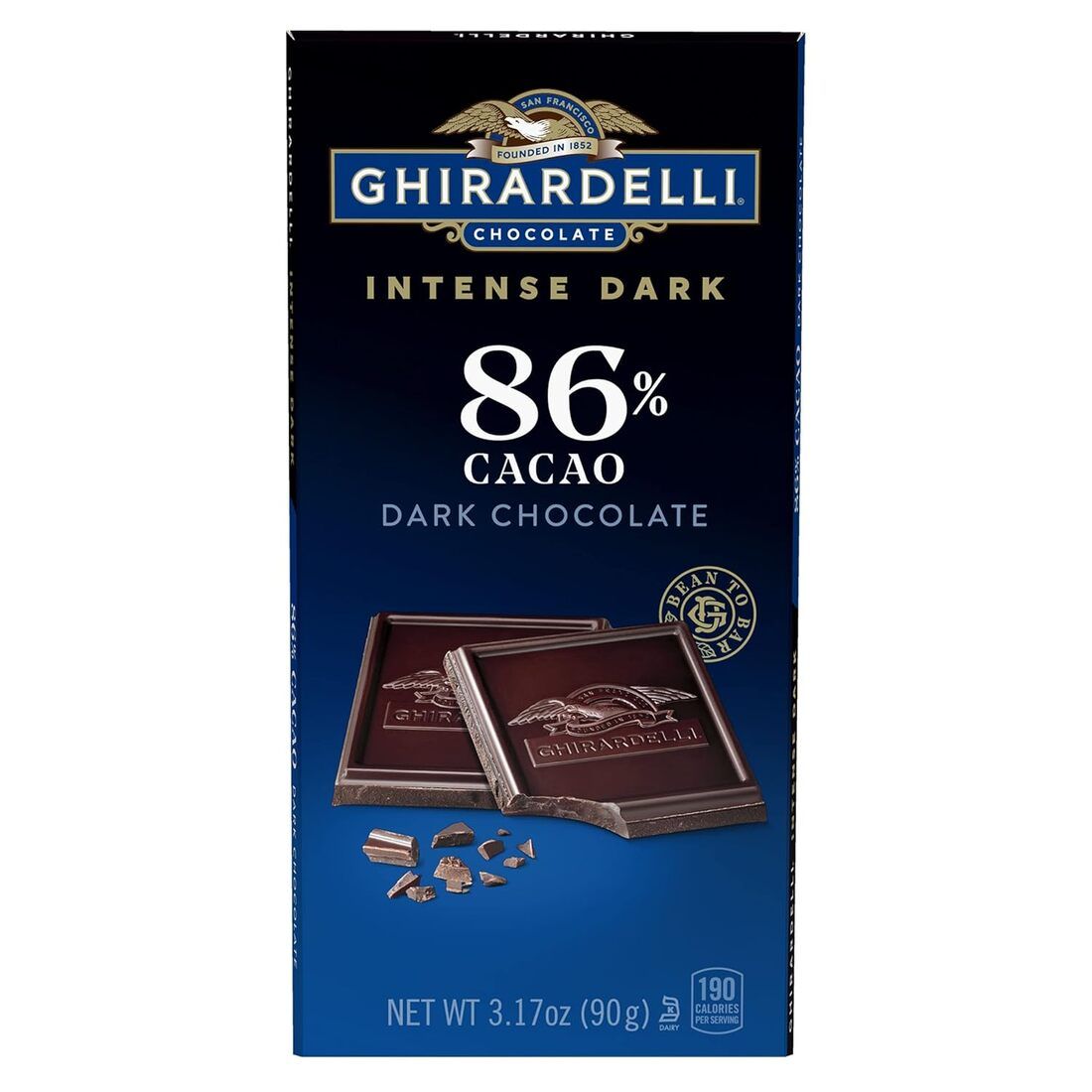
Ghirardelli Intense Dark Chocolate 86% Cacao
 |
|
4. Best for Antioxidant Power:
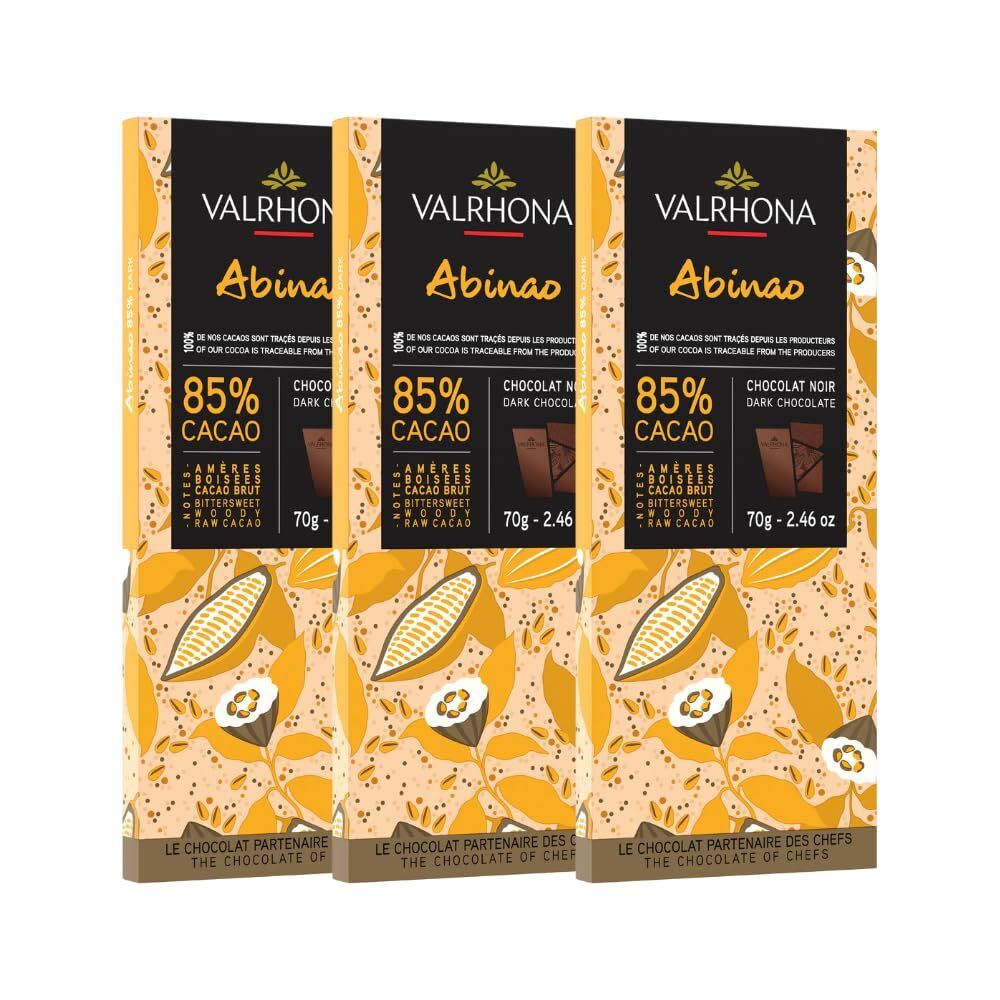
Valrhona Abinao Dark Chocolate 85% Cacao
 |
|
5. Best Organic Option:
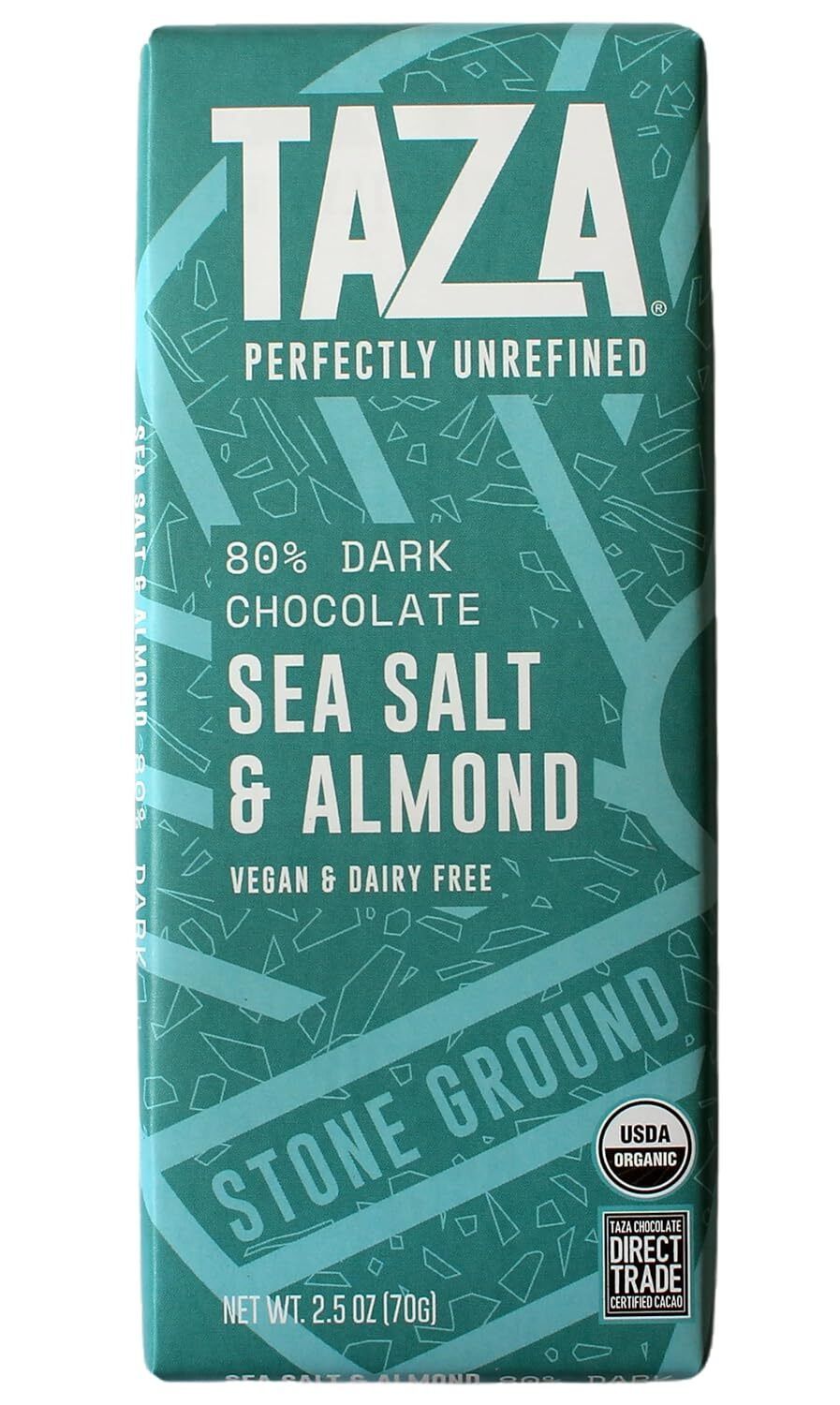
Taza Chocolate Organic Sea Salt & Almond Dark Chocolate
 |
|
Additional Tips for Choosing Dark Chocolate
- Check for Transparency: Look for brands that disclose their testing for heavy metals and are transparent about their sourcing and manufacturing processes.
- Read Labels Carefully: Check for high cocoa content, minimal ingredients, and no artificial additives.
- Store Properly: Keep dark chocolate in a cool, dry place to preserve its flavor and texture.
- Diversify Your Choices: Rotate between different brands and cocoa percentages to reduce the risk of accumulating heavy metals from a single source.
- Pair with Foods: Enjoy dark chocolate with fruits, nuts, or red wine to enhance its taste and health benefits.
- Stay Informed: Keep up-to-date with the latest research and consumer reports on dark chocolate safety.
Conclusion
Choosing the right dark chocolate allows you to indulge in a delicious treat while enjoying a range of health benefits. By being mindful of potential heavy metal exposure and selecting brands committed to quality and safety, you can enjoy dark chocolate as part of a balanced diet. Remember to consume it in moderation to maximize both flavor and nutrition while minimizing risks.
FAQs: Dark Chocolate
1. Is dark chocolate safe to eat given concerns about heavy metals?
Yes, dark chocolate can still be part of a healthy diet. Choose brands that have been tested for lower levels of lead and cadmium, and consume it in moderation.
2. How can I find out if my favorite dark chocolate is low in heavy metals?
Refer to reputable sources like Consumer Reports or check if the brand provides information about heavy metal testing and transparency in their sourcing and manufacturing processes.
3. Does higher cocoa content mean more heavy metals?
Not necessarily, but some studies suggest that higher cocoa percentages may correlate with increased levels of cadmium. Balancing cocoa content with safety is important—opt for chocolates that offer both high cocoa content and low heavy metal levels.
4. How much dark chocolate should I eat daily?
A small piece (about 1 ounce) a few times a week is sufficient to enjoy its health benefits without overindulging or increasing exposure to heavy metals.
5. Can I eat dark chocolate if I'm lactose intolerant?
Most dark chocolates with a high cocoa content (70% or more) are dairy-free, but always check the label to be sure. Also, verify if the brand tests for heavy metals to ensure safety.
Disclaimer: The information provided in this article is based on research available at the time of writing. Please consult health professionals or official sources for the most current information regarding heavy metal content in dark chocolate.






Share Your Opinion, Please