

Your beard should be a source of pride and confidence—not an itchy, flaky nuisance. Yet, beard dandruff is a common issue that many men face, often without realizing there are effective solutions available. In this comprehensive, expert-backed guide, we’ll walk you through the best beard shampoos for dandruff, tips on how to use them, and how to prevent dandruff from returning. With insights from dermatologists and real-world reviews, this article aims to help you achieve a dandruff-free, healthy, and luxurious beard.
Jump Ahead to:
- Beard Dandruff
- Top Causes of Beard Dandruff
- Key Ingredients to Look For
- Best Beard Shampoos for Dandruff: Expert Picks
- How to Use Beard Shampoo Properly
- Additional Tips to Prevent and Manage Beard Dandruff
- Frequently Asked Questions
- References
What is Beard Dandruff
Beard dandruff, also known as beardruff, is characterized by white or yellowish flakes that appear in your beard hair or on the skin beneath it. These flakes are often accompanied by itchiness and irritation. According to the American Academy of Dermatology (AAD), dandruff can occur on any area of the body where hair follicles are present, including the face.
While beard dandruff is similar to scalp dandruff, it has its unique set of challenges. Your facial skin tends to be more sensitive than your scalp, so it’s crucial to use targeted, gentle products formulated for the beard area.
Main Causes of Beard Dandruff
- Dry Skin: A lack of natural oils can cause the skin under your beard to dry out, leading to flaking.
- Malassezia Yeast Overgrowth: Similar to scalp dandruff, an overgrowth of the Malassezia yeast on facial skin can lead to irritation and flaking.
- Poor Grooming Habits: Infrequent washing or using harsh soaps can irritate the skin and strip away essential oils.
- Climate Factors: Cold, dry weather can worsen dryness, while hot, humid conditions can encourage yeast growth.
- Skin Conditions: Eczema, psoriasis, and seborrheic dermatitis are common skin conditions that can manifest as beard dandruff.
Key Ingredients to Look For
When searching for a beard shampoo to address dandruff, look for the following dermatologist-recommended active ingredients:
- Zinc Pyrithione (ZPT)
It helps reduce yeast overgrowth, soothes inflammation and redness, and is recommended by many dermatologists for its proven anti-dandruff properties. - Ketoconazole
A potent antifungal agent that targets Malassezia yeast to reduce flaking and irritation. Often found in medicated shampoos. - Salicylic Acid
Exfoliates and removes dead skin cells, unclogs pores, and minimizes scaling while reducing beard itchiness by calming the skin. - Tea Tree Oil
Natural antifungal and antibacterial properties help soothe irritation and maintain the skin’s moisture balance. Commonly found in more “organic” focused beard shampoos. - Aloe Vera & Other Natural Moisturizers
Hydrate and condition both the skin and hair, helping combat dryness and preventing further irritation.
Best Beard Shampoos for Dandruff: Expert Picks
Below are some of the best beard shampoos and washes for dandruff, recommended by U.S. dermatologists and grooming experts. Always read labels and consult a professional if you have severe or persistent beard dandruff.
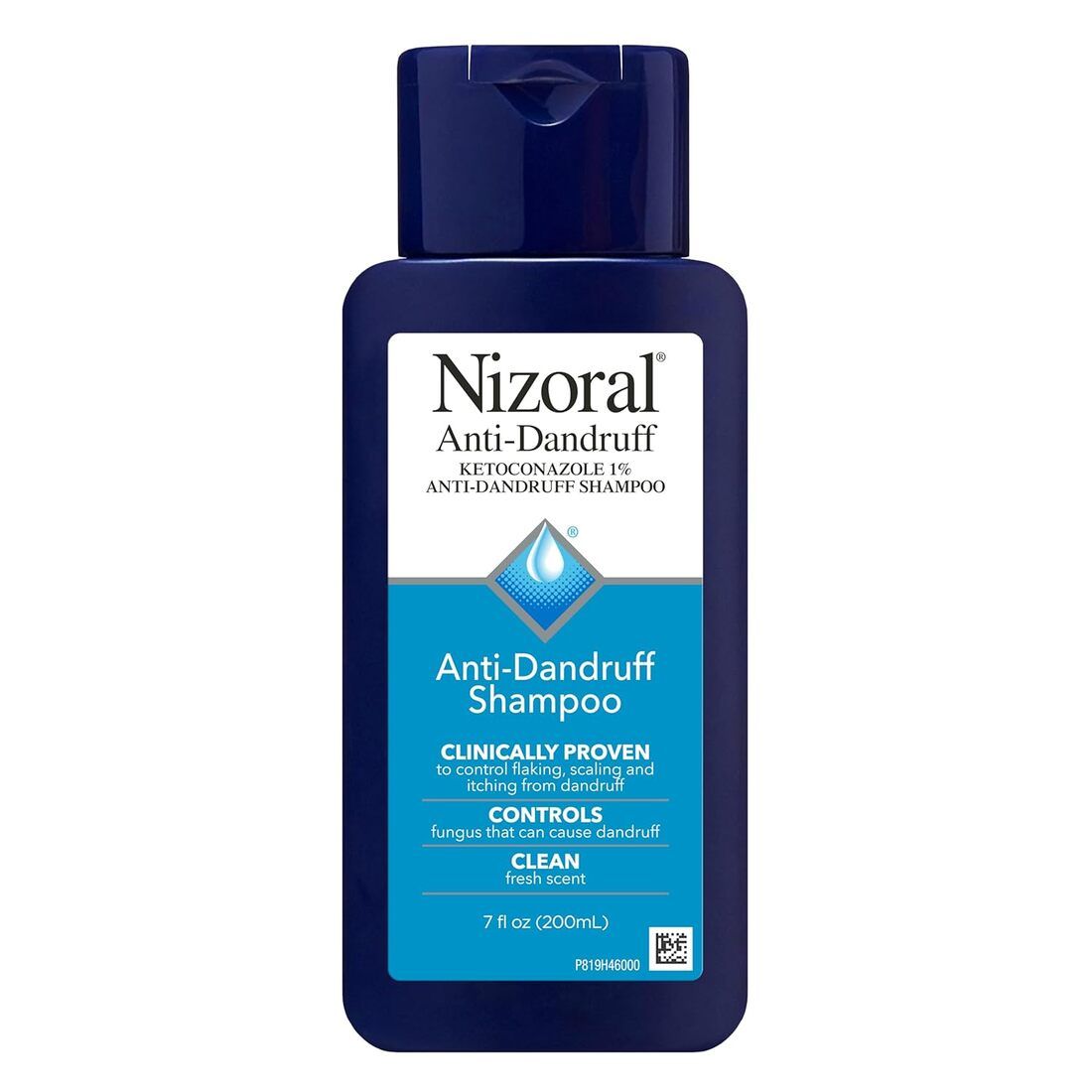
1. Nizoral Anti-Dandruff Shampoo (Ketoconazole-Based)
 |
|
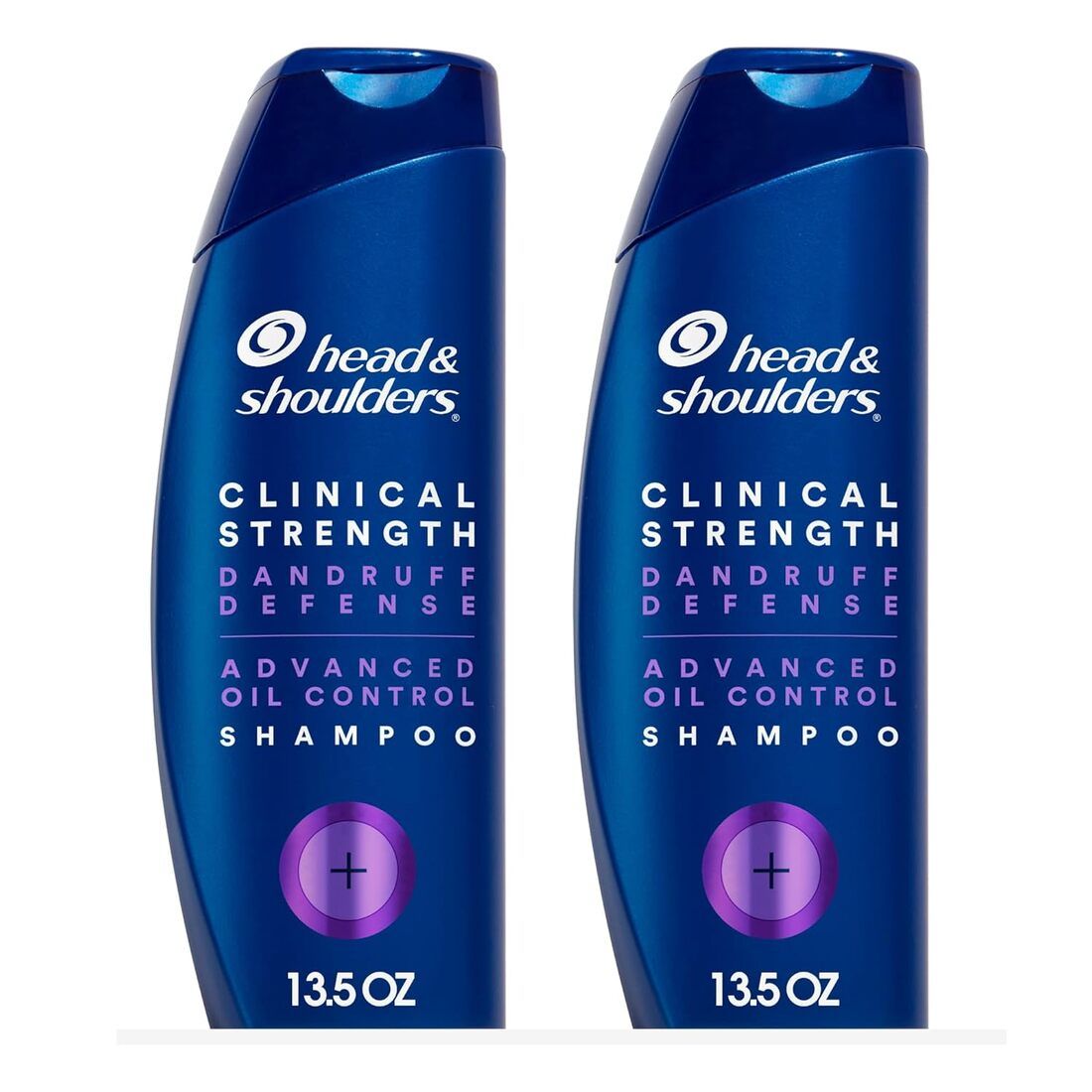
2. Head & Shoulders Clinical Strength (ZPT & Selenium Sulfide)
 |
|
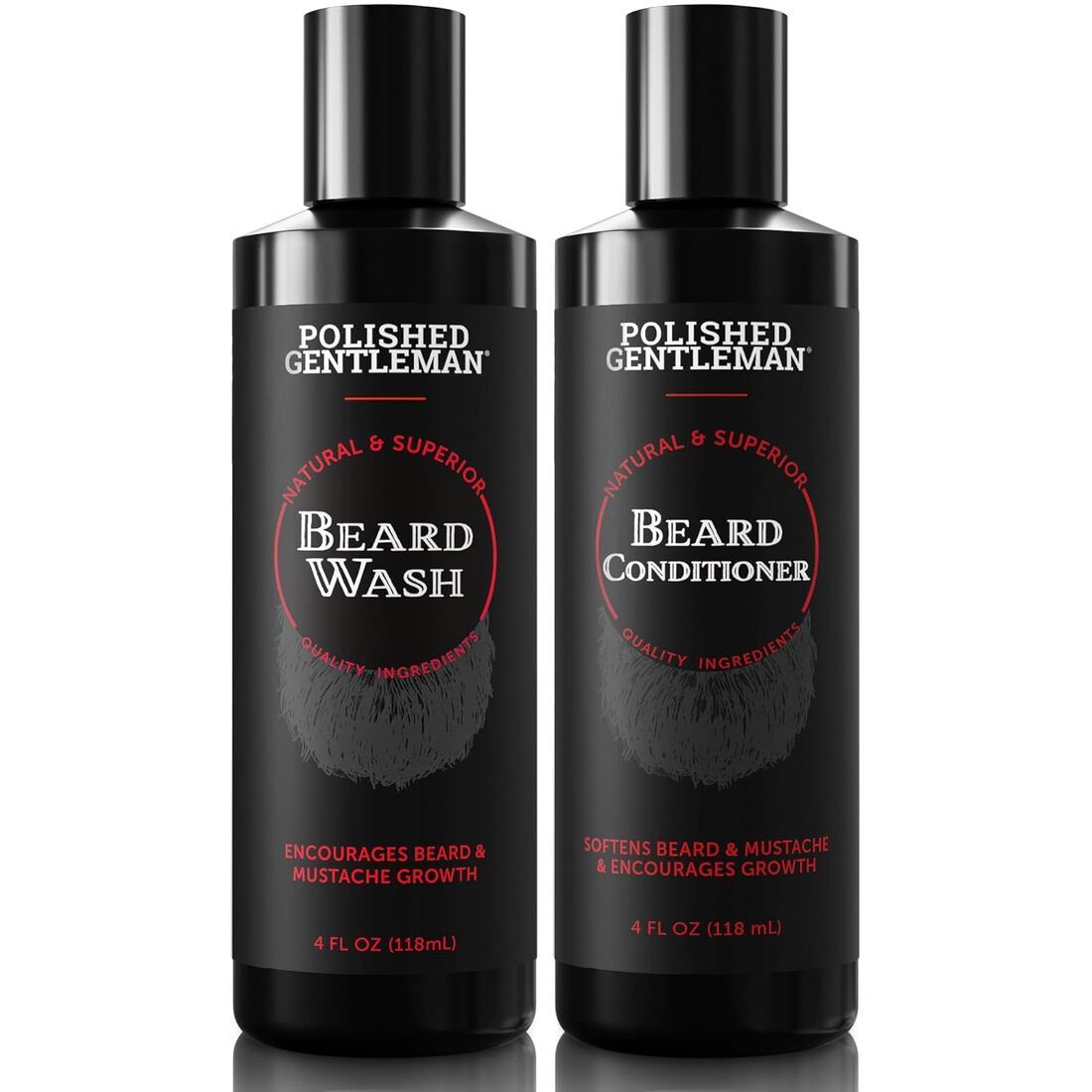
3. Polished Gentleman Beard Shampoo (Natural Oils)
 |
|
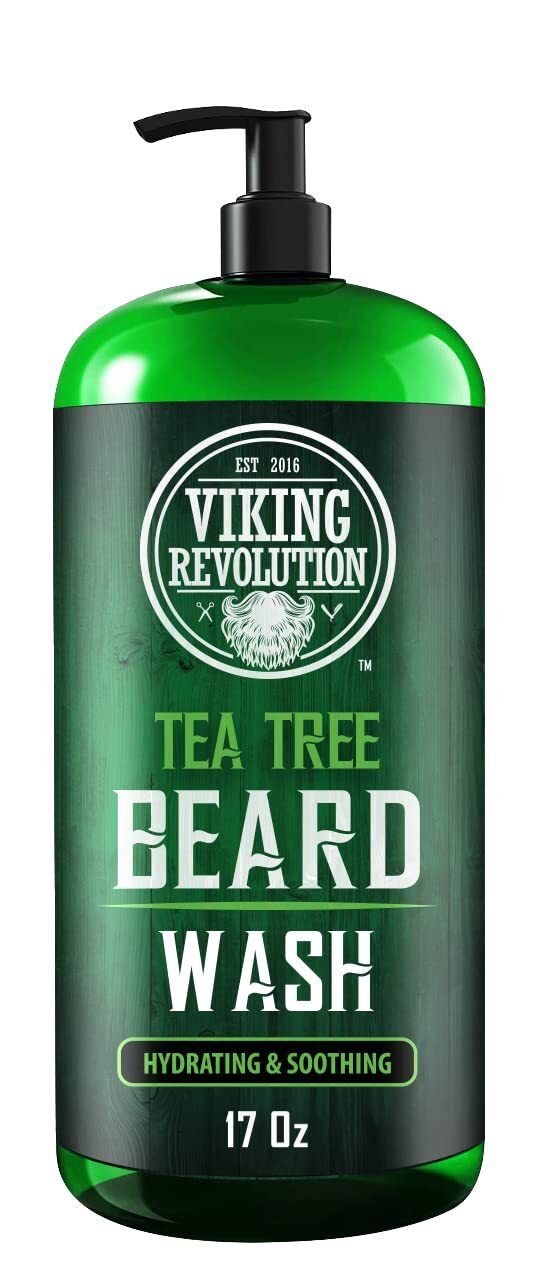
4. Viking Revolution Beard Wash & Conditioner Set (Tea Tree & Aloe)
 |
|
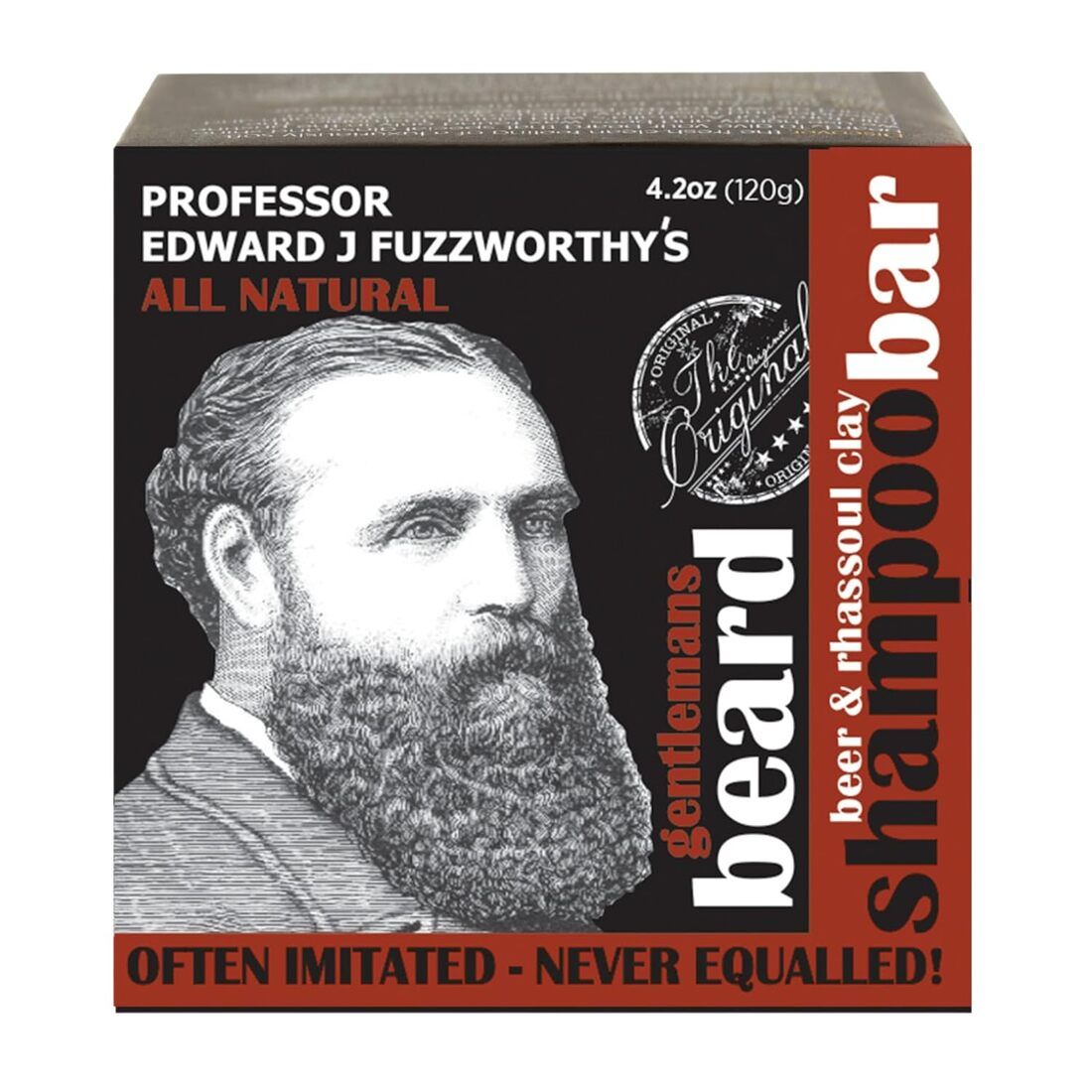
5. Professor Fuzzworthy’s Beard Shampoo Bar (Sulfate-Free)
 |
|
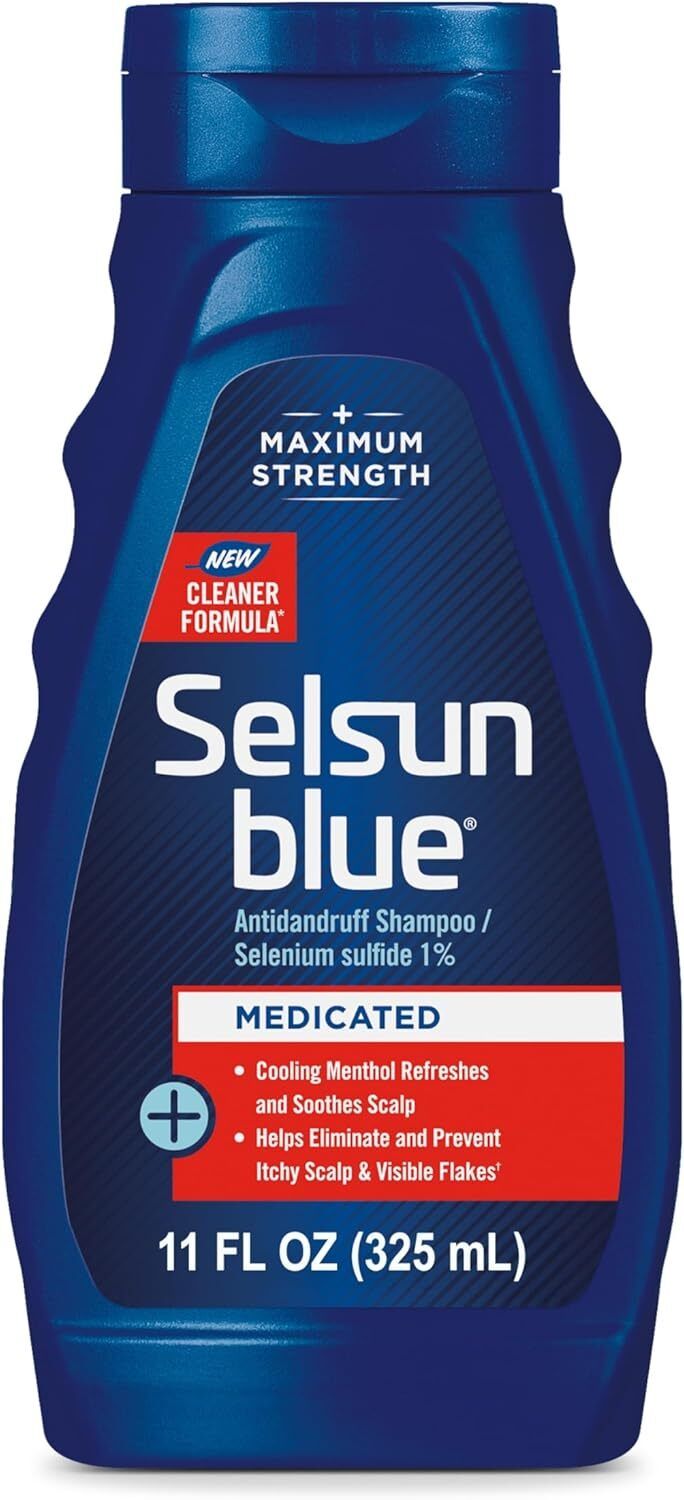
6. Selsun Blue Medicated (Selenium Sulfide)
 |
|
How to Use Beard Shampoo Properly
- Start with Wet Hair: Wet your beard thoroughly with lukewarm water. Hot water can dry out the skin, while cold water may not rinse thoroughly.
- Apply a Small Amount: Most beard shampoos are concentrated, so a quarter-sized amount is usually sufficient.
- Massage Gently: Work the product into your beard, focusing on the skin beneath. Use your fingertips to exfoliate the surface gently.
- Let It Sit: Allow the shampoo to remain for 1-2 minutes (or as directed), so the active ingredients can work effectively.
- Rinse Thoroughly: Leftover shampoo can lead to residue and irritation. Rinse until the water runs clear.
- Condition & Moisturize: Follow up with a beard conditioner or a light beard oil to restore moisture and prevent dryness.
- Frequency: Use beard shampoo 2-4 times a week, depending on severity. Over-washing can strip natural oils; under-washing can worsen dandruff.
Additional Tips to Prevent and Manage Beard Dandruff
- Exfoliate Regularly: Use a gentle beard scrub or a soft-bristle brush to remove dead skin cells and encourage healthy circulation.
- Stay Hydrated: Adequate water intake supports skin health from the inside out, minimizing dryness.
- Use a Beard Oil or Balm: Look for non-comedogenic oils like jojoba, argan, or grapeseed to keep the beard and skin nourished without clogging pores.
- Avoid Harsh Soaps: Generic body washes or bar soaps can be too drying for delicate facial skin.
- Mind Your Diet: Consuming omega-3 fatty acids, vitamins, and minerals supports healthy skin.
- See a Dermatologist: If dandruff persists or worsens, schedule an appointment to rule out conditions like seborrheic dermatitis or psoriasis.
Frequently Asked Questions
Q1: Can I use regular anti-dandruff shampoo on my beard?
Yes, in many cases you can, especially if it contains dermatologist-recommended ingredients like zinc pyrithione or ketoconazole. However, regular shampoos can be more drying, so be sure to follow up with a beard conditioner or oil.
Q2: How long does it take to see results?
Results vary depending on the severity of your beard dandruff and the consistency of your regimen. Many people notice improvement within 1-2 weeks of regular use, but more stubborn cases may take a month or longer.
Q3: Do I need a separate conditioner?
While not mandatory, a beard conditioner or beard oil can help restore moisture to both hair and skin, speeding up the healing process and reducing flaking.
Q4: Are natural or organic shampoos effective?
Natural shampoos with ingredients like tea tree oil and aloe vera can be very effective for mild to moderate dandruff. For more severe cases, you may need medicated formulas.
Q5: Can shaving the beard solve dandruff issues?
Shaving may temporarily reduce flakes since there’s less hair to trap them. However, if the underlying skin condition isn’t addressed, dandruff can still persist on the facial skin.
References
- American Academy of Dermatology – Official website with information on dandruff and skin conditions.
- Mayo Clinic – Resource on dandruff causes and treatments.
- Cleveland Clinic – Additional insights on seborrheic dermatitis and yeast overgrowth.
Final Thoughts: By implementing these dermatologist-backed strategies and using high-quality products, you’ll be well on your way to a healthy, flake-free beard that boosts your confidence—and stands out in 2025 and beyond. |
Disclaimer: This article is for informational and educational purposes only. It does not constitute professional medical advice, diagnosis, or treatment. Always seek the guidance of a qualified healthcare provider or board-certified dermatologist with any questions you may have regarding a medical condition or treatment.

Share Your Opinion, Please