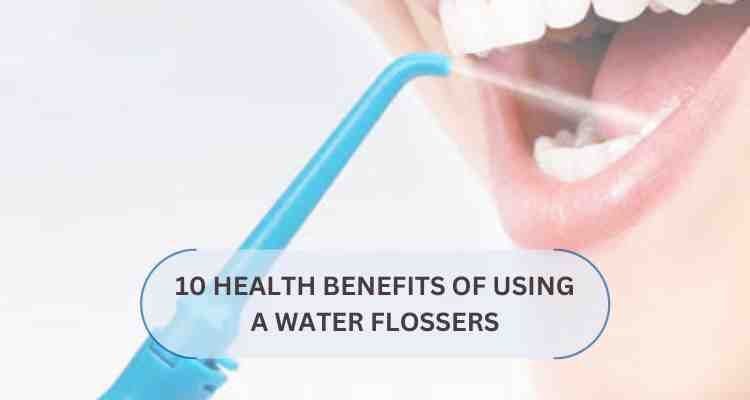
Water flossers, also known as oral irrigators, are an essential addition to any oral hygiene routine. Unlike traditional floss, which may be challenging for some to maneuver, water flossers work by directing a concentrated stream of water between teeth and along the gumline to dislodge food particles, plaque, and bacteria. This action provides a deeper and more thorough cleaning experience and is especially helpful for those with braces, crowns, or other dental work that can make traditional flossing difficult.
Daily use of a water flosser not only enhances dental hygiene but also brings a range of additional health benefits. From reducing plaque buildup to promoting healthier gums and even lowering the risk of certain infections, the advantages of water flossers go well beyond basic cleaning. In this article, we explore the top 10 health benefits of using a water flosser daily to help you maintain a brighter smile, fresher breath, and healthier gums.
|
1. Reduces Plaque and Tartar Buildup
Plaque is a sticky film of bacteria that constantly forms on teeth. If not removed, plaque hardens into tartar, which can lead to gum disease and tooth decay. Using a water flosser daily can help to effectively reduce plaque and prevent the formation of tartar by reaching areas between teeth that regular brushing might miss.
2. Improves Gum Health
Gum health is essential for overall oral health. Water flossers are especially effective at improving gum health by gently massaging the gums and removing bacteria from gum pockets, which can lead to gum disease if left untreated. Regular use also helps reduce bleeding and inflammation, promoting healthier, stronger gums.
3. Prevents Bad Breath
Bad breath, or halitosis, is often caused by food particles and bacteria trapped in hard-to-reach places in the mouth. Water flossers help prevent bad breath by effectively flushing out these particles and reducing bacterial buildup, leaving your mouth fresher.
4. Enhances Cleaning for Braces and Implants
Traditional flossing can be difficult, if not impossible, for individuals with braces, dental implants, or bridges. Water flossers are highly recommended in these cases, as they can clean around wires, brackets, and implants without causing damage or discomfort.
5. Reduces the Risk of Gingivitis and Periodontitis
Gingivitis, the initial stage of gum disease, can progress to periodontitis, a more severe condition that can lead to tooth loss. Using a water flosser daily can reduce the risk of both by eliminating bacteria that accumulate in gum pockets.
6. Gentle on Sensitive Gums and Teeth
For those with sensitive gums or teeth, traditional flossing can be uncomfortable or even painful. Water flossers provide a gentler alternative by using a soft stream of water that can be adjusted in pressure, allowing for a more comfortable experience without compromising effectiveness.
7. Promotes Overall Oral Hygiene
Water flossing is an effective tool for enhancing overall oral hygiene. Studies have shown that regular use of a water flosser can significantly reduce the incidence of cavities, gum disease, and other oral health issues.
8. Reduces the Likelihood of Cavities
Cavities are caused by acid-producing bacteria that feed on sugars left in the mouth. Water flossers help reduce the risk of cavities by flushing out food particles and bacteria from between the teeth and hard-to-reach areas.
9. Cleans Hard-to-Reach Areas
The water flosser's ability to reach areas that traditional floss may miss, such as between tightly spaced teeth and behind molars, makes it an invaluable tool for thorough cleaning. This is particularly beneficial for individuals with crowded teeth or complex dental structures.
10. Contributes to a Whiter, Brighter Smile
By removing food particles and bacteria that contribute to staining, using a water flosser daily can help you achieve a whiter, brighter smile. Although a water flosser doesn’t replace whitening treatments, it can reduce surface stains and keep your teeth looking cleaner and more polished over time.
Additional Insights
How to Use a Water Flosser Correctly
Using a water flosser correctly ensures you receive the full benefits. Position the tip just above the gumline and angle it at 90 degrees. Starting at the back teeth, slowly move along the gumline, allowing the water to wash away food particles and plaque.
Water Flossers vs. Traditional Floss: Which is Better?
While traditional floss can effectively remove plaque from between teeth, water flossers are often better at cleaning around dental work and below the gum line. Many people find water flossers more comfortable and easier to use, particularly if they have braces or sensitive gums.
Can Water Flossers Replace String Flossing Entirely?
While water flossers are excellent for removing debris and bacteria, some dentists recommend using both traditional floss and a water flosser for optimal oral hygiene, as each has unique advantages.
How Often Should You Replace Your Water Flosser Tip?
Water flosser tips should be replaced every 3-6 months, depending on usage. Regular replacement ensures optimal water pressure and hygiene.
Should You Use Mouthwash in Your Water Flosser?
Yes, adding mouthwash to the water flosser’s reservoir can provide additional antibacterial benefits, enhance the cleaning effect, and leave your mouth feeling fresh. However, always follow the manufacturer’s instructions to avoid damaging the device.
What are the best water flossers?
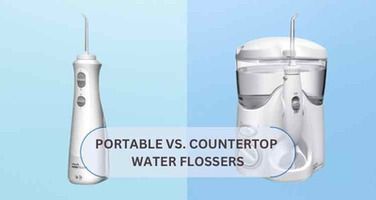
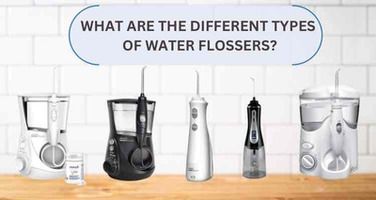
The best water flossers are those that combine strong, adjustable water pressure, versatile tips, and ease of use for a range of dental needs. Leading models, such as the Waterpik Aquarius, offer multiple settings and tips to thoroughly clean between teeth and around braces, implants, and other dental work. For travelers, compact cordless options provide effective flossing without taking up much space. A great water flosser is one that seamlessly fits into your lifestyle, delivering professional-level cleaning and enhanced gum health every day.
Tips for Maintaining Your Water Flosser
To keep your water flosser in good working condition, clean the reservoir and tip after each use, and descale the device regularly. Following these steps helps maintain water pressure and extends the life of your water flosser.
Incorporating a water flosser into your daily routine can bring numerous oral health benefits, from reducing plaque and gum inflammation to promoting a fresher breath and a whiter smile. By following these tips and using the device correctly, you can maximize its effectiveness and enjoy a cleaner, healthier mouth.