
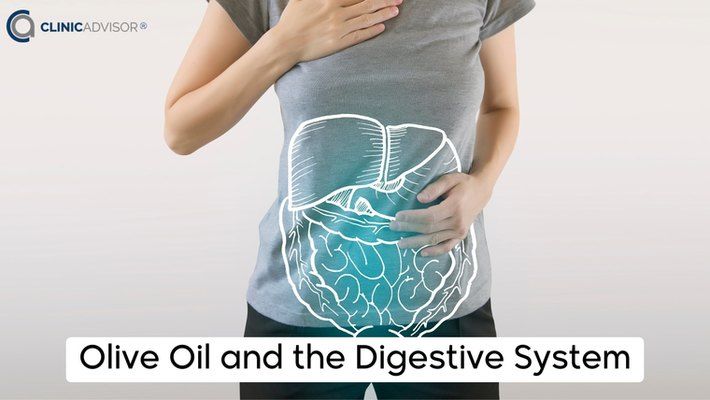
Olive oil, stands out for its health benefits, particularly in supporting a healthy digestive system. Many studies have supported the habits of our ancestors and the way they consumed olive oil as a way to maintain a healthy digestive system.
In this article, we will highlight the various ways olive oil contributes to digestive health, exploring its anti-inflammatory properties and how they aid in maintaining a well-functioning digestive tract.
The Impact of Olive Oil on the Digestive System
The anti-inflammatory and antioxidant properties infused naturally in olive oil, especially extra virgin olive oil, can help maintain a healthy digestive tract and alleviate various digestive disorders. But how?
How Does Olive Oil Support a Healthy Digestive System?
Olive oil's unique composition of monosaturated fats and anti-inflammatory properties makes it beneficial for maintaining a healthy digestive system. For decades, olive oil has been the number one recommendation when it comes to having digestion problems. Remember when you had a constipation or digestion problem and your granny or your mom ran with a spoon of olive oil?
Well, that was for a reason since olive oil, especially the virgin form, aids in stimulating the digestive system, making it easier to process food and absorb nutrients. Its laxative effect can also help prevent constipation, a common digestive issue.
Extra Virgin Olive Oil & The Intestines
Extra virgin olive oil (EVOO) has a particularly beneficial impact on intestinal health. Thanks to its high content of polyphenols and monounsaturated fats it contributes to maintaining the integrity of the intestinal lining, reducing inflammation, and potentially lowering the risk of intestinal disorders.
Olive Oil and Gastrointestinal Diseases
Regular consumption of olive oil may reduce the risk of gastrointestinal diseases, such as gastritis and peptic ulcers, due to its anti-inflammatory and protective properties. Additionally, olive oil has the ability to prevent gastric motility; a condition referring to the movements of the stomach muscles that mix food and push it through the digestive tract. This helps reduce the risk of acid reflux.
Olive Oil in Preventing Gallstones
Some studies suggest that olive oil can aid in preventing the formation of gallstones by stimulating the secretion of bile and pancreatic hormones, essential for digesting fats.
Olive Oil and Colon Health
Olive oil's beneficial monosaturated fats and antioxidants are thought to contribute to colon health, potentially reducing the risk of colorectal cancer.
How Can Olive Oil Help in Treating Constipation?
Olive oil acts as a natural laxative, helping to soften the stool and ease its passage through the intestines. Its texture and consistency can stimulate the digestive system, improving bowel regularity. Regular consumption of olive oil, especially on an empty stomach, has been found to stimulate the digestive system, making it a simple, natural remedy for constipation.
Which Polyphenols Protect The Digestive System?
Olive oil contains several polyphenols known for their protective effects on the digestive system, such as oleuropein, hydroxytyrosol, and tyrosol. These compounds possess antioxidant and anti-inflammatory properties, which help protect the gastrointestinal tract from oxidative stress and inflammation, two factors that can contribute to various digestive disorders.
How Does Olive Oil Increase Beneficial Bacteria Such as Bifidobacteria?
Olive oil can enhance the growth of beneficial gut bacteria, like Bifidobacteria, which are crucial for gut health. The polyphenols in olive oil act as prebiotics, substances that promote the growth of healthy bacteria in the gut. By improving gut flora, olive oil not only aids in digestion but also enhances the overall health of the gastrointestinal tract.
Who Should Incorporate Olive Oil for Digestive Benefits?
Anyone looking to maintain or improve their digestive health can benefit from incorporating olive oil into their diet, particularly those prone to digestive disorders.
Potential Risks of Olive Oil in Digestion
While olive oil is generally safe, excessive consumption can lead to digestive upset in some individuals such as diarrhea. That’s why it’s important to consume it in moderation, one to two spoons a day is more than enough.
Takeaways,
Olive oil, especially extra virgin olive oil, offers a multitude of benefits for the digestive system. From aiding in the treatment of constipation to enhancing the health of the intestines and promoting beneficial gut bacteria. Its rich content of beneficial fats and polyphenols makes it an excellent choice for those seeking natural ways to support their digestive system. As more research emerges, the role of olive oil in digestive health continues to expand, solidifying its status as a key element in a health-conscious diet.






Share Your Opinion, Please