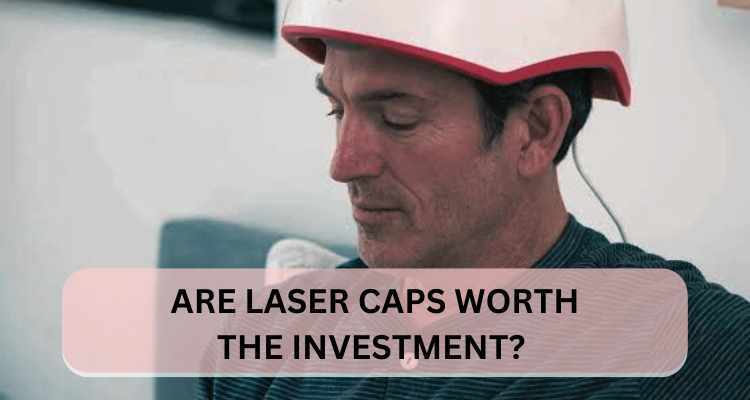
Hair loss can be emotional and financial, leaving many to wonder if investing in a laser cap—a device that promises to stimulate hair regrowth using advanced technology—is truly worth it. With upfront costs ranging from hundreds to thousands of dollars, it’s natural to question whether the benefits justify the investment.
This article takes a data-driven approach to evaluate the cost vs. benefit of laser caps over time. By examining the true costs of hair loss treatments, quantifying return on investment (ROI), and exploring expert insights, we'll help you decide if a laser cap is the right choice for you.
| Key Takeaways: How Laser Caps Work:
Laser caps are worth it if:
|
Jump Ahead To:
- Understanding the True Costs of Hair Loss Treatments
- Breaking Down Laser Cap Expenses: Beyond the Price Tag
- The Long-Term Benefit: Cost vs. Other Treatments
- Quantifying Return on Investment (ROI) for a Laser Cap
- The Intangible Benefits: Convenience, Privacy, and Control
- Common Misconceptions About Laser Cap Investment
- Decision Framework: Is a Laser Cap Right for You?
1. Understanding the True Costs of Hair Loss Treatments
Emotional and Financial Stakes
Hair loss affects more than just appearance; it can significantly impact confidence, self-esteem, and lifestyle choices. Many individuals find themselves spending on treatments not only for regrowth but also for emotional reassurance. However, the financial costs of treating hair loss over time can be substantial, so investing in a laser cap is particularly crucial.
Broad Treatment Landscape
Today’s hair loss treatments include a variety of options:
- Topicals (e.g., Minoxidil): Widely used, FDA-approved, and affordable in the short term.
- Oral Medications (e.g., Finasteride): Effective but with potential side effects.
- Platelet-Rich Plasma (PRP): Requires regular in-clinic sessions and is costly over time.
- Hair Transplants: A permanent solution but invasive and expensive upfront.
- At-Home Laser Caps: A non-invasive, long-term investment for consistent use.
2. Breaking Down Laser Cap Expenses: Beyond the Price Tag
Upfront Purchase Cost
The initial cost of a laser cap typically ranges from $500 to $3,000, depending on the brand and features. Premium models may include advanced functionality, while budget-friendly options provide basic effectiveness.
Maintenance and Replacement Parts
Laser caps are durable, with lifespans often exceeding five years. Minimal maintenance costs—like cleaning supplies or occasional battery replacements—ensure long-term affordability.
Time Investment
Unlike frequent clinic visits, laser caps allow users to treat hair loss conveniently at home. Sessions usually last 20–30 minutes, 3–4 times a week, saving significant time and effort compared to other treatments.
3. The Long-Term Benefit: Cost vs. Other Treatments
Comparing to Topical Solutions (e.g., Minoxidil)
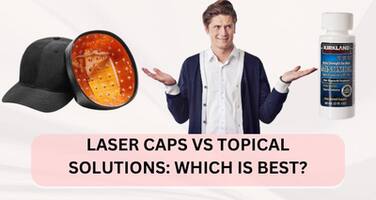
- Minoxidil is affordable upfront but requires continuous purchase.
- Over a 5–10-year period, the cumulative cost often surpasses that of a one-time laser cap purchase.
- Some users experience diminishing returns or side effects, reducing its long-term appeal.
Comparing to In-Clinic Low-Level Laser Therapy (LLLT)
- Regular clinic visits can cost $200–$500 per session, quickly adding up over time.
- Laser caps offer the same technology with the convenience of at-home use, eliminating travel expenses and lost time.
Comparing to Hair Transplants and PRP
- Hair transplants can cost $4,000–$15,000, with recovery periods and potential for additional procedures.
- PRP therapy requires ongoing sessions, costing $500–$1,500 each.
- Laser caps provide a non-invasive alternative with comparable long-term savings.
4. Quantifying Return on Investment (ROI) for a Laser Cap
Creating a Personalized Calculation
Calculate your annualized cost:
(Initial Cost + Maintenance) ÷ Number of Years Used = Annualized Cost
For example, a $1,000 laser cap used for 5 years equates to just $200 annually—significantly less than the cumulative costs of other treatments.
Considering Hair Regrowth Success Rates
Clinical studies show laser caps can improve hair density and slow hair loss progression, offering significant value over time.
Aesthetic and Emotional Value
Regaining confidence, improving self-image, and reducing reliance on cosmetic solutions (like wigs or concealers) are intangible benefits that add to the overall ROI.
5. The Intangible Benefits: Convenience, Privacy, and Control
Laser caps allow users to treat hair loss privately at home while multitasking, offering unmatched convenience and discretion. Consistent usage often yields better results, making adherence easier than more disruptive treatments.
6. Common Misconceptions About Laser Cap Investment
- Myth: “Laser caps are too expensive compared to topicals.”
Reality: Over several years, cumulative topical costs often exceed the one-time price of a laser cap. - Myth: “There’s no guarantee it will work for me.”
Reality: Clinical evidence supports laser cap efficacy when used as directed for many users.
7. Decision Framework: Is a Laser Cap Right for You?
Laser caps are ideal for those seeking a one-time investment, convenience, and non-invasive treatment. Evaluate your budget, lifestyle, and hair loss stage before deciding.
Conclusion
Laser caps present a compelling value proposition for long-term hair loss management. While no solution is perfect for everyone, understanding the costs and benefits can help you make an informed decision. Consulting with a professional can further clarify if a laser cap aligns with your goals.