
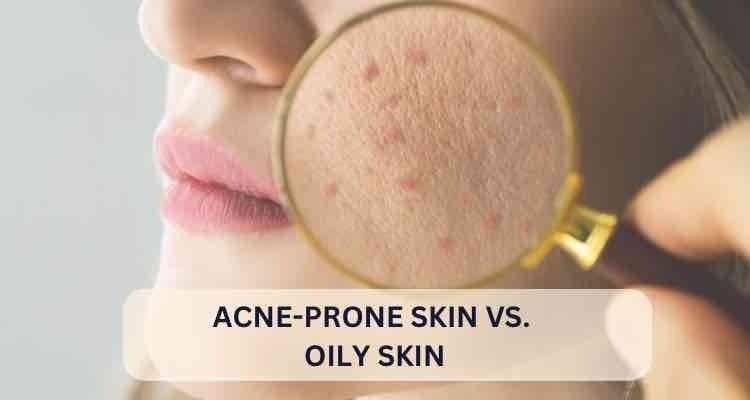
A successful skincare routine starts by understanding your skin type. Two common skin types that are often confused are acne-prone skin and oily skin. While they may share similar characteristics—such as excess sebum production—they are not the same and require different approaches to care.
Oily skin refers to skin that produces an excessive amount of sebum, the natural oil that keeps your skin hydrated. Acne-prone skin, on the other hand, is more sensitive to breakouts, which can be caused by clogged pores, bacteria, and hormonal imbalances. Although oily skin can be more likely to experience acne, not all individuals with oily skin will have acne-prone skin, and vice versa.
In this guide, we’ll explore the key differences between acne-prone skin and oily skin, how to identify which type you have, and the best skincare practices for each. Whether you’re struggling with breakouts or trying to manage excess oil, knowing the difference will help you target the right treatments for healthier, clearer skin.
Table of Contents
- What Is Oily Skin?
- What Is Acne-Prone Skin?
- What Are The Key Differences Between Oily Skin and Acne-Prone Skin?
- Can Oily Skin Be Acne-Prone?
- How To Care for Oily Skin
- How To Care for Acne-Prone Skin
- Best Ingredients for Oily and Acne-Prone Skin
- Can You Have Oily Skin Without Acne?
What Is Oily Skin?
Oily skin is characterized by an overproduction of sebum, the oil that naturally lubricates and protects the skin. While sebum is essential for keeping the skin hydrated and maintaining its barrier function, too much of it can lead to a shiny appearance and enlarged pores. People with oily skin often notice that their face looks greasy, especially in the T-zone (forehead, nose, and chin), even shortly after washing.
Oily skin can be genetic, but factors such as hormonal changes, stress, diet, and climate can all contribute to increased sebum production. Although oily skin is more prone to clogged pores, it doesn’t necessarily lead to acne for everyone. With the right skincare routine, you can control oil levels and maintain a clear, balanced complexion.
What Is Acne-Prone Skin?
Acne-prone skin refers to skin that is particularly susceptible to breakouts of acne, which can appear as blackheads, whiteheads, pimples, or cysts. Acne is often caused by a combination of excess oil, clogged pores, bacteria (Propionibacterium acnes), and inflammation. Hormonal fluctuations, stress, and certain skincare products can also trigger breakouts in people with acne-prone skin.
Unlike oily skin, which is primarily defined by sebum production, acne-prone skin can be found in any skin type, including dry, combination, or sensitive skin. This type of skin tends to react more easily to environmental and internal factors, making it important to adopt a gentle, non-irritating skincare routine.
What Are The Key Differences Between Oily Skin and Acne-Prone Skin?
While oily and acne-prone skin can share some traits, they are distinct skin types with unique characteristics. Understanding these differences will help you determine the right approach to caring for your skin.
1. Sebum Production
Oily Skin: The hallmark of oily skin is an overproduction of sebum, which can give the skin a shiny or greasy appearance. This excess oil can make makeup application challenging and lead to clogged pores if not properly managed.
Acne-Prone Skin: While acne-prone skin can also have excess sebum, it is primarily defined by its tendency to develop breakouts. Acne-prone skin may produce a normal or even low amount of oil but still experience frequent breakouts due to clogged pores or sensitivity to certain ingredients or hormones.
2. Pore Size and Clogging
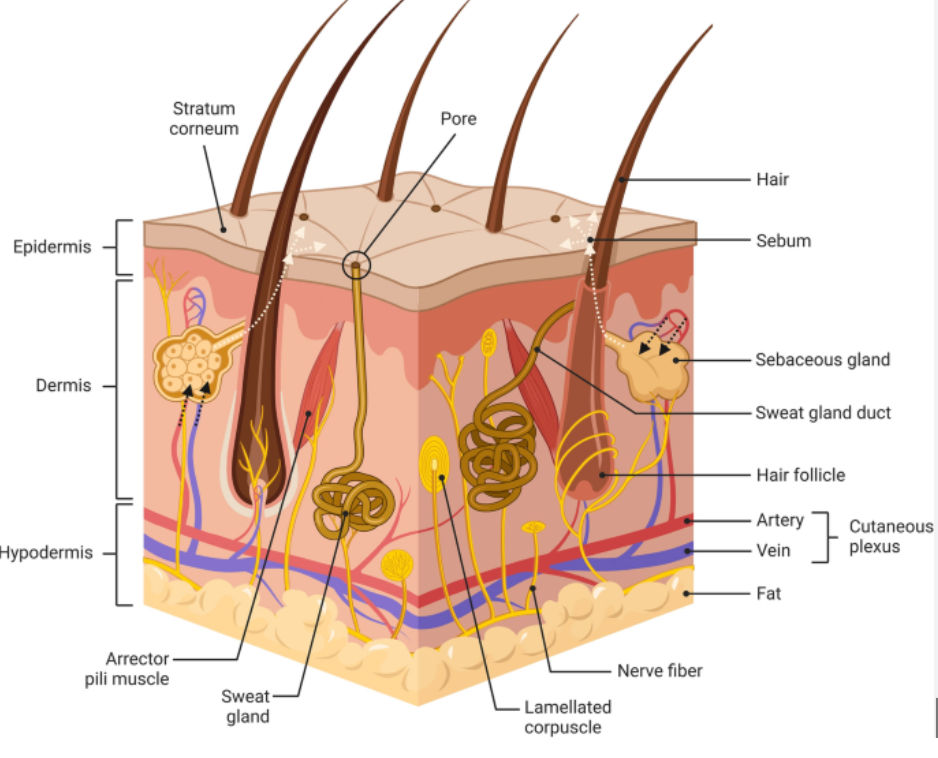
Oily Skin: People with oily skin often have larger pores, especially in the T-zone. These enlarged pores can become clogged with excess oil and dead skin cells, leading to blackheads or whiteheads, but not necessarily full-blown acne.
Acne-Prone Skin: Acne-prone skin is more likely to experience clogged pores that result in inflammation, leading to pimples, cysts, or other types of acne. The pores may not always be enlarged, but they are more susceptible to becoming blocked by sebum, bacteria, and skin debris.
3. Sensitivity to Breakouts
Oily Skin: While oily skin can contribute to clogged pores, it does not always result in acne. Some individuals with oily skin may only deal with occasional blemishes, depending on how their skin reacts to excess oil and external factors like pollution or skincare products.
Acne-Prone Skin: Acne-prone skin is much more reactive, often experiencing frequent breakouts even with proper care. Hormonal changes, stress, or the wrong products can quickly trigger new blemishes, making it important to carefully monitor what goes on the skin.
4. Skin Texture and Appearance
Oily Skin: Oily skin tends to have a shiny, greasy appearance with a thicker texture. The constant production of sebum can give the skin a slick, almost slippery feel, especially during the day.
Acne-Prone Skin: Acne-prone skin may look inflamed, red, or uneven due to frequent breakouts. Its texture is often more uneven, with bumps and blemishes affecting the smoothness of the skin. Even if the skin is not oily, it may still look irritated or congested.
Can Oily Skin Be Acne-Prone?
Yes, oily skin can be acne-prone, but not always. The excess production of sebum in oily skin can lead to clogged pores, which may increase the likelihood of developing acne. However, not all individuals with oily skin experience frequent breakouts. Some may only deal with occasional blemishes, while others are more prone to acne due to other factors like hormones or genetics.
If you have oily and acne-prone skin, it’s essential to use products that help control excess oil without stripping the skin of its natural moisture. A balanced approach that includes gentle cleansers, exfoliation, and non-comedogenic products can help keep both oil and acne in check.
How To Care for Oily Skin
Caring for oily skin involves controlling excess sebum production without drying out the skin. Here are some key tips:
- Use a Gentle Cleanser: Opt for a foaming or gel-based cleanser that removes excess oil without stripping the skin of its moisture. Avoid harsh scrubs, which can irritate the skin and lead to more oil production.
- Exfoliate Regularly: Exfoliation helps remove dead skin cells and prevent clogged pores. Use a chemical exfoliant containing salicylic acid or glycolic acid to keep pores clear.
- Hydrate with Lightweight Moisturizers: Even oily skin needs hydration. Choose oil-free, non-comedogenic moisturizers that provide hydration without making your skin feel greasy.
- Blot Excess Oil: Use blotting papers throughout the day to absorb excess oil and reduce shine without disrupting your makeup.
- Choose Oil-Free Sunscreen: Oily skin is still prone to sun damage. Look for a lightweight, non-greasy sunscreen formulated for oily skin to avoid clogged pores.
How To Care for Acne-Prone Skin
Acne-prone skin requires a careful and consistent routine that minimizes breakouts while soothing inflammation. Here’s how to care for it:
- Use a Gentle, Non-Irritating Cleanser: Look for a mild, sulfate-free cleanser that cleanses the skin without causing irritation. Harsh cleansers can strip the skin and lead to more breakouts.
- Incorporate Salicylic Acid or Benzoyl Peroxide: These active ingredients help clear acne by exfoliating dead skin cells, unclogging pores, and reducing bacteria.
- Moisturize with Non-Comedogenic Products: Even if your skin is acne-prone, don’t skip moisturizer. Choose a lightweight, oil-free formula that hydrates without clogging pores.
- Spot Treatment for Active Breakouts: Use targeted treatments with benzoyl peroxide or sulfur to treat active pimples and reduce inflammation.
- Avoid Picking or Squeezing Pimples: Picking at blemishes can lead to scarring and worsen breakouts. Instead, apply a spot treatment and allow the acne to heal naturally.
Best Ingredients for Oily and Acne-Prone Skin
Certain ingredients work particularly well for both oily and acne-prone skin types. Here are some of the most effective:
- Salicylic Acid: A beta hydroxy acid (BHA) that exfoliates the skin and clears out clogged pores, making it ideal for both oily and acne-prone skin.
- Niacinamide: This anti-inflammatory ingredient helps regulate sebum production and reduces redness, making it beneficial for acne-prone skin.
- Benzoyl Peroxide: This powerful antibacterial agent helps to kill acne-causing bacteria, making it a staple for acne treatment.
- Hyaluronic Acid: A hydrating ingredient that won’t clog pores, hyaluronic acid is perfect for maintaining moisture without adding excess oil.
- Clay: Clay-based masks help absorb excess oil and reduce shine, making them great for oily skin.
Can You Have Oily Skin Without Acne?
Yes, it is entirely possible to have oily skin without experiencing acne. While excess oil production can increase the chances of clogged pores and breakouts, some people with oily skin do not develop acne. This can depend on a variety of factors, including genetics, hormones, and how the skin responds to external stressors like pollution or skincare products.
To prevent acne from developing on oily skin, it’s important to maintain a consistent skincare routine that controls oil production, exfoliates dead skin cells, and uses non-comedogenic products to keep pores clear.






Share Your Opinion, Please