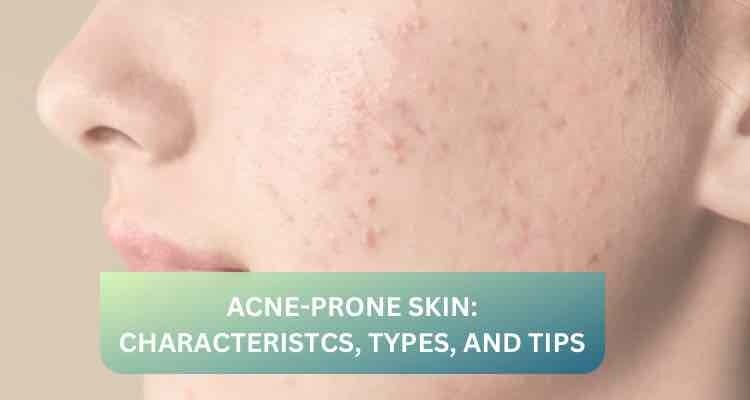
Acne-prone skin is a common condition that affects millions of people, leading to breakouts, blemishes, and other skin issues. Understanding what acne-prone skin is, the different types of acne, and the underlying causes can help you make better skincare choices and prevent further breakouts. If you're struggling to manage your acne or just curious about why your skin is more prone to acne, you've come to the right place. Keep reading to learn everything you need to know about acne-prone skin, its causes, the various types of acne, and how you can take steps toward clearer, healthier skin.
What Is Acne-Prone Skin?
Acne-prone skin refers to skin that is more likely to develop pimples, blackheads, whiteheads, and other types of acne. People with acne-prone skin may find themselves frequently dealing with breakouts, often struggling to control the frequency or severity of their acne.
Characteristics of Acne-Prone Skin
- Frequent Breakouts: Acne-prone skin tends to develop pimples and blemishes more often than other skin types.
- Excess Oil Production: Sebaceous glands may produce more oil (sebum), leading to clogged pores.
- Sensitivity: Acne-prone skin is often sensitive, reacting easily to environmental factors, skin care products, or hormonal changes.
Acne-prone skin can affect people of all ages, although it's particularly common during puberty and in those with certain hormonal imbalances. The key to managing acne-prone skin is to understand its causes and types, enabling more informed choices in skincare and lifestyle.
Types of Acne
Not all acne is the same. There are several types of acne, each with different causes and characteristics. Understanding the type of acne you have is crucial for finding the right treatment.
1. Hormonal Acne
Hormonal acne is directly related to fluctuations in hormone levels. This type of acne is most common during puberty, menstruation, pregnancy, and menopause. Hormonal changes trigger excess sebum production, which clogs pores and leads to breakouts.
- Common Symptoms: Pimples often appear on the lower face, chin, and jawline.
- Triggers: Hormonal imbalances, stress, menstrual cycles, and birth control.
2. Cystic Acne
Cystic acne is a severe form of acne characterized by deep, painful cysts that form under the skin. Unlike other types of acne, cystic acne doesn’t come to the surface in the form of whiteheads or blackheads. Instead, it causes large, inflamed cysts.
- Common Symptoms: Painful, swollen bumps that are filled with pus.
- Triggers: Hormonal fluctuations, genetics, or clogged pores that become infected with bacteria.
3. Bacterial Acne
Bacterial acne occurs when pores become infected with Propionibacterium acnes (P. acnes), the bacteria that naturally live on the skin. When sebum production increases and clogs pores, it creates an ideal environment for bacteria to grow, resulting in inflammation and acne.
- Common Symptoms: Red, inflamed pimples that may be tender to the touch.
- Triggers: Excess oil production, poor hygiene, or imbalances in skin flora.
4. Fungal Acne
Fungal acne, also known as pityrosporum folliculitis, occurs when yeast overgrowth in hair follicles causes inflammation. It’s often confused with bacterial acne, but a yeast infection rather than bacteria causes fungal acne.
- Common Symptoms: Small, uniform pimples that are itchy and often appear on the chest, back, and shoulders.
- Triggers: Warm, humid environments, excessive sweating, or tight clothing.
5. Comedonal Acne
Comedonal acne refers to non-inflammatory acne, including blackheads and whiteheads. This type of acne develops when pores become clogged with oil, dead skin cells, and debris but doesn’t result in the redness or swelling seen with inflammatory acne.
- Common Symptoms: Blackheads and whiteheads, particularly on the forehead, nose, and chin.
- Triggers: Excess oil production, buildup of dead skin cells, or certain skincare products.
Causes of Acne-Prone Skin
Acne-prone skin has several potential underlying causes, ranging from genetics to lifestyle factors. Understanding what causes your acne can help you make the right adjustments to your skincare routine and overall lifestyle.
1. Genetics
Genetics plays a significant role in determining whether someone will have acne-prone skin. If your parents had acne, there’s a higher chance that you will too. Genetic factors can influence your skin’s oil production, how easily your pores clog, and how your skin reacts to hormonal changes.
- Key Factor: Genetics often determine how sensitive your skin is to hormonal fluctuations and other acne triggers.
2. Hormones
Hormonal changes are a common cause of acne. Testosterone, in particular, can stimulate the sebaceous glands to produce more oil, which leads to clogged pores and breakouts. Hormonal acne often worsens during puberty, menstruation, pregnancy, and menopause.
- Key Factor: Hormonal fluctuations can lead to excess oil production and clogged pores, triggering acne.
3. Lifestyle Factors
Lifestyle choices can exacerbate acne-prone skin. Diet, stress, and personal hygiene all play a role in how your skin behaves. For example, a diet high in sugar and dairy can trigger hormonal fluctuations that lead to acne. Stress increases the production of cortisol, which can also stimulate oil production.
- Key Factors: Poor diet, stress, and lack of sleep are major contributors to breakouts. Poor hygiene, such as not washing your face regularly, can lead to clogged pores.
4. Skincare Products
Some skincare products, especially those containing comedogenic ingredients, can clog pores and lead to breakouts. People with acne-prone skin need to use non-comedogenic and oil-free products.
- Key Factor: Skincare products that are too harsh or not suited to your skin type can worsen acne by irritating the skin or clogging pores.
5. Environmental Factors
Pollution, humidity, and other environmental factors can also contribute to acne-prone skin. Dirt and pollution can settle on the skin and clog pores, while high humidity can increase oil production.
- Key Factor: Daily exposure to pollution and humidity can increase the likelihood of clogged pores and acne breakouts.
How to Manage Acne-Prone Skin
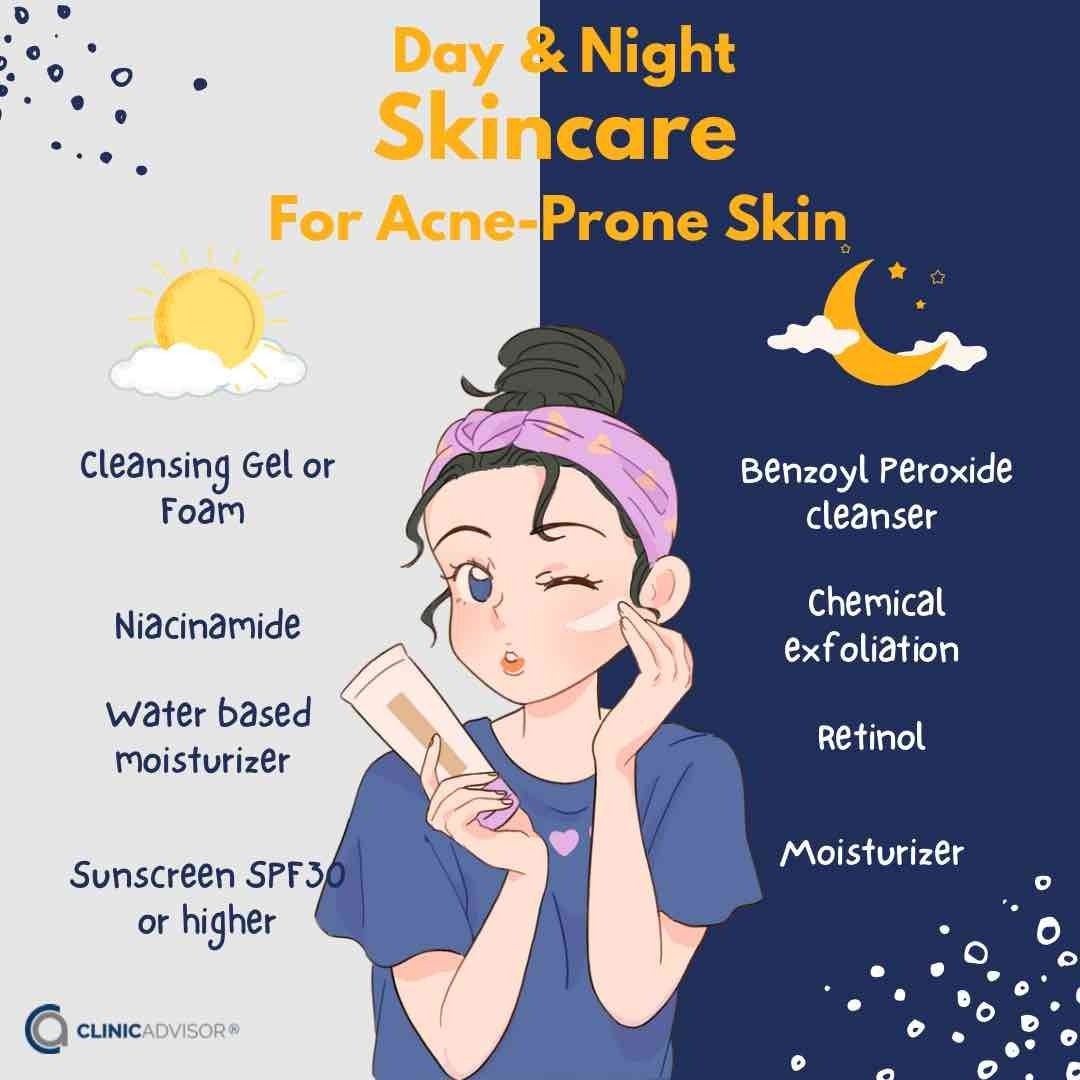
Managing acne-prone skin requires a combination of the right skincare products, lifestyle adjustments, and, in some cases, medical treatments. Here are some steps to help manage your acne:
1. Choose the Right Cleanser
Use a gentle cleanser specifically formulated for acne-prone skin. Look for ingredients like salicylic acid or benzoyl peroxide, which help unclog pores and reduce bacteria.
2. Moisturize Regularly
Even acne-prone skin needs hydration. Choose an oil-free, non-comedogenic moisturizer that won’t clog your pores but will keep your skin balanced and hydrated.
3. Exfoliate Wisely
Exfoliating helps remove dead skin cells that can clog pores, but over-exfoliating can irritate the skin and make acne worse. Opt for chemical exfoliants like glycolic or lactic acid instead of harsh scrubs.
4. Watch Your Diet
Maintain a balanced diet with plenty of fruits, vegetables, and whole grains. Avoid excess sugar, dairy, and processed foods, which can trigger breakouts in some individuals.
5. Consult a Dermatologist
If over-the-counter treatments aren’t helping, it may be time to consult a dermatologist. Prescription medications like retinoids, antibiotics, or hormonal treatments can be highly effective for treating acne.
Related : 5 Best Moisturizers for Acne-Prone Skin
Conclusion
Acne-prone skin can be frustrating, but understanding the types of acne and the causes behind breakouts can make a big difference in managing your skin. Whether your acne is hormonal, bacterial, or the result of lifestyle factors, the key to clearer skin is choosing the right skincare products, maintaining a healthy lifestyle, and seeking professional advice when necessary. With the right knowledge and approach, you can take control of your acne and achieve healthier, clearer skin.